
I Went to Japan Twice (Part 2 – 2026) – Tuesday/Wednesday
This post is part of a continuing series. If you haven’t read the Sunday/Monday post, I suggest starting there before reading this one.
Our plan for Tuesday was a day trip down to Kamakura, a coastal town in Kanagawa Prefecture that’s roughly an hour south of Tokyo by train. My friend Art describes this as the “Santa Cruz of Japan” because of its laid-back beach vibes. Santa Cruz is a town in California where I’ve spent a lot of time. Nestled in a hilly forest next to the ocean, it has chill neighborhoods, surfer beaches, and extremely popular tourist areas. I love Santa Cruz, so I was very interested to explore Kamakura.
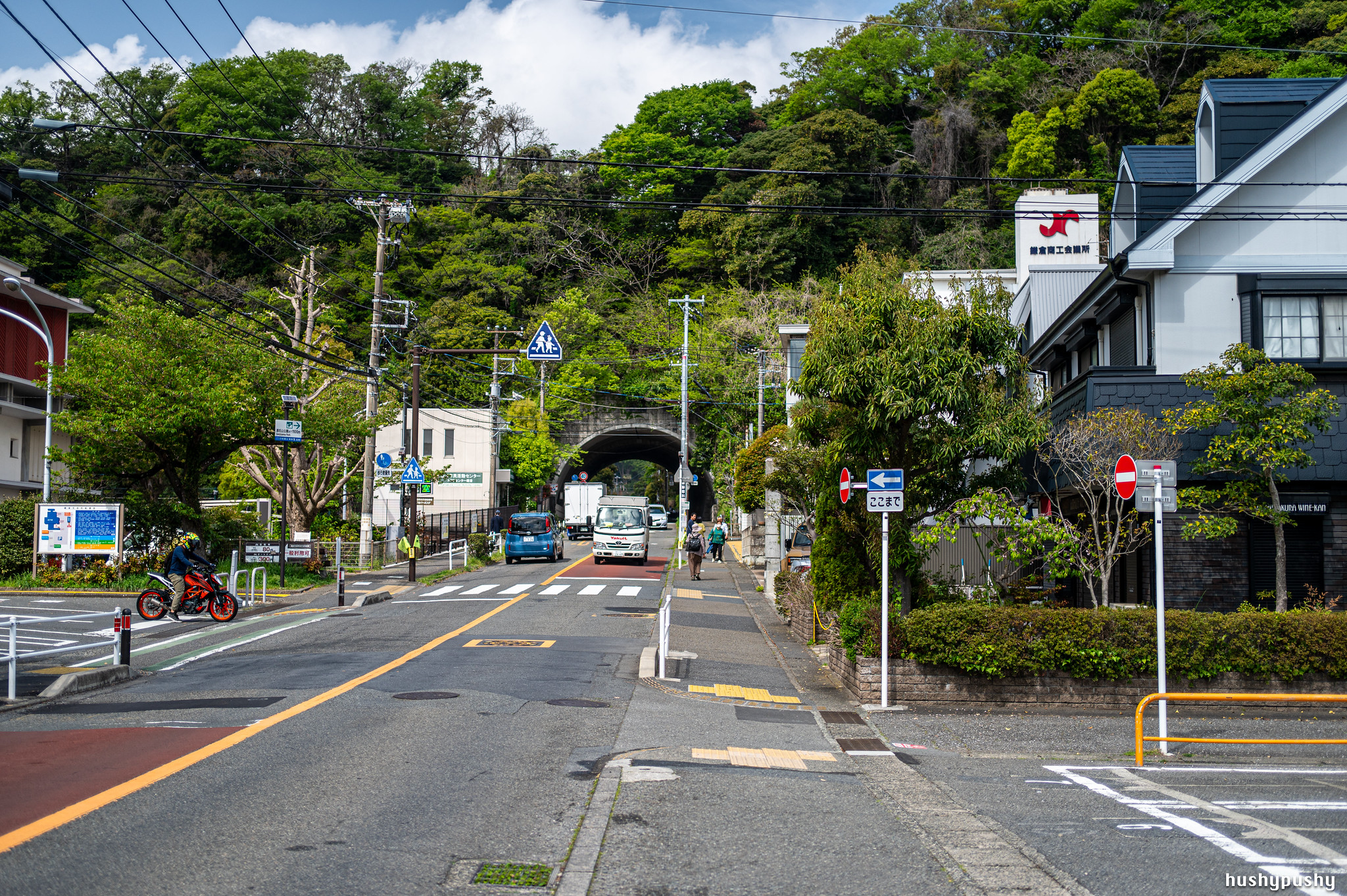
As soon as we got off the train I was impressed. This is a lovely little town with greenery everywhere.
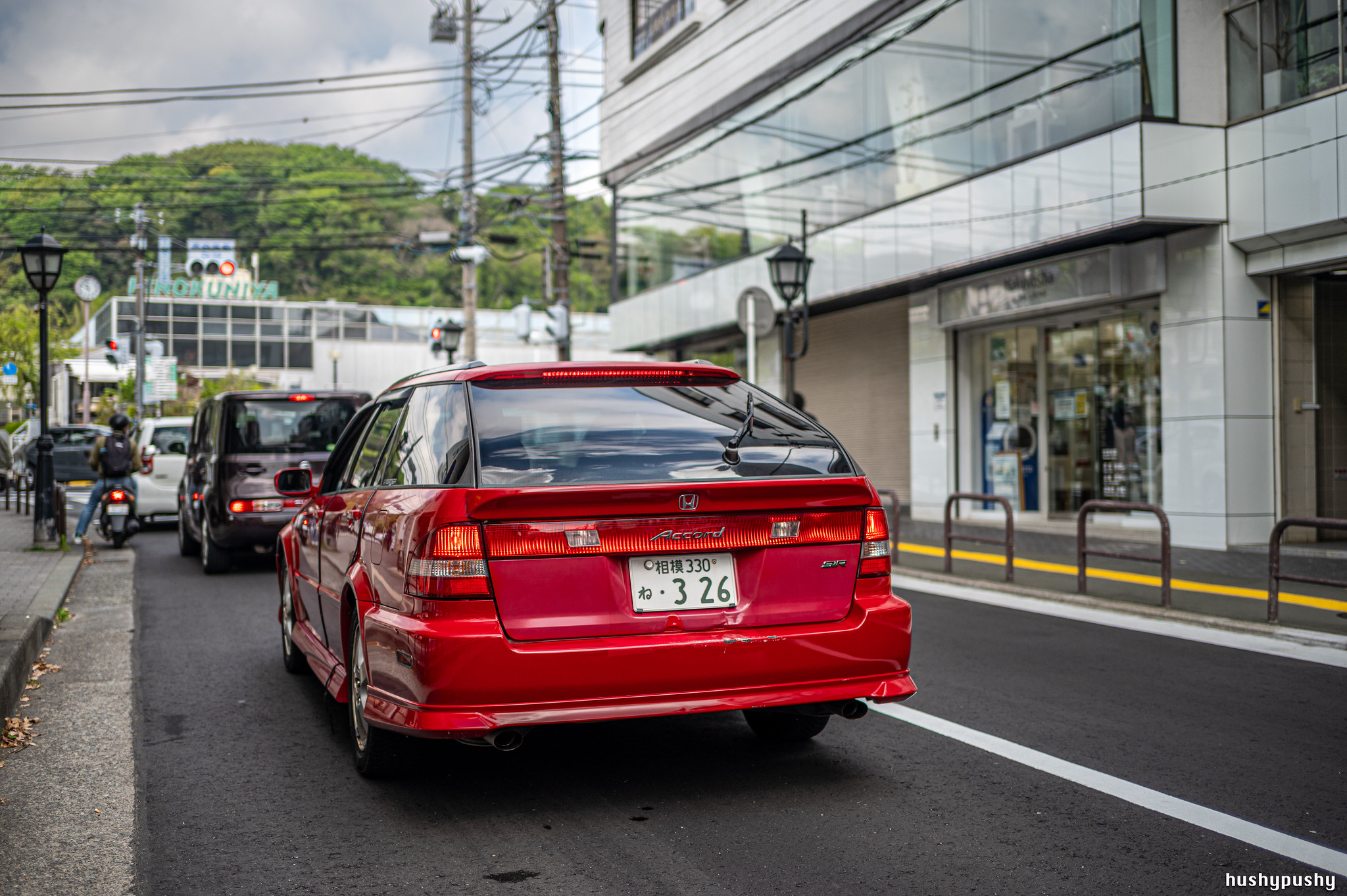
Now that we were out of Tokyo the car spotting could begin in earnest. I was particularly excited to see this Accord SiR wagon; the USA didn’t even get this car at all. For the sixth generation of Accord, Honda released three separate versions: Japan, Europe, and USA all got slightly different cars named “Accord”. The Japanese ones are a little smaller and had the option of an SiR trim that came with a 2.3L H23 that made 200hp. The wagons even had an AWD version!
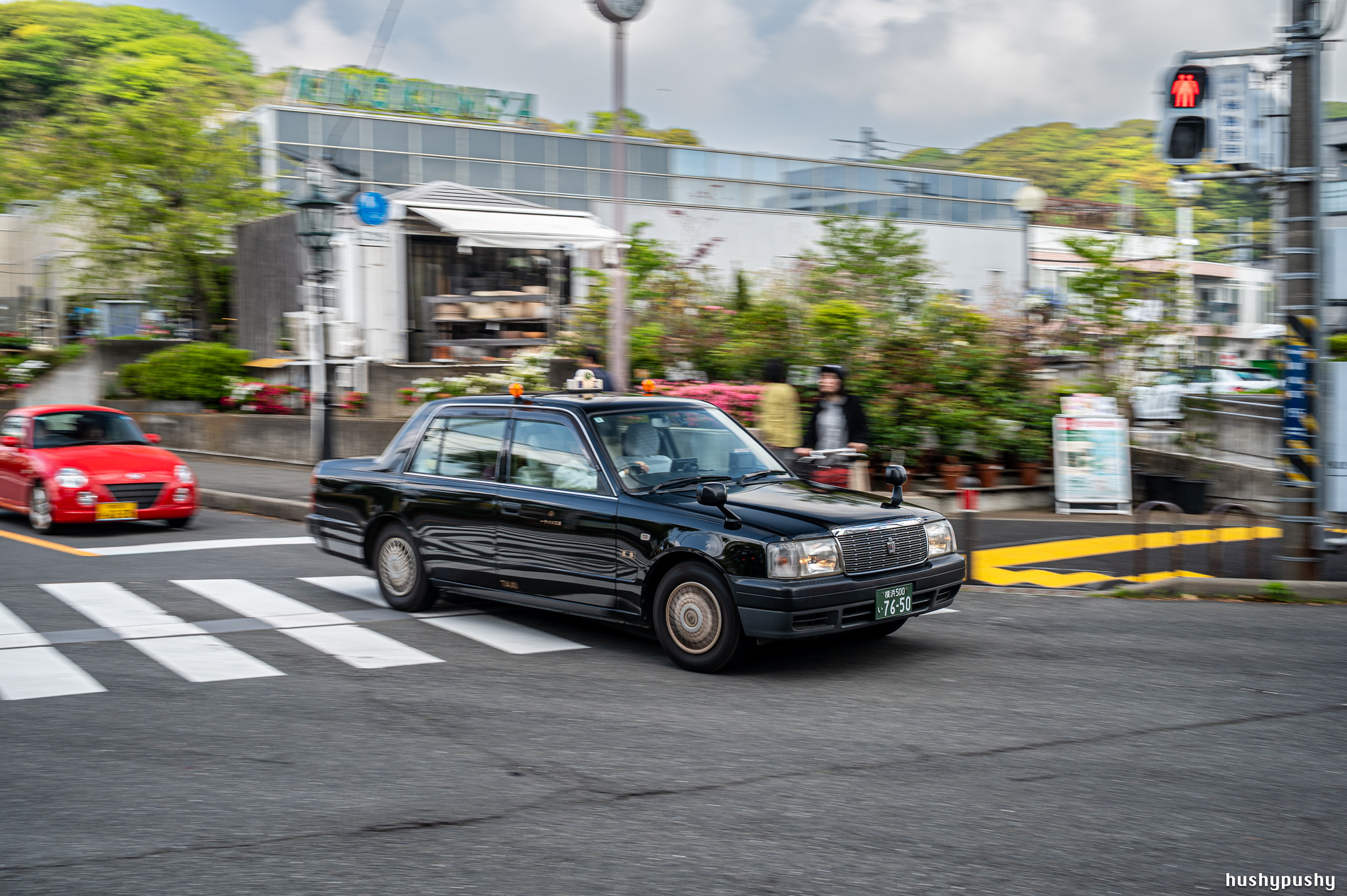
The Toyota JPN Taxi definitely seems to be the taxi of choice in Tokyo, but there are plenty of these old Toyota Comforts around, especially outside of Tokyo.
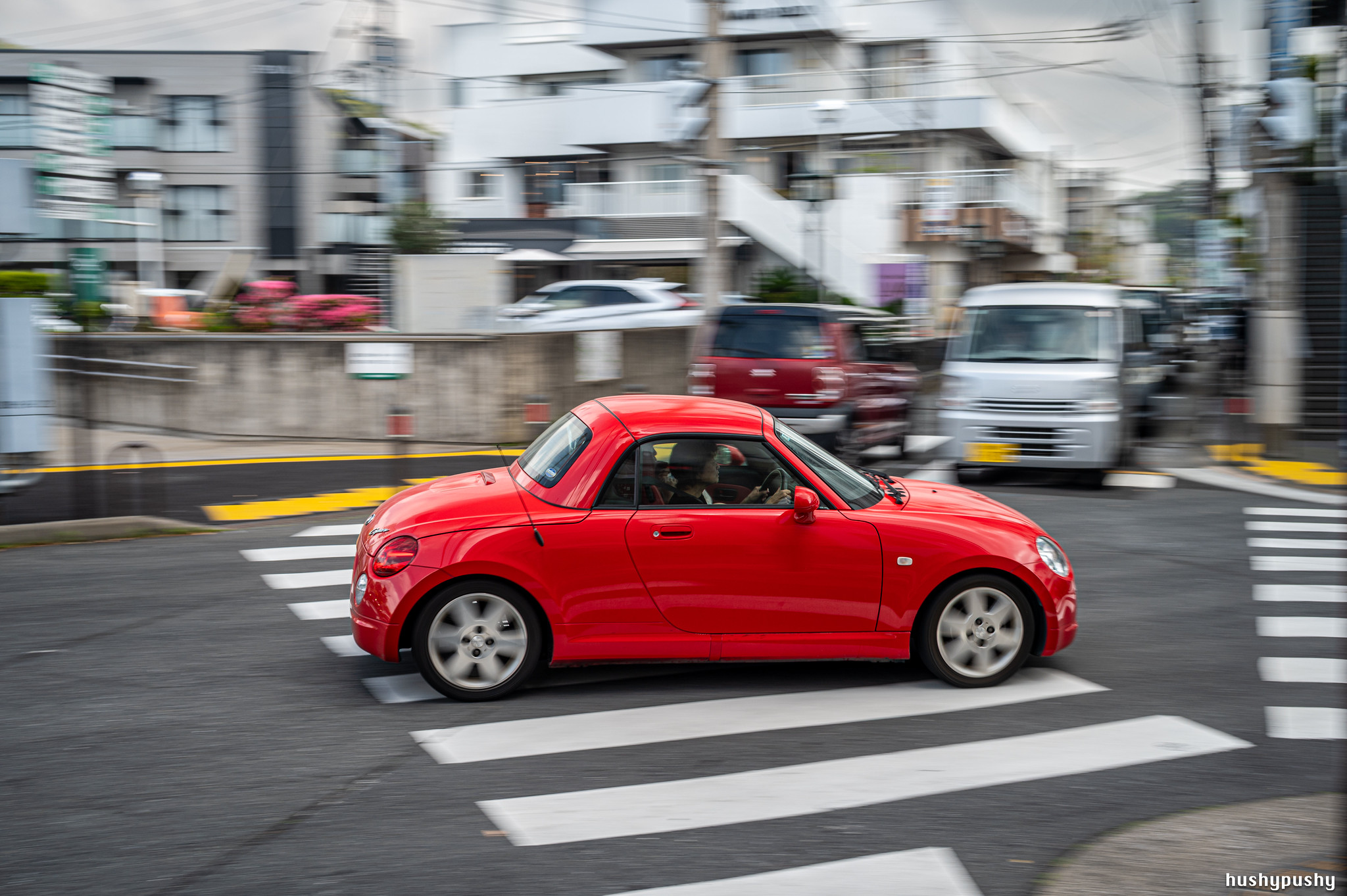
And right behind was this Daihatsu Copen!
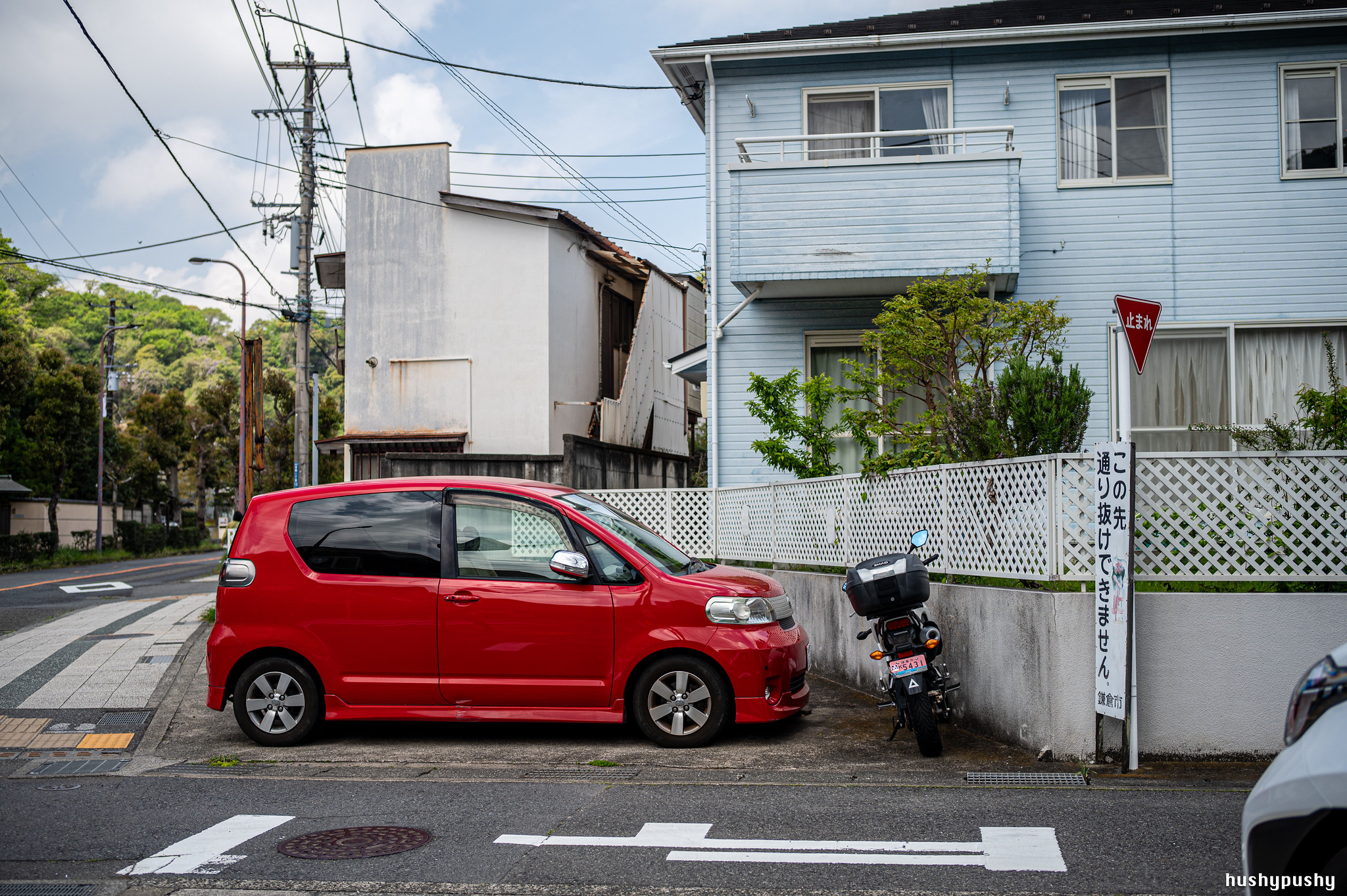
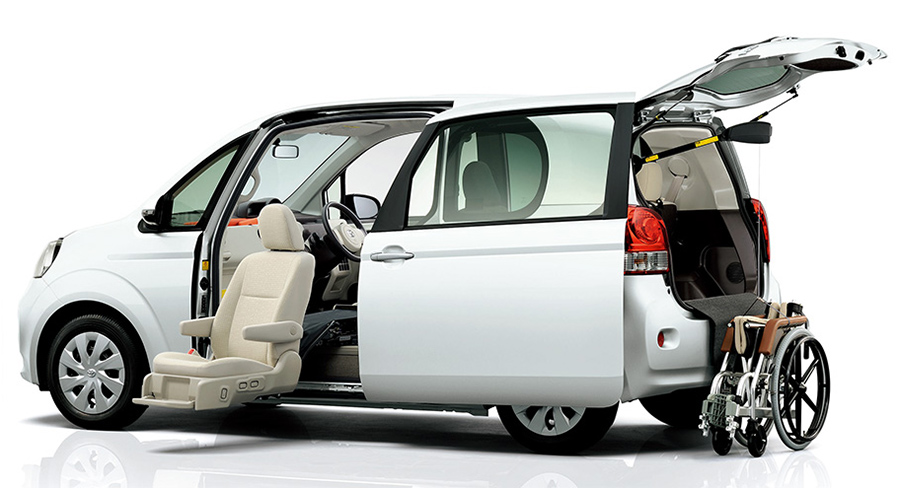
This is a Toyota Porte, a really funky little hatchback. I was more concerned with the overall photo than showing off the coolest feature of this car: while it has one regular door on the driver side, the passenger side has one large sliding door (similar to a Peugeot 1007). Sure, a power sliding door has to be heavier than a standard hinged door, but that makes it phenomenally easier to get in and out of the car in tight areas. There was even a special “Welcab” trim with a motorized passenger seat that rotates and lowers out of the car to help ingress and egress for passengers who have wheelchairs.
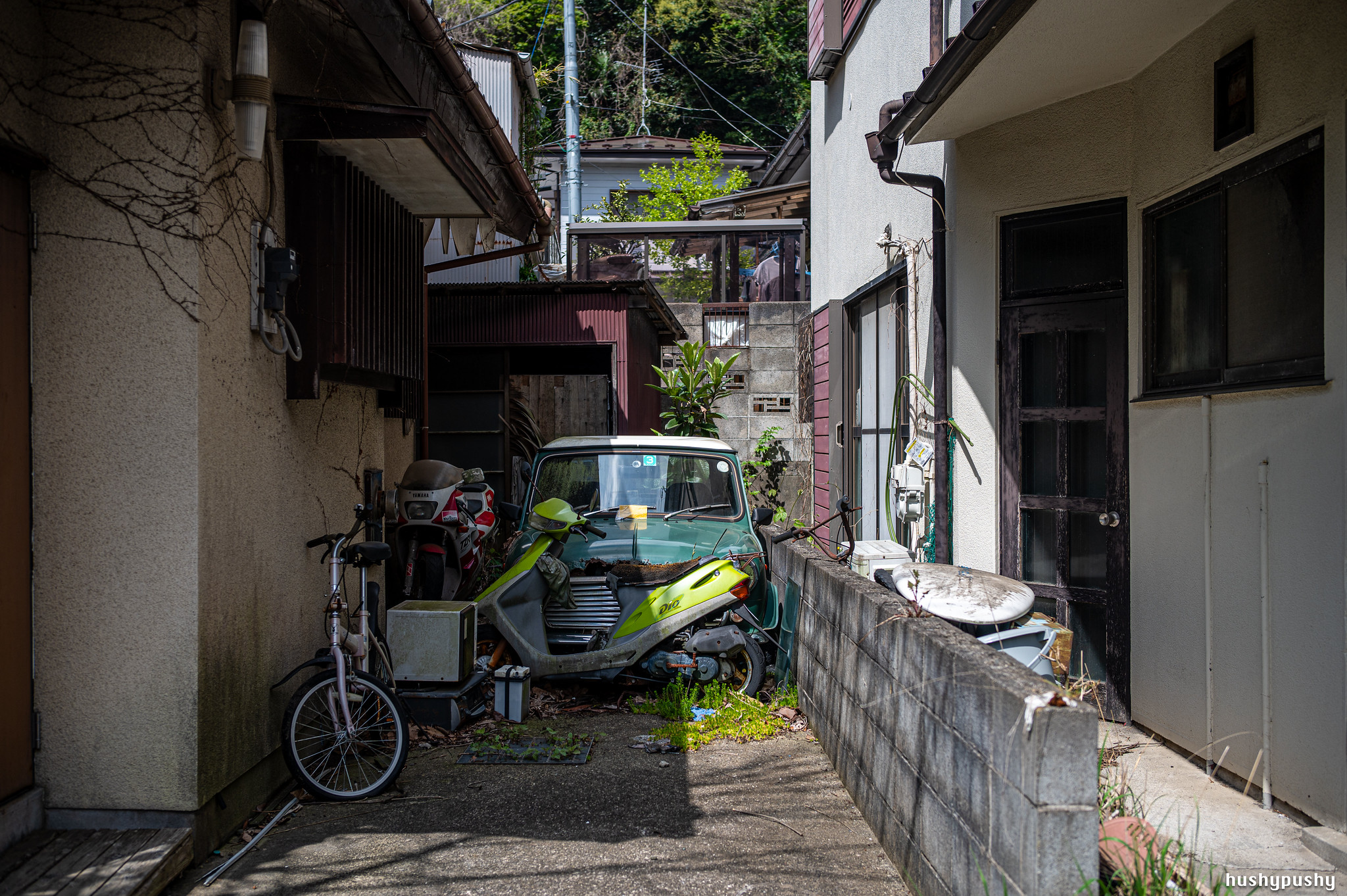
We were on our way up to Sasuke Inari Shrine, and the main road to get there was through a very quiet neighborhood. There were so many interesting things lurking in driveways; check this rusty Mini. Even cooler is the Yamaha TZR250 in the back, a two-stroke parallel-twin “race replica” bike, the street version of the racing TZ250.
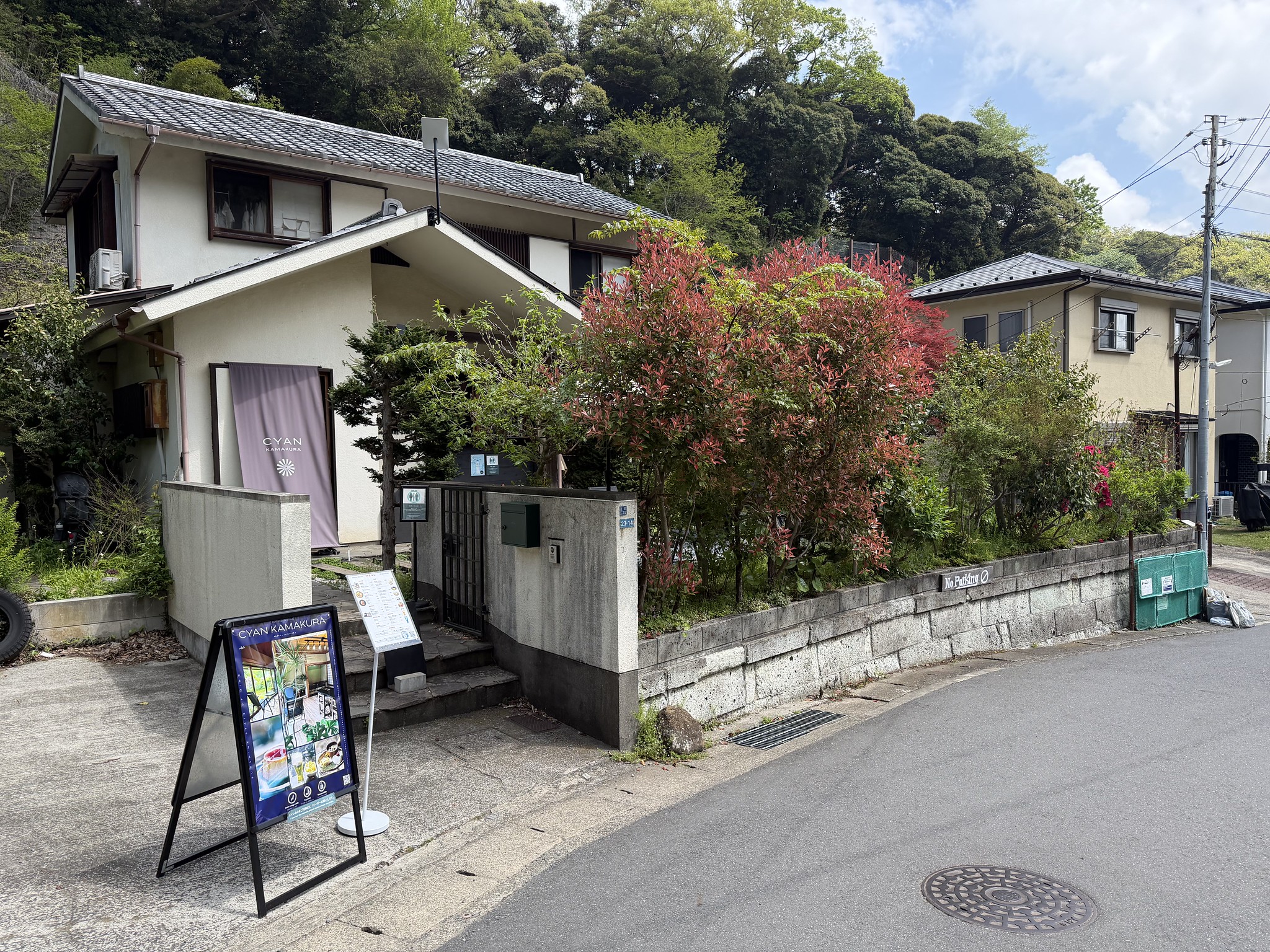
Right at the end of the road before the shrine, there was this cafe in what looked like a house. This was at the end of a tiny road with no parking at all. I suppose this is mainly for people who are walking up to the shrine?
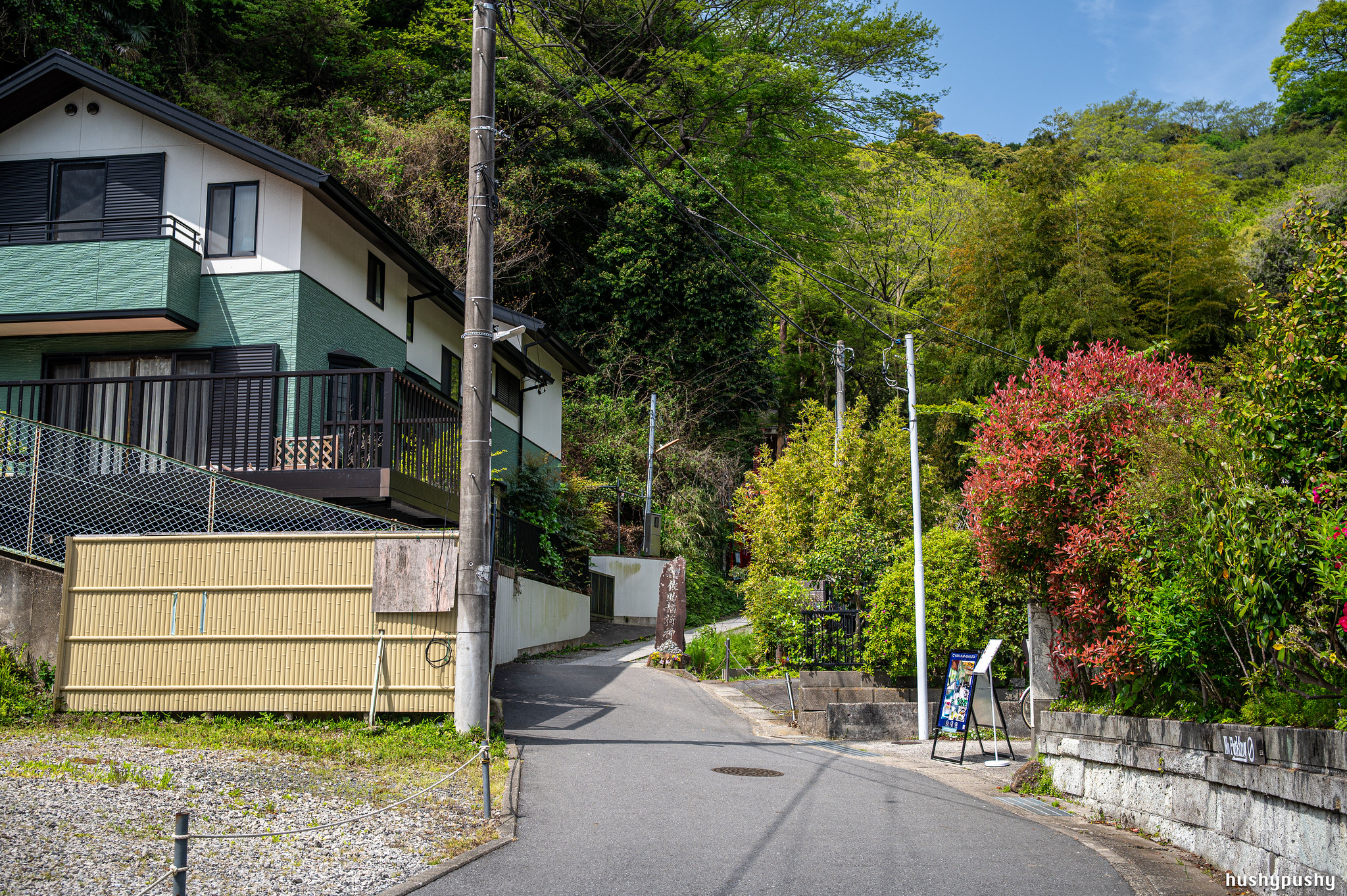
This vantage point is a few steps back down the street, to the right of frame of the photo above. The road stops here, turning into a path goes up to the shrine.
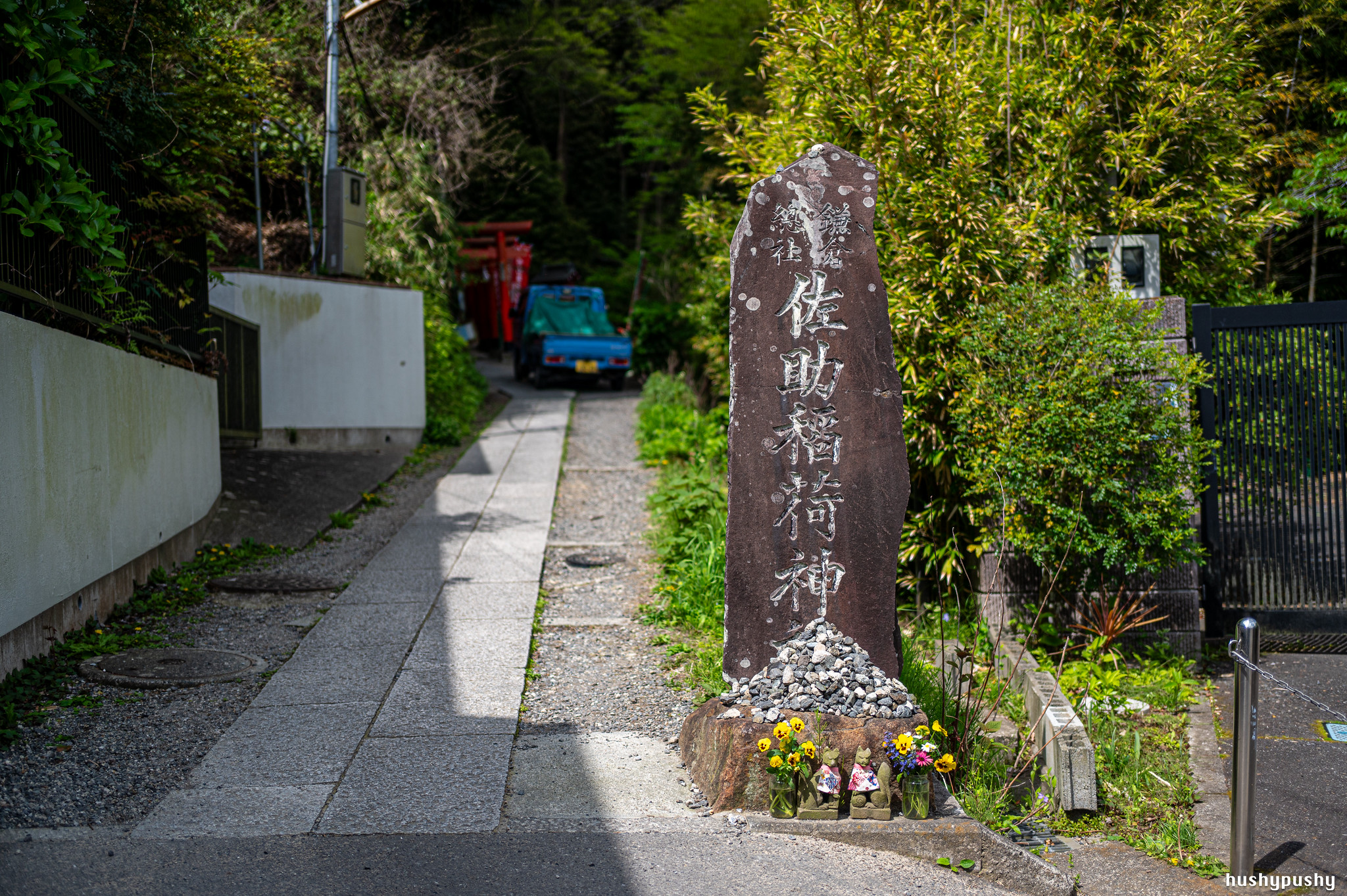
Lovely little entrance with beautiful little details: check out the flowers and inari (fox) statues.
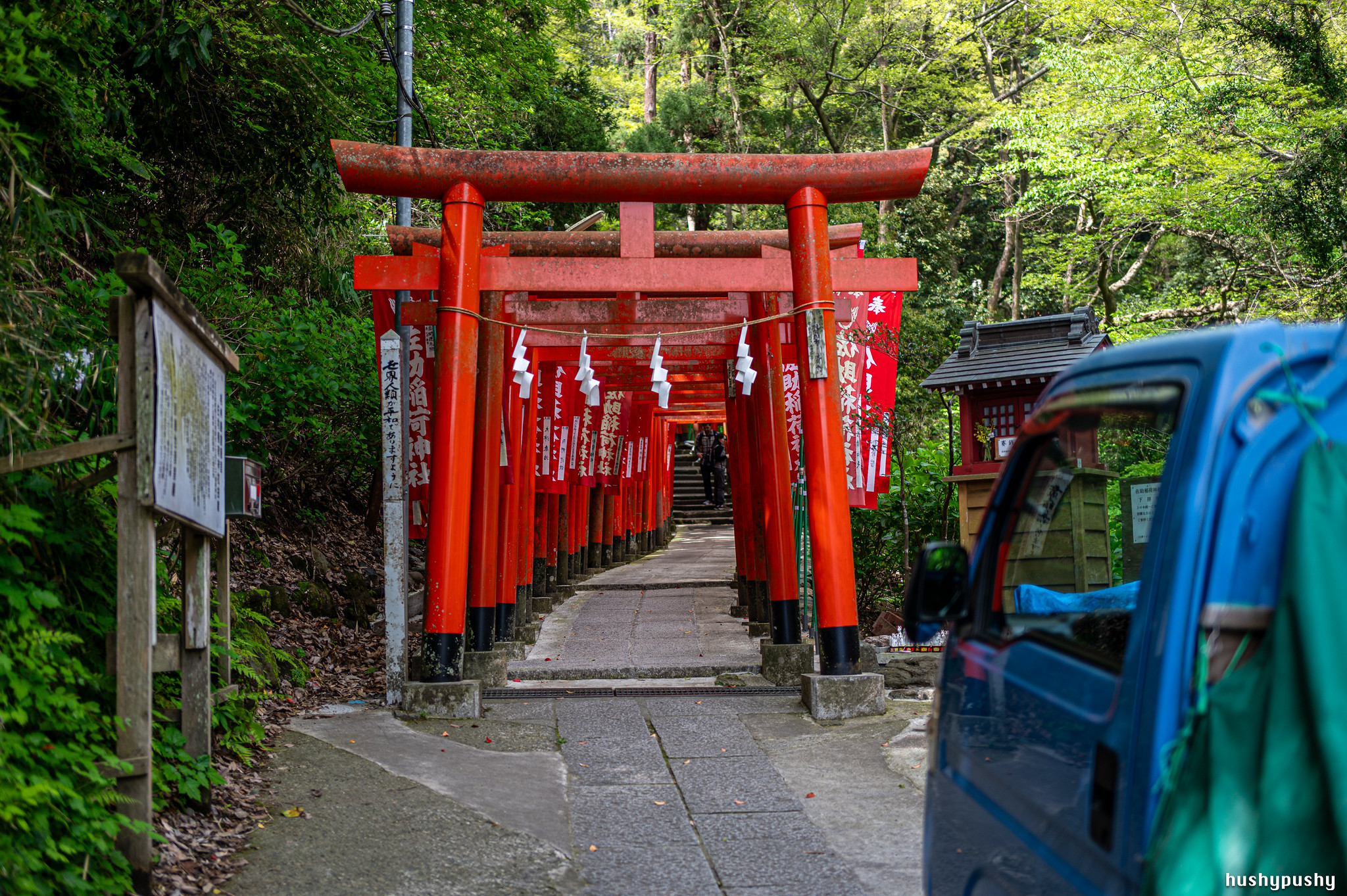
Of course, the entrance was marked with these torii gates; these are found at Shinto shrines, and they mark the transition from the “mundane” to the “sacred”; the kami (gods/spirits) travel through them.
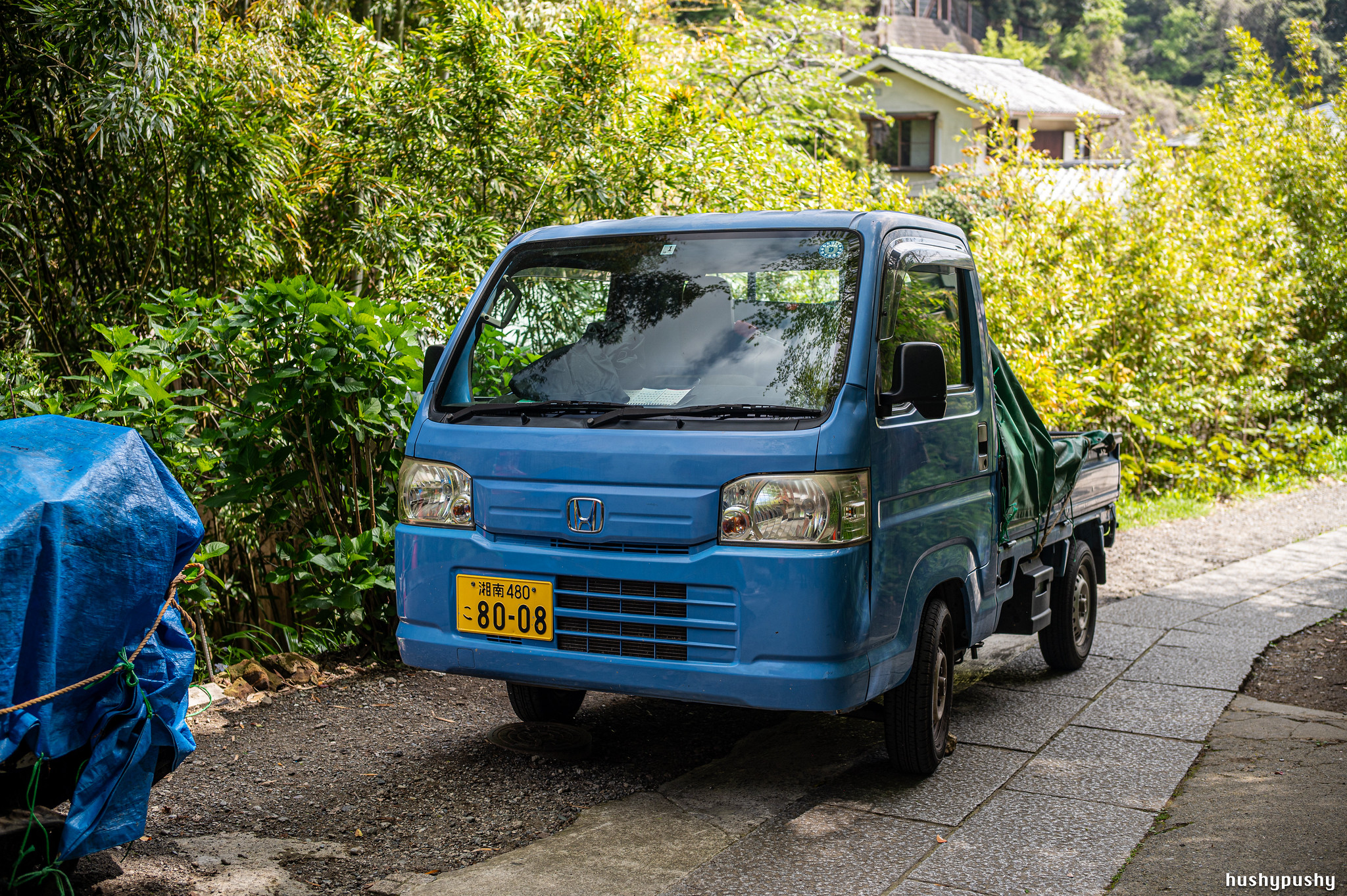
This is a fourth-gen Honda Acty, a kei truck that was produced until 2021. These are mid-engine trucks! They have a 656cc three-cylinder mounted under the bed. These little guys are the workhorses of Japan; you find kei trucks everywhere.
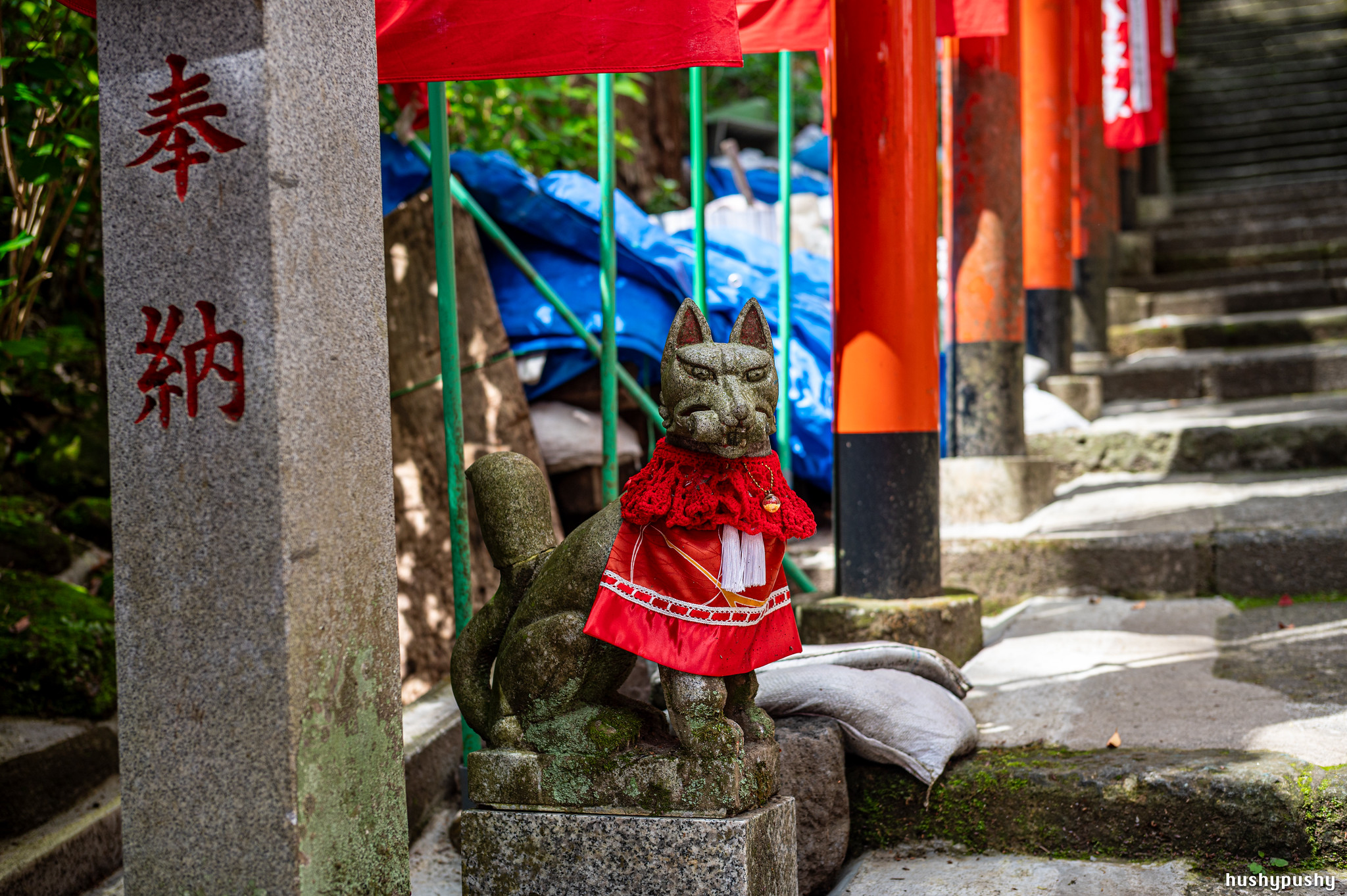
I always love looking at details, and Japanese culture is full of details like this.
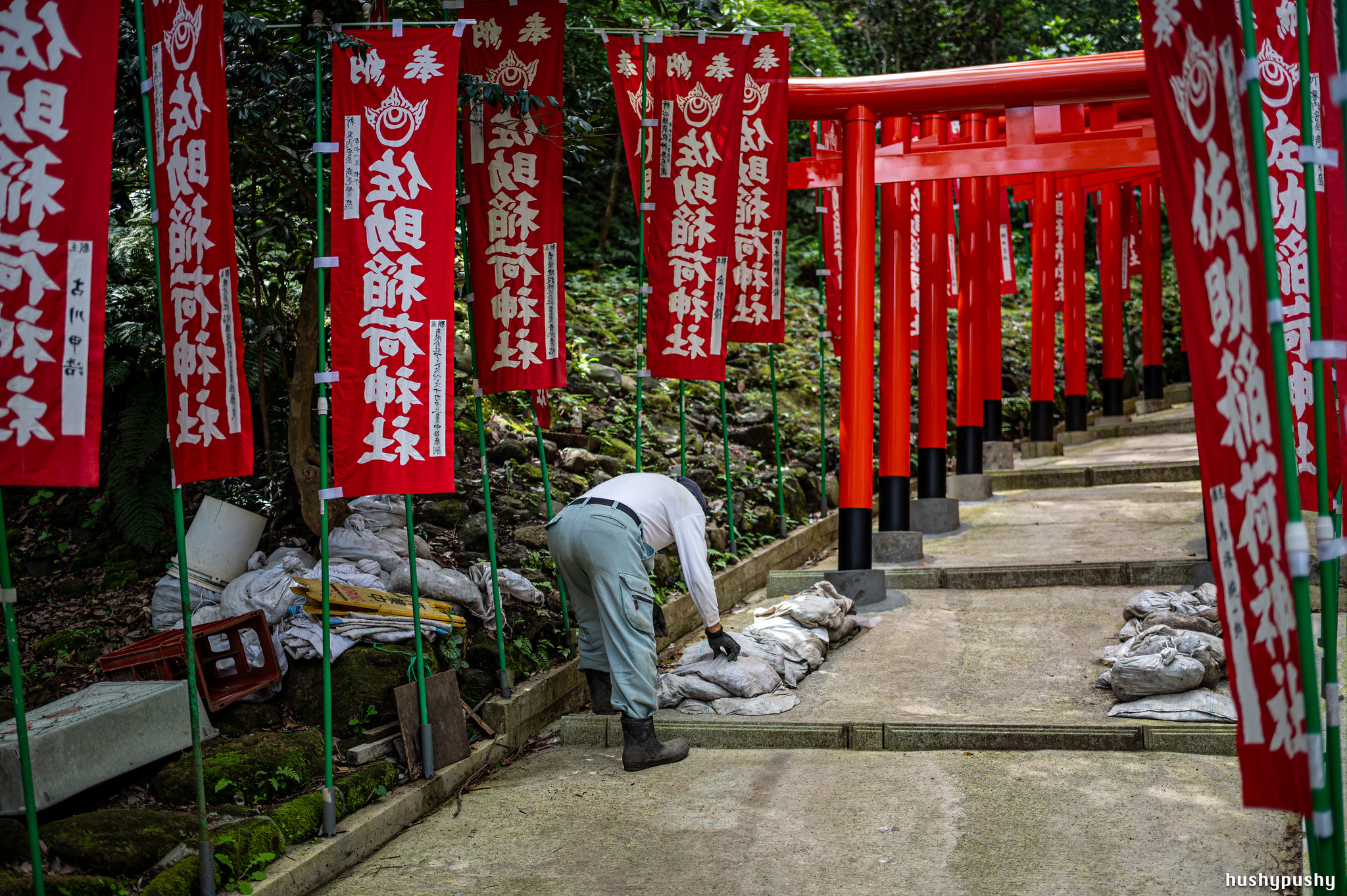
I’ve always been fascinated by people at work. I’m not talking about someone sitting at a desk in an office, but folks you see while you’re out in the world, instead of back at your desk in an office.
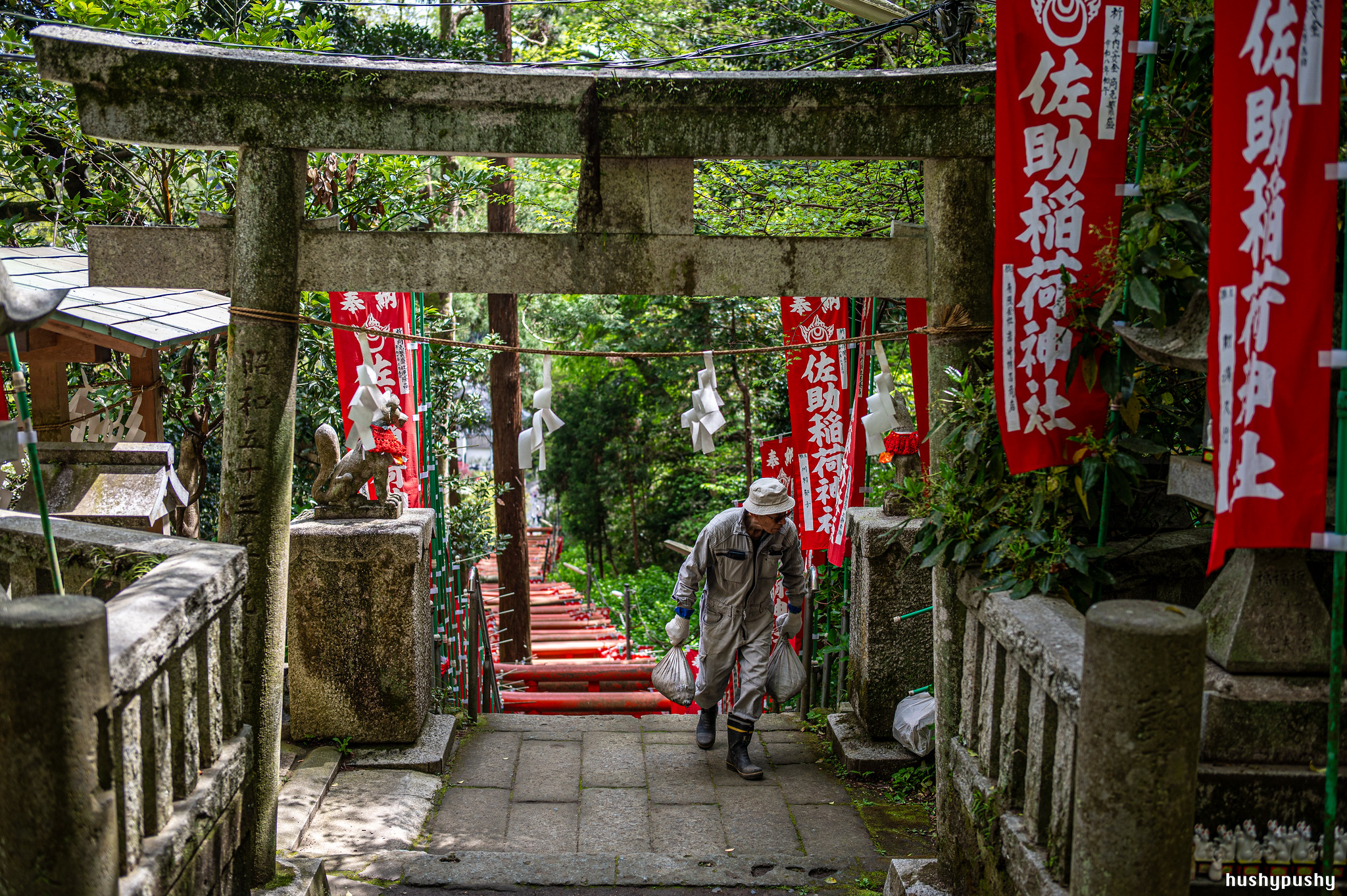
The longevity and vitality of Japanese people is incredible. This guy is hand-carrying loads up and down stairs at an age where most Americans can barely get off the couch to walk around.
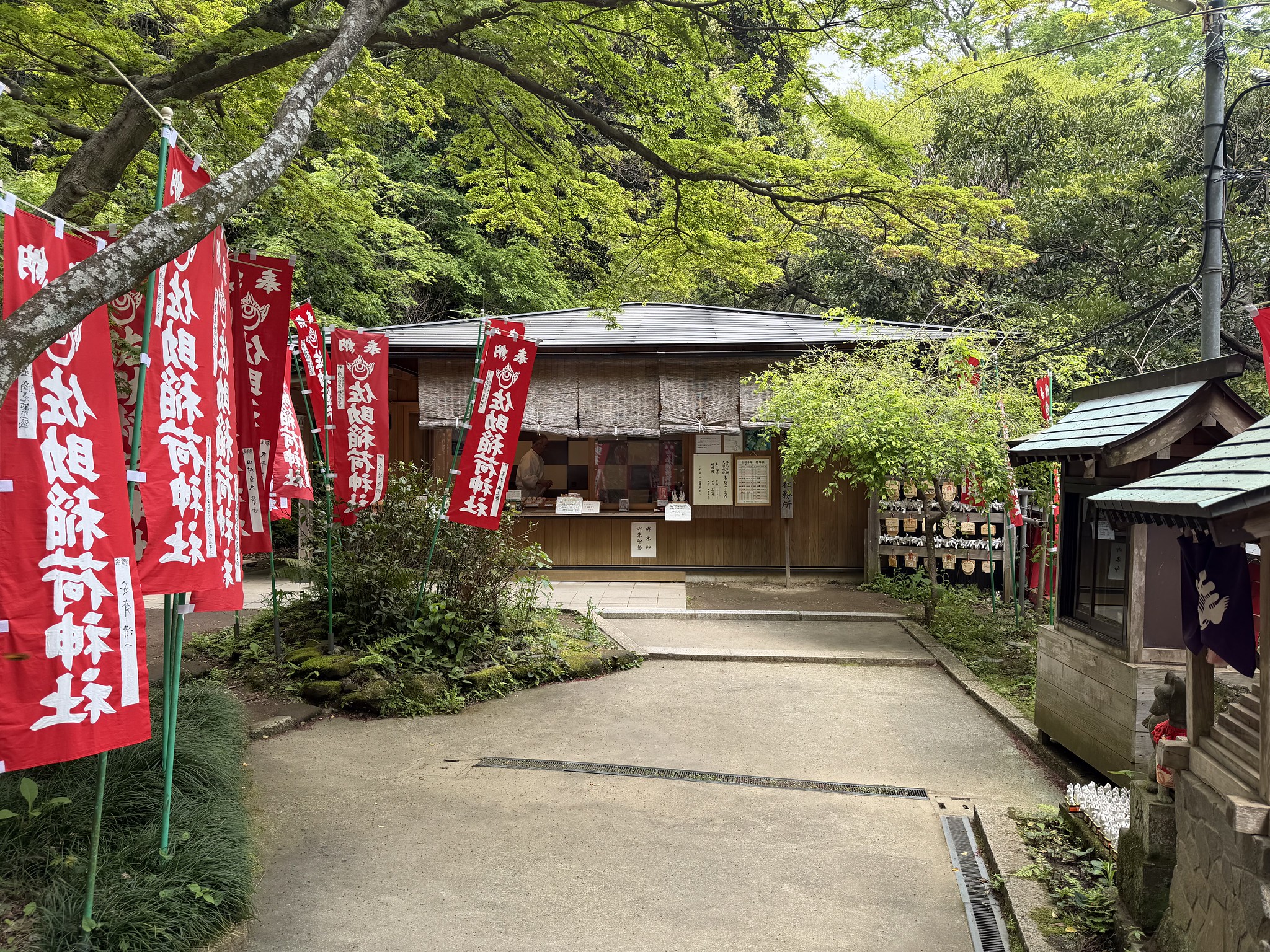
Over at this spot, you could buy a little inari to place around the shrine.
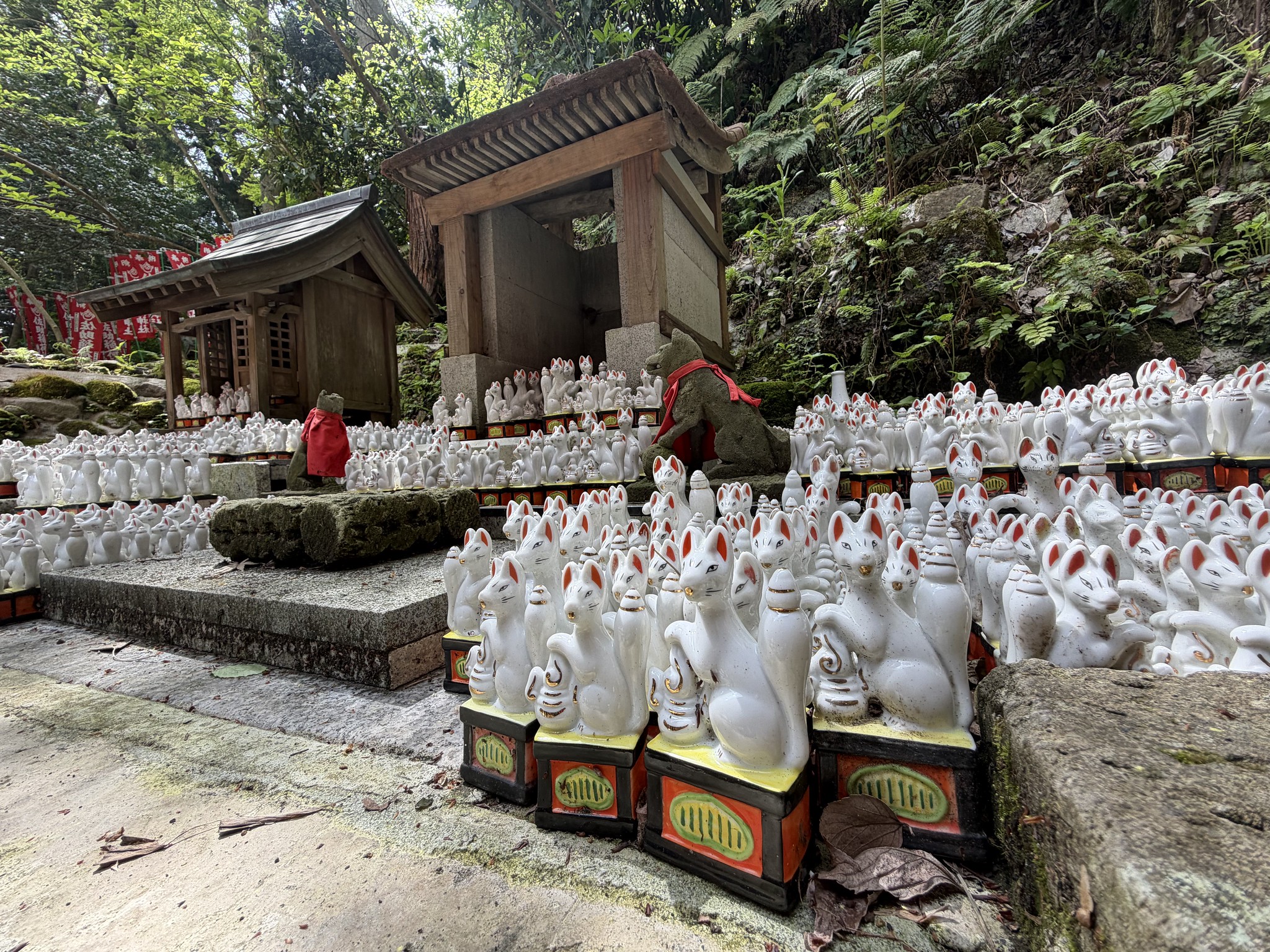
And there were hundreds or maybe even thousands of them!
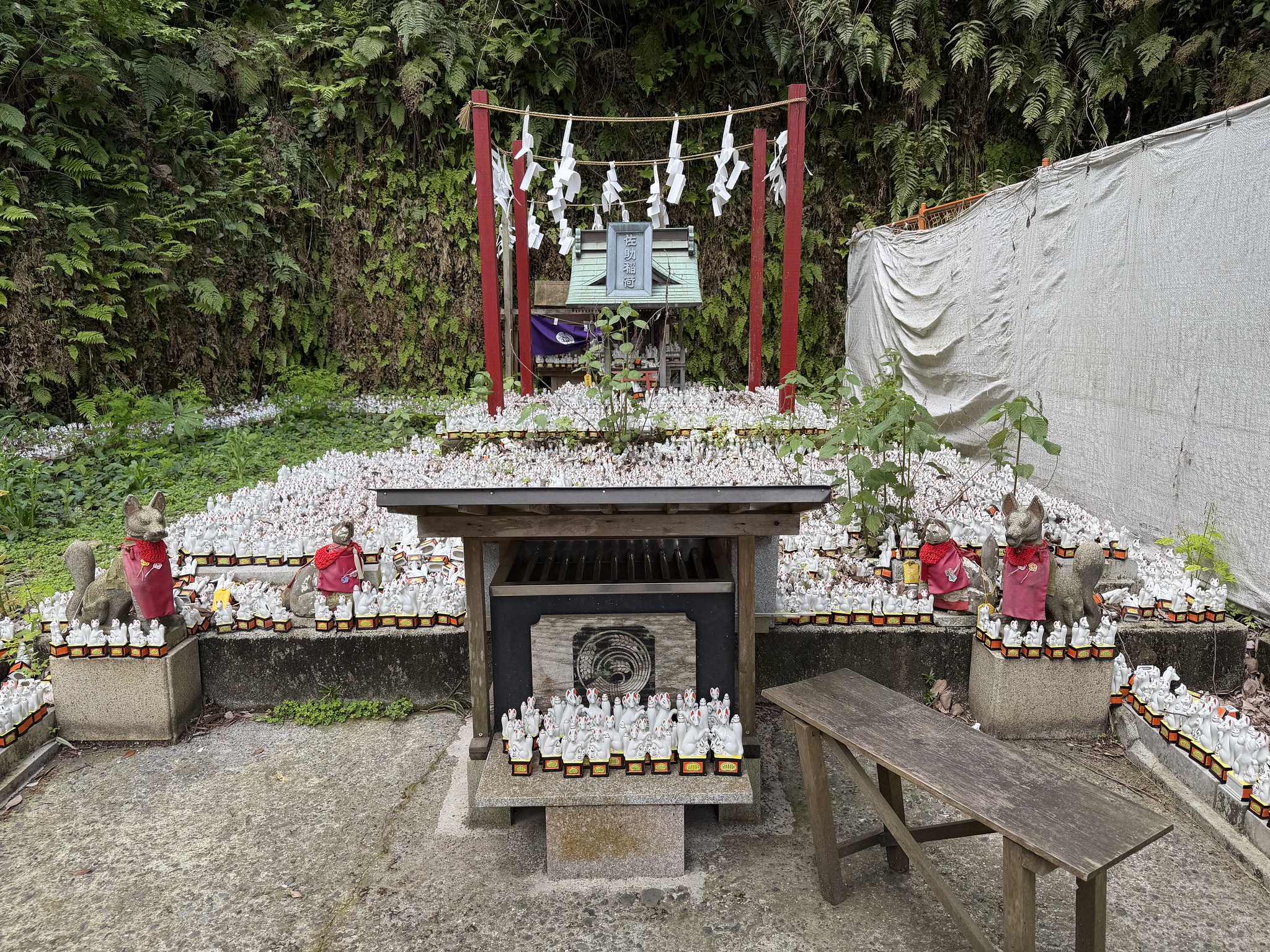
There were so many layers to this shrine, which was nestled into the hills. This was probably the warmest day we were there, and this town near the ocean was definitely more humid than Tokyo. When I stopped to admire this scene, I realized I was getting pretty sweaty. Luckily, Japan has more vending machines than people, so I always had a Pocari Sweat by my side to replenish fluids.
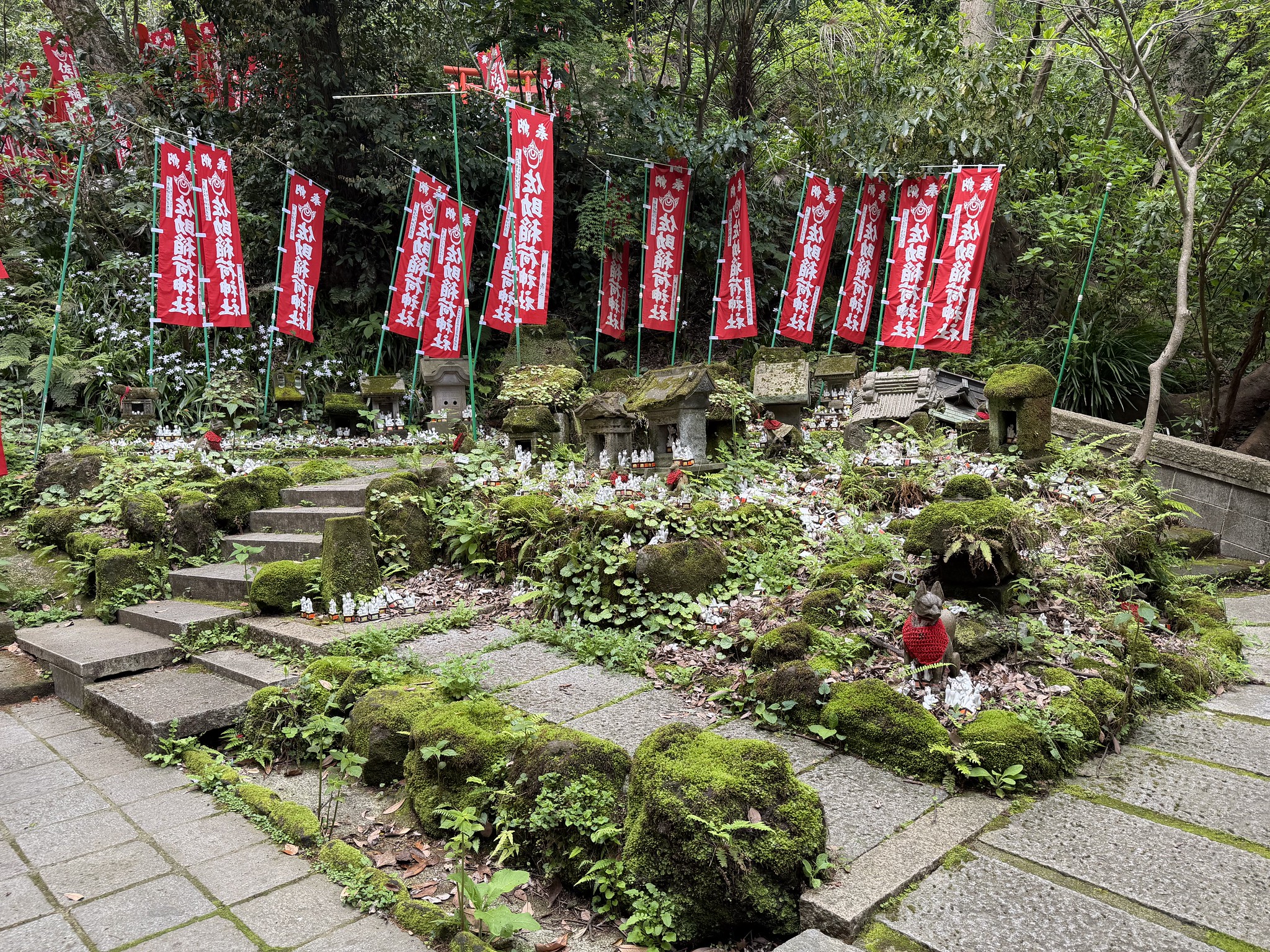
I really enjoyed this shrine. It felt like it coexisted with the landscape as it wove its way around the hillside. This whole area was very peaceful, with very few other people up there besides us.
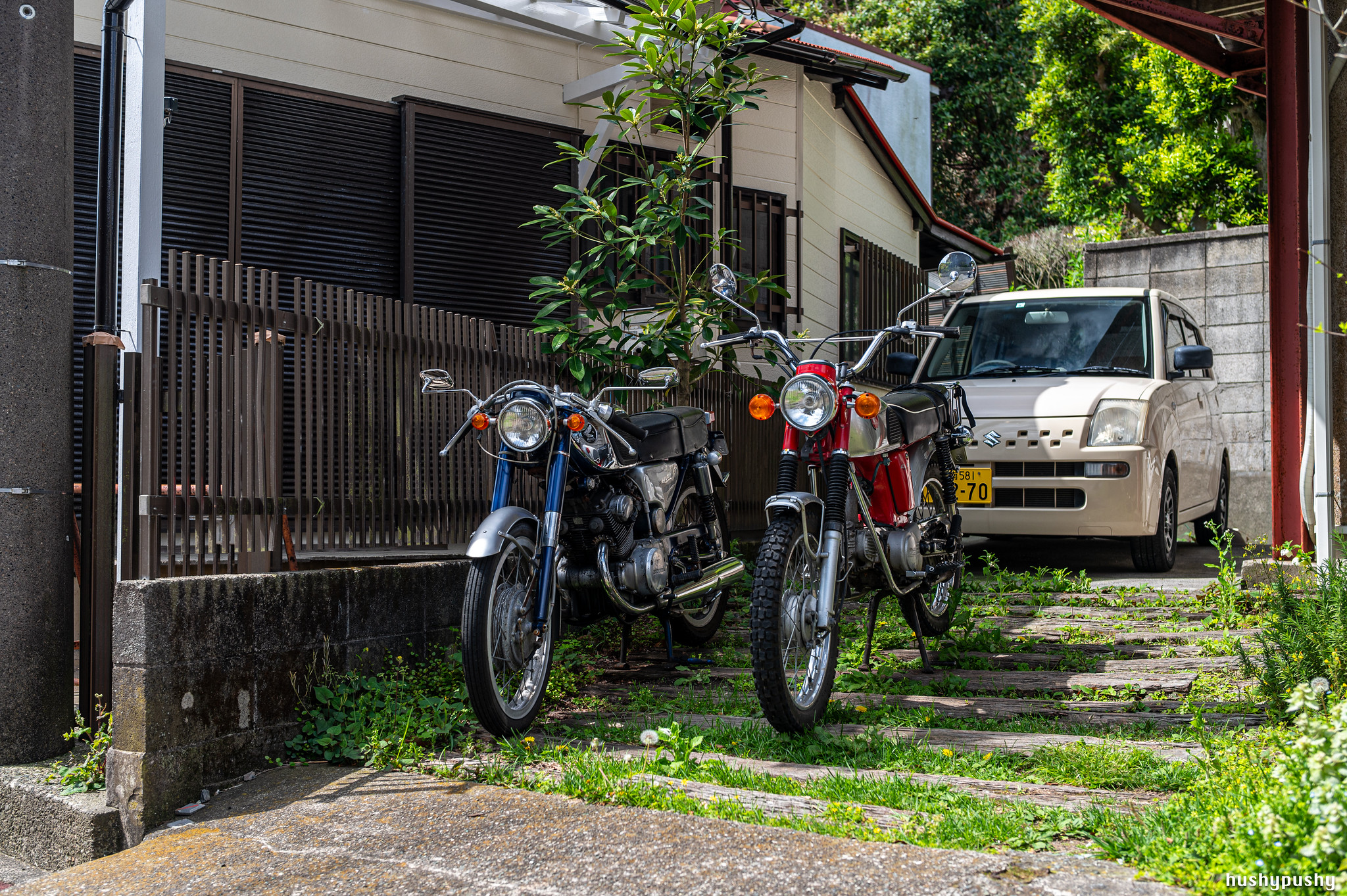
Then we cruised back down the hill through the neighborhood we came from. These two rad little Hondas were parked next to a small shop that had just opened.
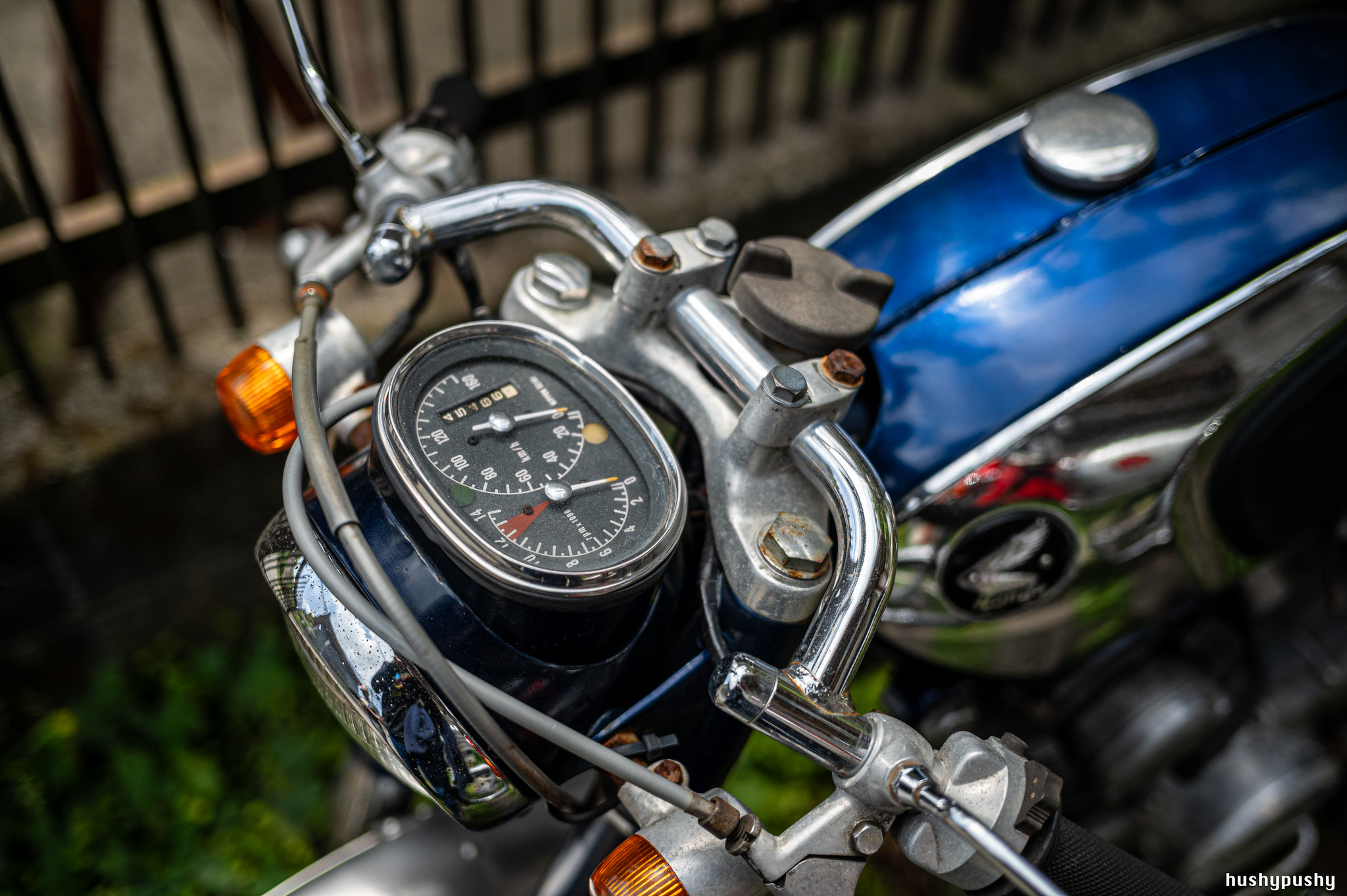
The red one is a CL50 Benly, a fun little 49cc scrambler. I’m not quite sure what this modified blue one is; it looks like a CB72 or CB77 (Super Hawk), but I was intrigued by this insane 11,500 RPM redline. The standard versions had a 9000 RPM redline (still amazing for the mid 60’s!) so this one must have had something special going on.
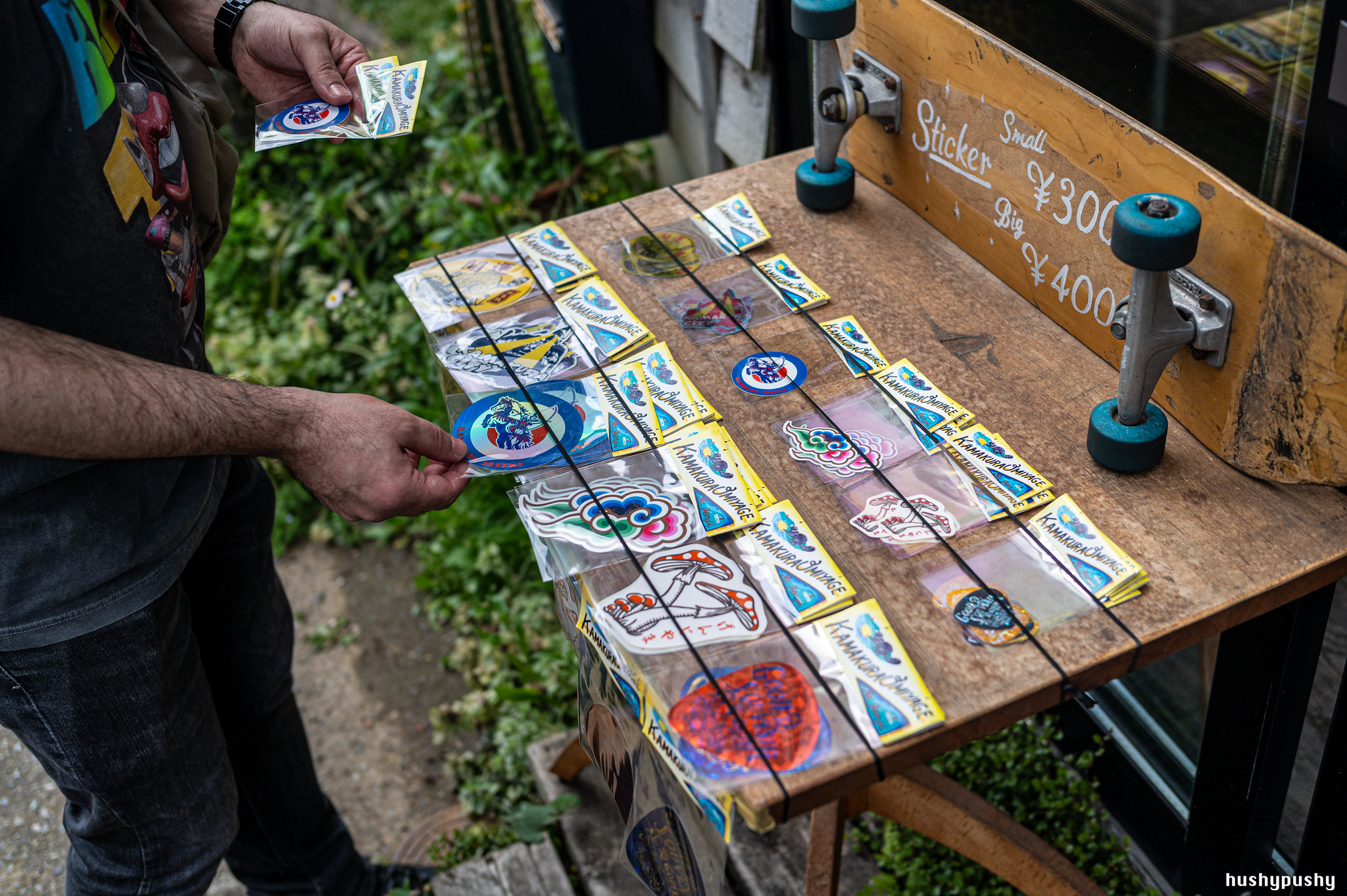
This was a really cute cafe with some merch, including these really cool stickers. I was very conservative with my purchases in general, and I only bought 1000 yen of stickers at this shop. Looking now I wish I bought a lot more, and I wish I talked to the guy about those motorcycles. I was still feeling a bit shy at this point though.
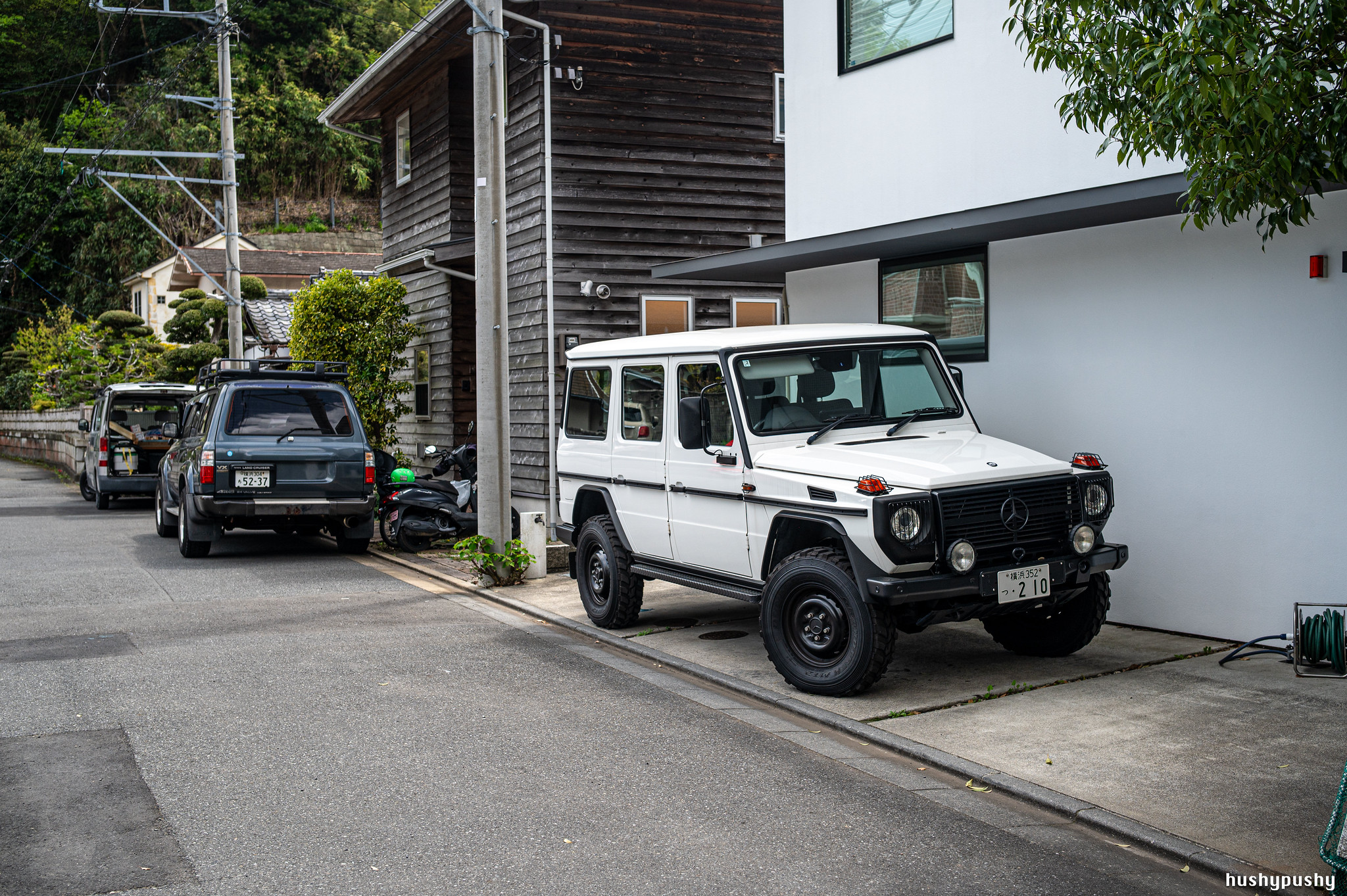
There were a lot of Mercedes G-wagens in Tokyo, but they were all luxury spec mall crawlers. This one with simple white paint and narrow steelies with knobby tires was just perfect.
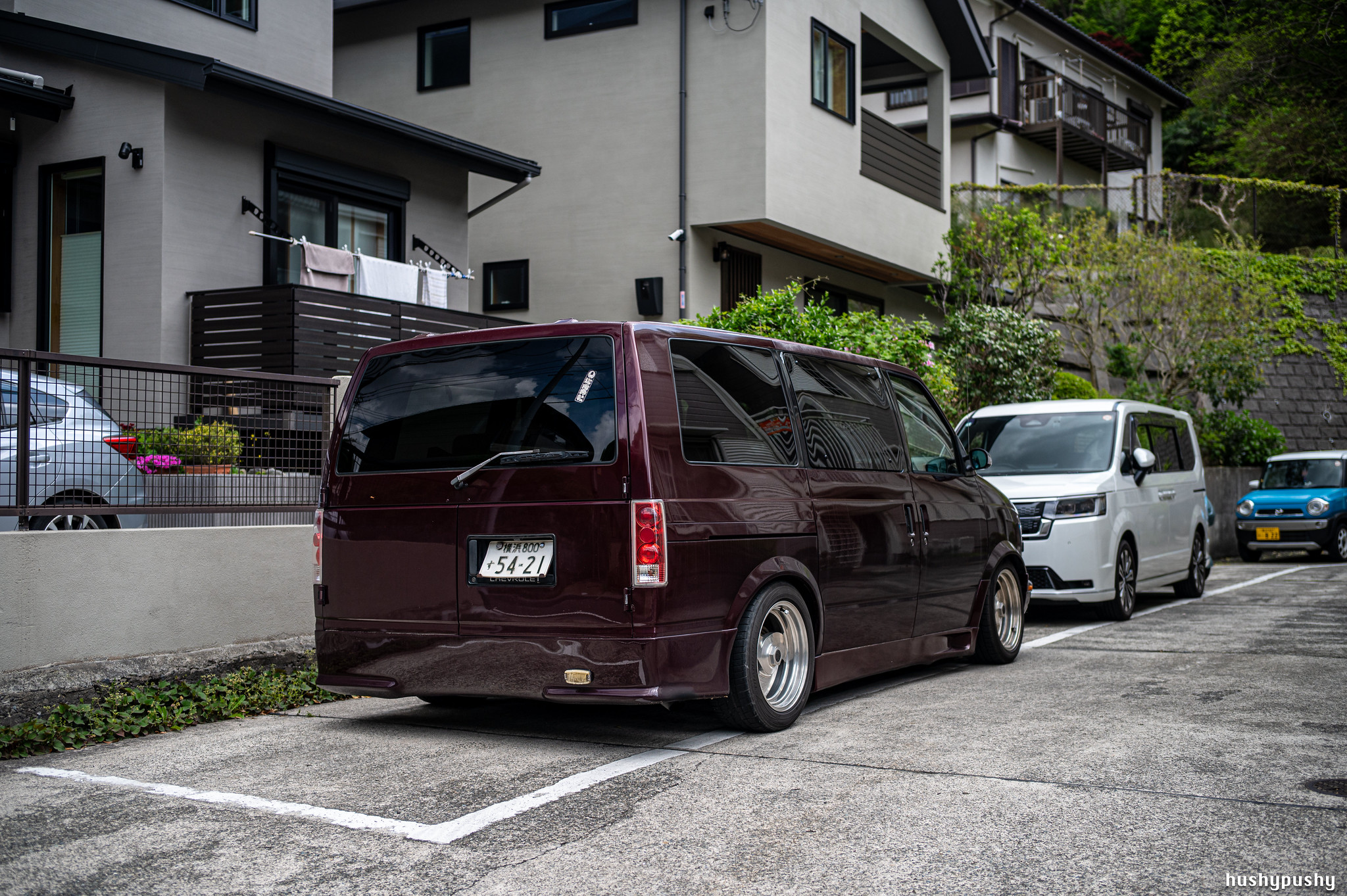
There was so much vehicular variety in this neighborhood, which also reminded me of Santa Cruz.
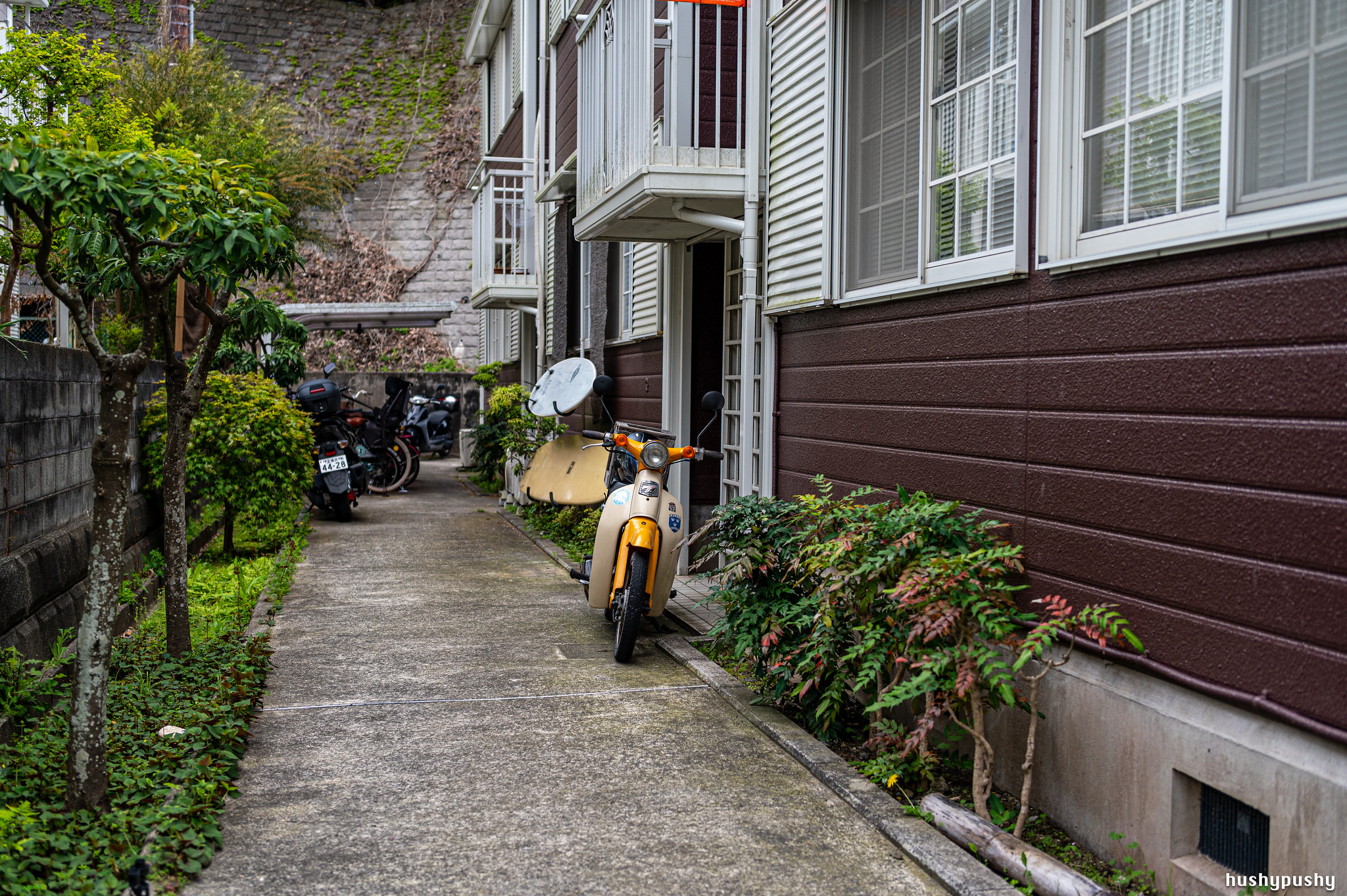
Sometimes it was just scooters and surfboards! Down at the beach later on, I saw a guy riding a scooter with his surfboard on a rack.
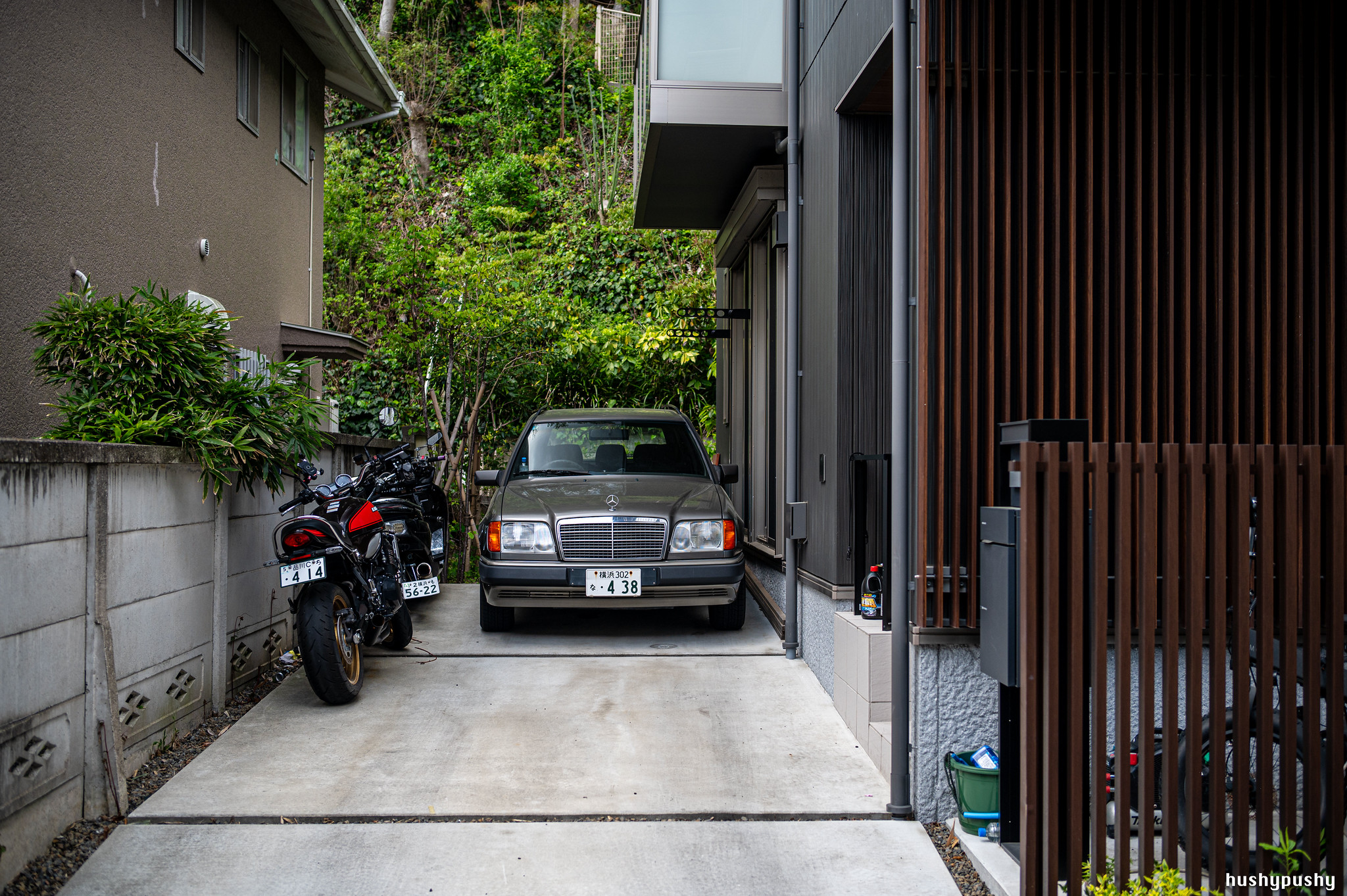
Although a few of the houses were a bit derelict, the majority were beautifully designed and immaculately presented. You can sense how these residents love their area, their houses, and their vehicles.
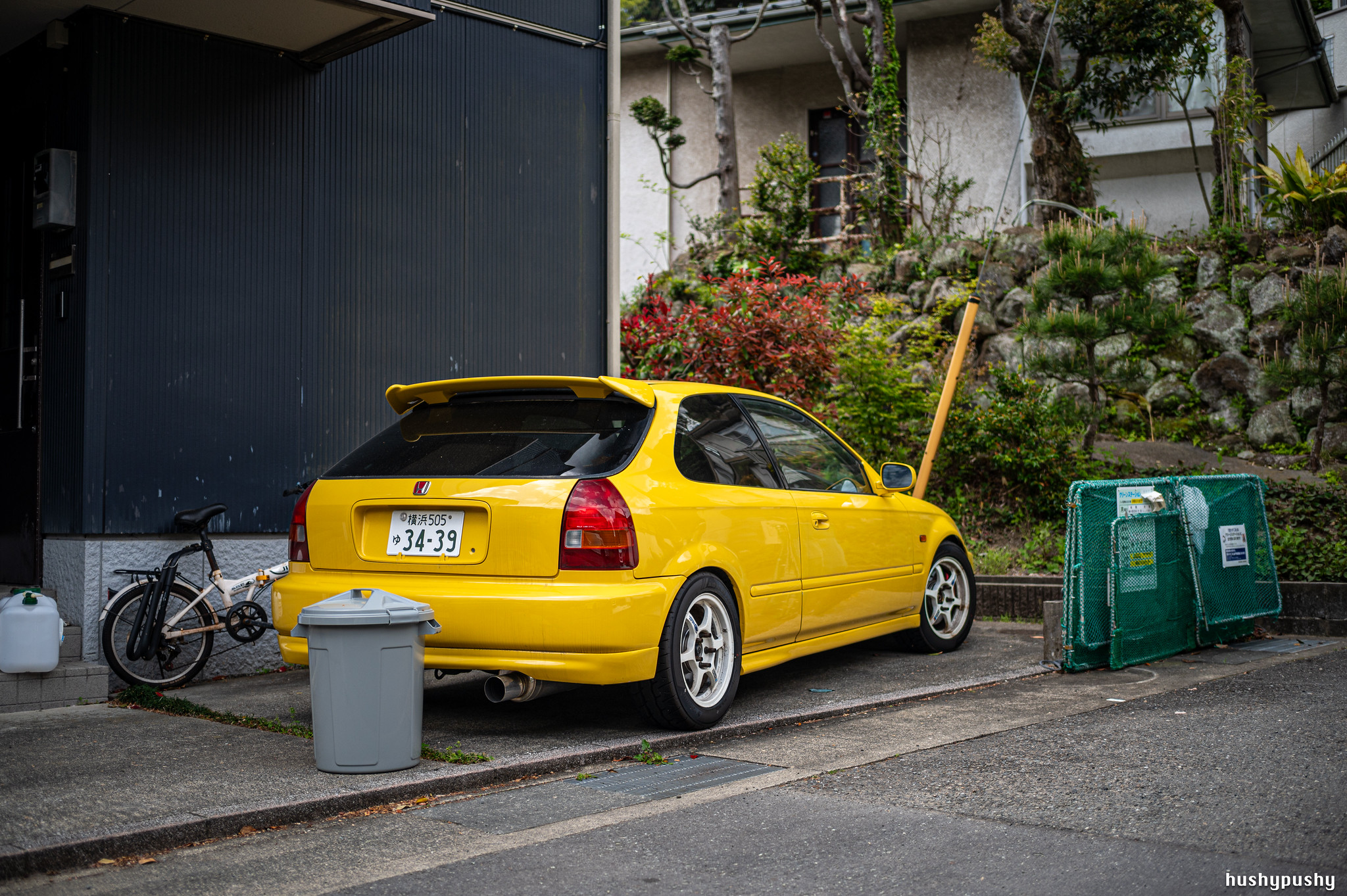
I practically sprinted over to this car. In 2005 I got a 2000 Civic Si because it was the closest thing we got to the EK9 Civic Type R, which has always been legitimate dream car for me–just like every other 40 year old dude in the world right now apparently, which has sent prices skyrocketing.
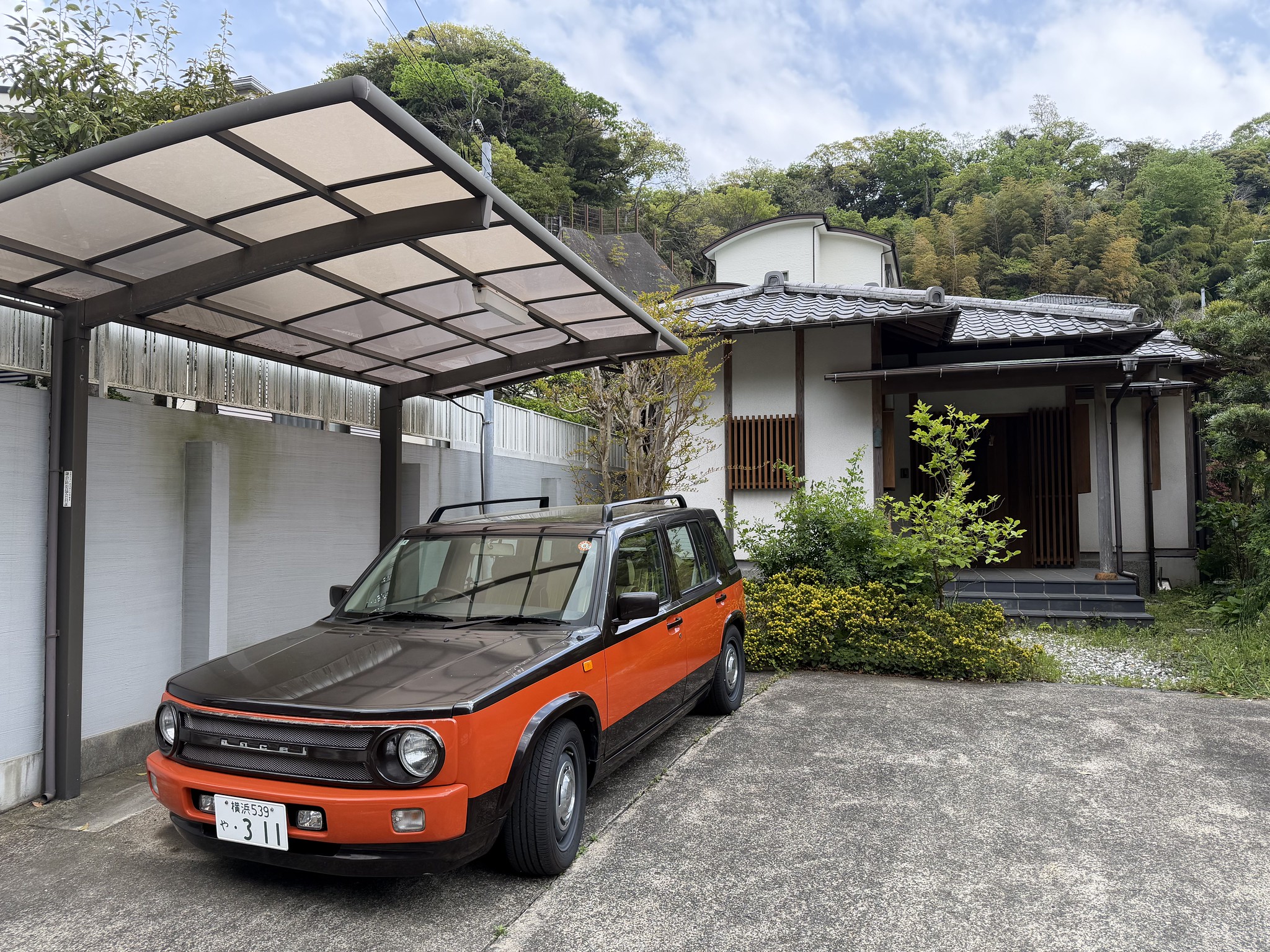
Here’s a trippy car. This is a Nissan Rasheen (already an obscure car outside of Japan) with a DAMD “Ancel” body kit–another retro conversion! I wonder if the owner knows they are modestly internet famous: if you search for “Nissan Rasheen Ancel”, there is a Reddit thread where several different people posted their photo of it. I suppose that’s what can happen when you live on a road leading to the train station.
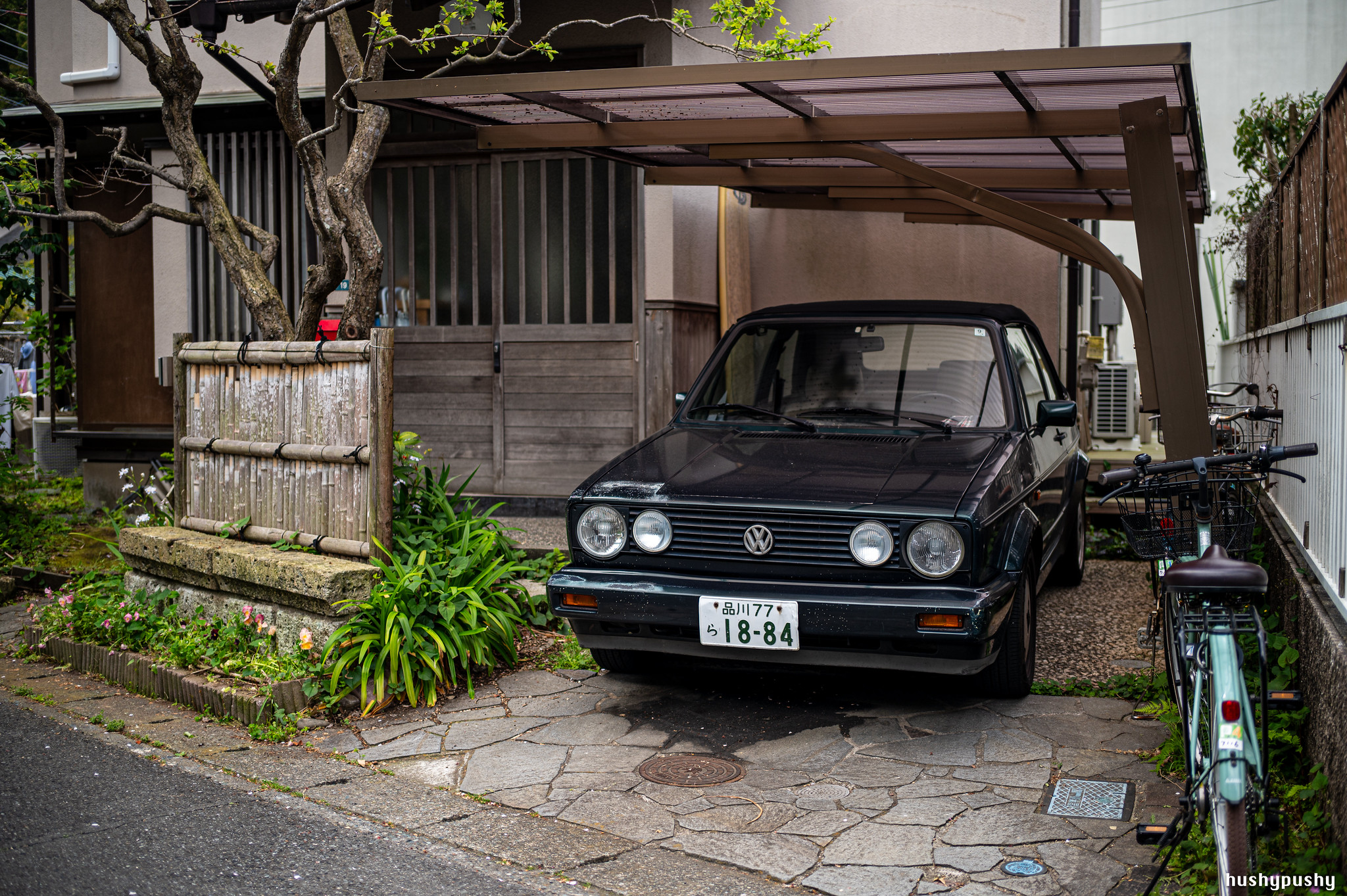
Another great Radwood-era car, this Golf Cabriolet. Like many European imports in Japan, this car was left hand drive.
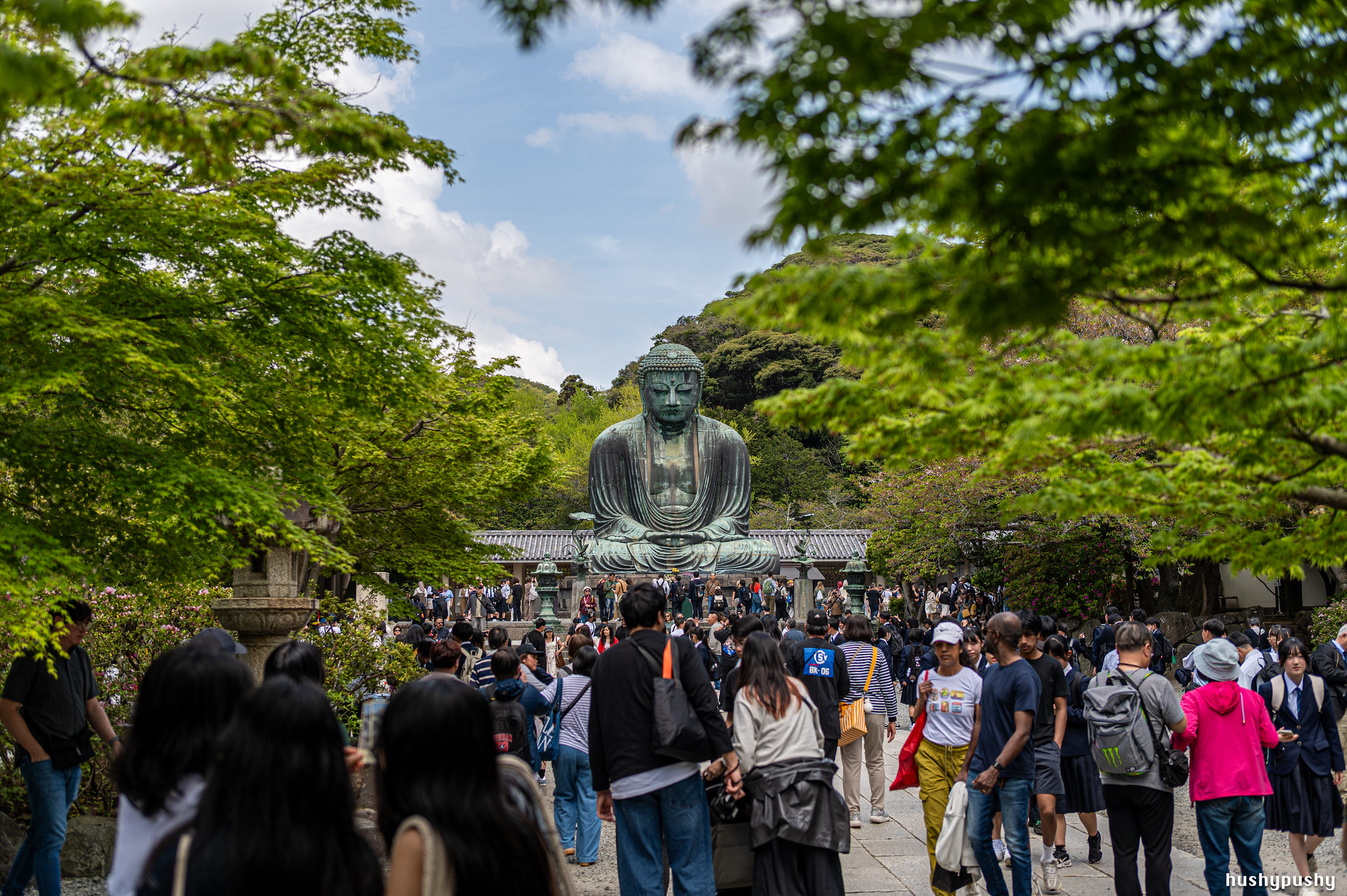
Up to this point, Kamakura seemed like a pretty sleepy town; it was a Tuesday morning, after all. But as soon as we got close to our next destination I realized that was not the case at all. This temple, Kotoku-in, is one of the most famous places in Japan because it houses the Kamakura Daibutsu, or Great Buddha of Kamakura.
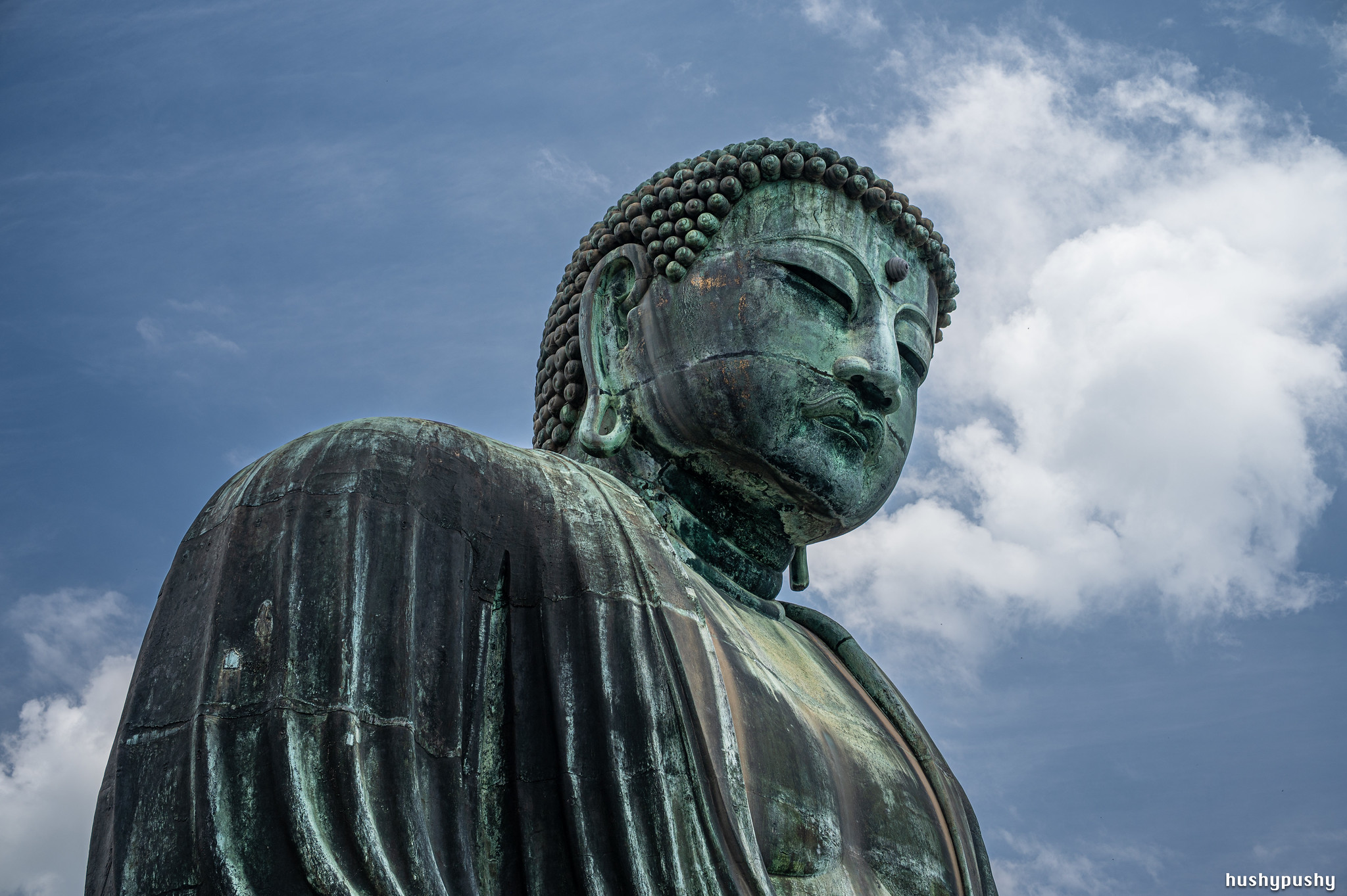
It’s no surprise why this place is so crowded; this huge bronze Buddha is extremely impressive. It was built in 1252, during the Kamakura Period (1185-1333), when Kamakura was the capital of Japan.
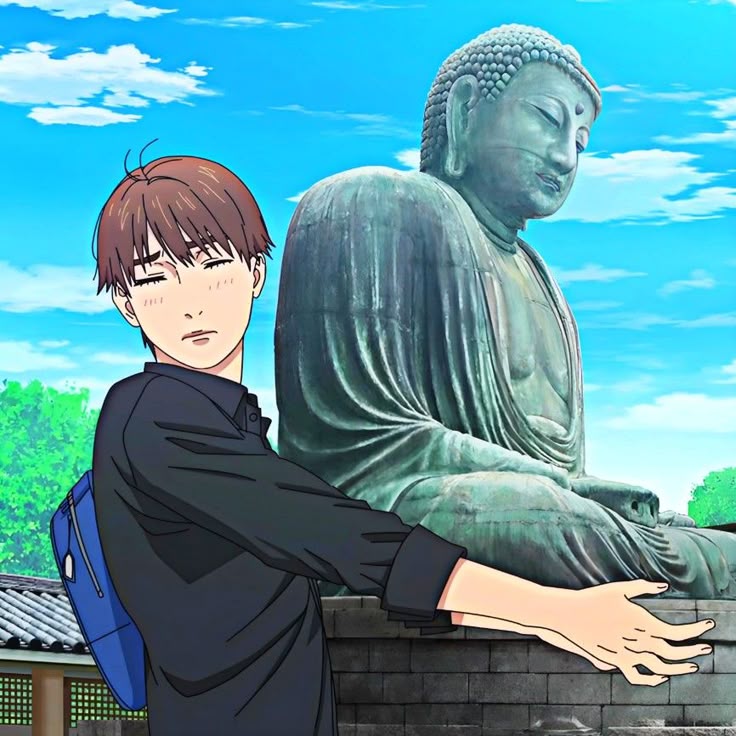
Although, I was there for my own little tourist goal as well: I thought it would be funny to replicate this meme that I saw in MF Ghost.
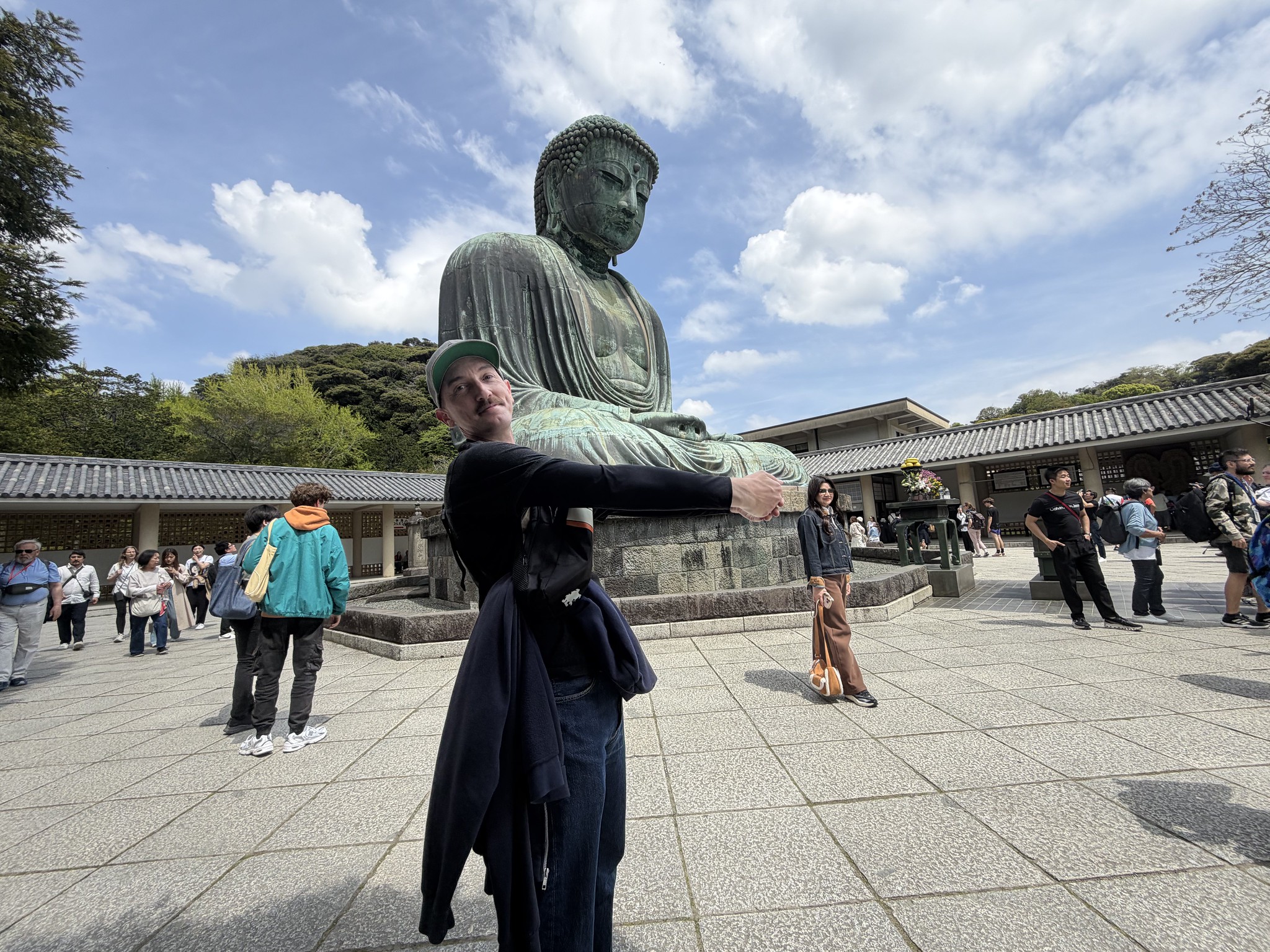
Eh, close enough I suppose.
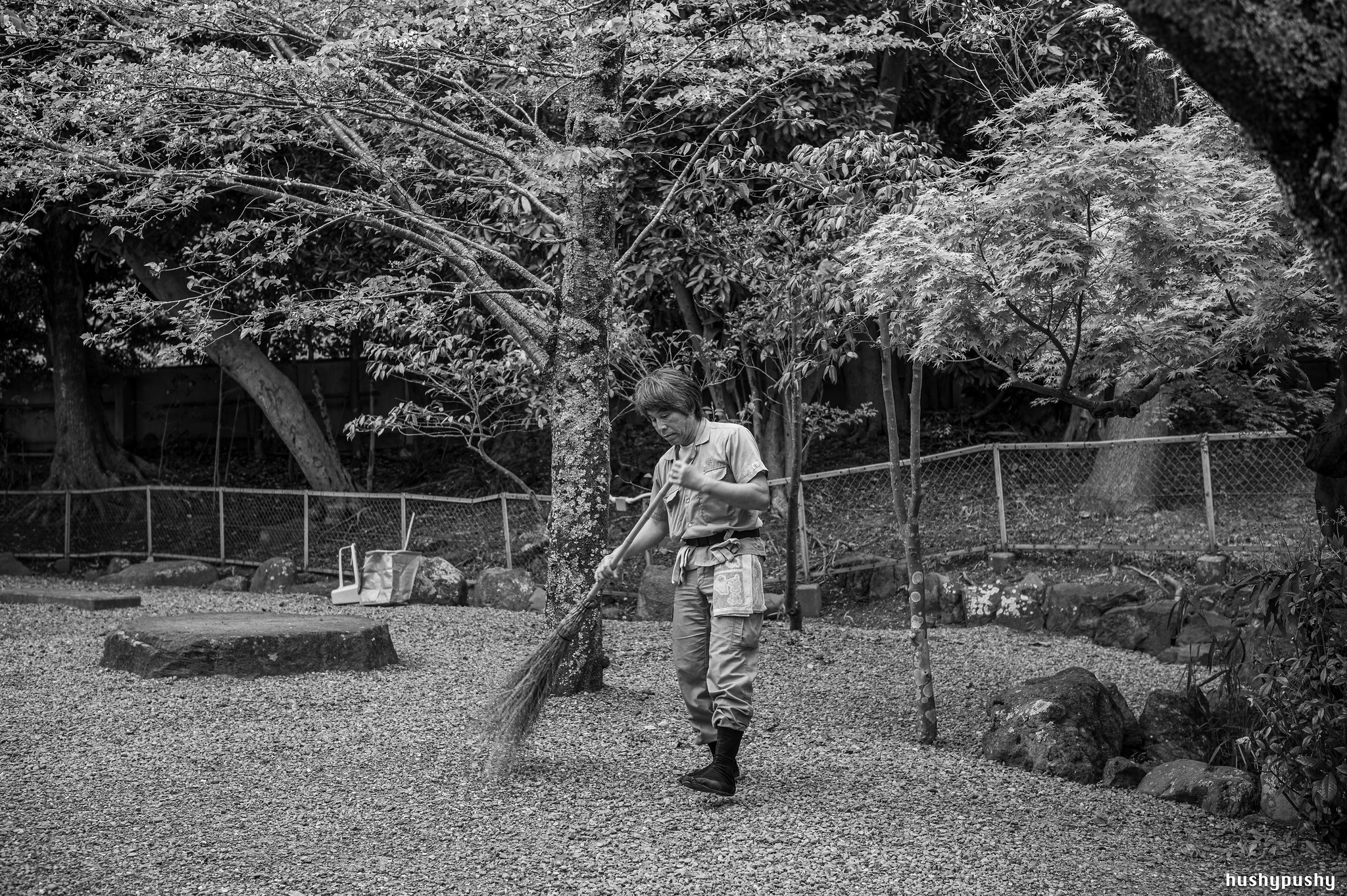
I love the old school brooms they use. Some modern plastic job just wouldn’t be right.
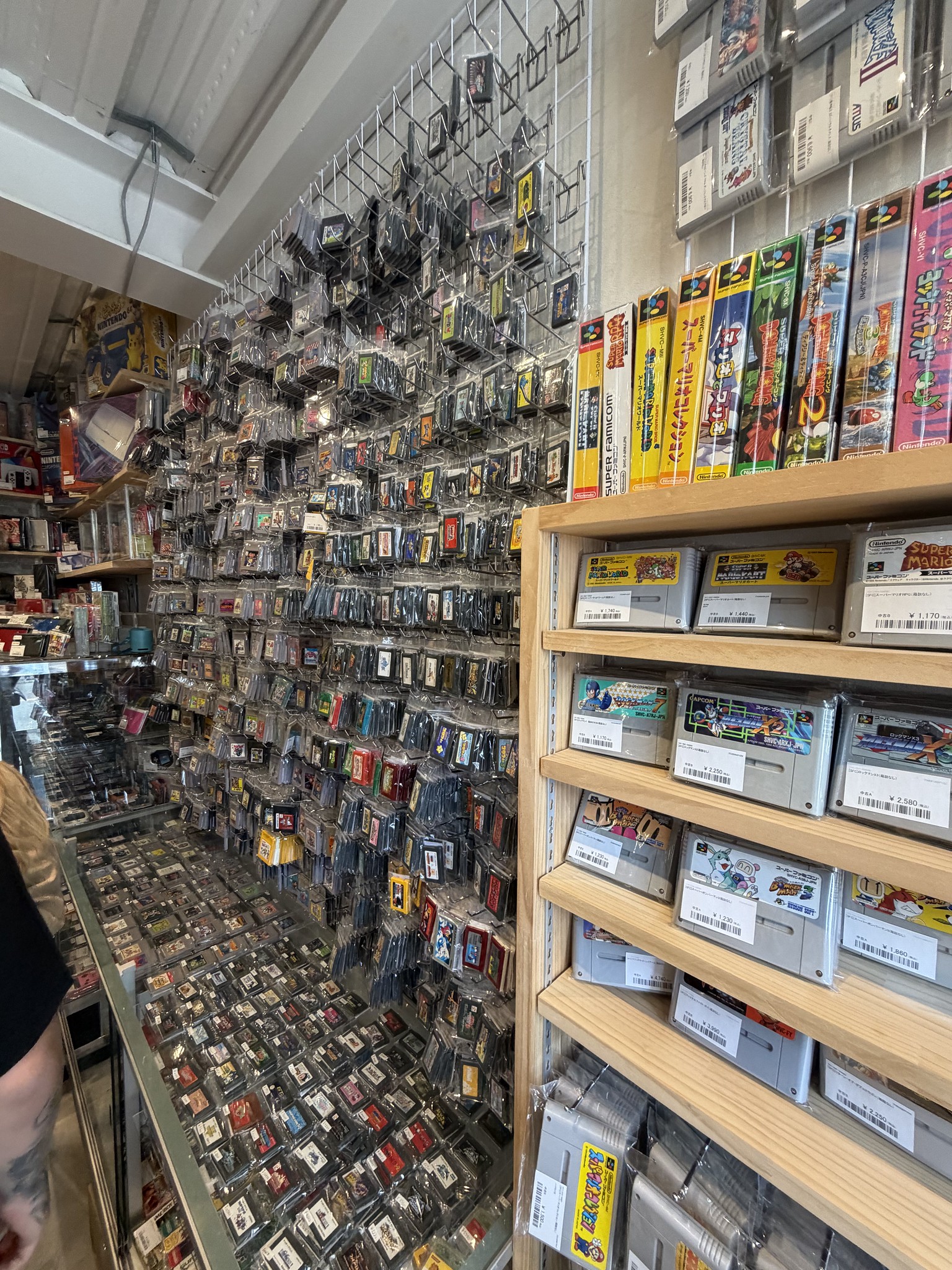
Then we went to a very tiny store with thousands of video games. I was very overwhelmed! I ended up purchasing two PS1 games and a memory card. Surprisingly, the cashier was French, and we chatted in English; he asked me the default questions about the games being to display or play, and of course I said play. I mentioned I play on emulator, but I also have a Japanese PS1…and 400 other games. That caught his attention, and he seemed like a real enthusiast so I showed him some pics of my collection. That was a cool moment.
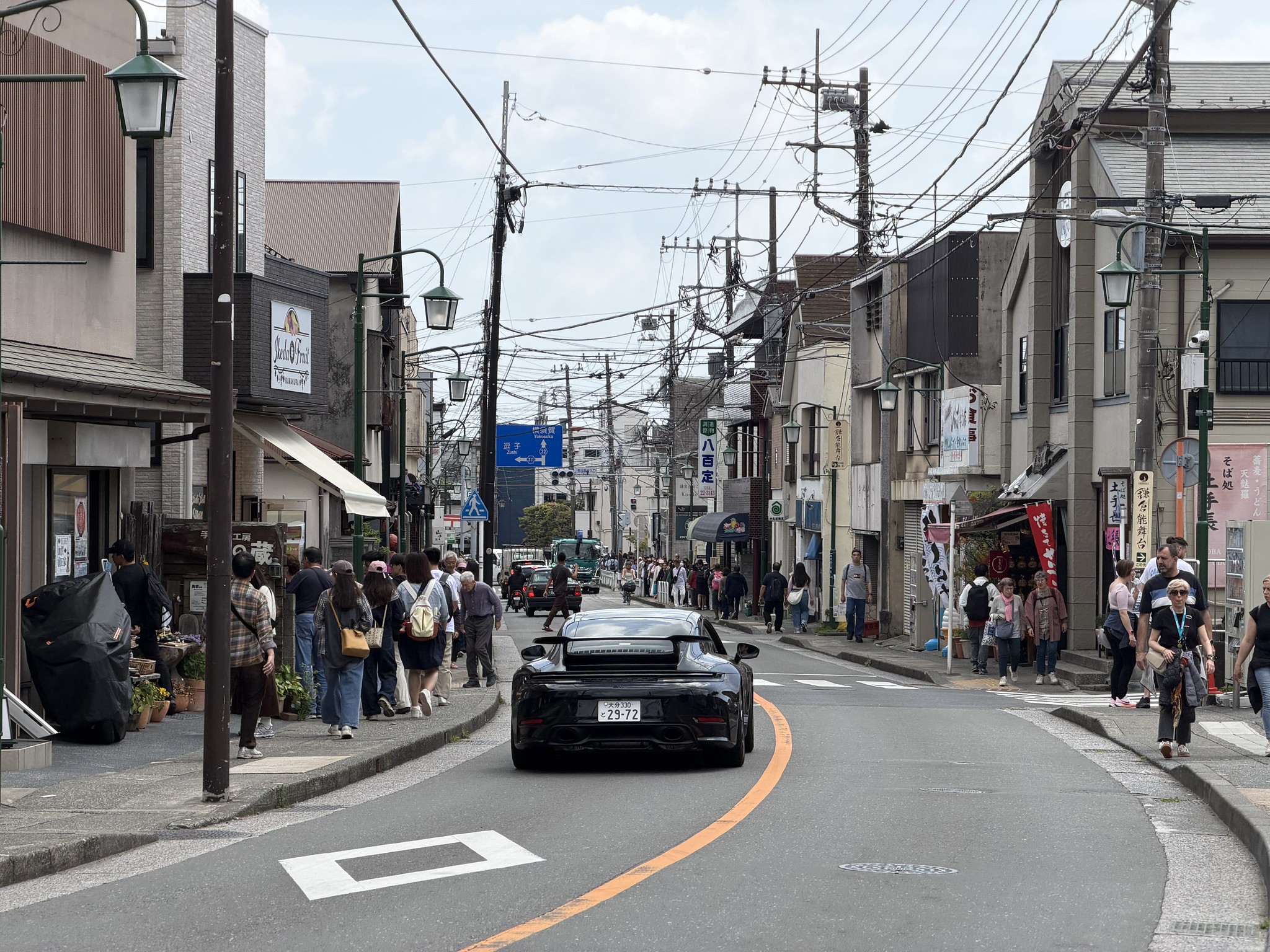
This area was pretty busy for a weekday, but it was only scratching the surface of Kamakura.
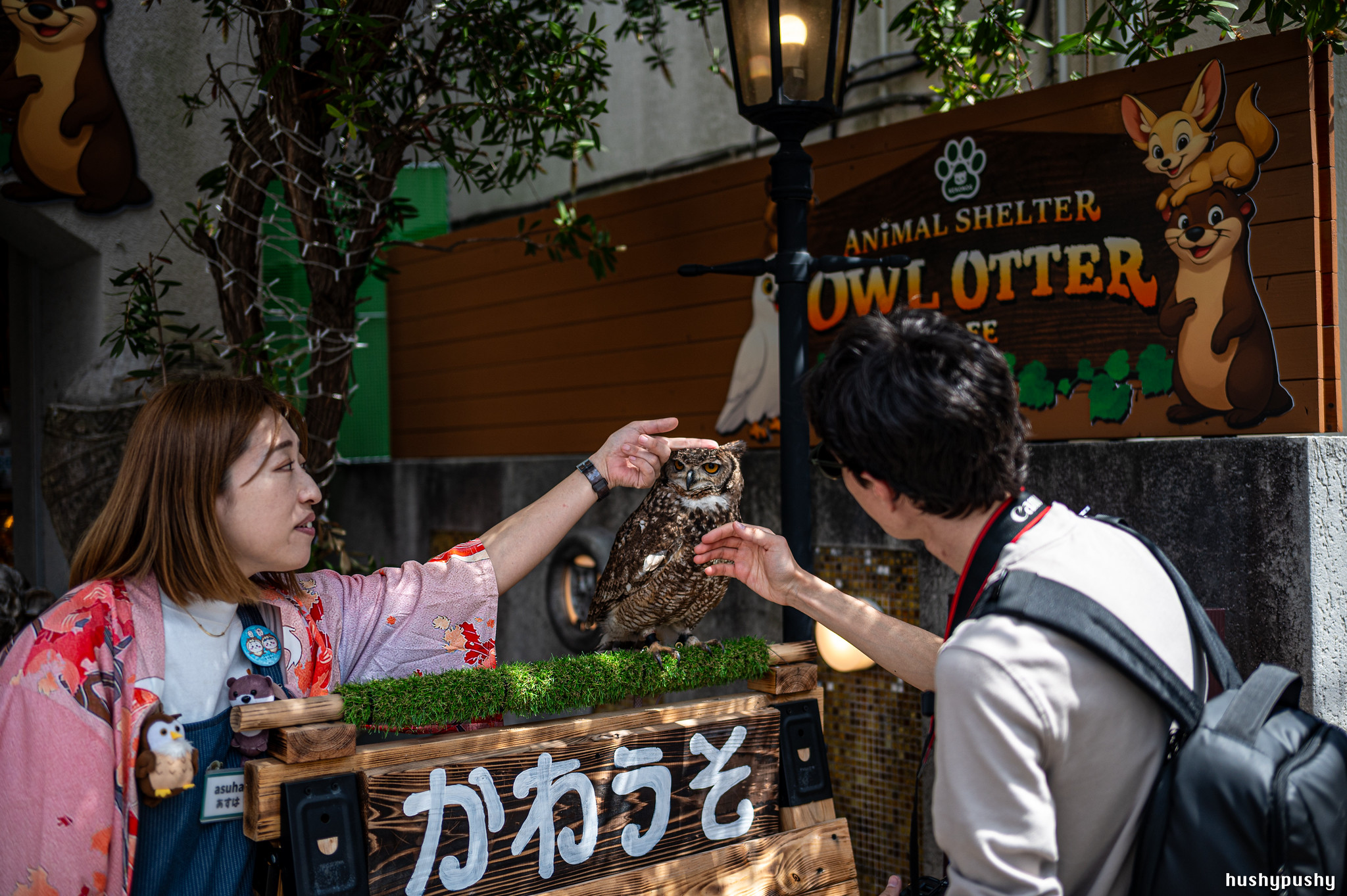
Walking a little further, we saw a place where you could pet an owl! Of course I had to give it a whirl.
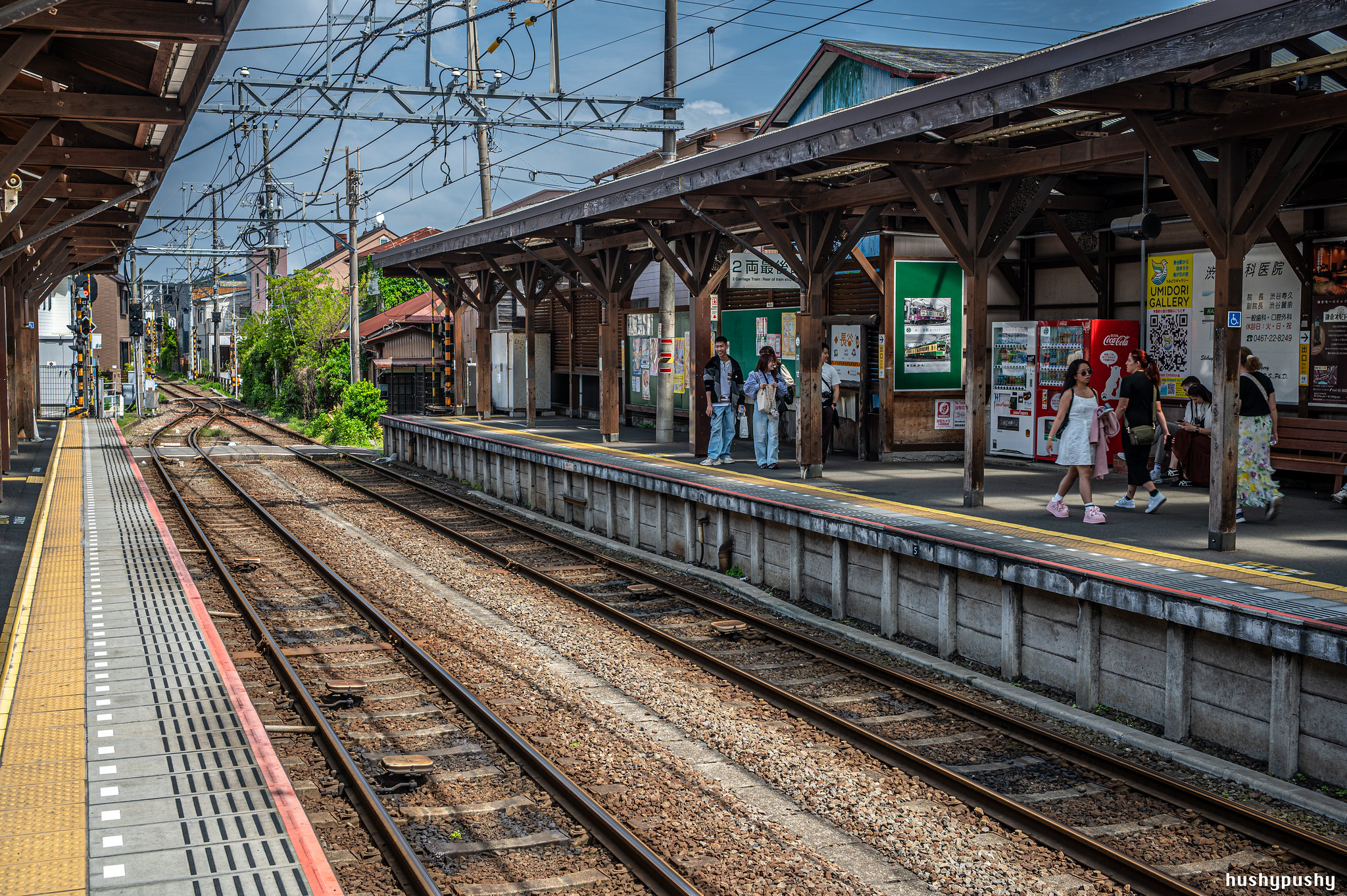
Then we walked down to Hase Station, a wonderful little street station.
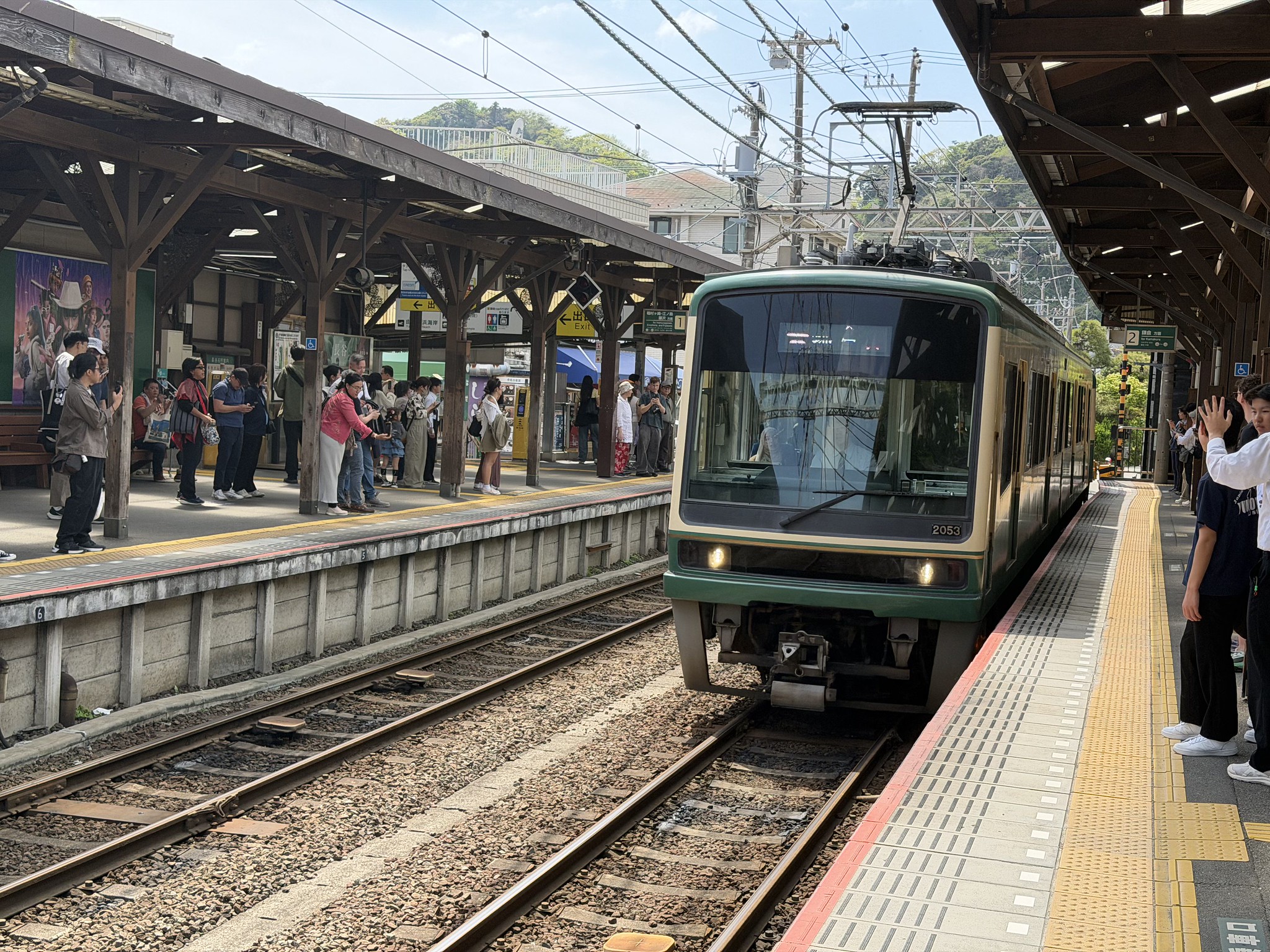
This was pretty fun as a railfan: the Enoshima Electric Railway, known in Japanese as the Enoden (a shortened form of Enoshima Dentetsu Kabushiki Gaisha) is a private railway with only one line. It starts at Kamakura Station and ends 10km later at Fujisawa Station, with a section that cruises along the bay.
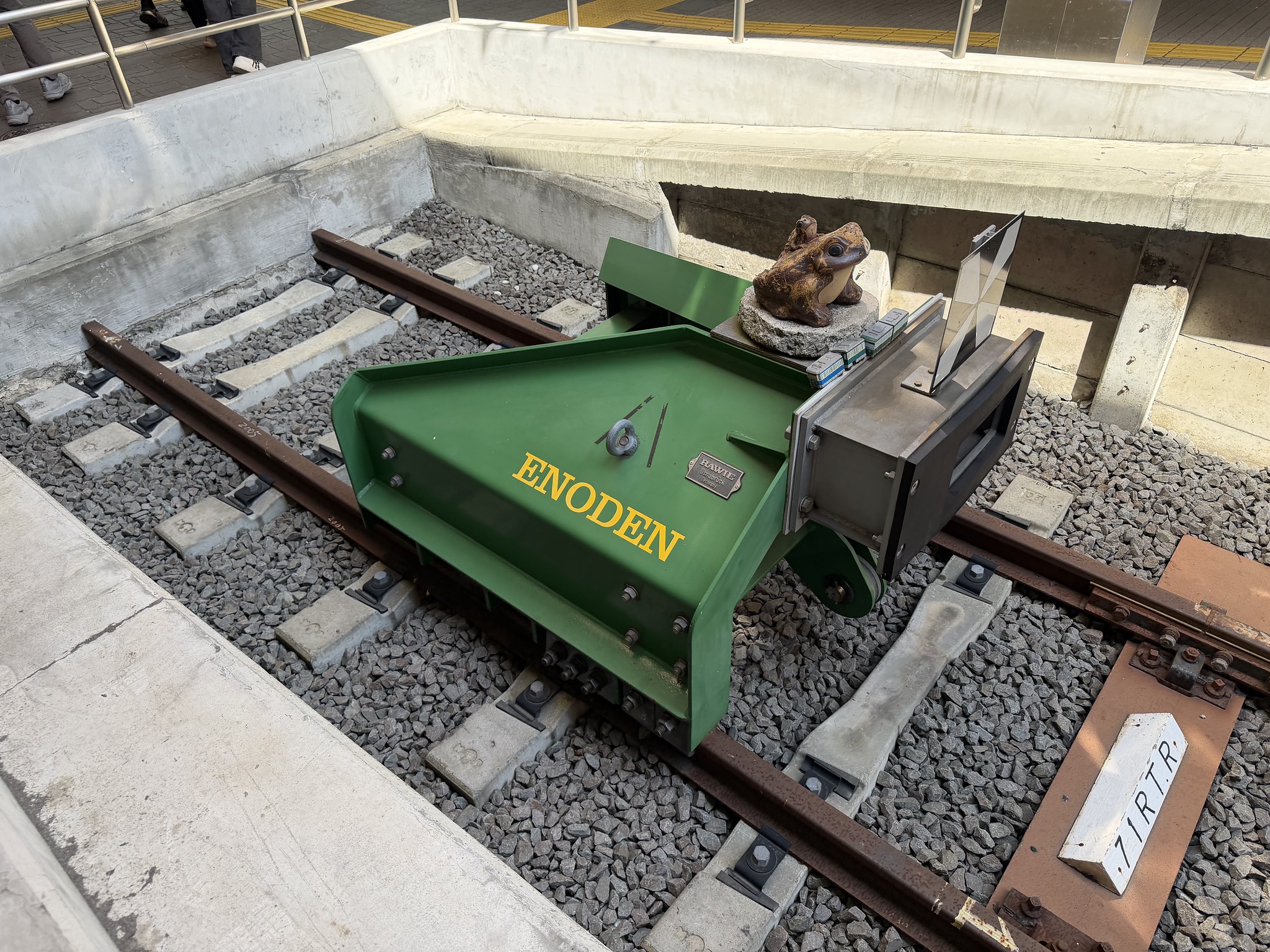
We first rode north to the end of the line at Kamakura Station.
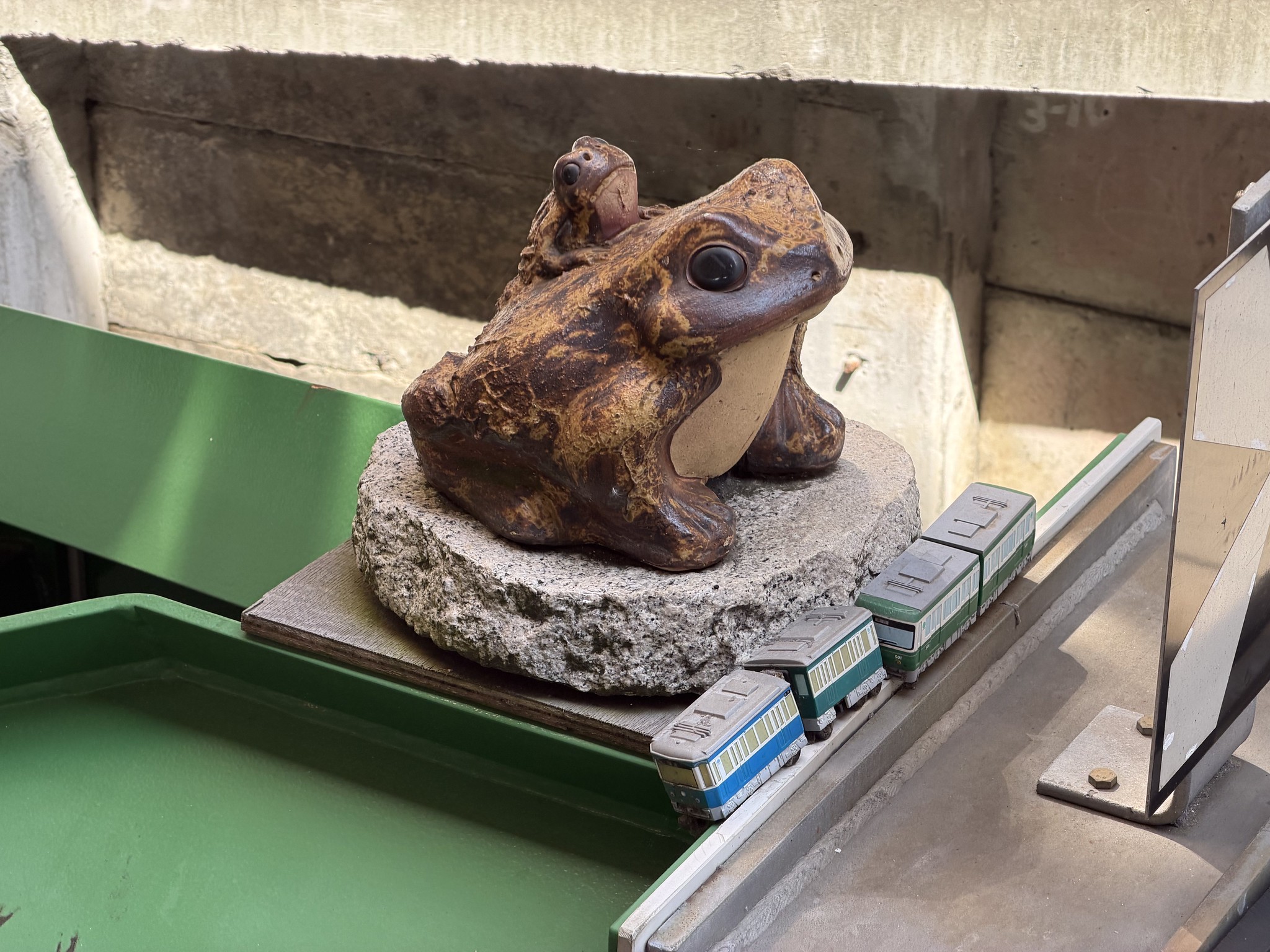
Check out these toads and little trains!
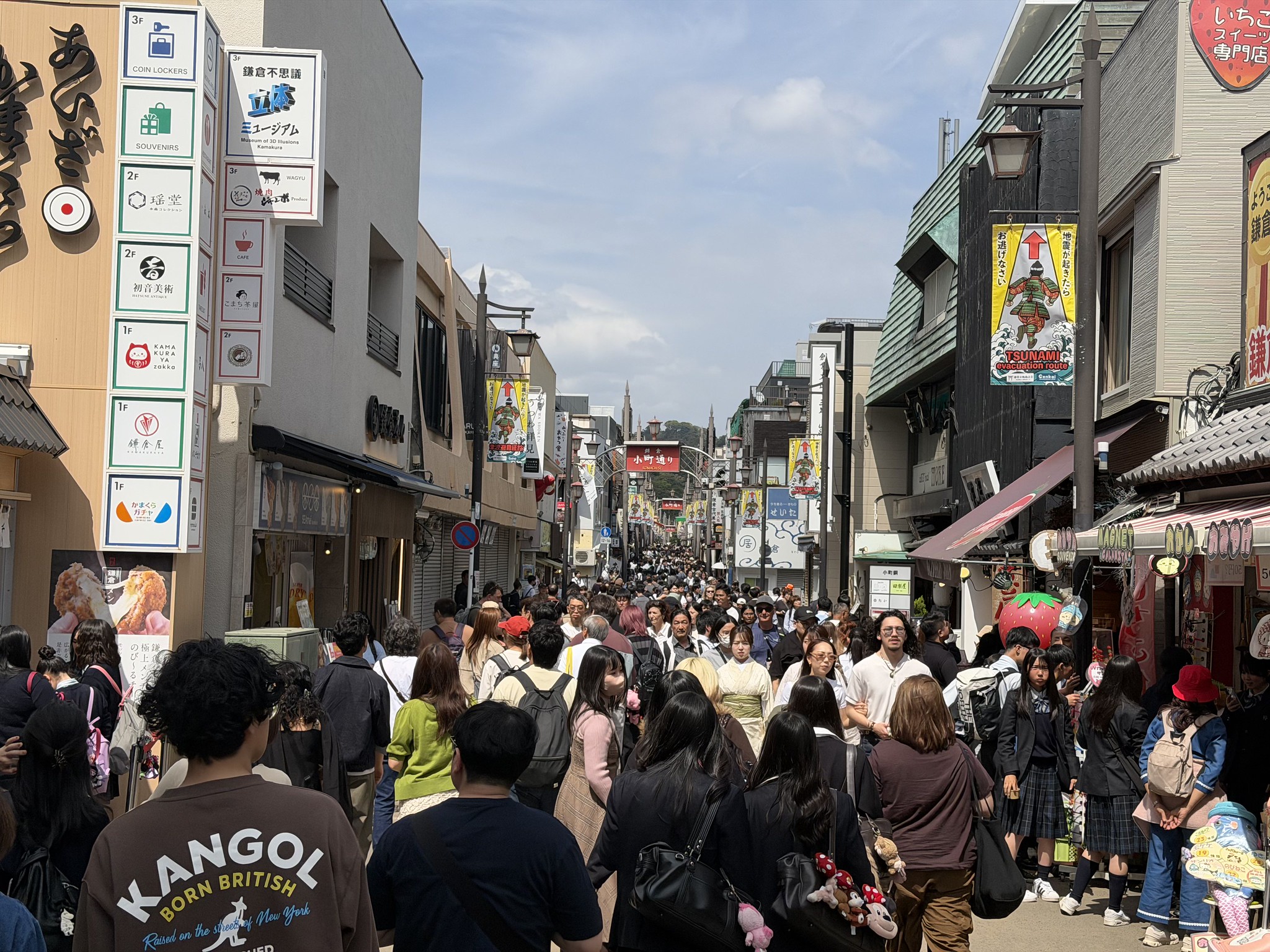
Our next destination was Komachi Street, which was super busy. If it’s this busy on a Tuesday, I wonder what this place is like on a weekend.
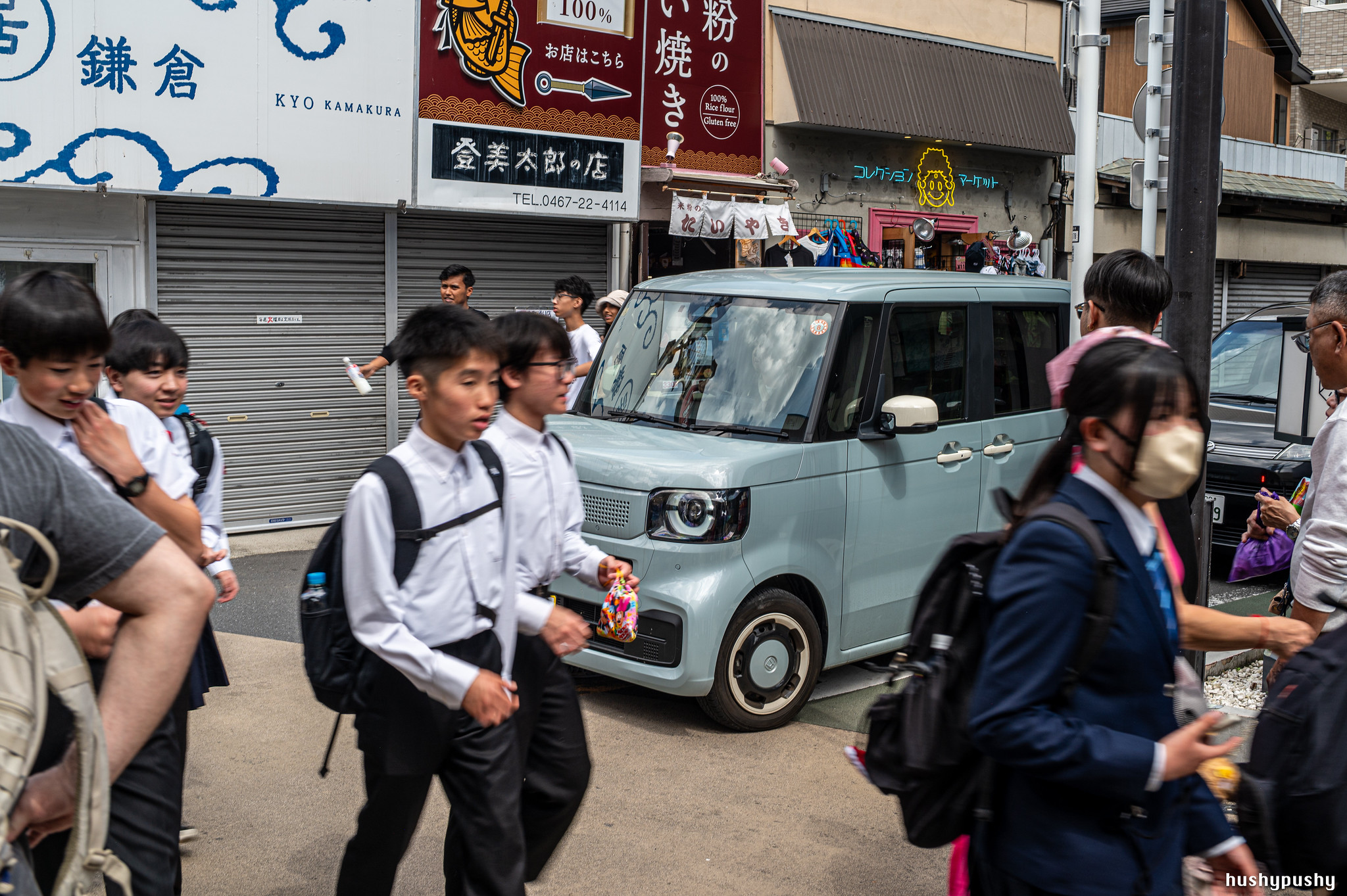
Amazingly, this appeared to be a drivable thoroughfare. I waited for a while just to see when this N-Box would be able to cross the street.
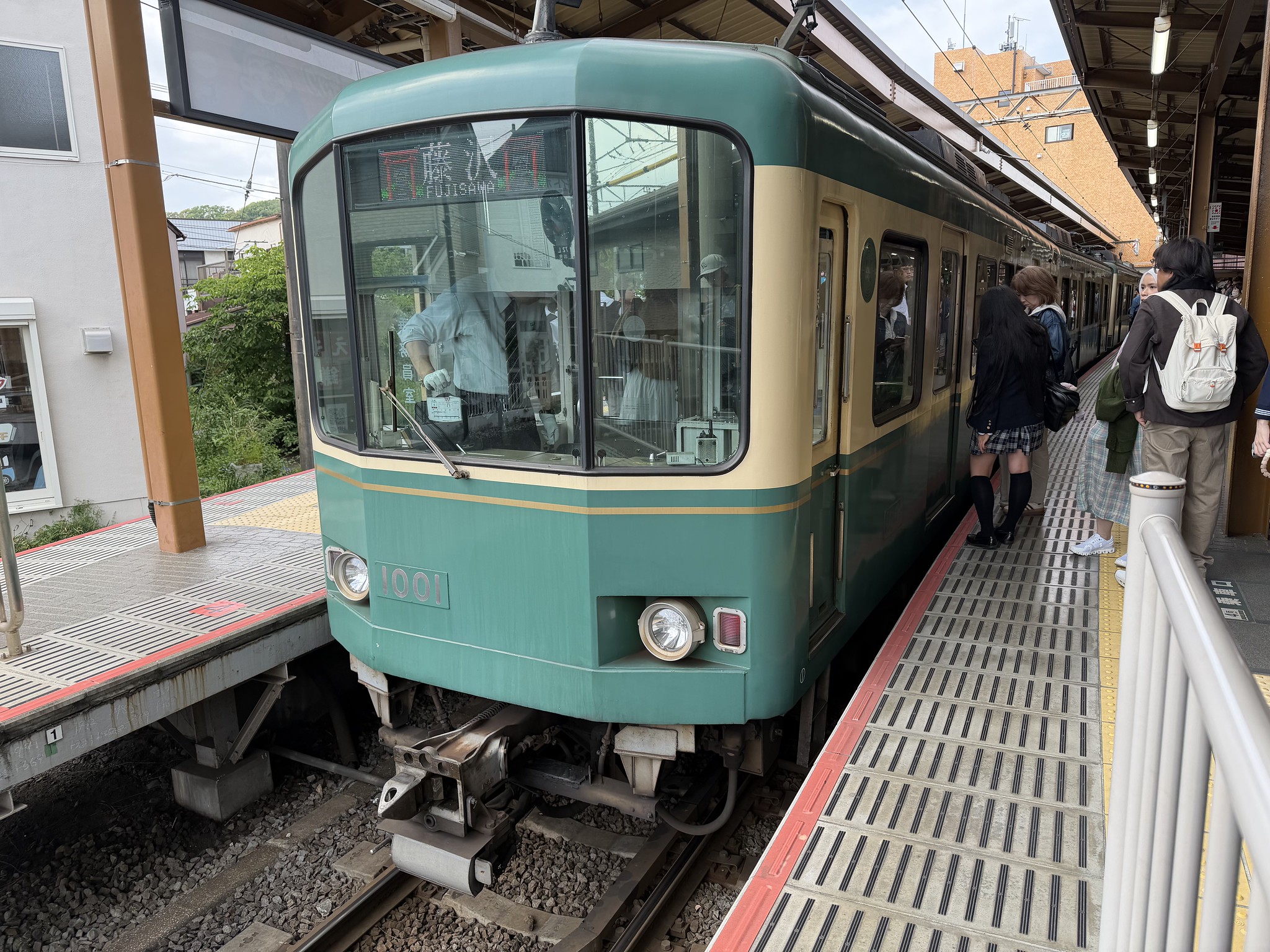
Then it was time to go to the beach, so we went back to Kamakura Station. I watched a 2000 Series train (from 1990) arrive and depart while waiting for Stefan but we missed boarding it. No worries, it’s Japan and there will be another train in a few minutes! This time, it was a 1000 Series (from 1979) that arrived.
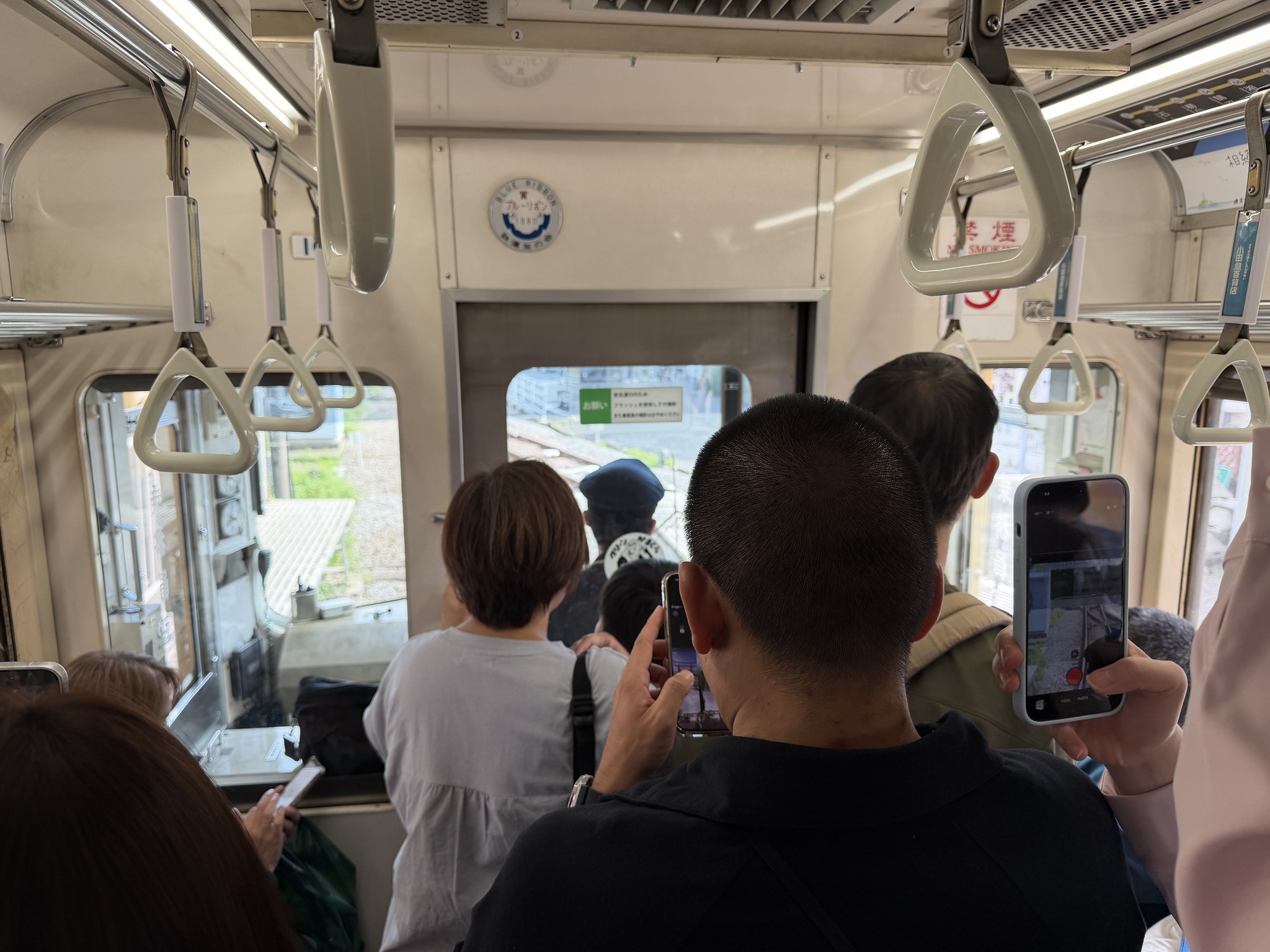
You feel like a real nerd in the USA if you take any interest in trains, but in Japan it seems very common for people to be excited about them. At every station, people were taking photos of the Enoden trains, and even though I was waiting at the front of this train when it arrived at the station there were still people in front of me with their cameraphones out!
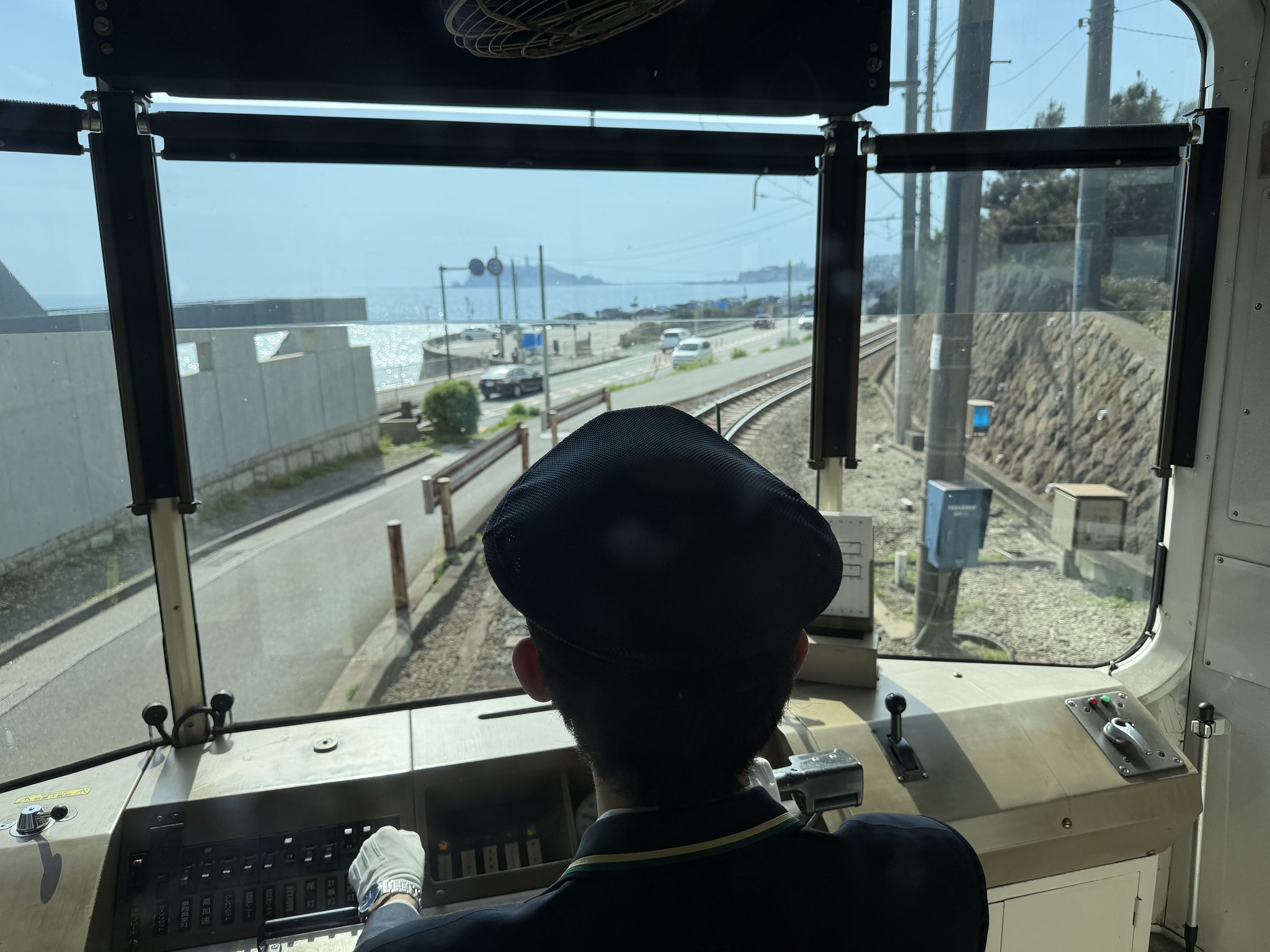
Luckily, the other railfans got off after a few stops, so I got to be right up front for the big reveal: Sagami Bay and Enoshima!
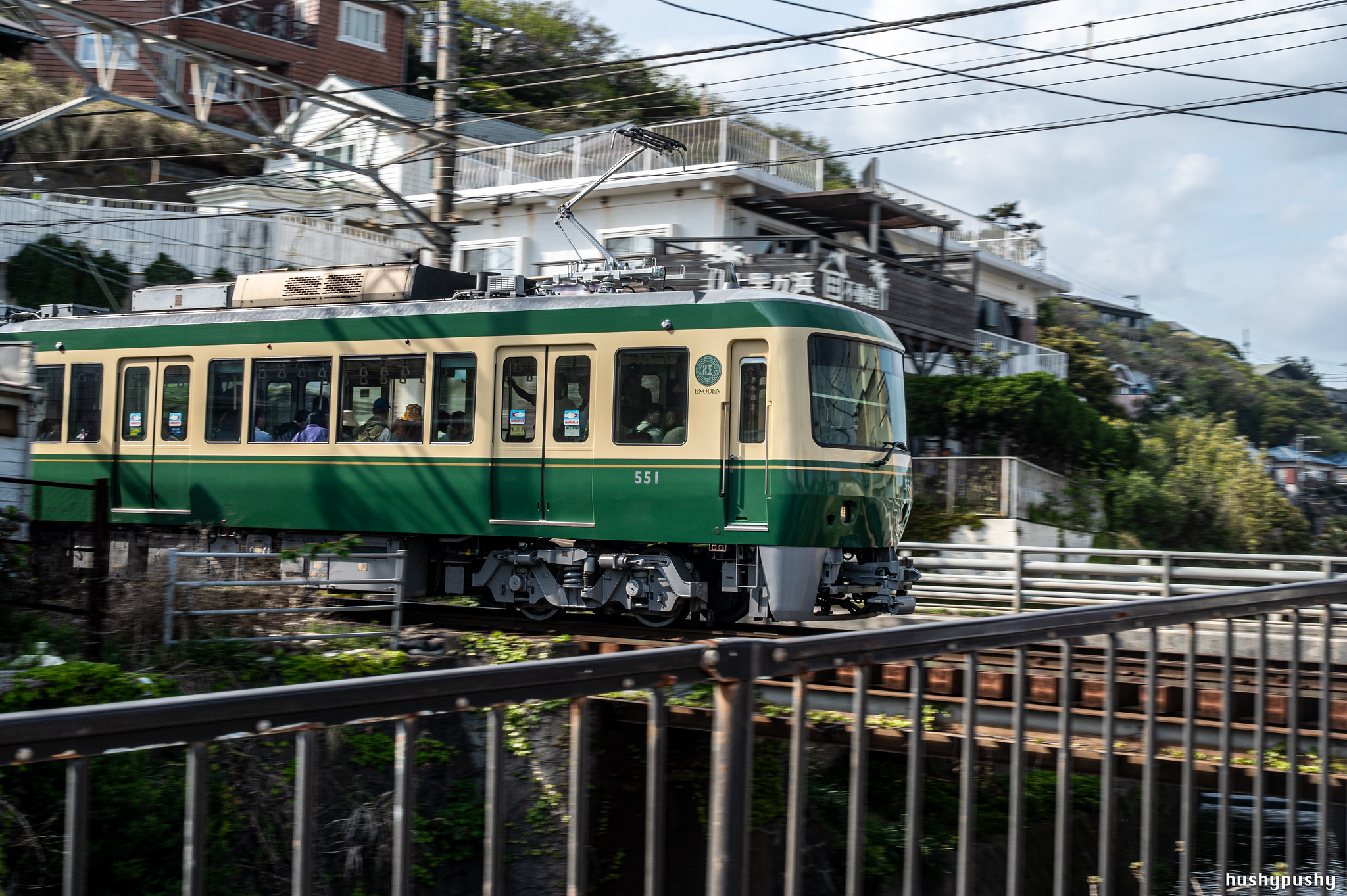
We got off at Shichirigahama* Station and saw yet another train, the 500 Series. At the time of this photo on April 14th 2026, this was the newest train in their stable: the brand new 700 Series officially went into service on April 19th! So I’ll have to save the spotting of that one for next time.
(This one is a mouthful, especially without context on parsing the syllables. Shichi = seven, ri = an old unit, hama = beach, so shichi-ri-ga-hama is “Seven Ri Beach”, similar to Seven Mile Beach in New Jersey)
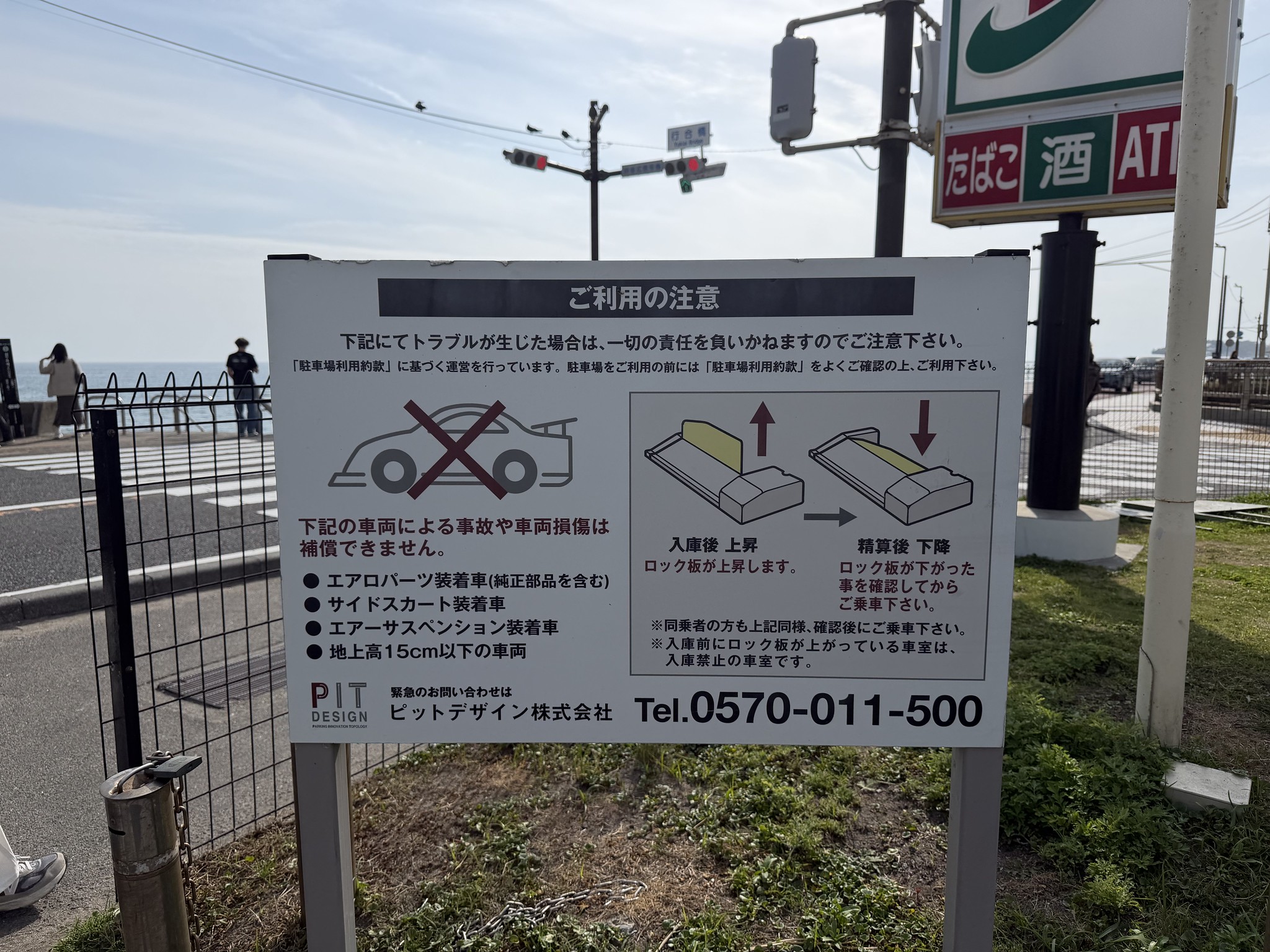
I thought this parking sign was amusing: it says you are not allowed park there if you have aero parts (“including OEM”), side skirts, air suspension, or if anything on your car is less than 15 cm off the ground.
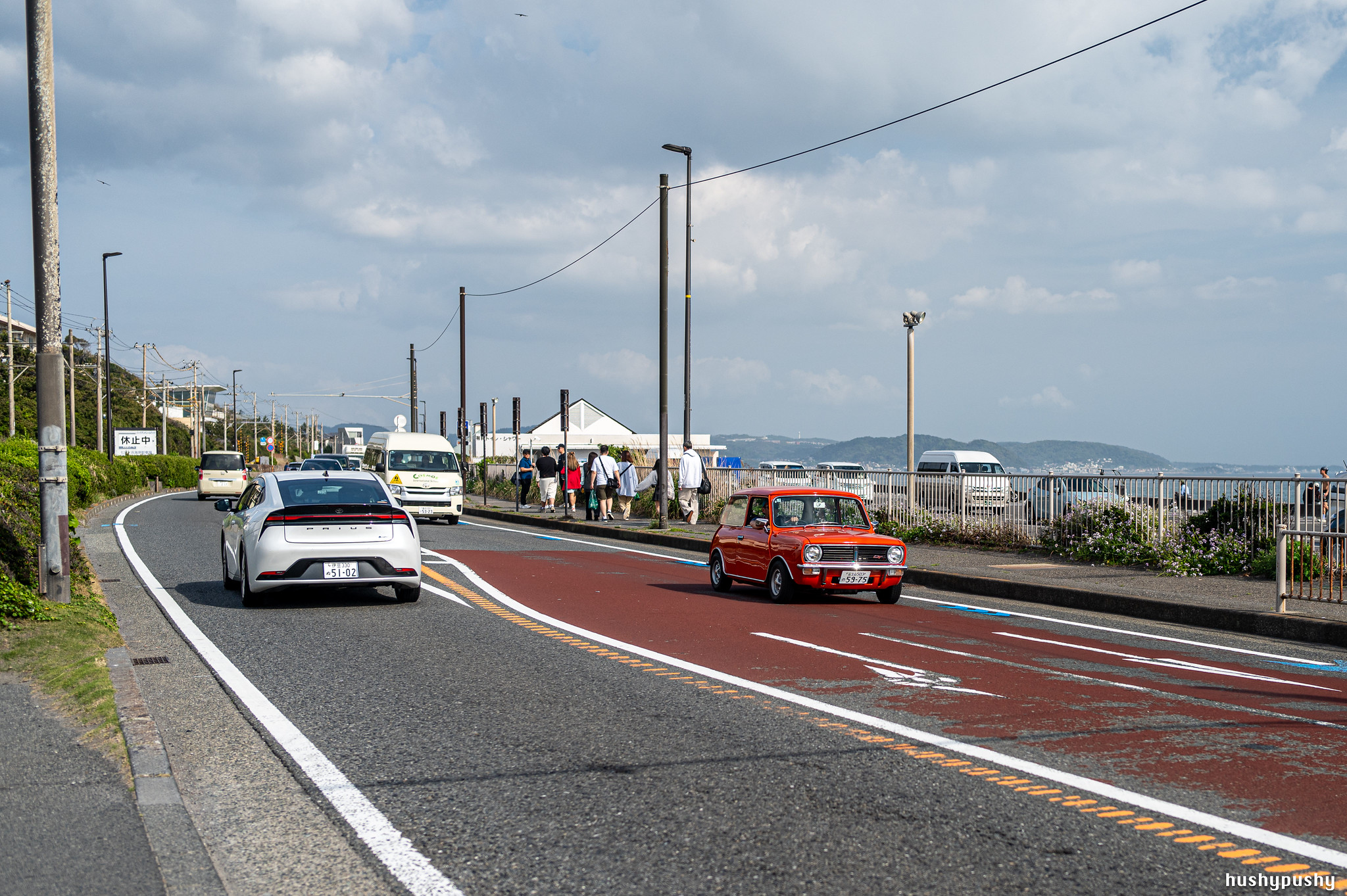
The road along the beach was pretty but there were some occasional gems, like this Mini Clubman. That’s right, the original “Clubman” meant something completely different. Mini actually has a pretty interesting website with a ton of information about it.
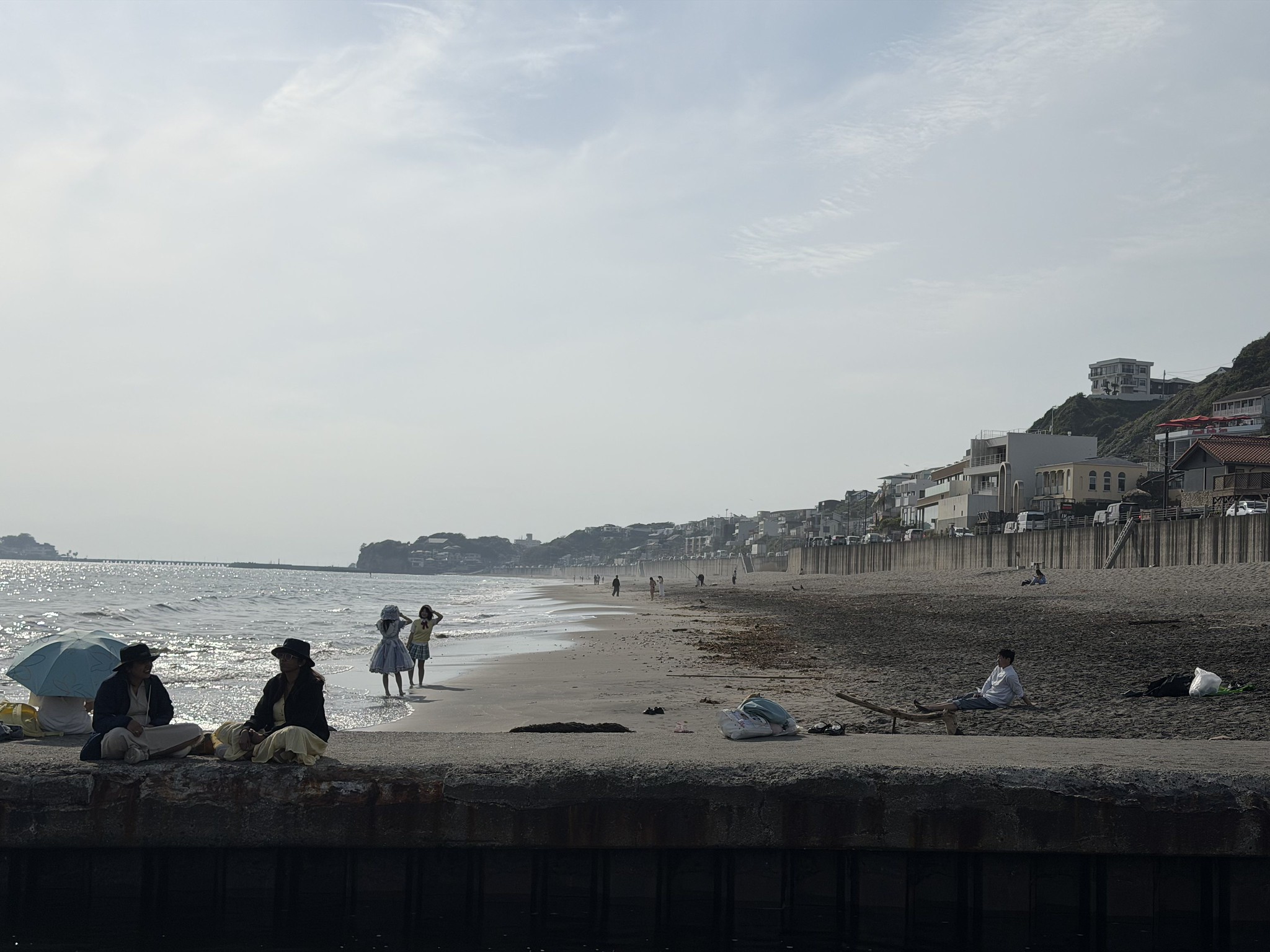
The reason I put this beach on the itinerary was because there is normally an epic view of both Enoshima and Mt. Fuji from right here on the beach. Unfortunately, as you can see (or not), there was very hazy cloud cover rolling into the Mt. Fuji area obscuring the area. And hey, does that mean it would be raining the next day when we went to Fuji?
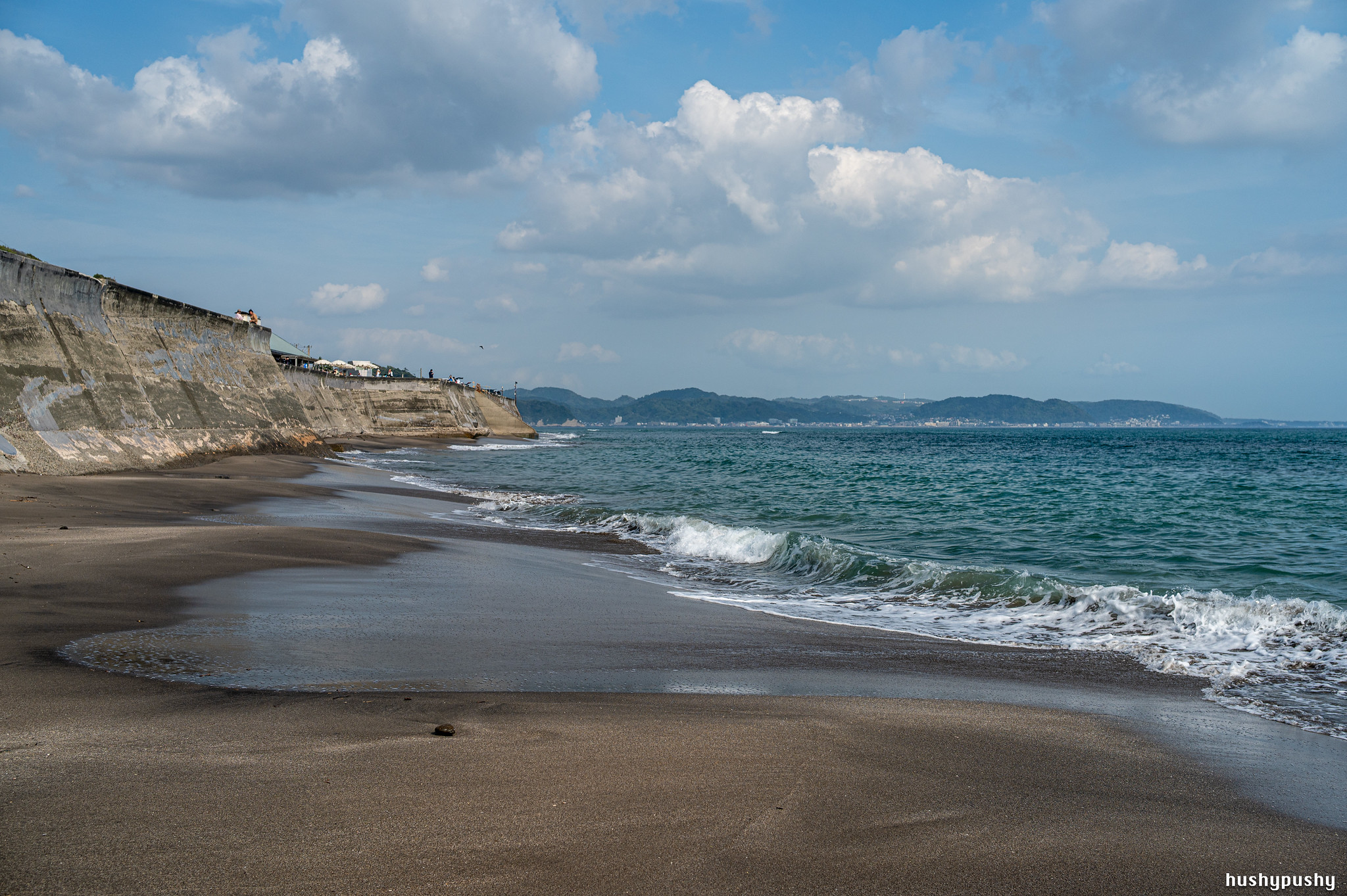
The other direction didn’t look so bad though. I walked all the way down there with plenty of confidence then, predictably, got hit by a rogue wave. Oops.
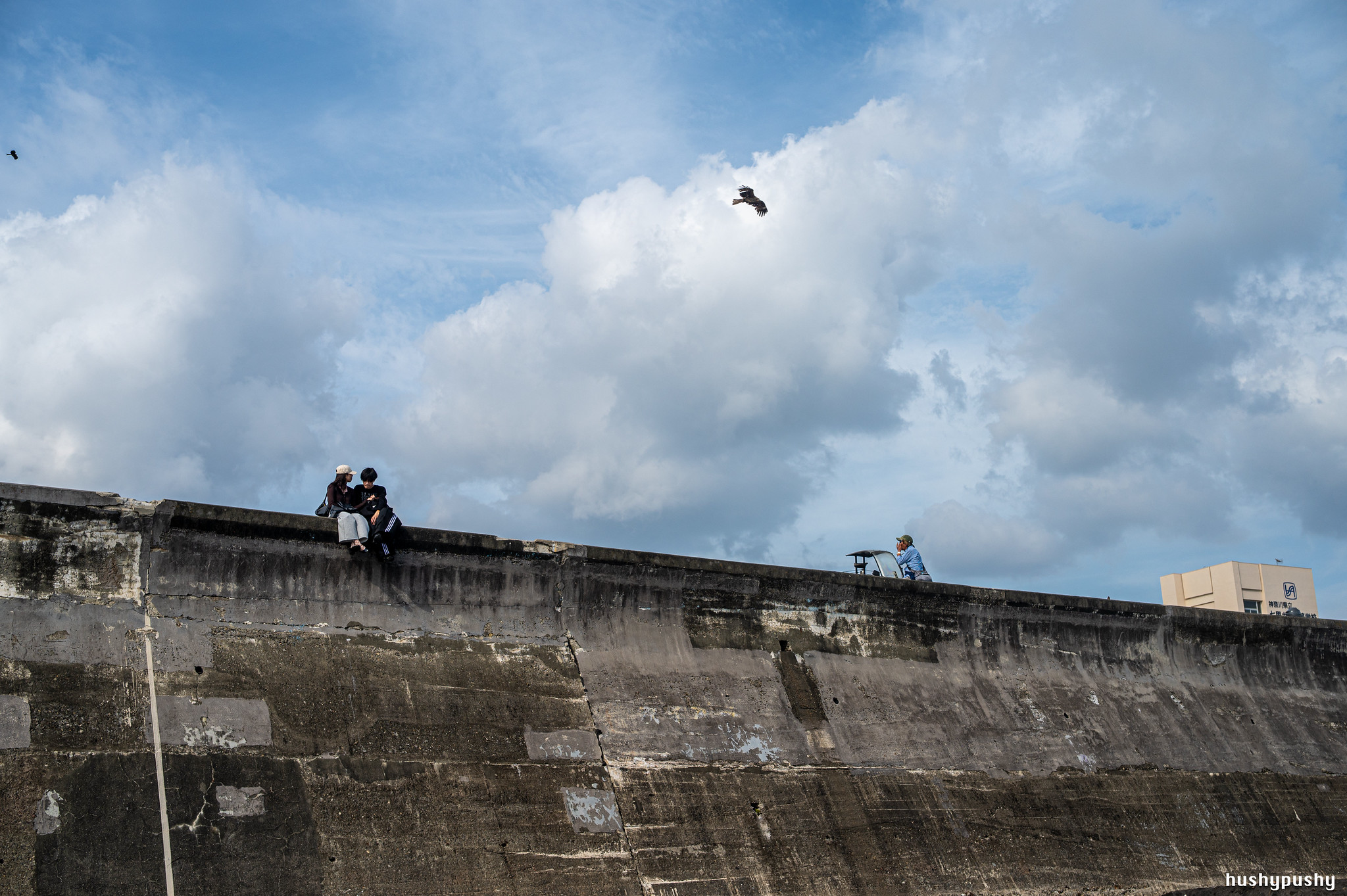
This is a pretty huge wall, and I was intrigued by this couple just hanging out on it (over it?).
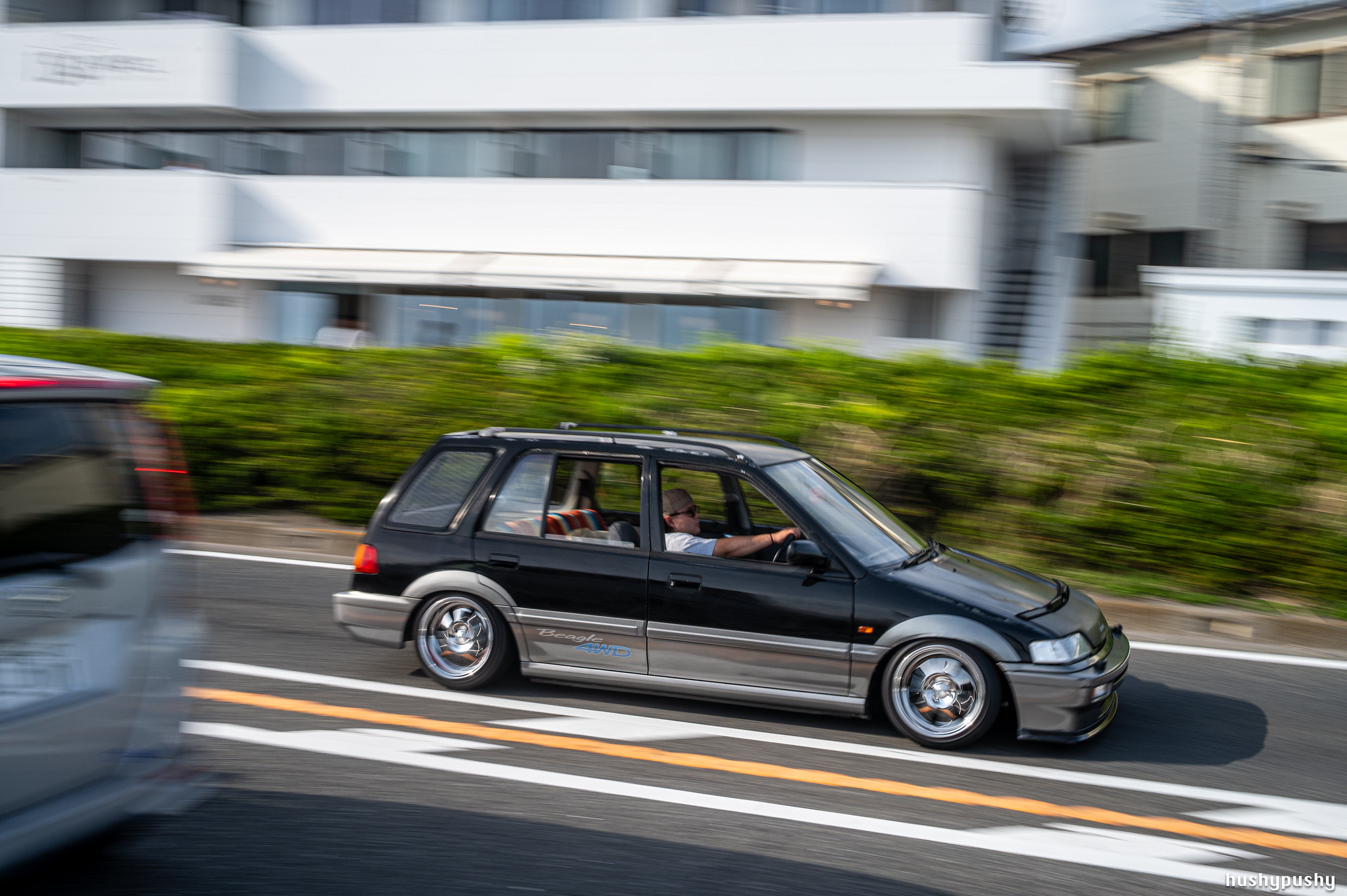
Maybe the excitement got the best of me, because I didn’t think 1/50 was too optimistic of a panning speed, but I didn’t get a single clear shot of this rad Honda Shuttle crew.
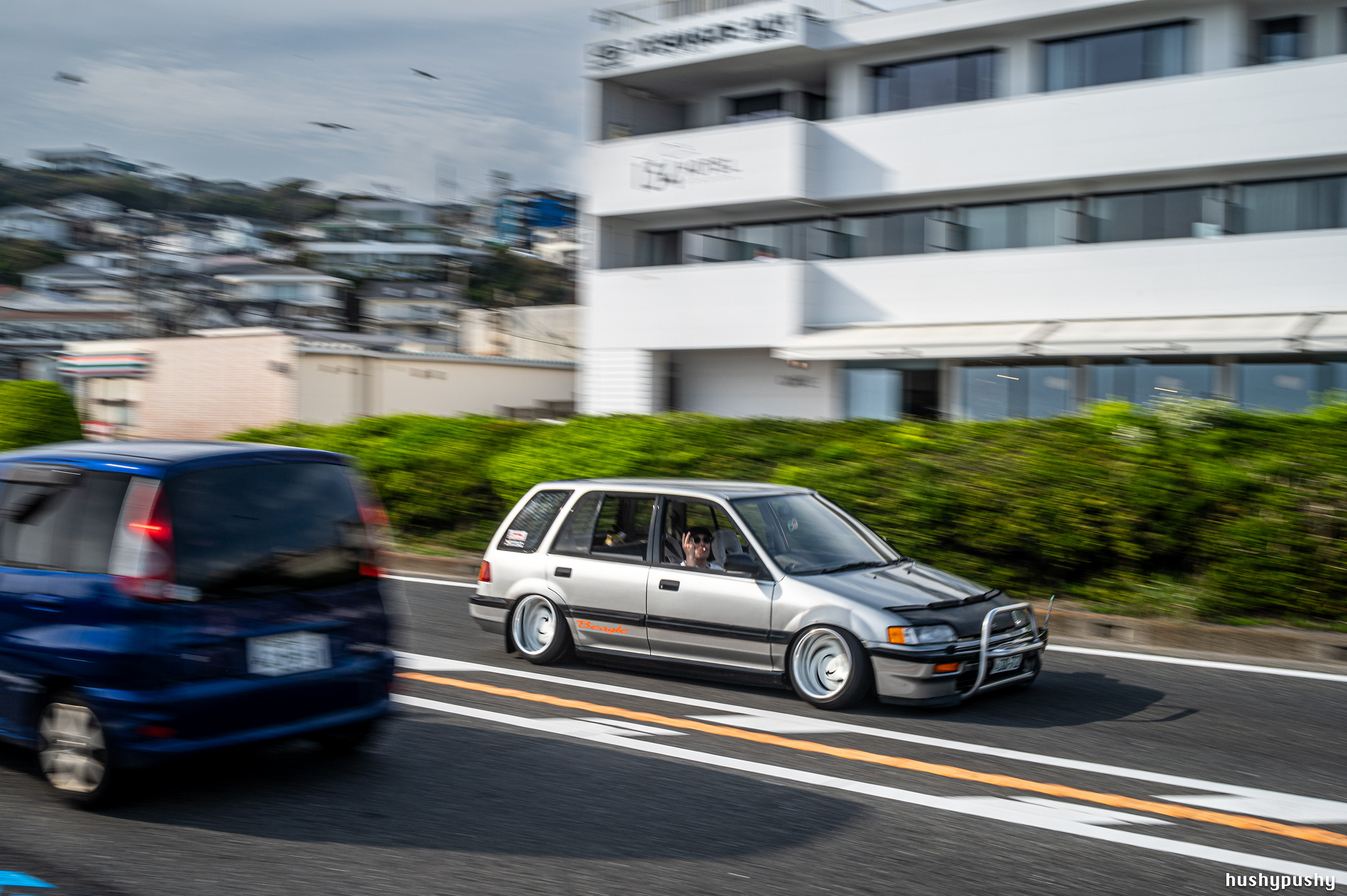
I’m sure these were the genuine Beagle trim too. Believe it or not, that bull bar bumper is stock!
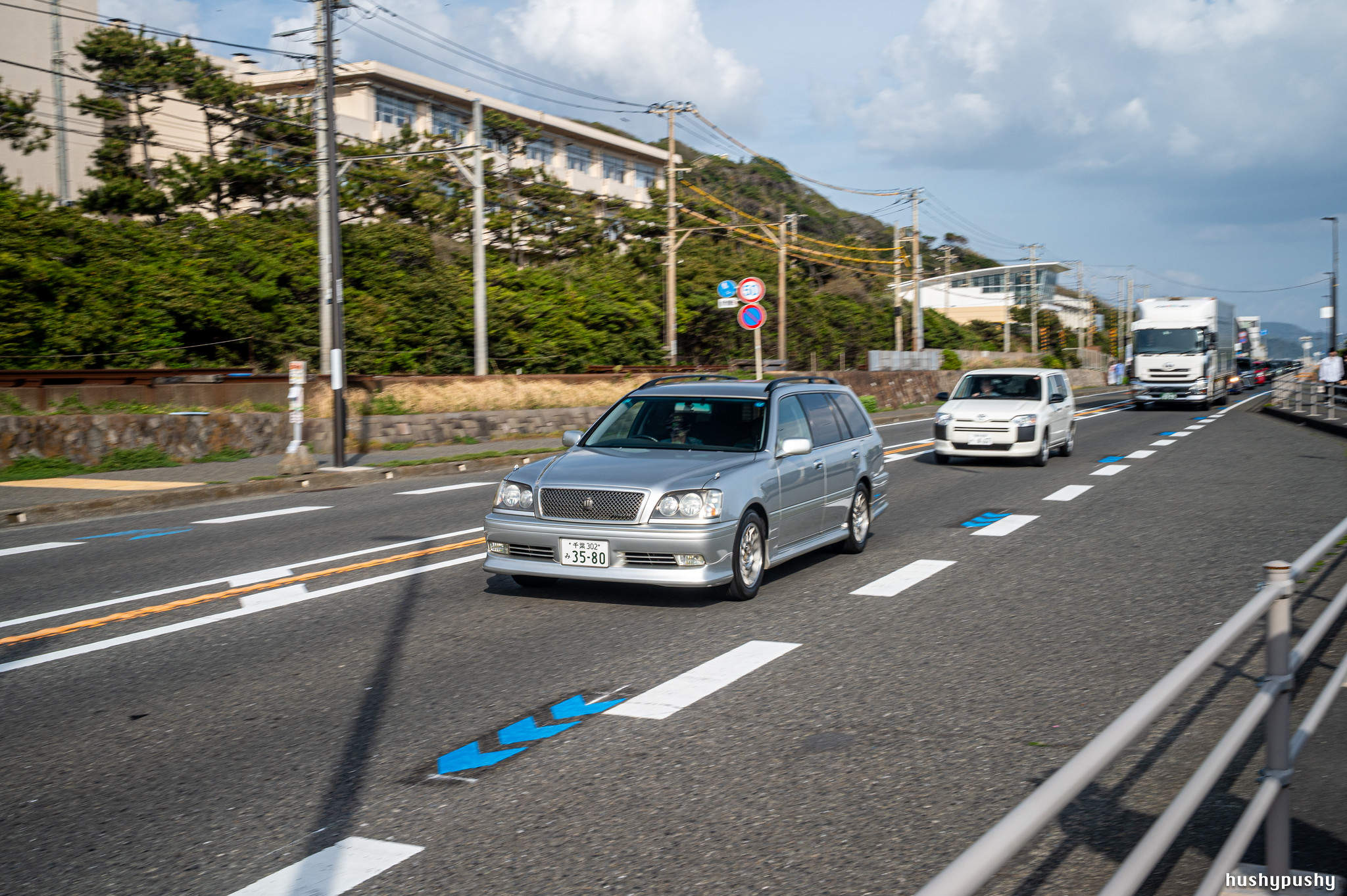
I’ve always thought Toyota Crowns are pretty cool, especially Estates, especially in Athlete V trim, which had the turbo 1JZ found in the Supra and other hot Toyotas. I think this one was just a regular Athlete, with the naturally aspirated 2JZ.
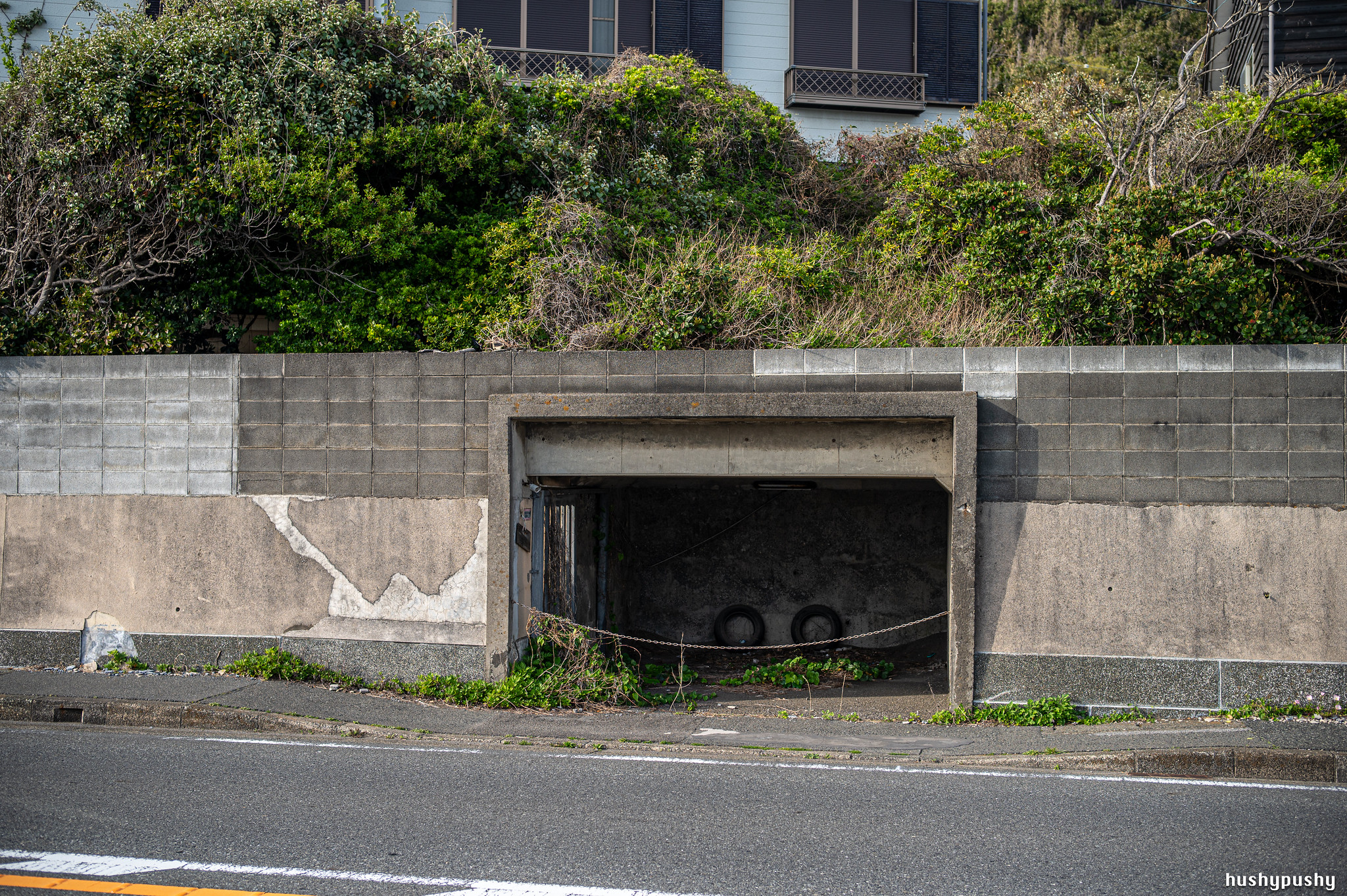
This derelict old carport got my imagination going. I wonder what used to be parked here?
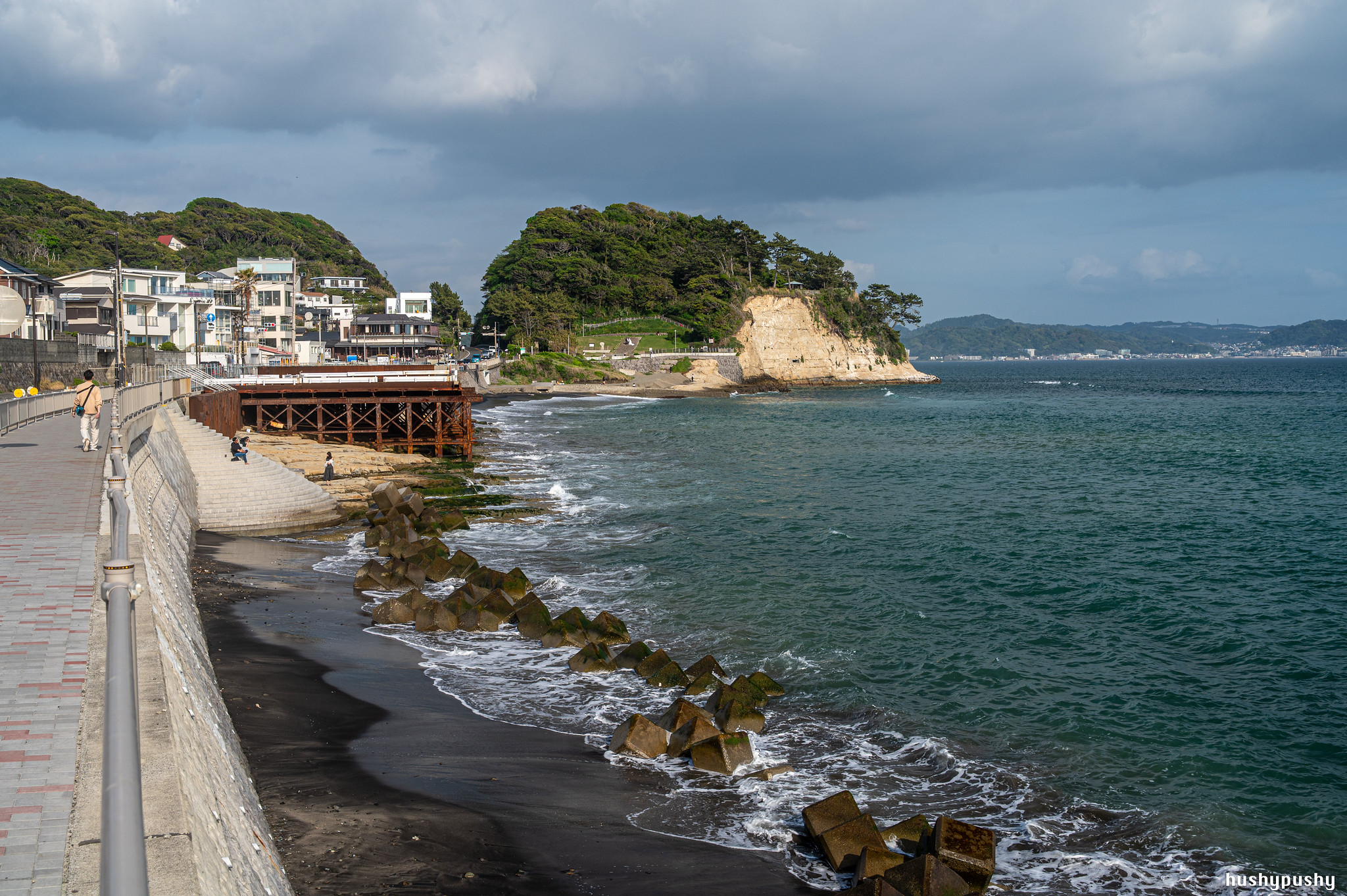
This view really reminded me of Santa Cruz, with sheer cliffs that drop right down to flat beaches.
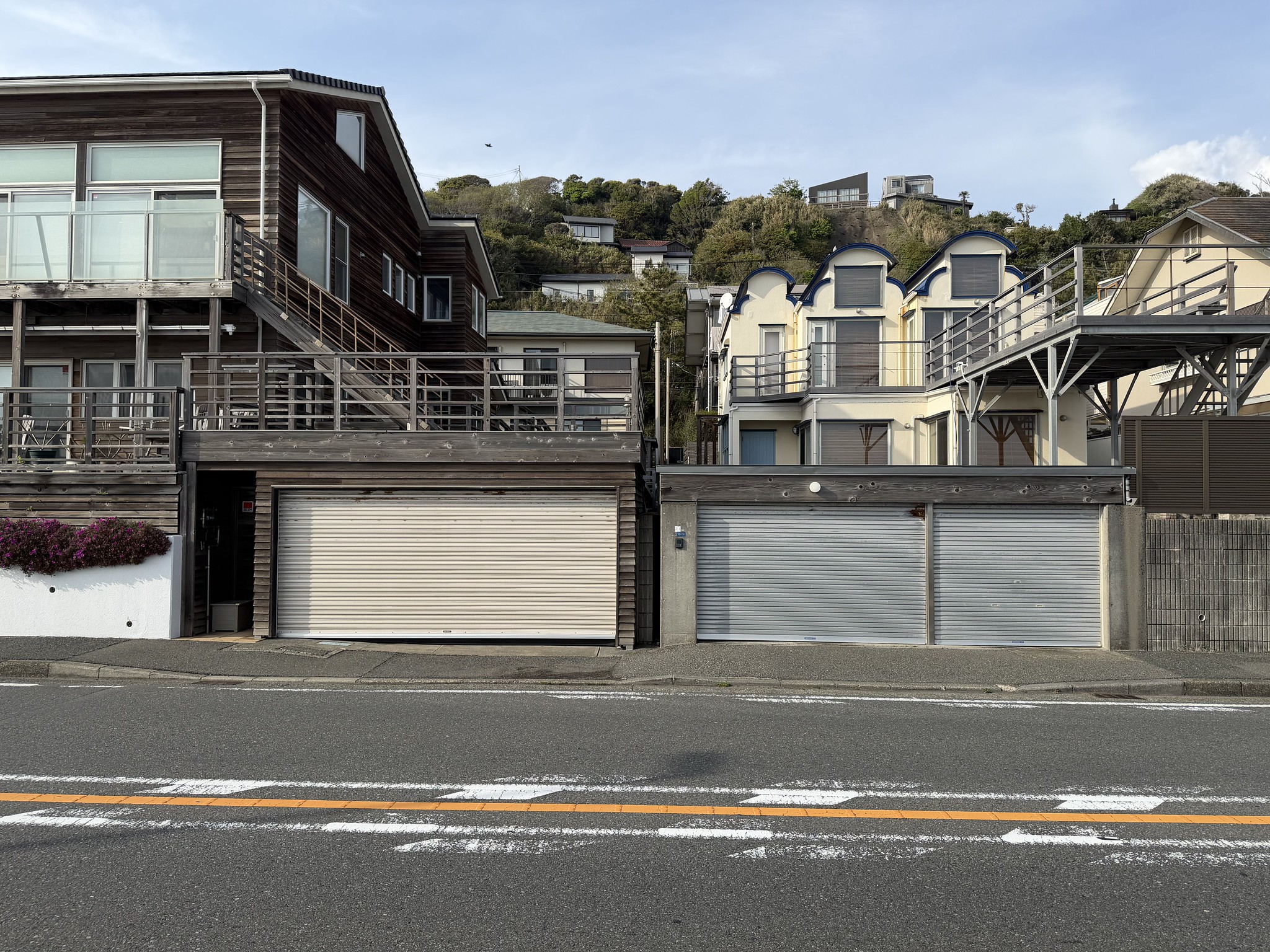
There were some epic houses, but what caught my eye were these large garages right out front on the road.
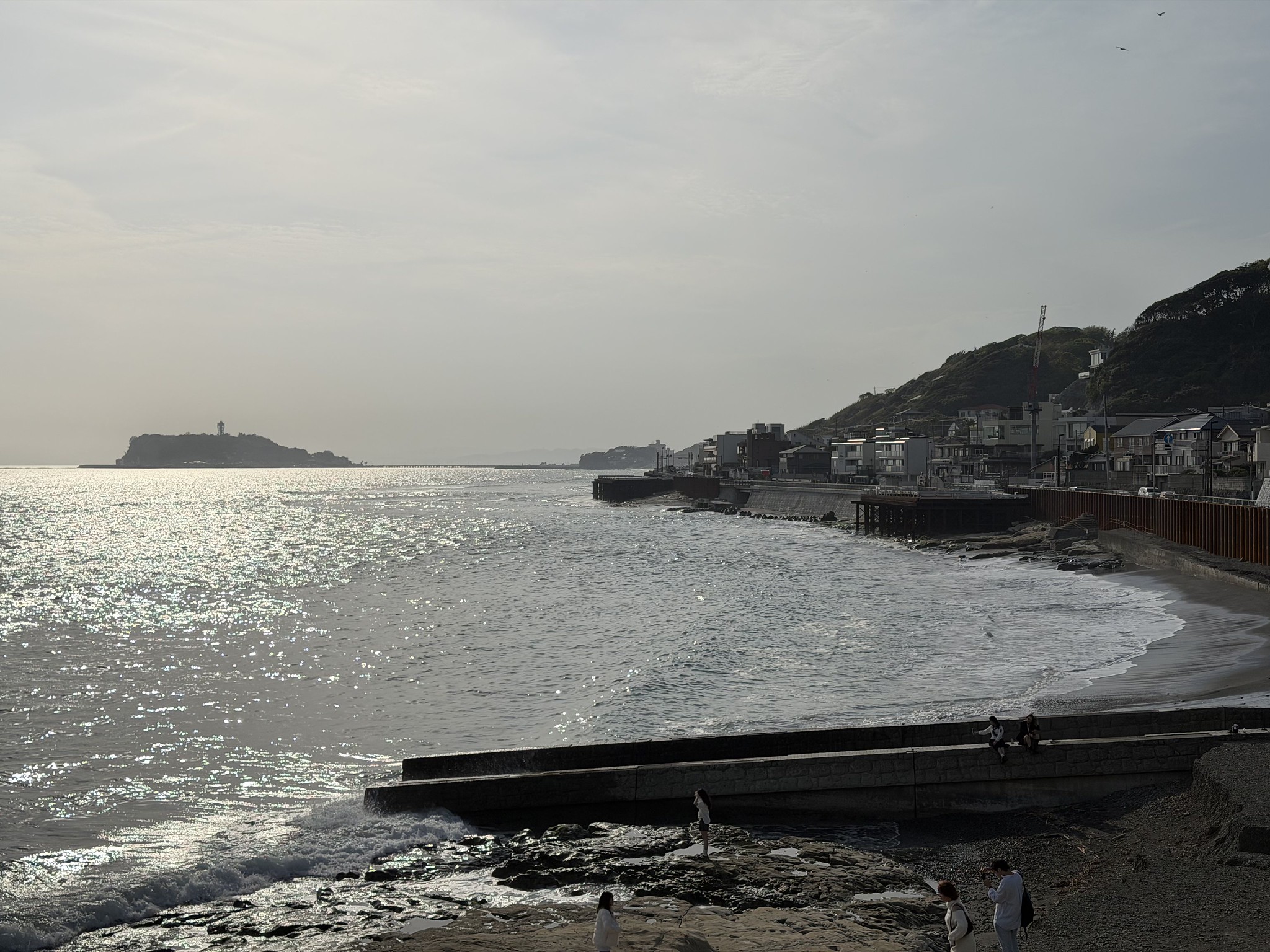
This is supposed to be one of the best views of Mt. Fuji in Japan, but unfortunately the weather made it a bit drab. On the positive side, a bright sunny day would have been very exhausting considering how humid it was; for comfort, it was nice to have a bit of cloud cover.
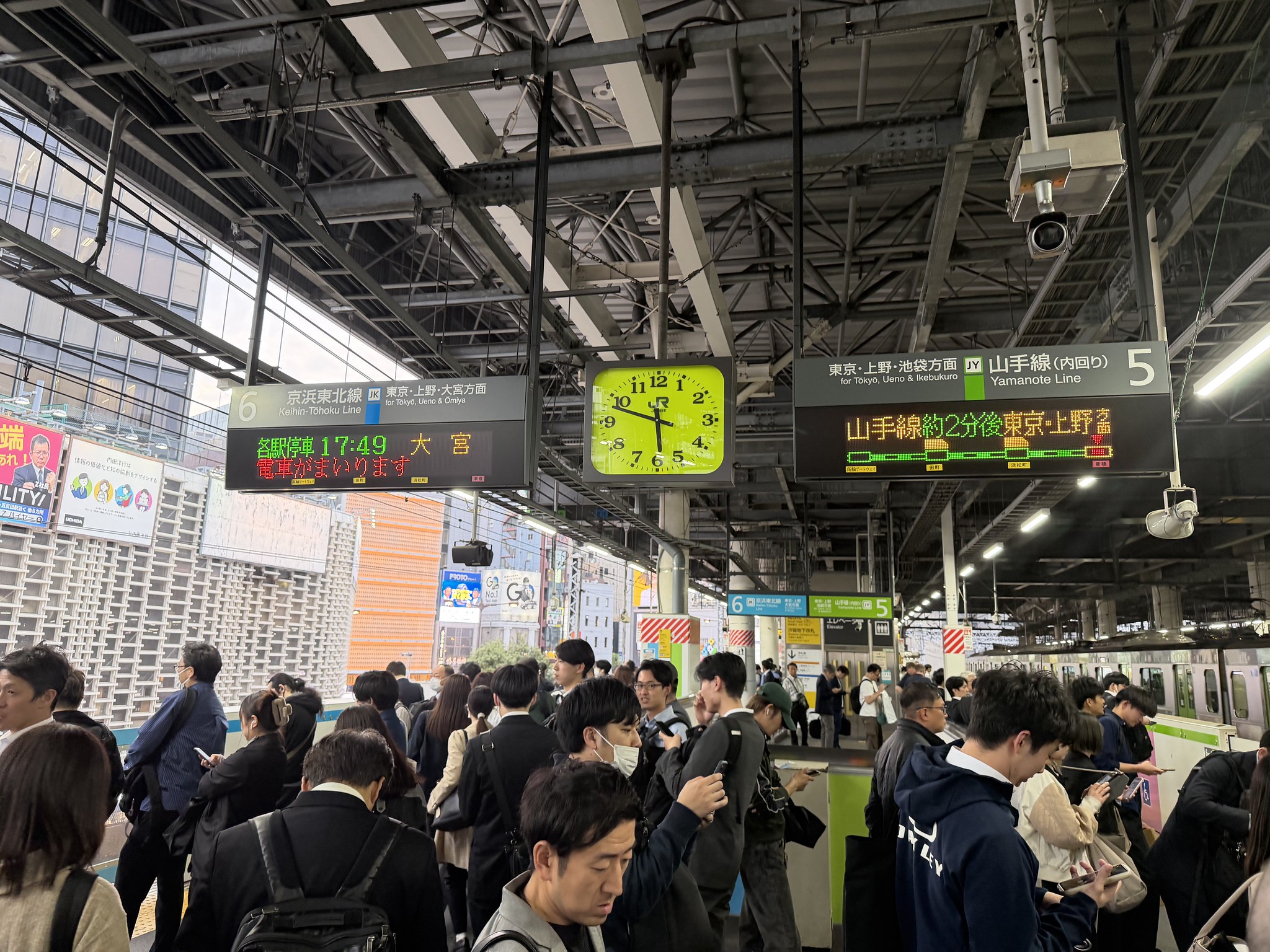
From Kamakura, we took the Yokosuka Line to Shimbashi Station to transfer to the Yamanote Line. This was right in the heart of rush hour, so there were definitely more people on the platform than I was used to seeing. And when the next train arrived there were already a lot of people inside, so we were smashed in there! Of course, I would rather sit down and relax, but it was a cool experience to be on a Tokyo train running near capacity. And in fact, not unpleasant; even the airflow from the HVAC was good. How do you get off a jam-packed train if there are 17 people between you and the door? We watched their system for a few stops, then went for it at Kanda Station. Even getting off the train was exciting for me.
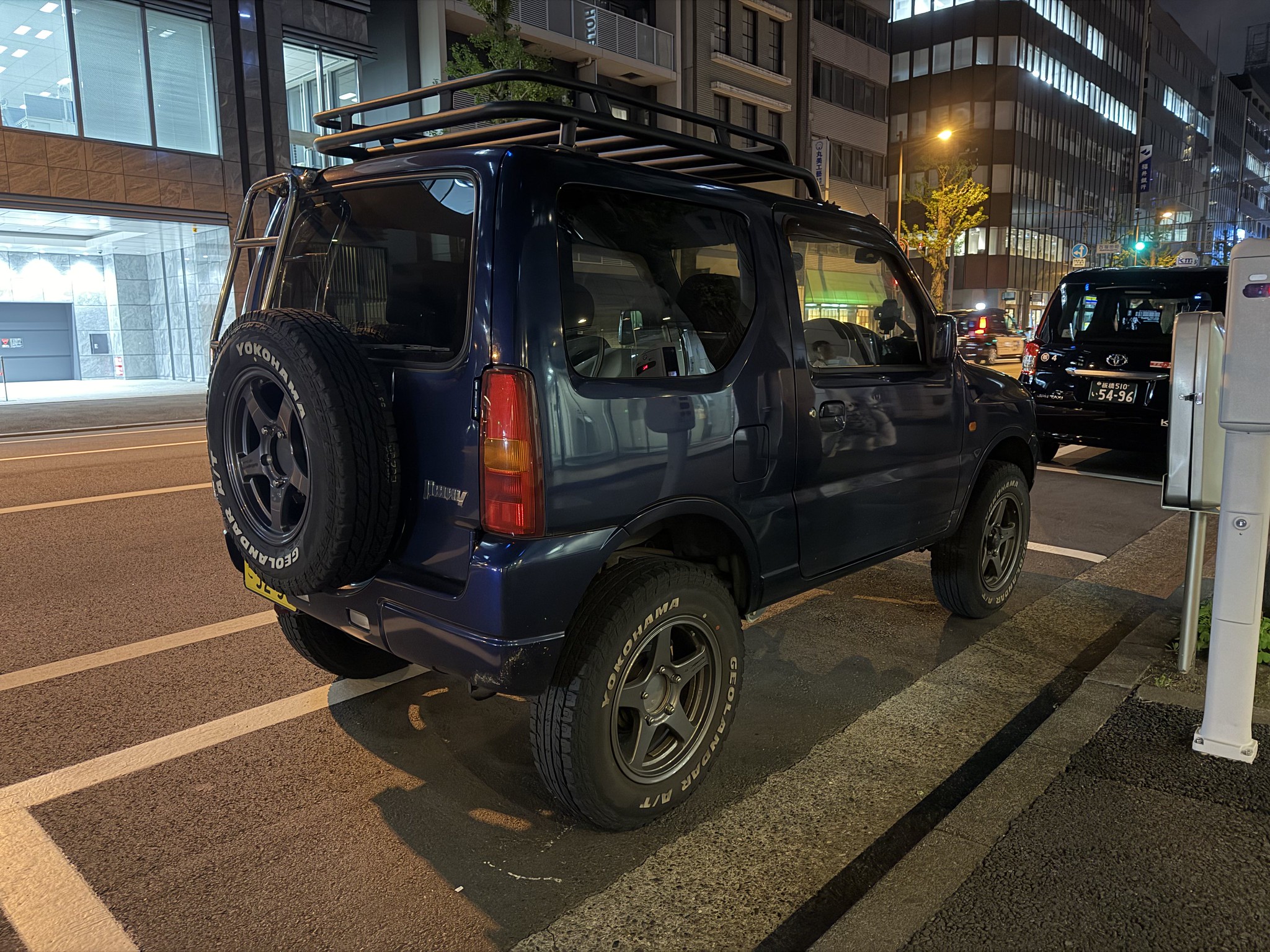
On the way back from dinner, we saw a cool kei Jimny. By forgoing the big bumpers and fenders, this version of the Jimny is 5 inches narrower and 11 inches shorter than its wide brother.
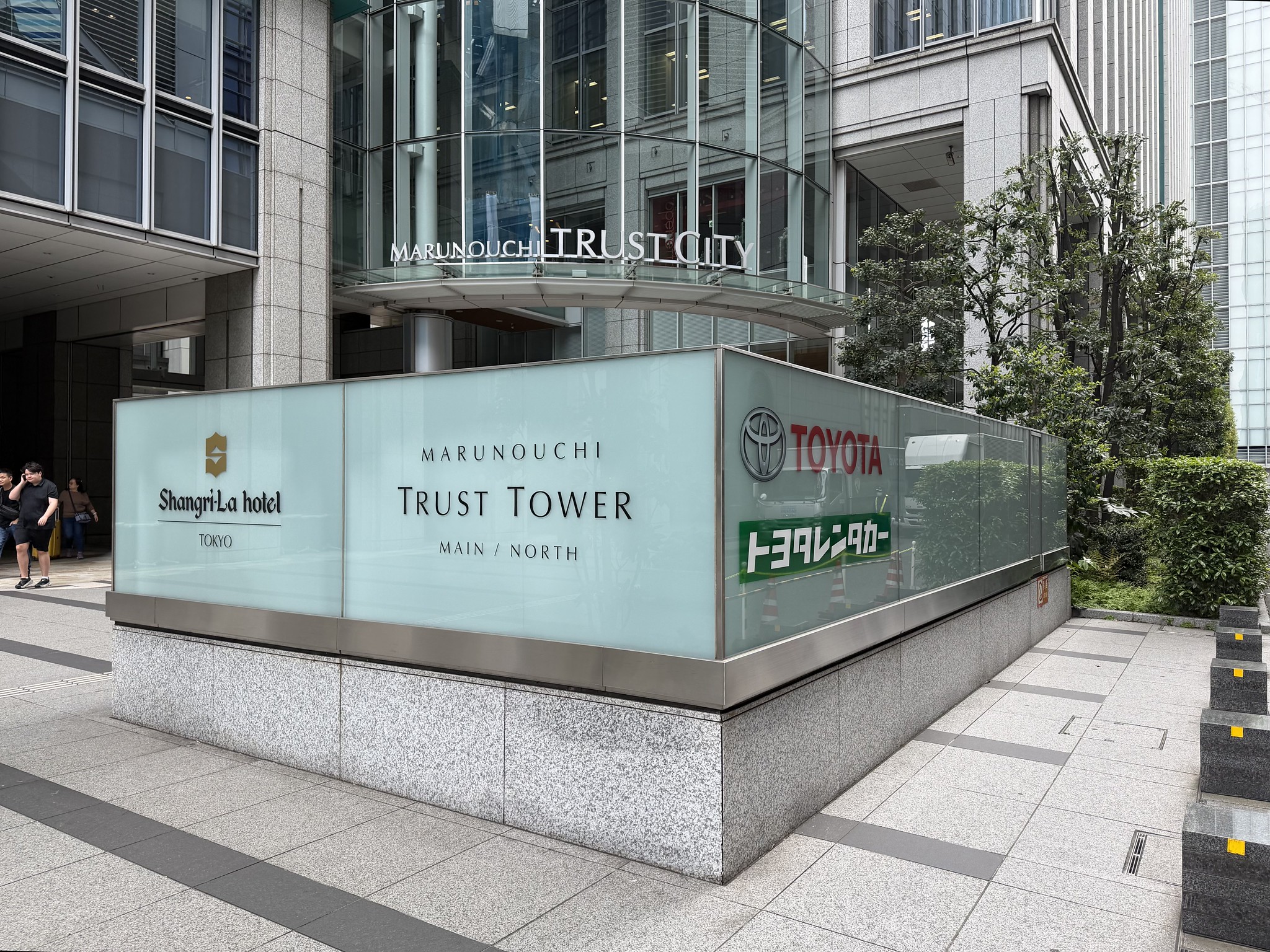
On Wednesday morning, we packed our suitcases, dragged them a couple hundred meters down the street to Kanda Station, and rode one stop down to Tokyo Station. Buried deep within the parking garage was our destination: Toyota Rent-a-Car.
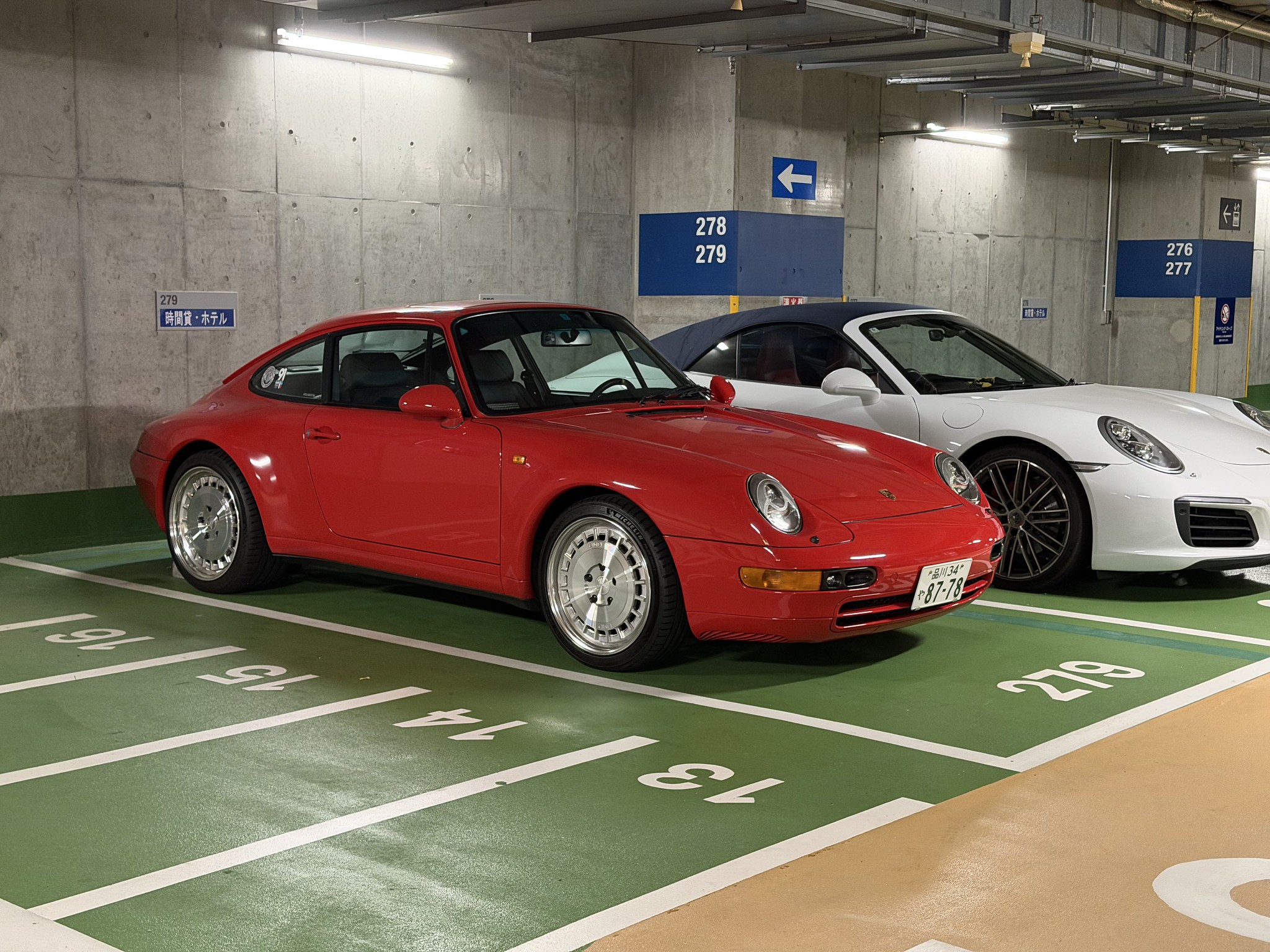
On the way through the garage, I saw this lovely Guards Red 993 on Barramundi wheels.
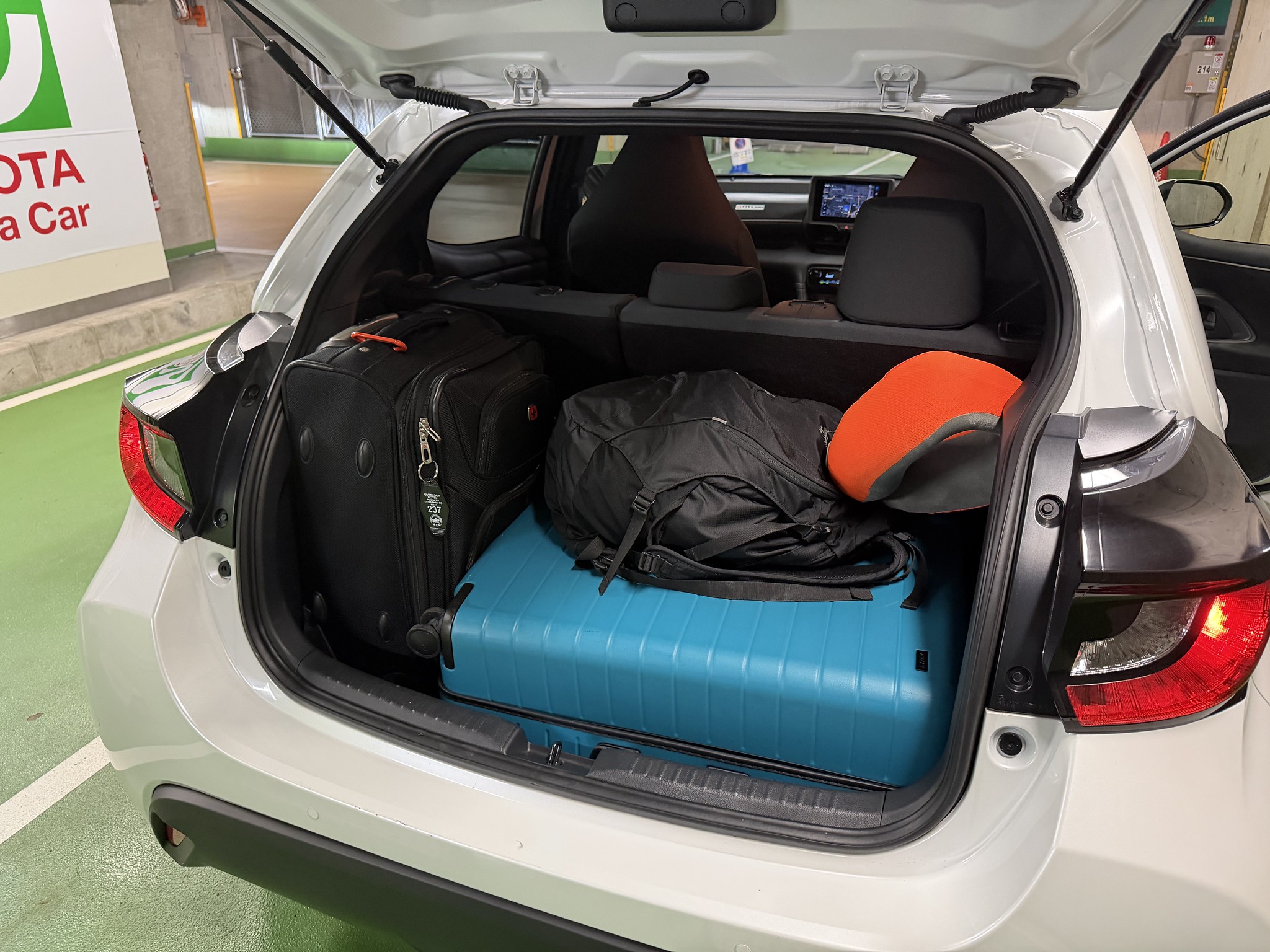
All of our stuff fit in the trunk of our rental Yaris! The suitcase on the left was able to get pushed forward a bit. I was initially worried about my large checked bag, but the trunk easily swallowed it. Also, I strapped down my backpack on the seat behind me even though it would have easily fit in the trunk, just for the ease of access; and I took off the rear headrest for visibility.
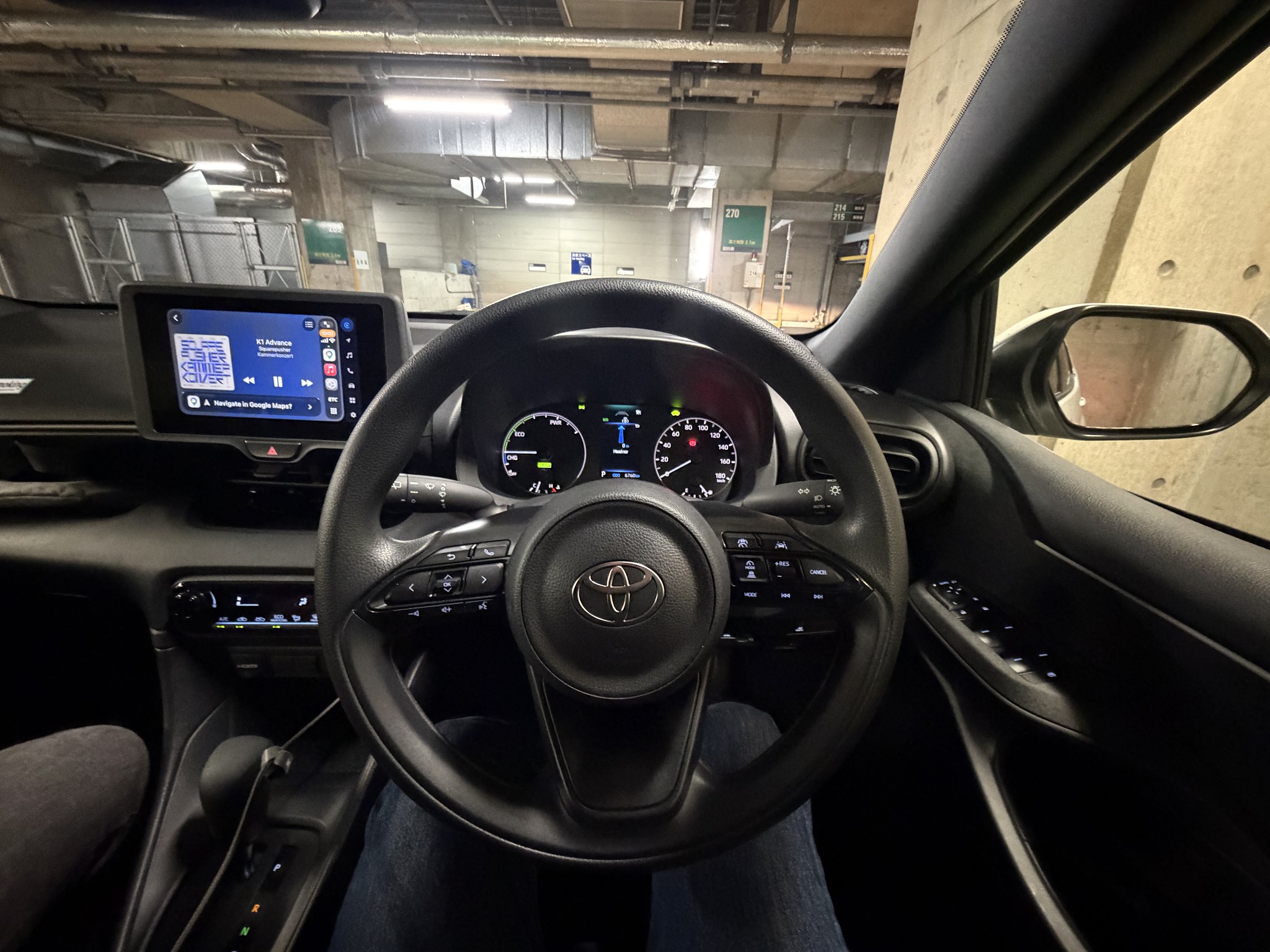
This Yaris had an interesting interior: black plastic and a bit of mouse fur, with two good digital displays and high-quality buttons. Call me crazy, but I like a plastic steering wheel in a car like this; my e-Golf and Prius had rough plastic steering wheels that just worked perfectly for what the car was intended to do.
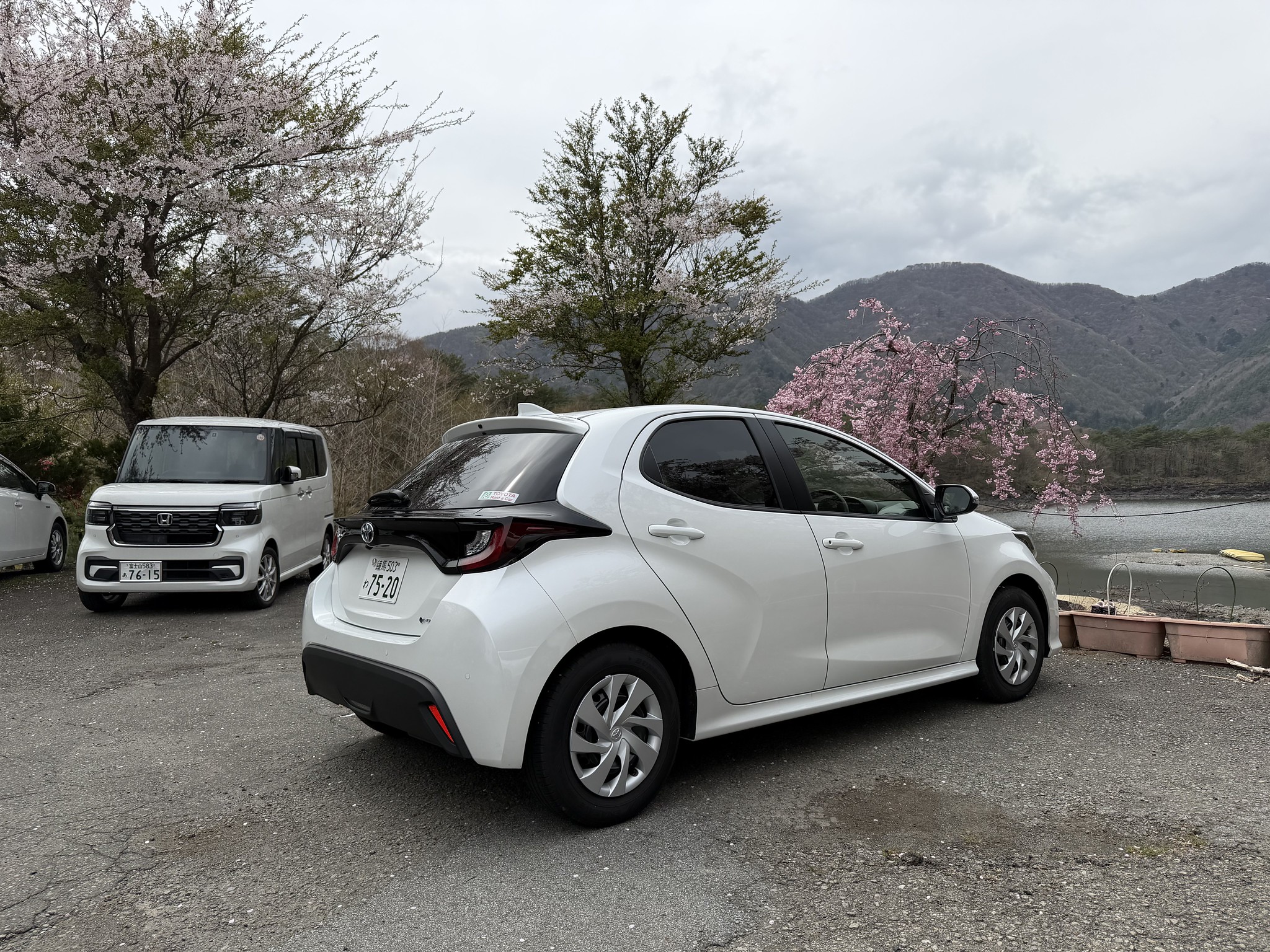
The reason we rented a car was because Stefan really wanted to visit Aokigahara, a forest near the base of Mt. Fuji, which is a very rural area. Technically it would be possible to get out there via public transportation, but it would take close to 3.5 hours compared to about two hours by car, and then what about getting around that area? Plus, for me of course it was a huge draw to be able to drive a car in rural Japan.
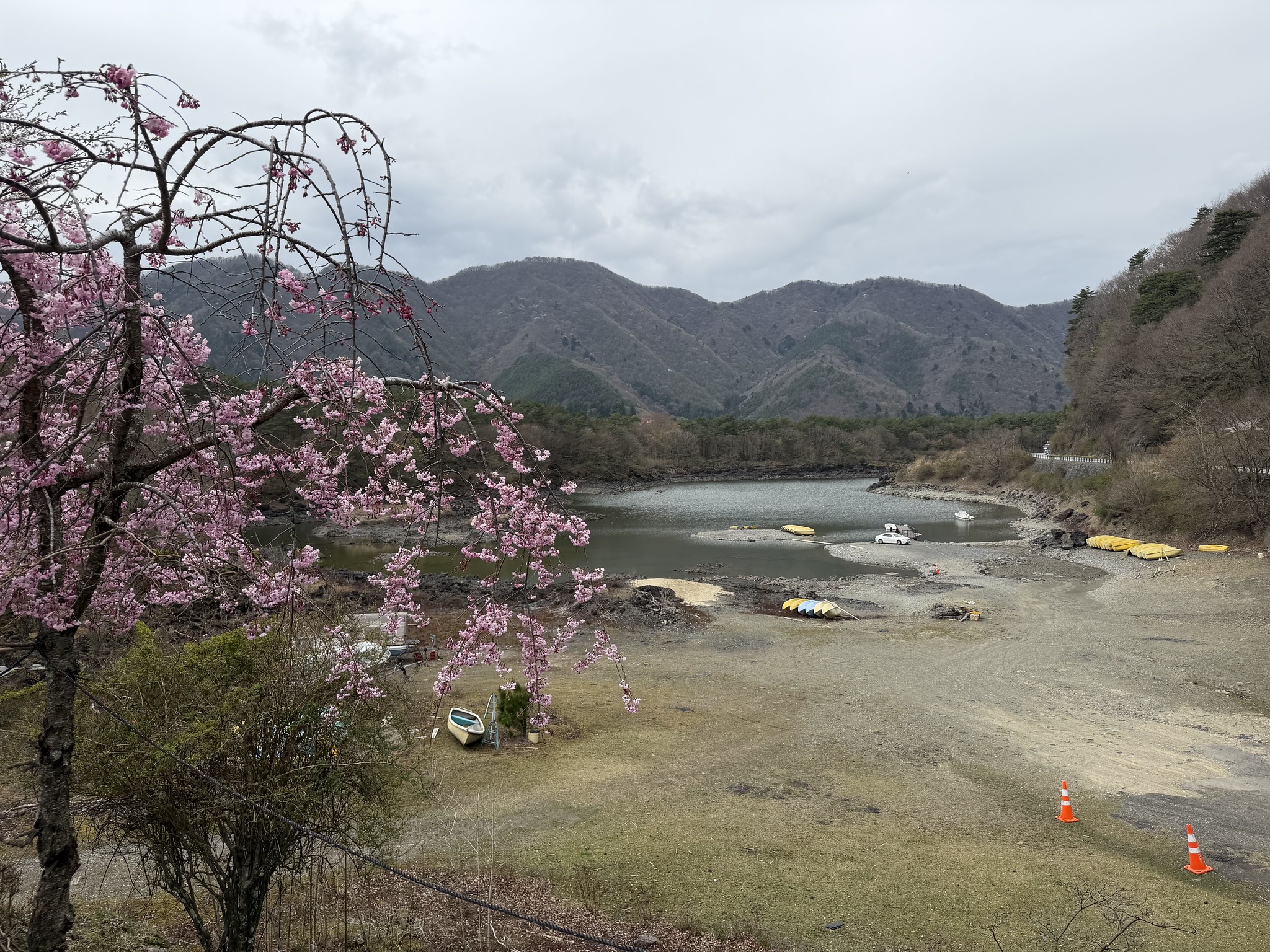
When we got out to the area, it was getting close to noon and we realized it might be a good idea to eat lunch before starting a hike in the woods. We stopped at the next place we reached after this realization, which happened to be here. From the parking lot, past the sakura, we could see a guy tending to the boats.
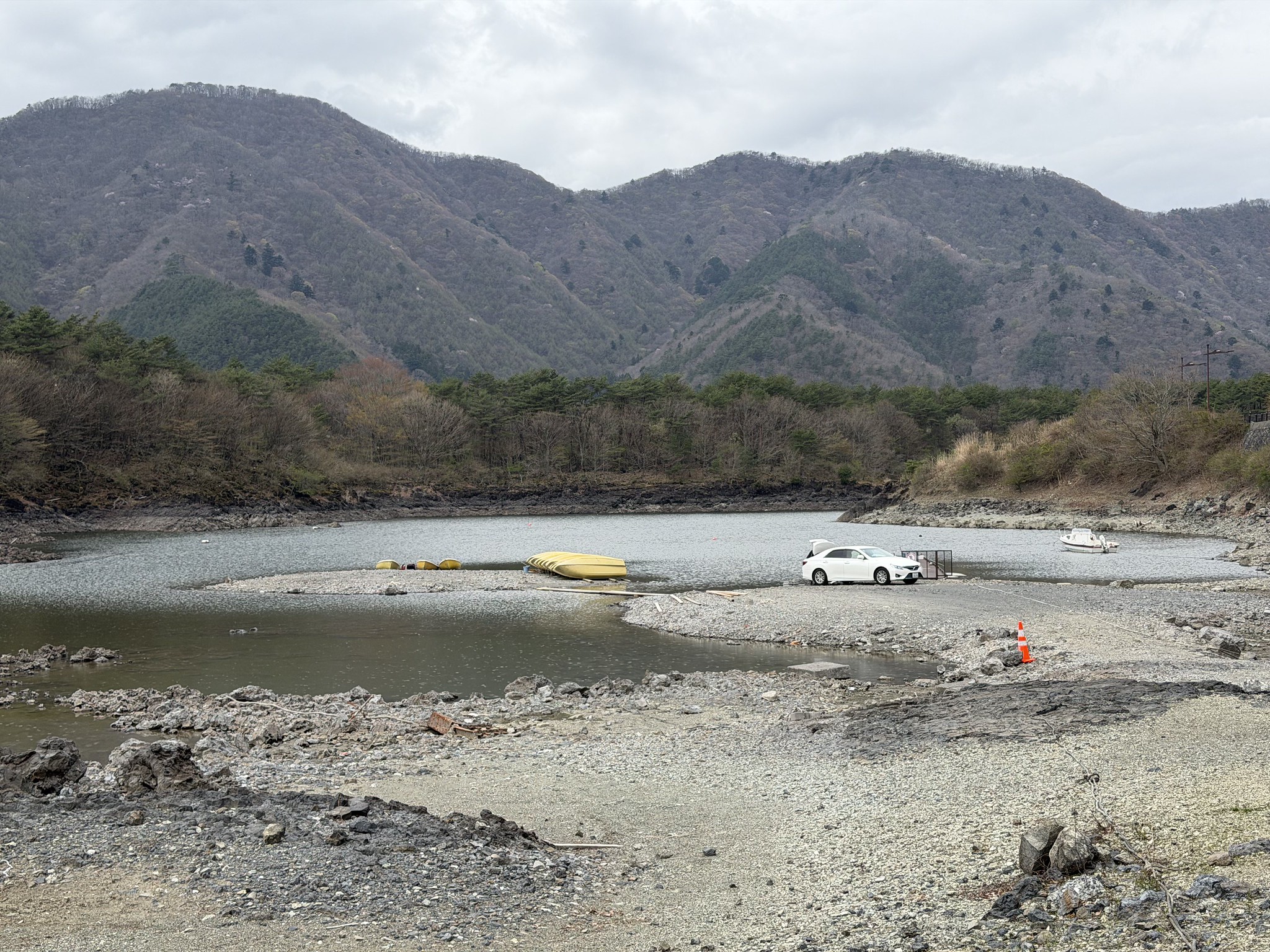
We walked down to check out this lake and it began to rain. Fortuitously, I was wearing a brand new windbreaker-with-hood that my mom had just gotten me for my birthday in anticipation of moments exactly like this. Thanks Mom!
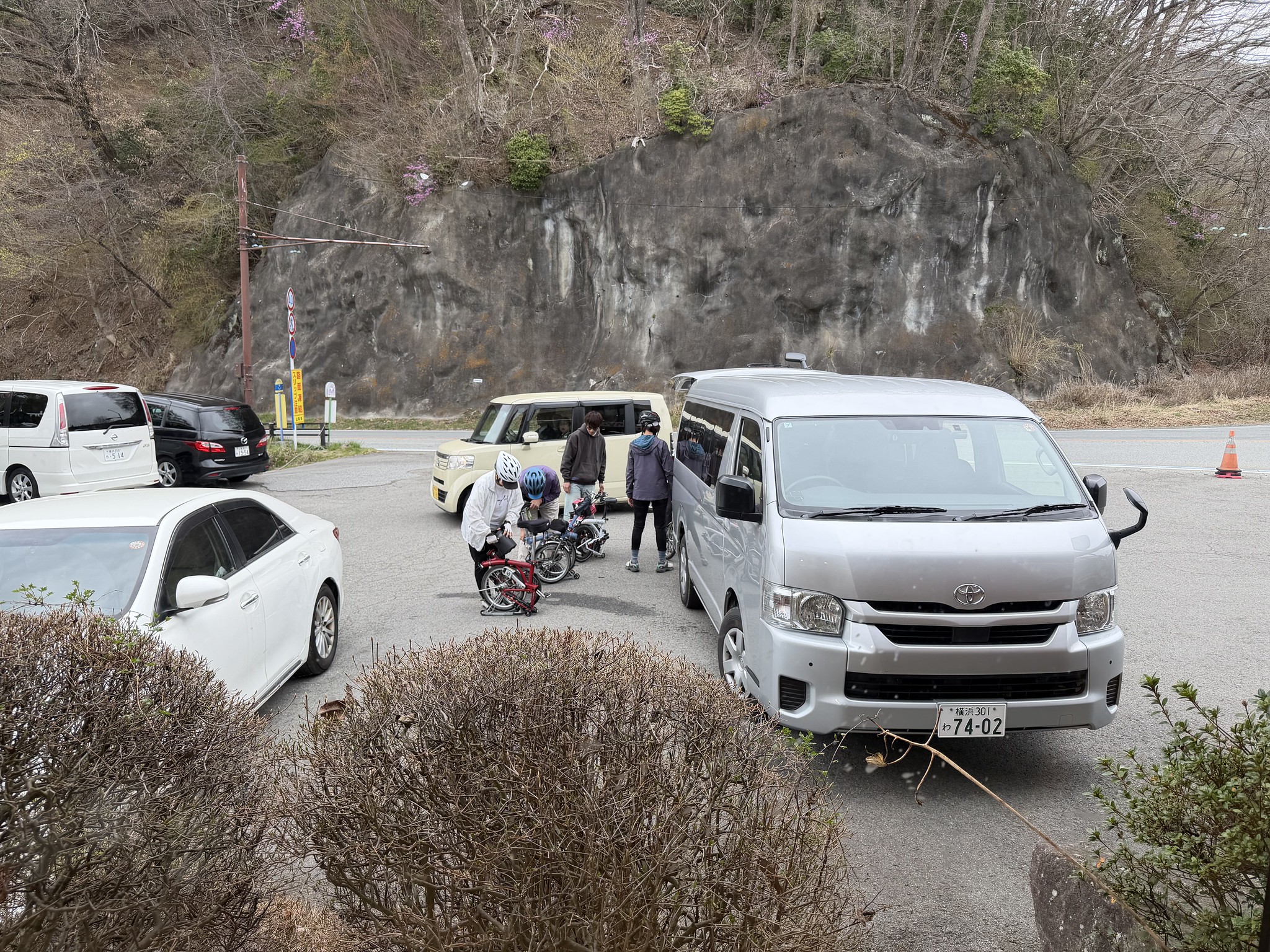
Then we shared some little local fish and I had curry katsu at this restaurant. Sadly I did not take any photos inside or of the restaurant, but this was my view straight forward from where I sat. A tour bus carrying a group of…are those Bromptons?
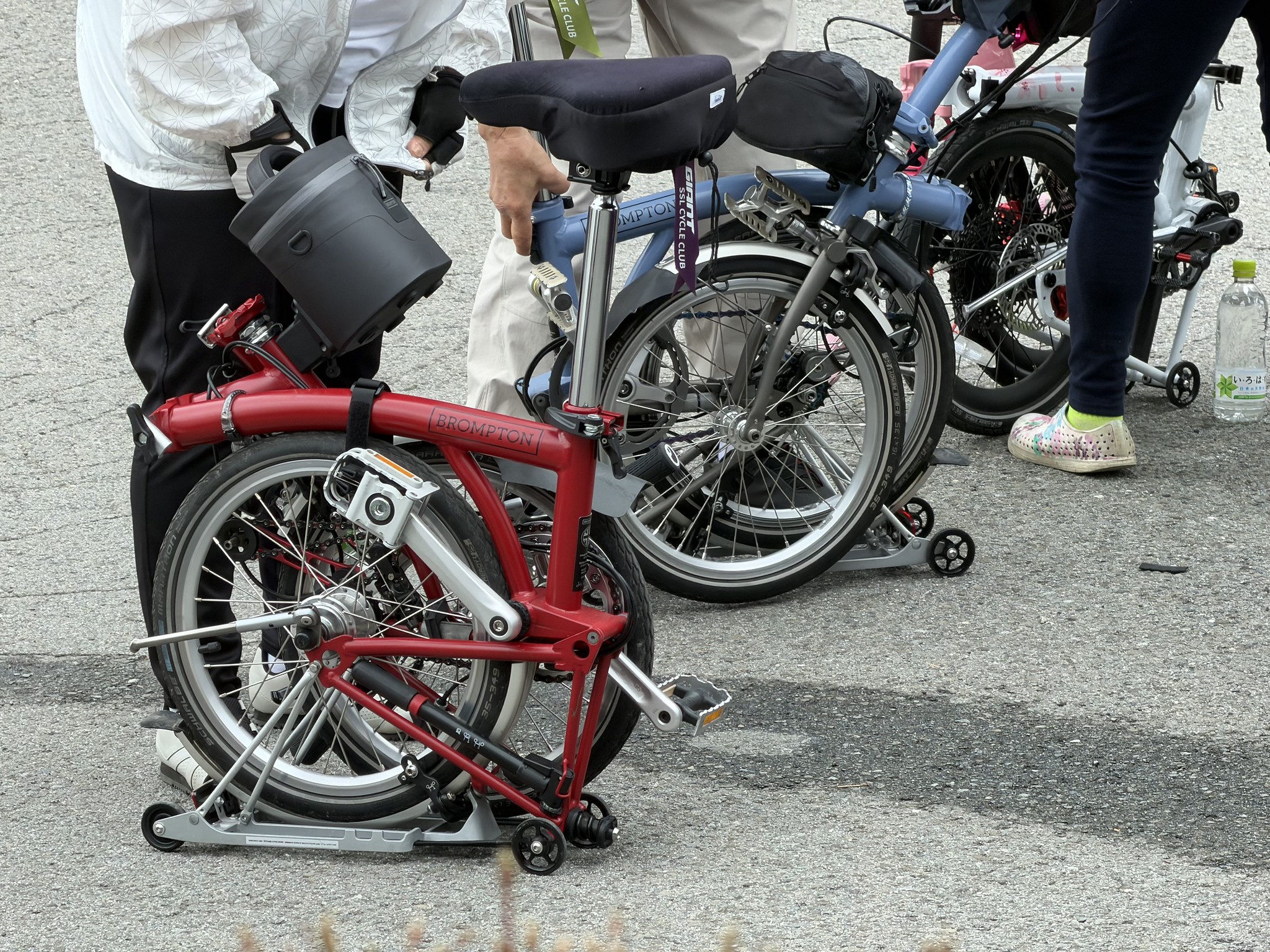
Riding in the mountains on small folding bicycles normally used by urban commuters? I’ll let you judge the wisdom of that ambition.
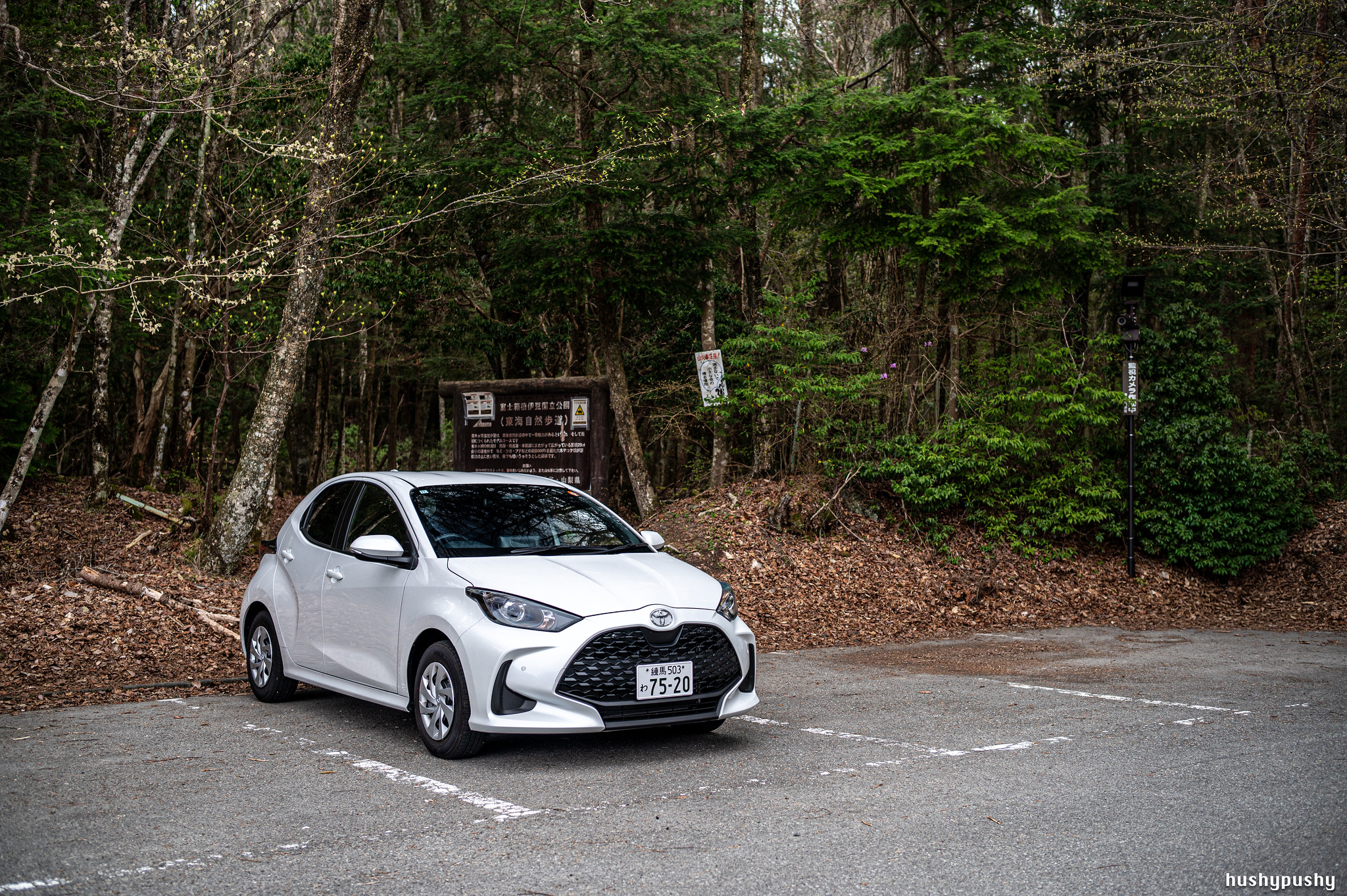
The more I drove the Yaris, the more I liked it. It was the hybrid trim, so it had a 1.5L three-cylinder and an electric motor up front; combined they make only 114hp, but it only has to pull around about 2400 lbs. The more I looked at that front end, however, the more repulsed I became. Are there any front end swaps for a fourth gen Yaris?
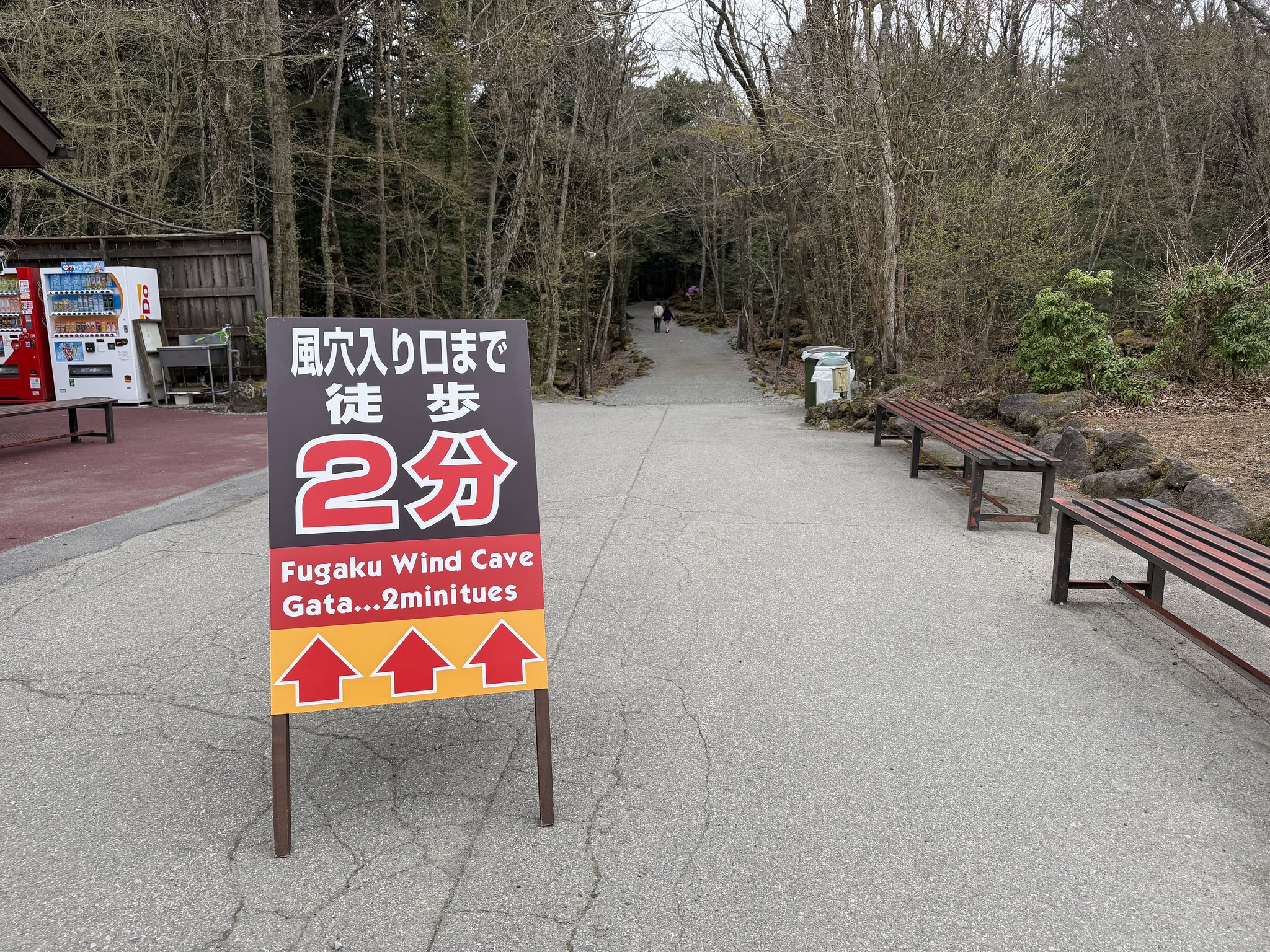
The parking lot for the trailhead for Aokigahara is shared with a couple other things, including the entrance to the Fugaku Wind Cave. By the way, “Fugaku” is another way to say “Mt. Fuji”.
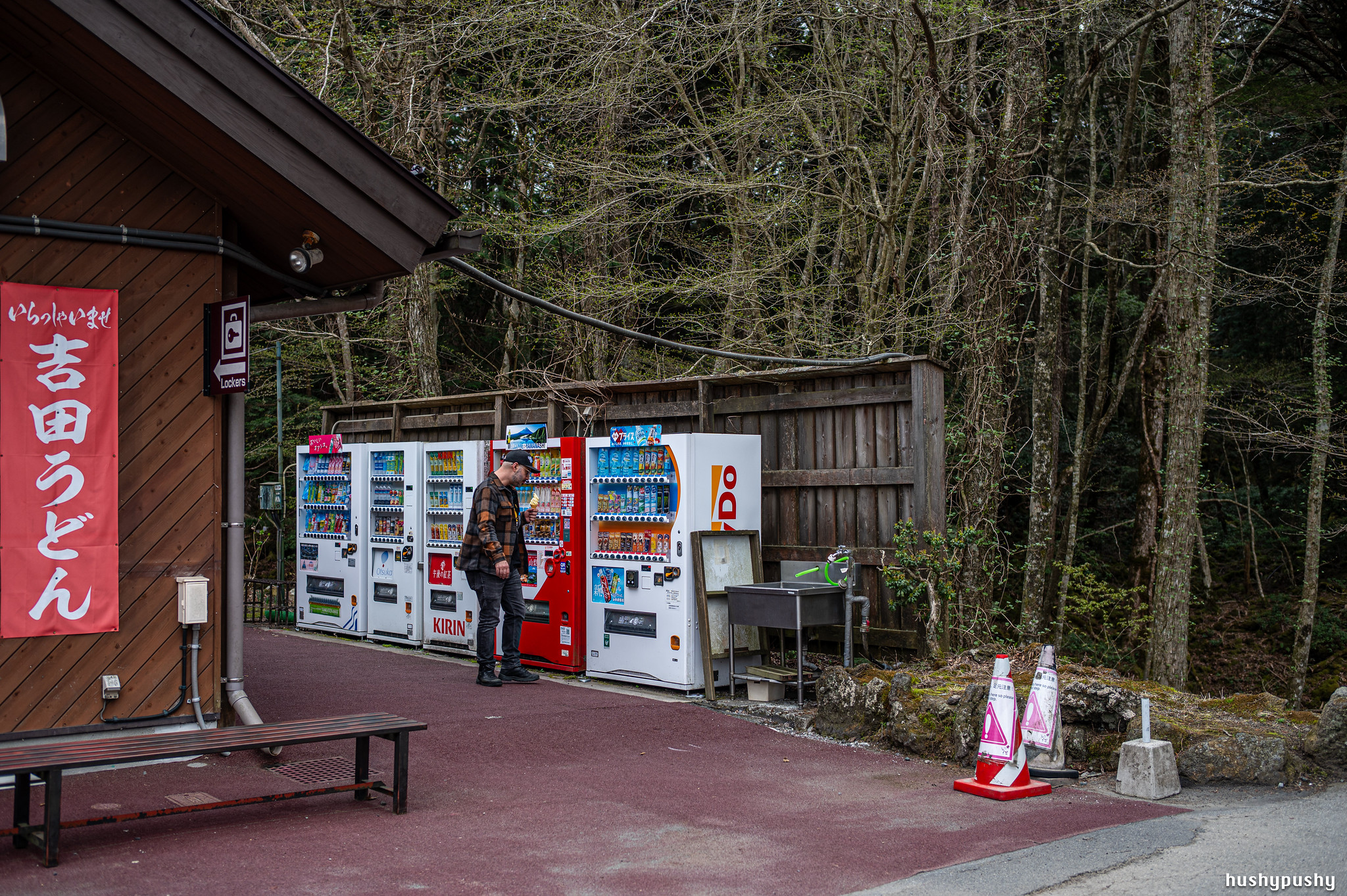
But first, vending machines! I love how they are literally everywhere. The upside is that I was never dehydrated for a moment–a real consideration when you walked as much as we did every day.
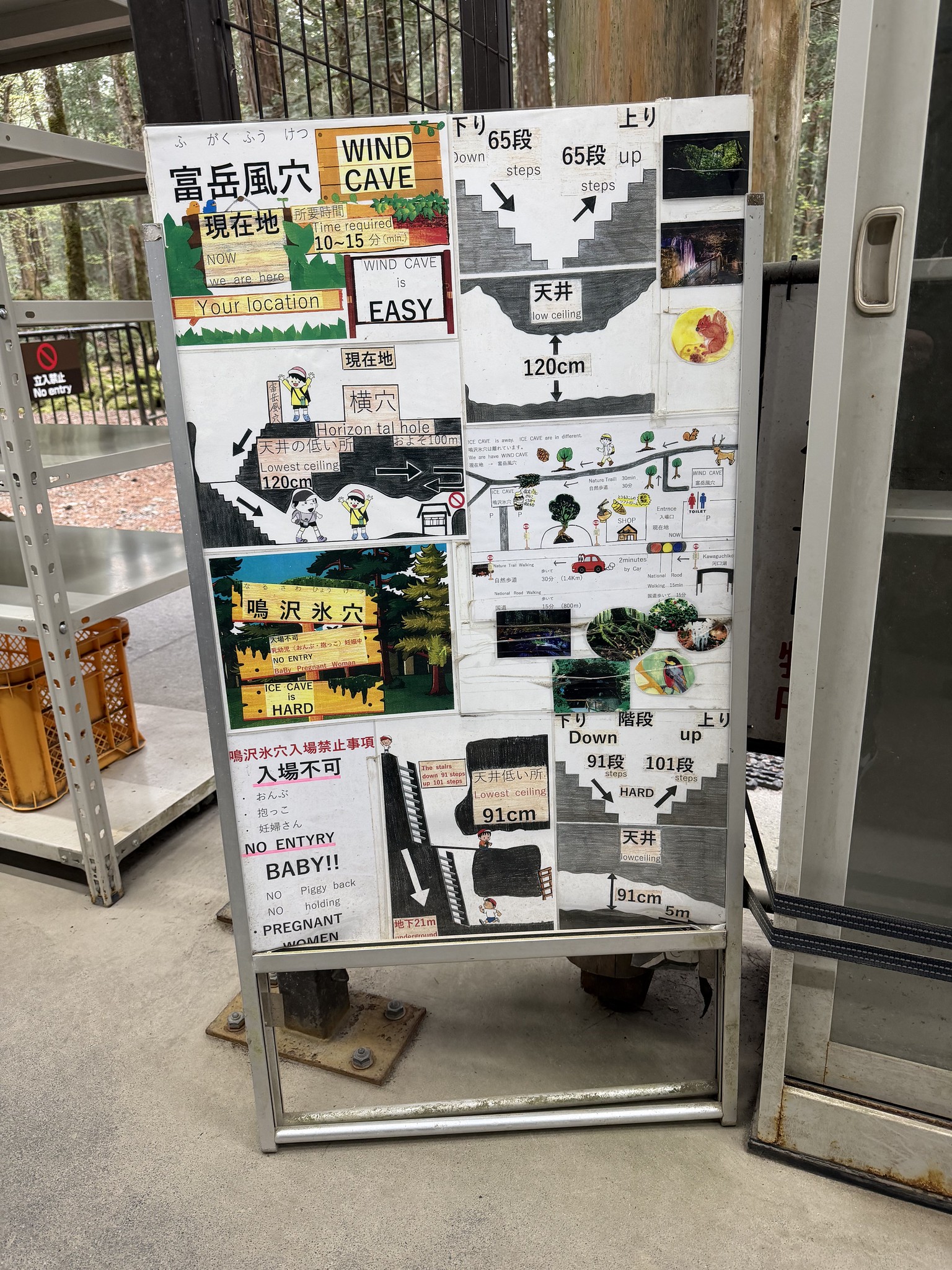
Down a short path was the entry to the Wind Cave where you could buy tickets. We decided to go for the combined Wind and Ice experience, despite the 91cm (~36 inches) maximum cave height of the latter.
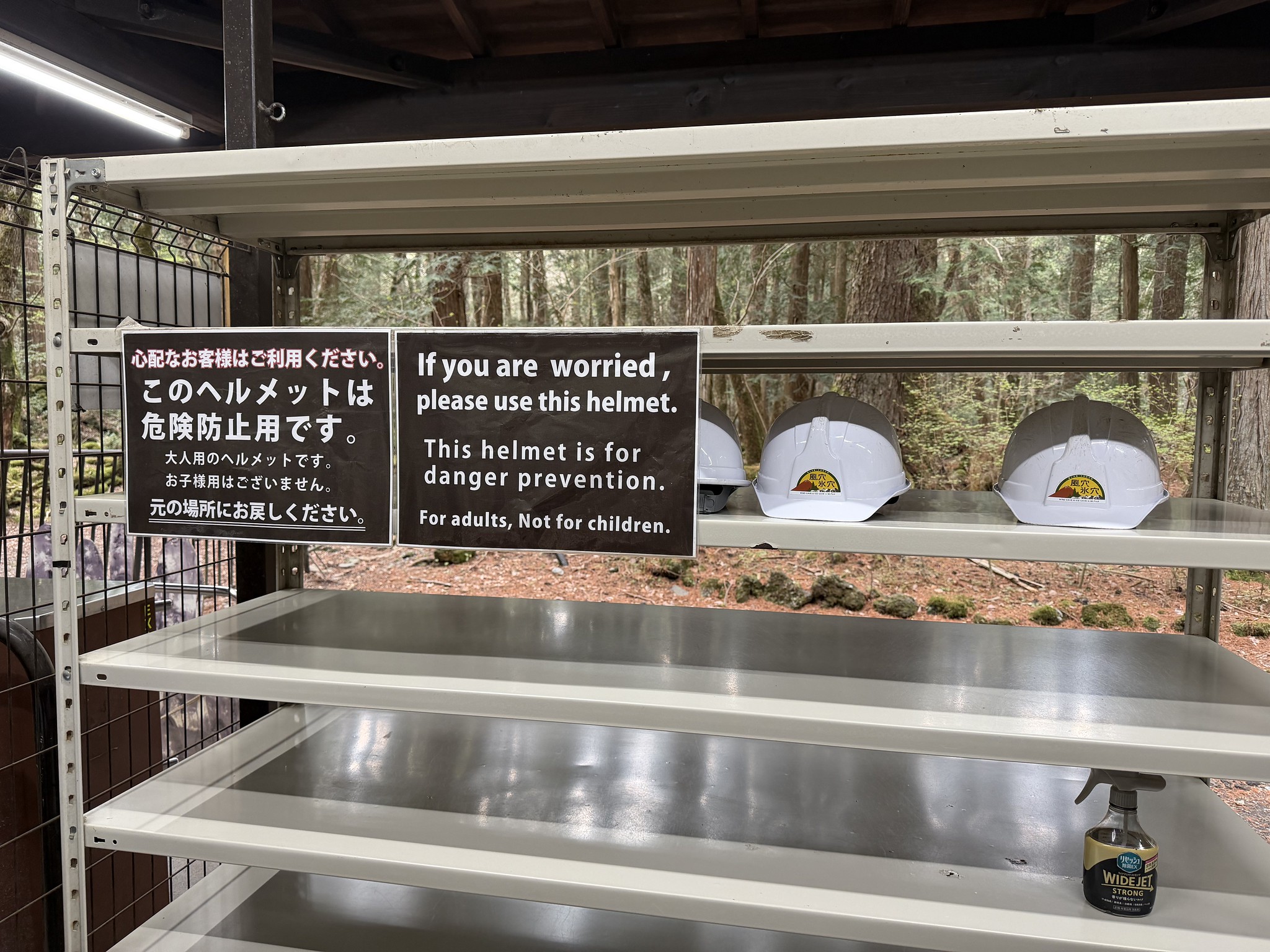
They had helmets for concerned adults. Eh, it’s only a tiny narrow tunnel in the most seismically active country in the world, what could go wrong?
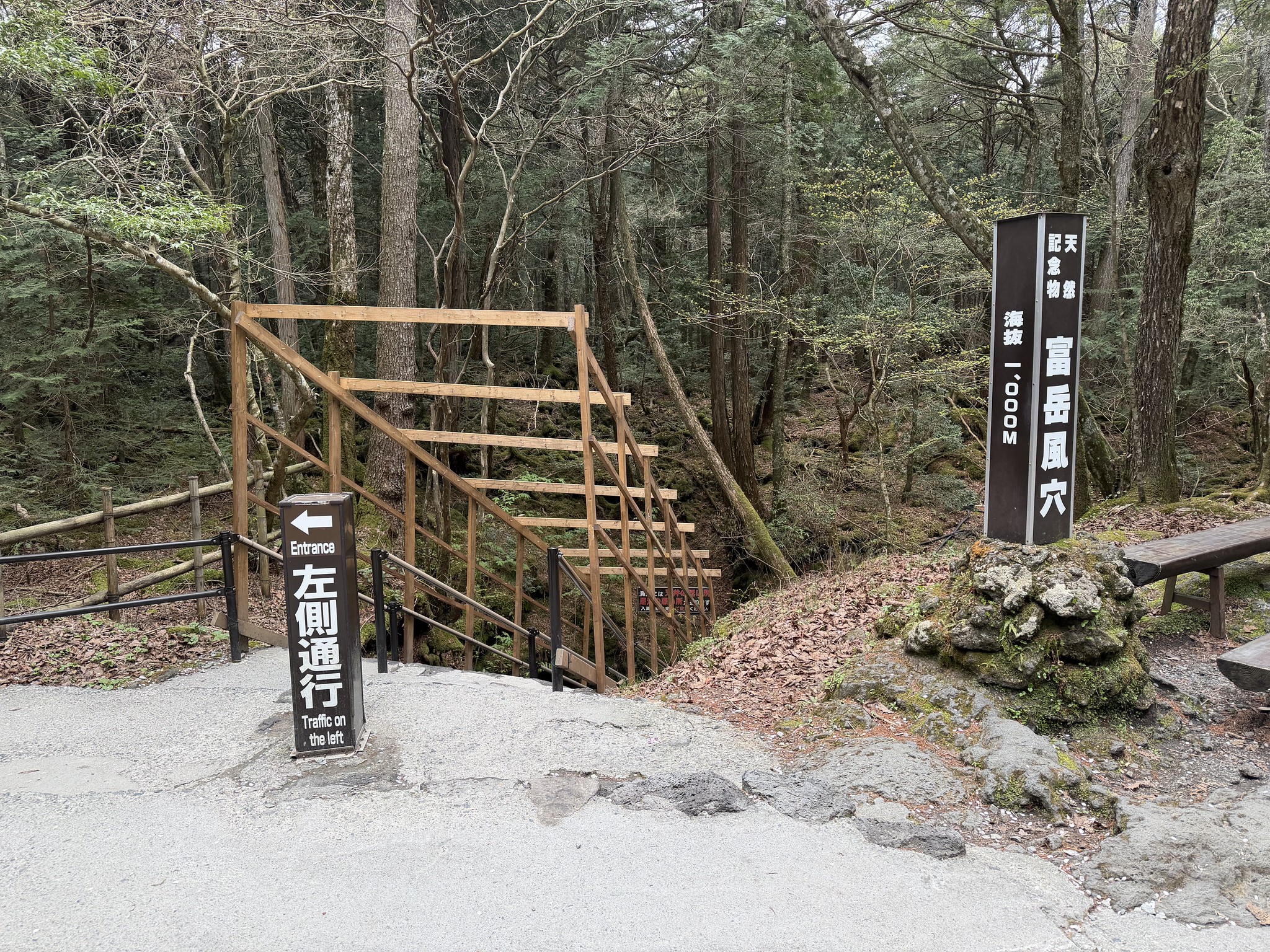
We made our way to the entrance, which is a steep staircase right down into a hidden hole.
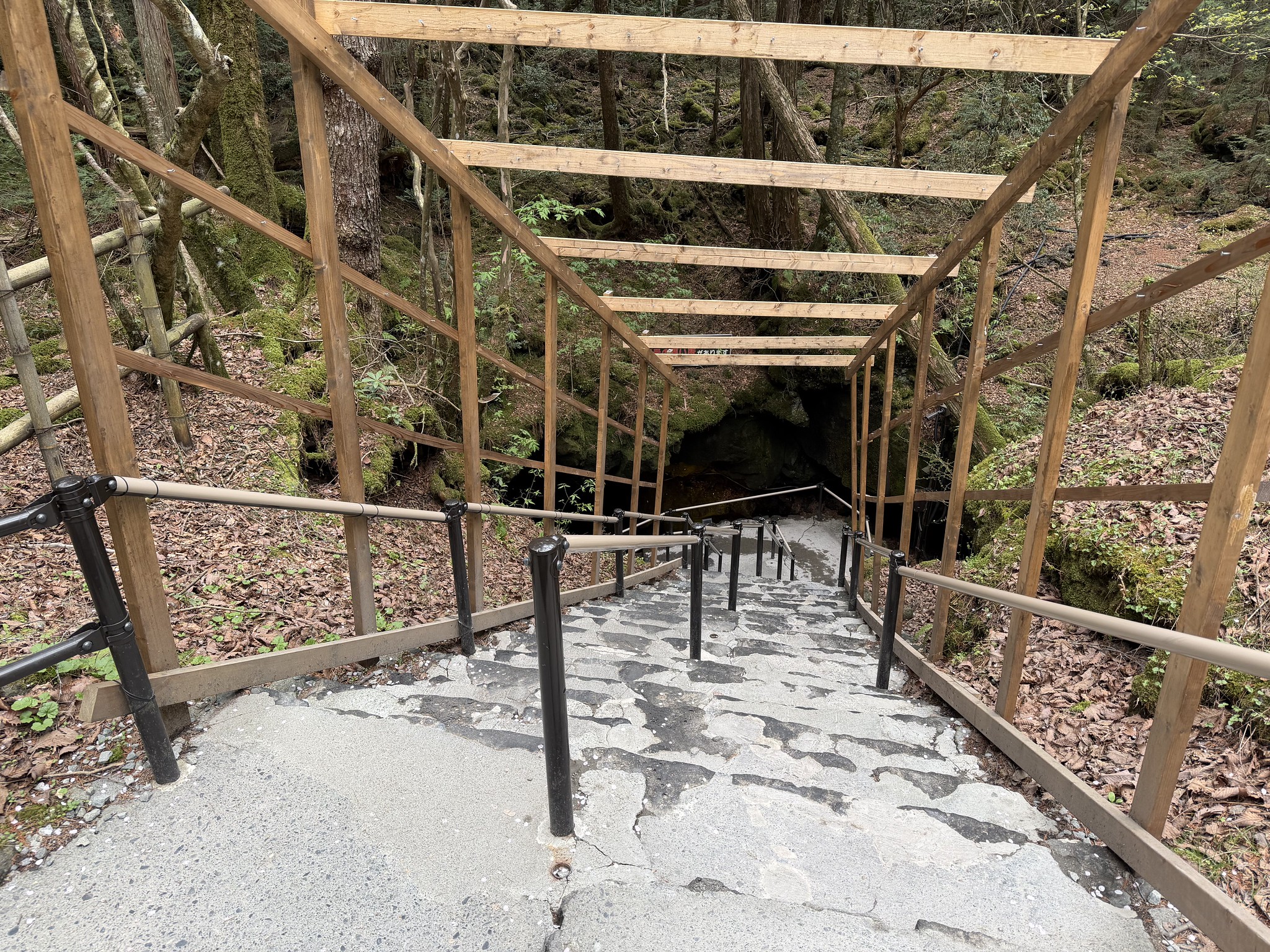
Of course, I appreciate the paved staircase with accompanying handrails, but I tried to imagine what it was like before all the tourist infrastructure.
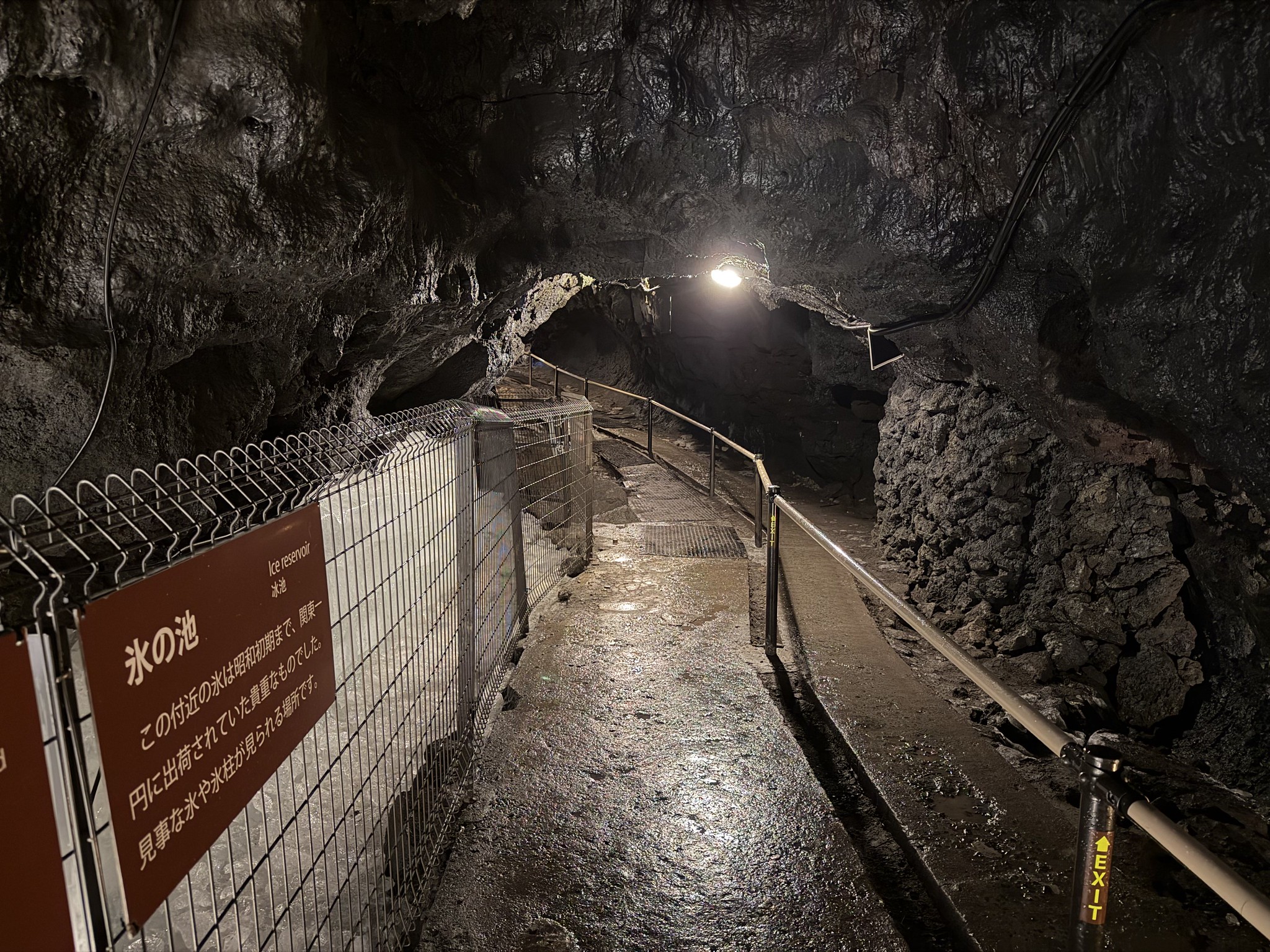
Despite the obvious modern technology, it was still a thrill to be down here. I was genuinely a bit scared! The ceilings were low and a thermometer on the wall inside revealed a temperature of about 2 degrees Celsius. It’s called “Wind Cave” because there is actually a bit of airflow in here. It doesn’t feel damp or stuffy, so the air is at least one less thing to worry about at least.
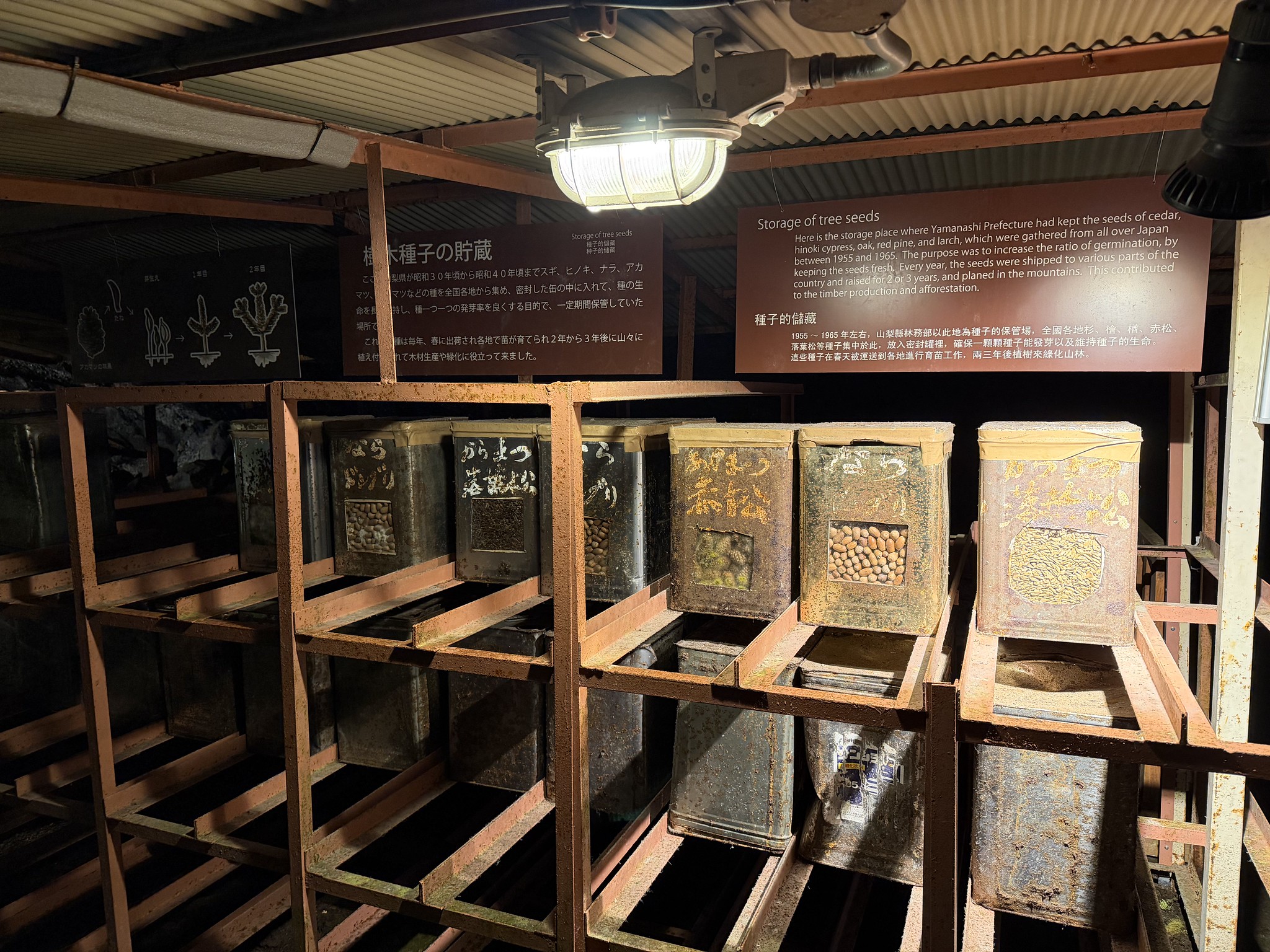
This particular cave was apparently used to store seeds, and recently too.
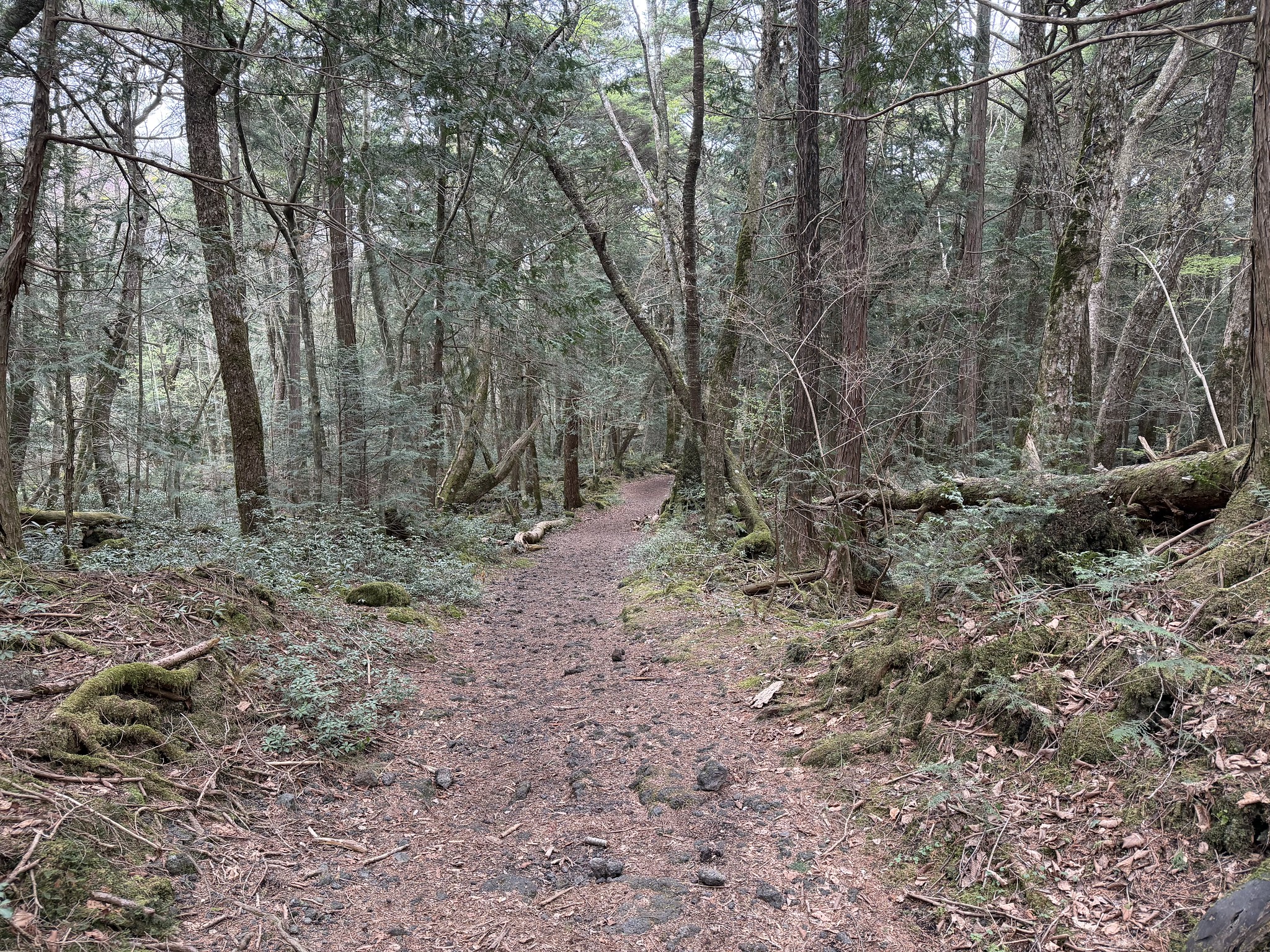
Then we explored Aokigahara, a very trippy forest. There was a massive eruption from Mt. Fuji in 845, and this forest grew out of the lava flow. The ground is made of porous volcanic rock, so it’s a bit springy underfoot, sort of like a playground. It also absorbs sound, and there didn’t seem to be much wildlife present, so it was eerily quiet.
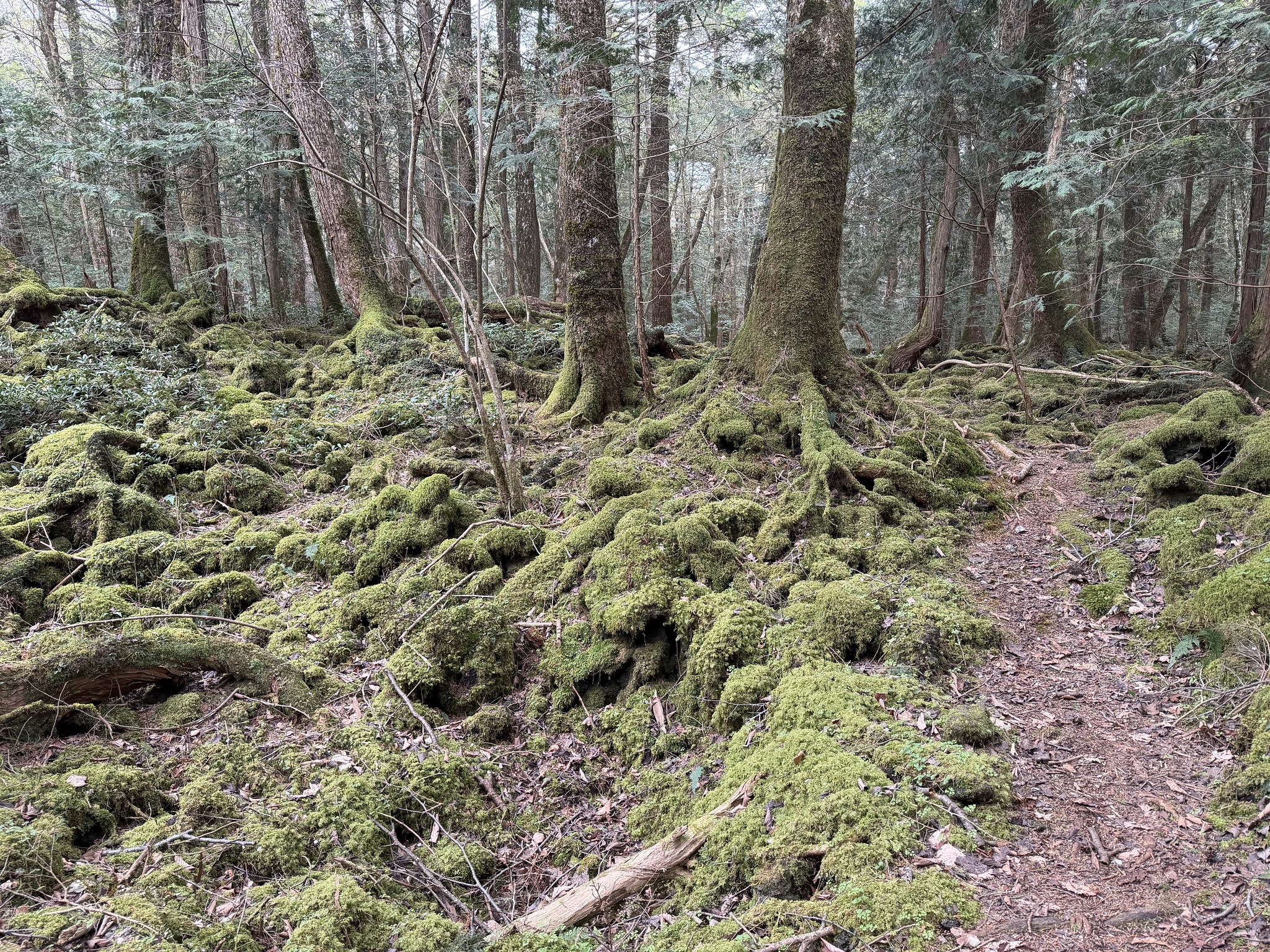
There were volcanic rocks and tree roots going everywhere, with a thick coating of moss over everything. It was also a cloudy day, so it had a bit of a spooky atmosphere.
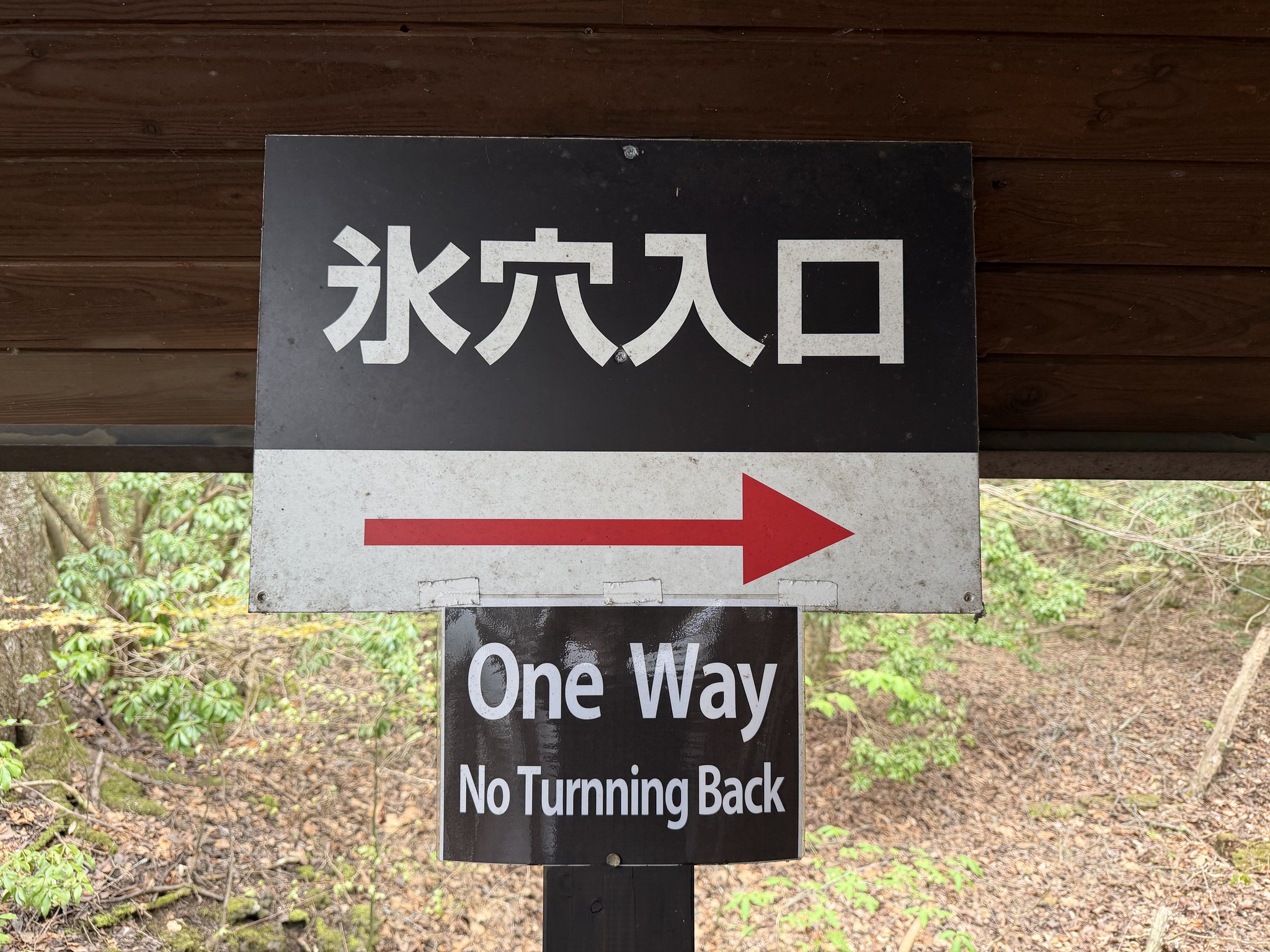
We drove down the street to the Ice Cave, and I started getting nervous about this tiny cave. Then I saw Japanese families going through and realized there was no reason I couldn’t do it. Thankfully Stefan was into it so we proceeded.
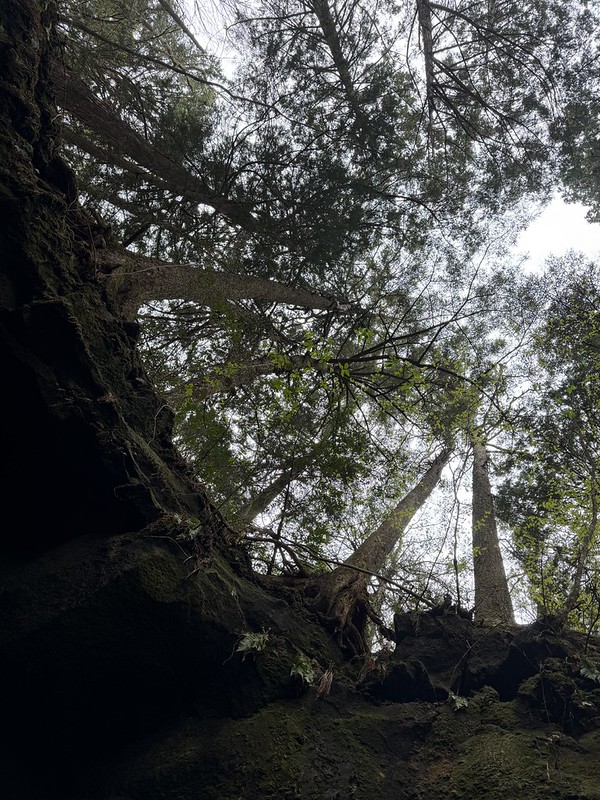
Where the Wind Cave was pretty empty and we only saw a couple other groups of people down there, the Ice Cave was packed: the line to get in was backed up onto the staircase going down in the hole. Waiting in line gave me time to ponder about these trees perched right on the edge.
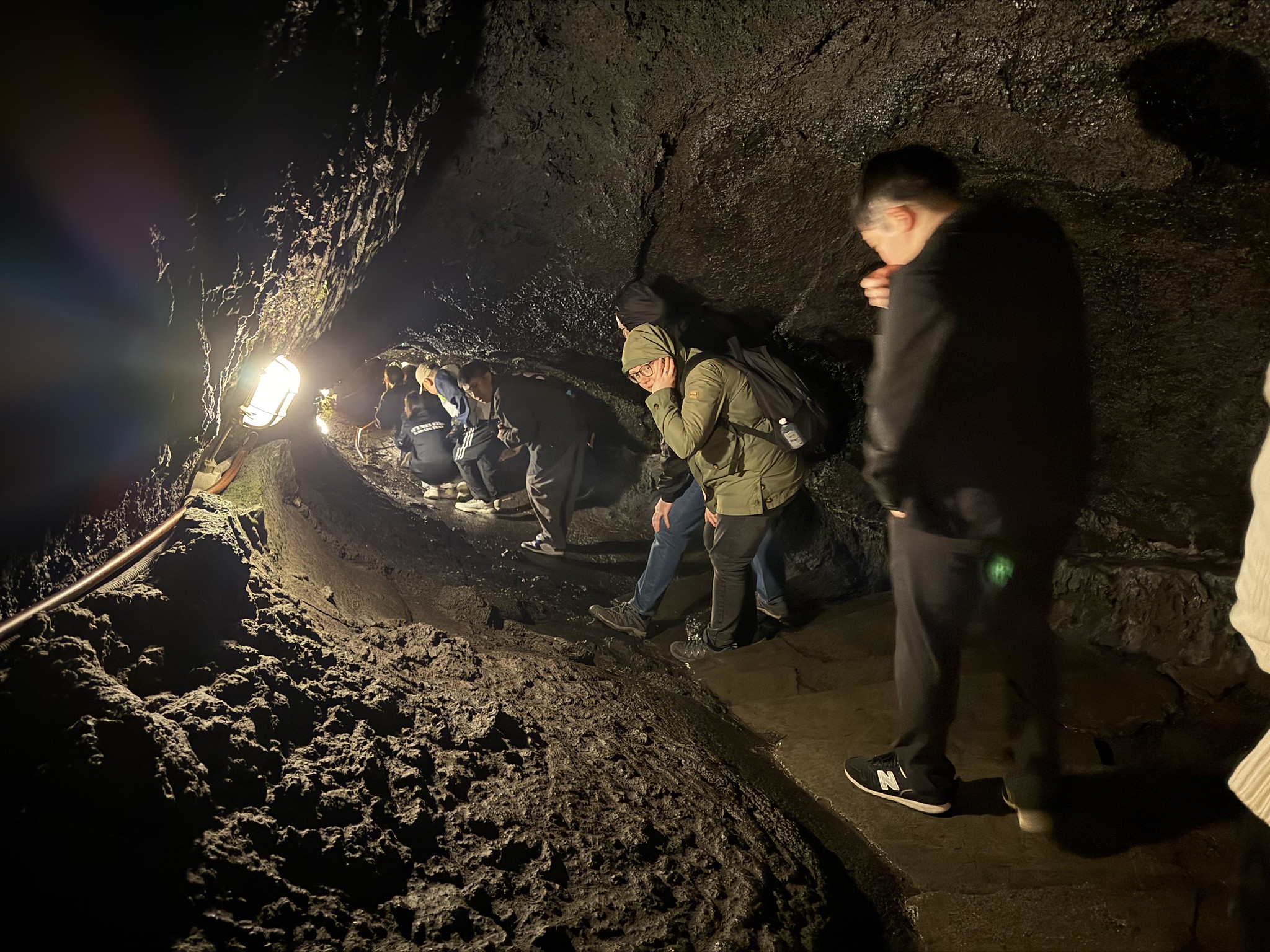
This is the point where it narrows down to the tiniest bit; up ahead you can see the start of the handrail they placed on the floor to help people shuffle by. Also note the sheer amount of people: where we saw just four other people in our entire time going back and forth through the Wind Cave, we were in a conga line of people all the way through the Ice Cave. This cave was much narrower, and it did start to feel like some doomsday scenario as we all shuffled through.
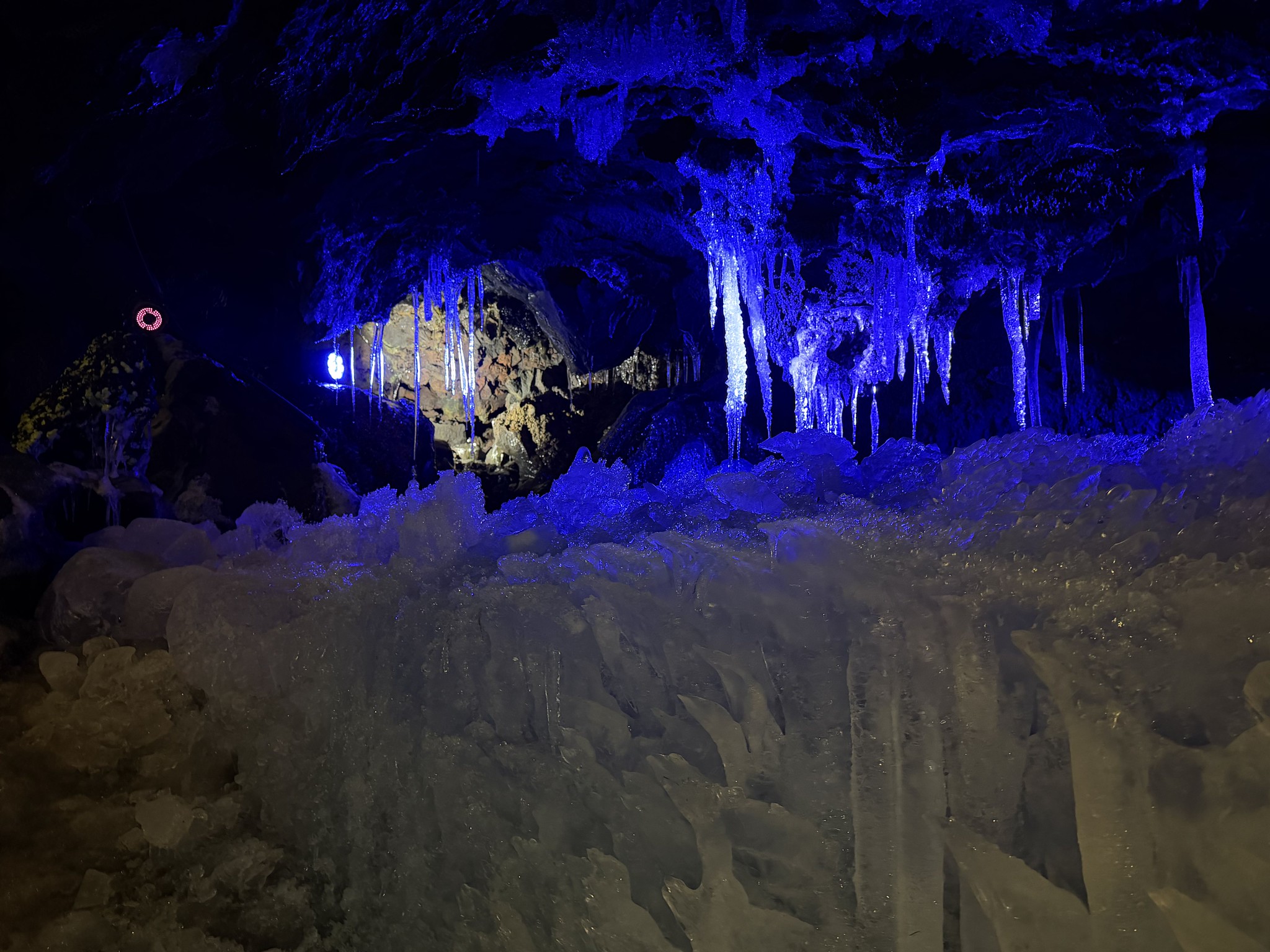
Yup, there was a lot of ice down there. This one was even colder than the first cave. Perhaps because of the stillness, or perhaps simply because of the short duration, but I didn’t feel cold at all down there at all in my light windbreaker jacket.
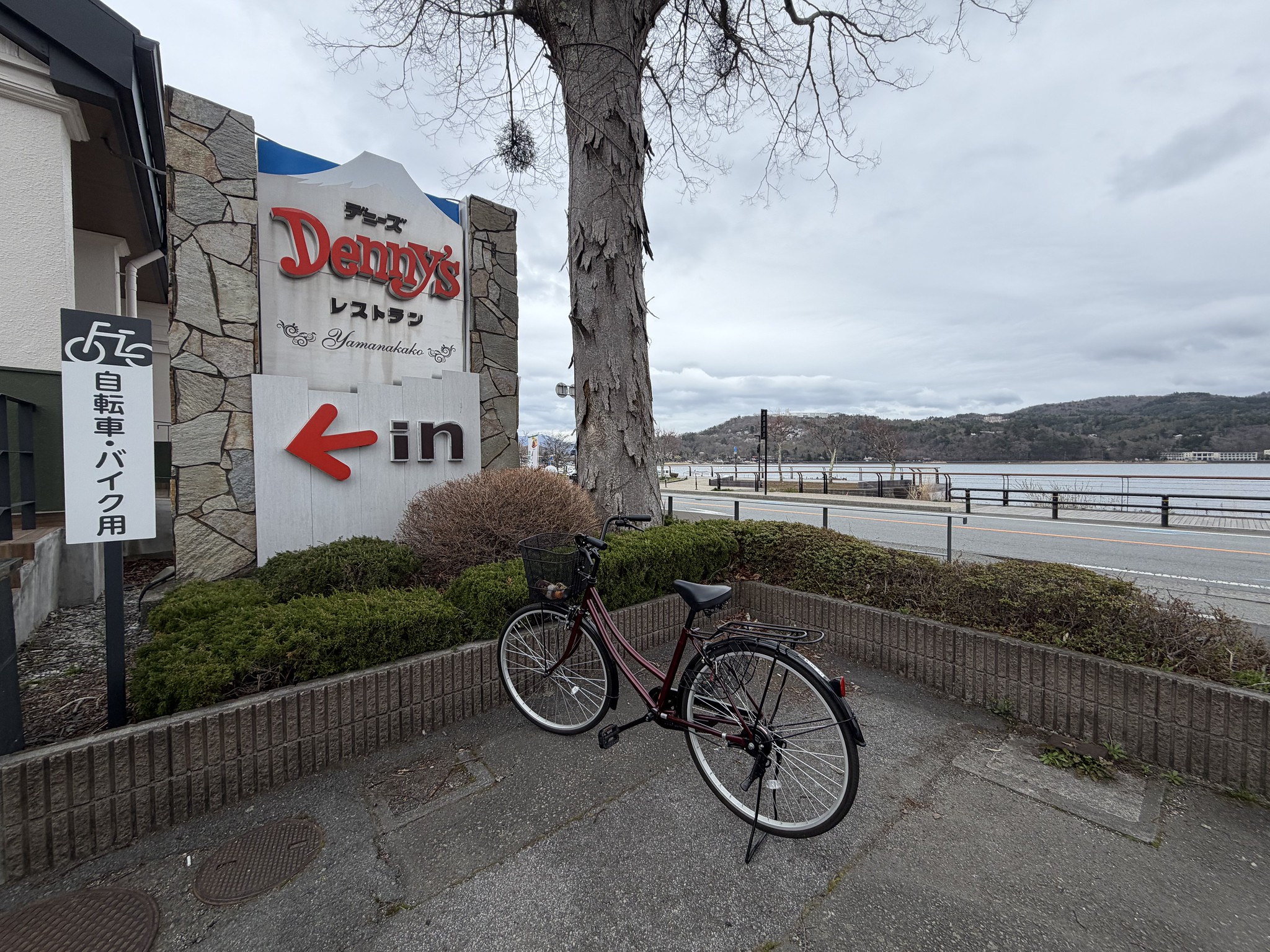
After this we cruised out to Yamanakako, a lovely little town surrounding Lake Yamanaka. This is the third highest lake in Japan, and the maximum water depth is only 44 feet. But we had to stop at this Denny’s because of a fun project we were working on: Stefan wanted a photo of himself at every American restaurant we could find. With all the amazing and high-quality food available in Japan, he thought it would be hilarious to create a set of photos of American restaurants to show off to people when they asked what he did in Japan.
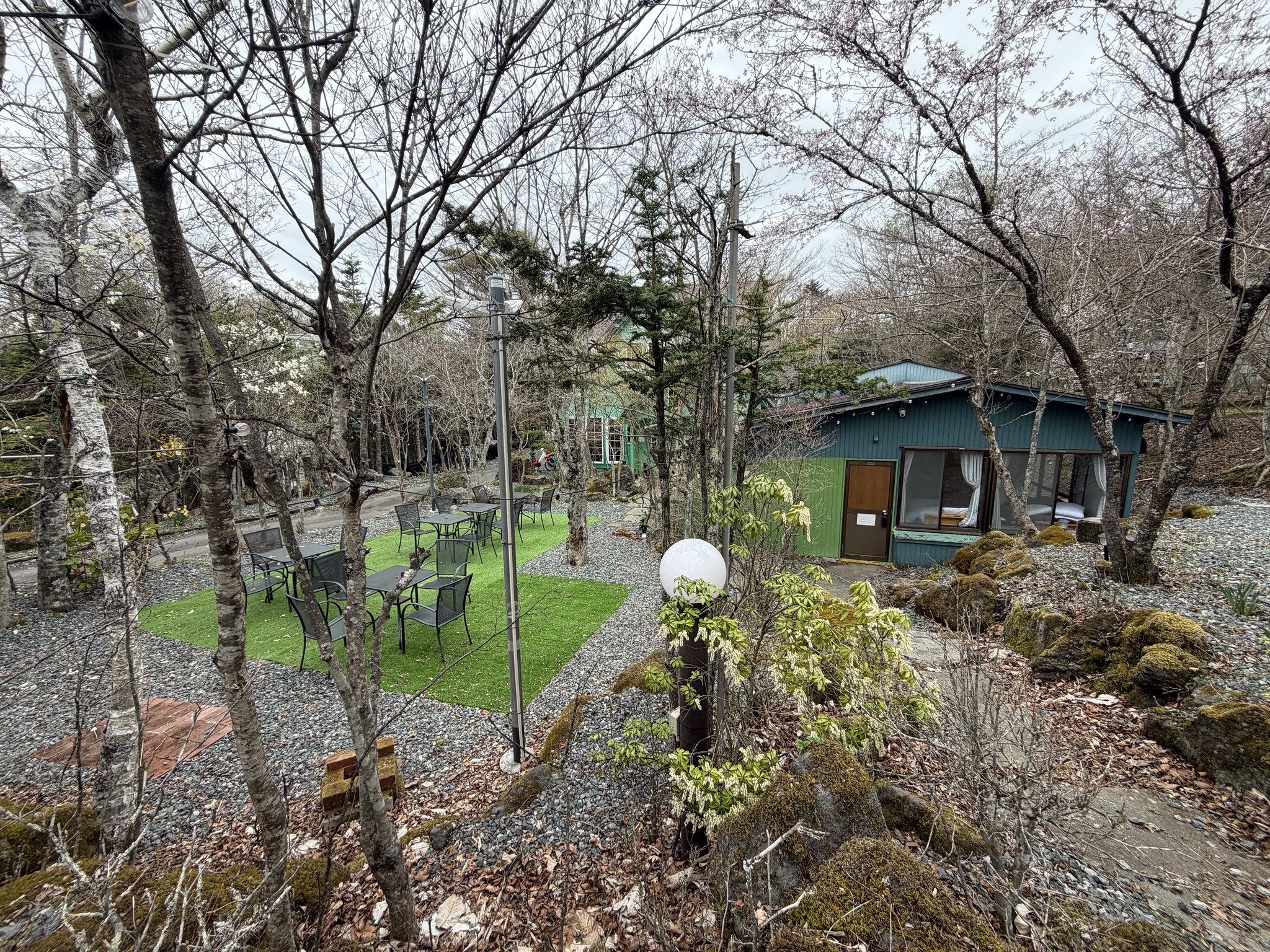
He chose to stay at an AirBnB in a cabin neighborhood in the hills of this town. It was very peaceful and quaint, and virtually empty.
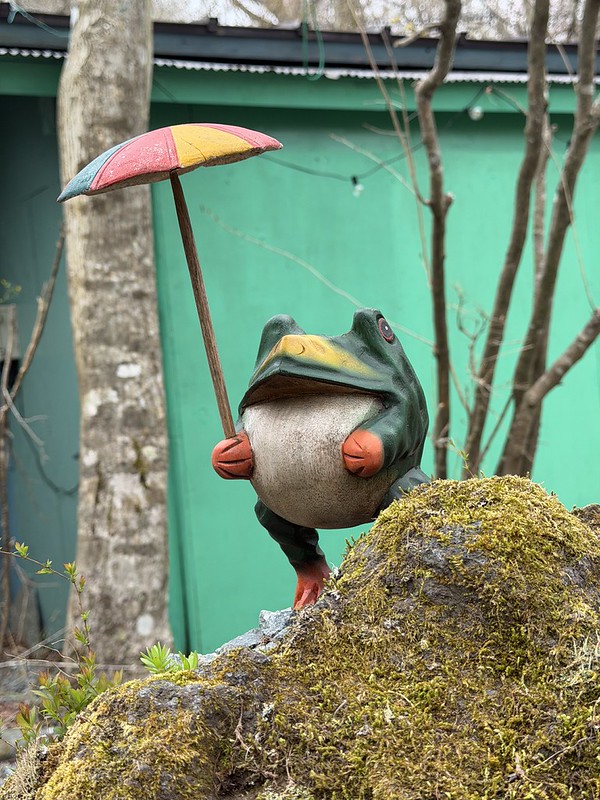
I always love when people put cute little figures in a garden, and this little frog with an umbrella was just perfect on this rock.
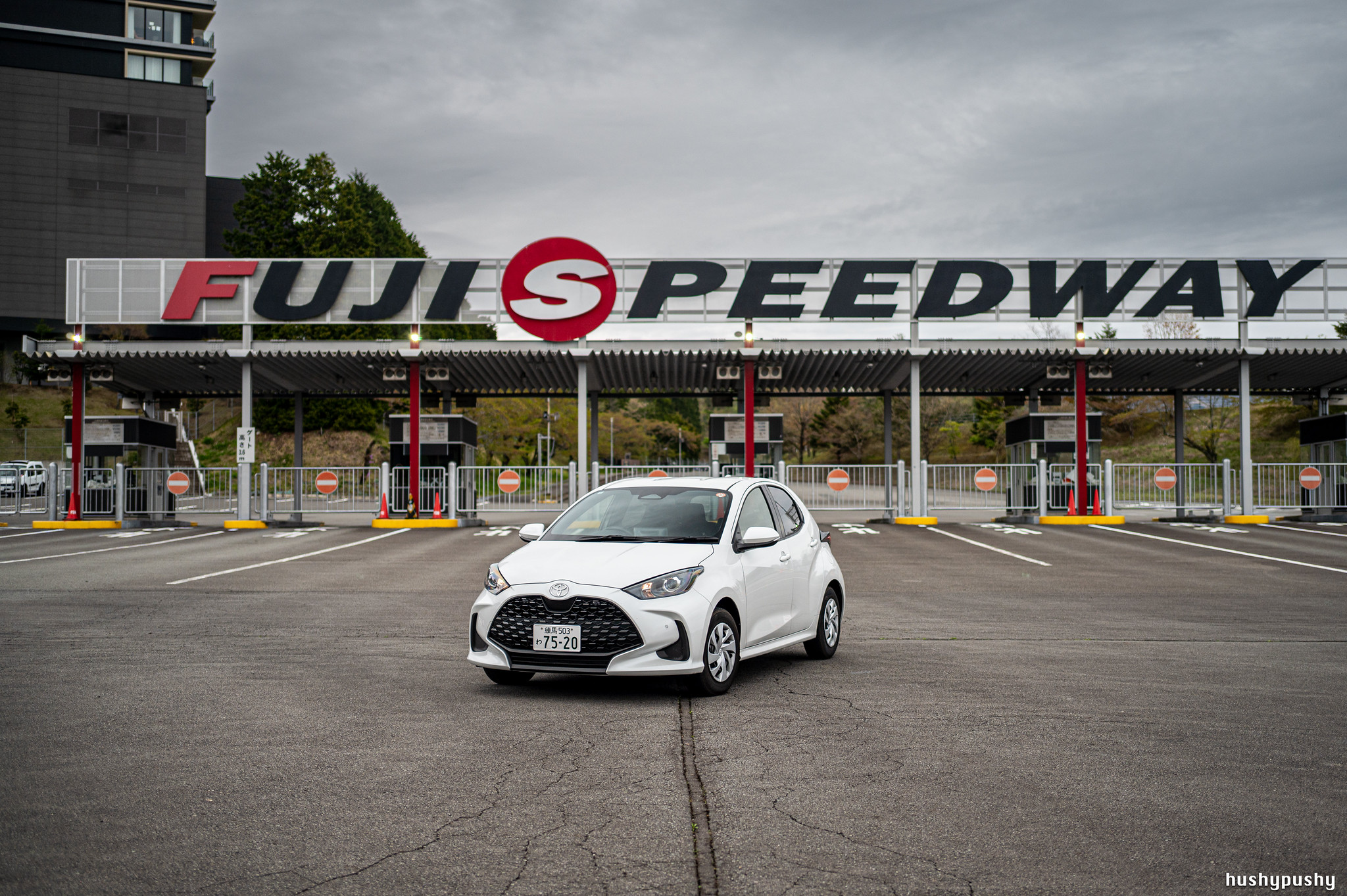
I had decided to stay at the Fuji Speedway Hotel. From Yamanakako, this is a short jaunt over Mt. Mikuni on the 山中湖小山線, aka the 730/147. This is my favorite type of road: a tight and technical mountain pass that goes both up and downhill. The weather was a bit drab for tourism so I found myself with a perfectly clear road all the way across. I didn’t catch a single car as I had one of the best drives of my life. That was a life goal finally achieved: have a proper drive on a proper Japanese road in a tiny Japanese car.
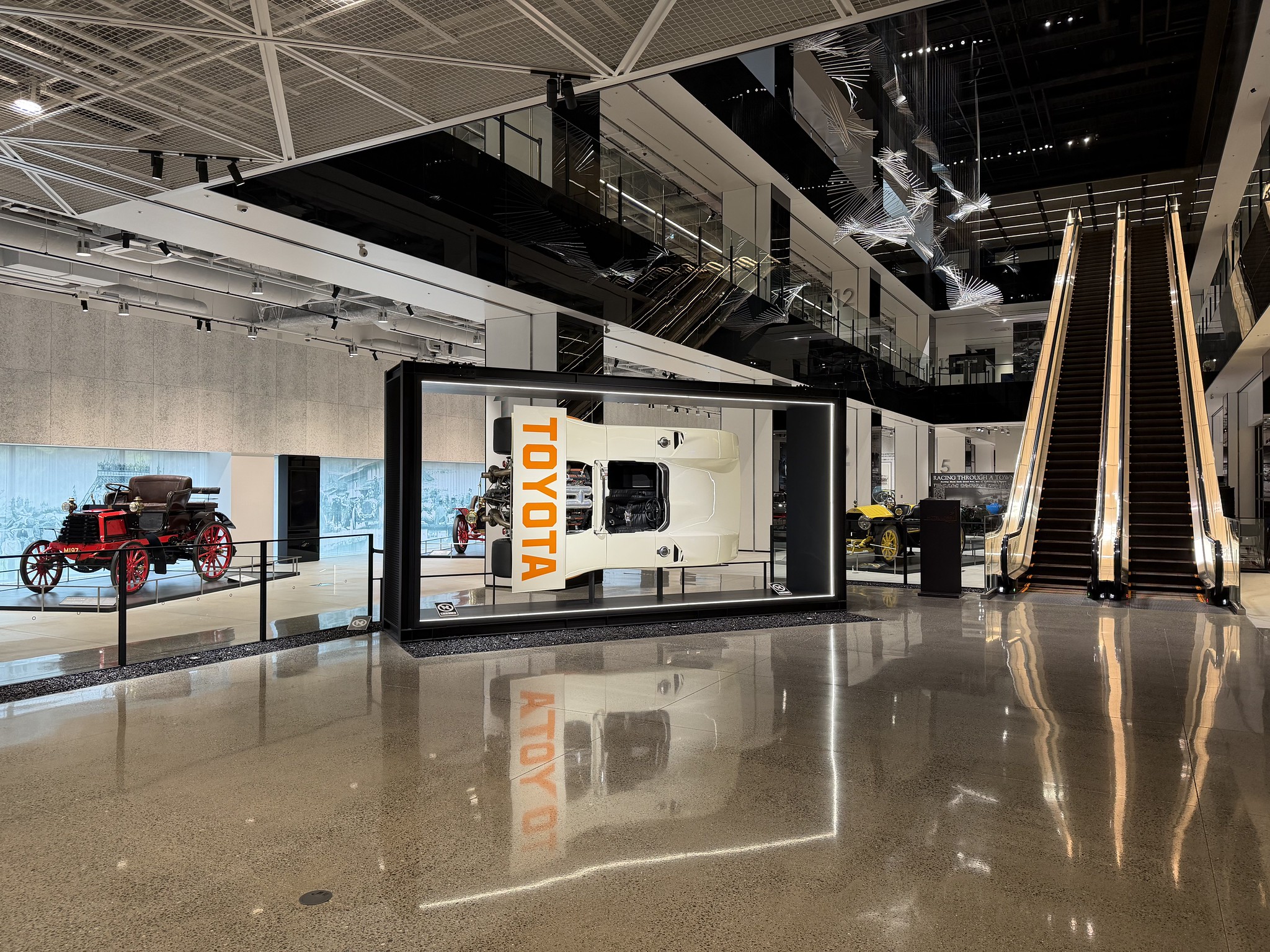
Located on the grounds of the race track, this hotel is from “The Unbound Collection by Hyatt”, which according to them are “hotels with avant-garde style and curated experiences that cater to refined, modern tastes”. I’m not necessarily a fancy hotel guy, because I don’t really care too much about fancy food and bedsheets. But Fuji Speedway Hotel is a luxury hotel designed for gearheads: their amenities include things like sim racing, go-karting, track driving, and a motorsports museum! Oh, and also a few restaurants, a fancy bar, a full spa including an onsen with a view of Mt. Fuji, horseback riding…you could have a full week just doing things in and around the hotel.
But I would only be there for one night, and that motorsports museum was one of the main reasons I wanted to stay there, and in fact the only reason we went “home” today before dinner: I was hoping to do an evening tour of the motorsports museum. Unfortunately, I made a mistake reading their hours and thought they closed at 7 PM instead of 5 PM, so when I got there just after 5 PM they had already closed for the day.
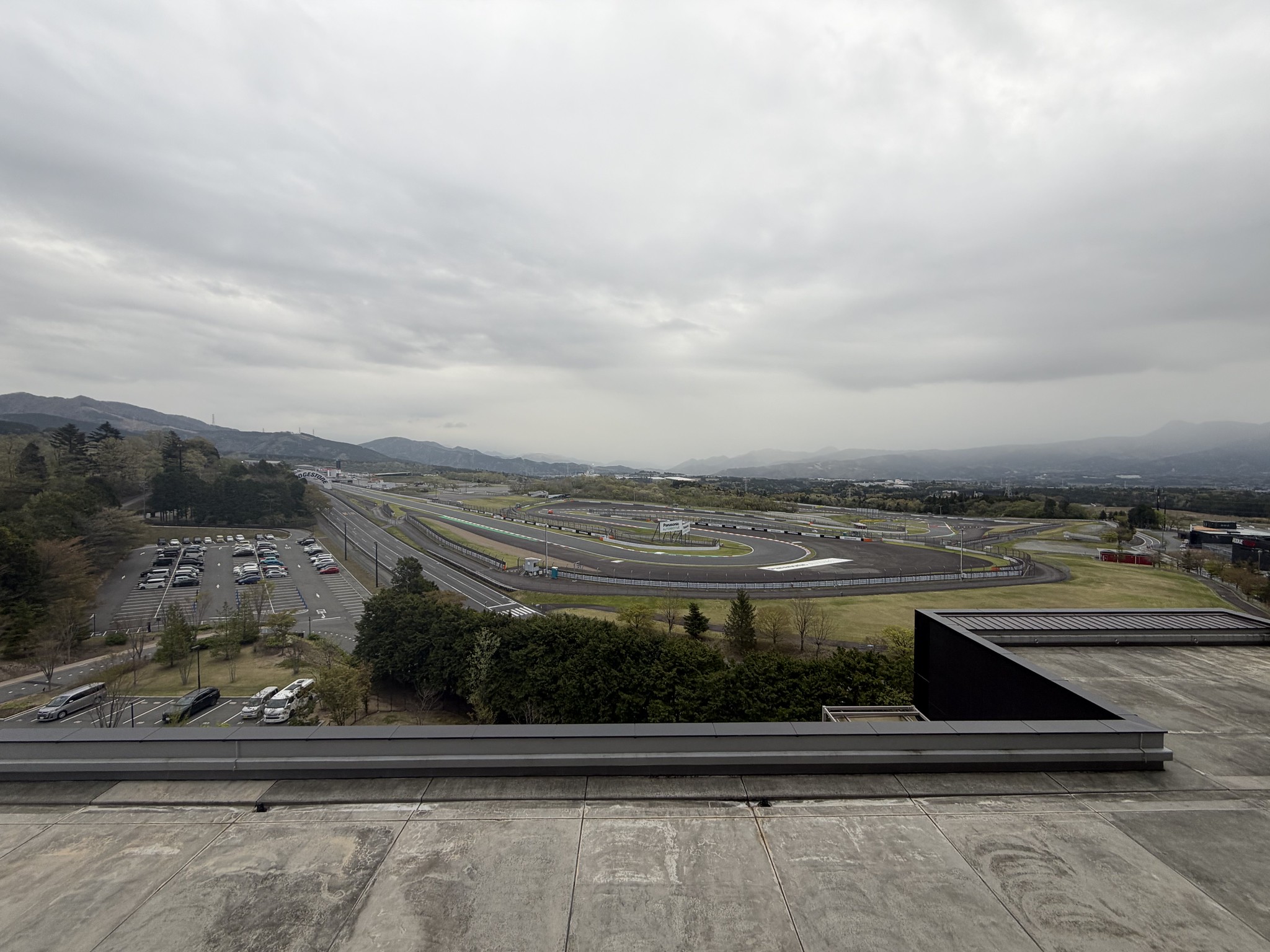
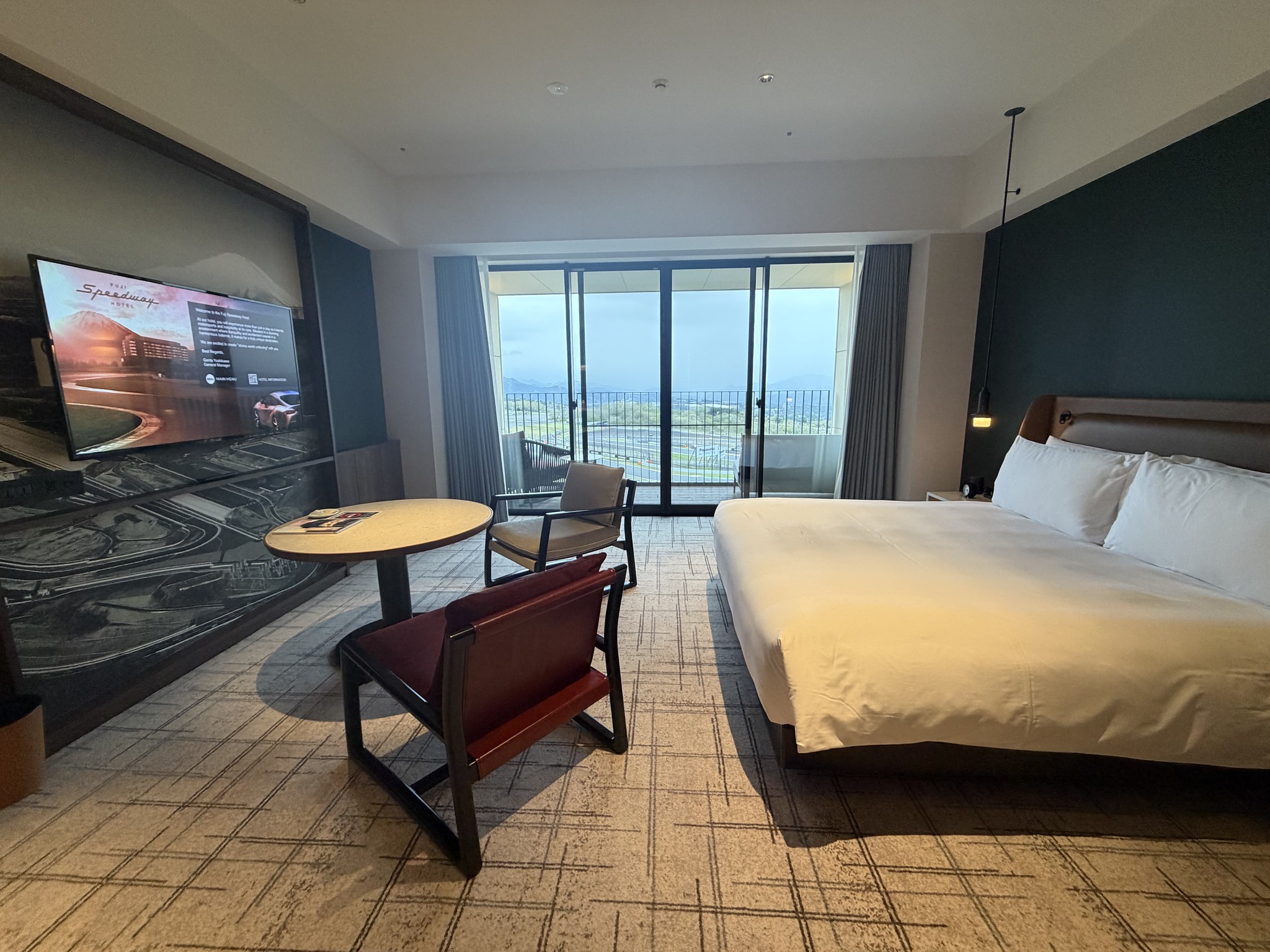
They offer a choice of track or mountain view, and when I booked the room I couldn’t decide so I picked the “surprise me” option. I ended up being very glad they gave me the track view, for a few reasons; first of all, you can see Mt. Fuji from all over Japan, but you can only see Fuji Speedway from right here. But also, on this day, you couldn’t see Mt. Fuji at all due to the heavy cloud cover. The forecast had predicted rain on Thursday morning, but it looked like it was already moving in. Would that affect go-karting tomorrow?
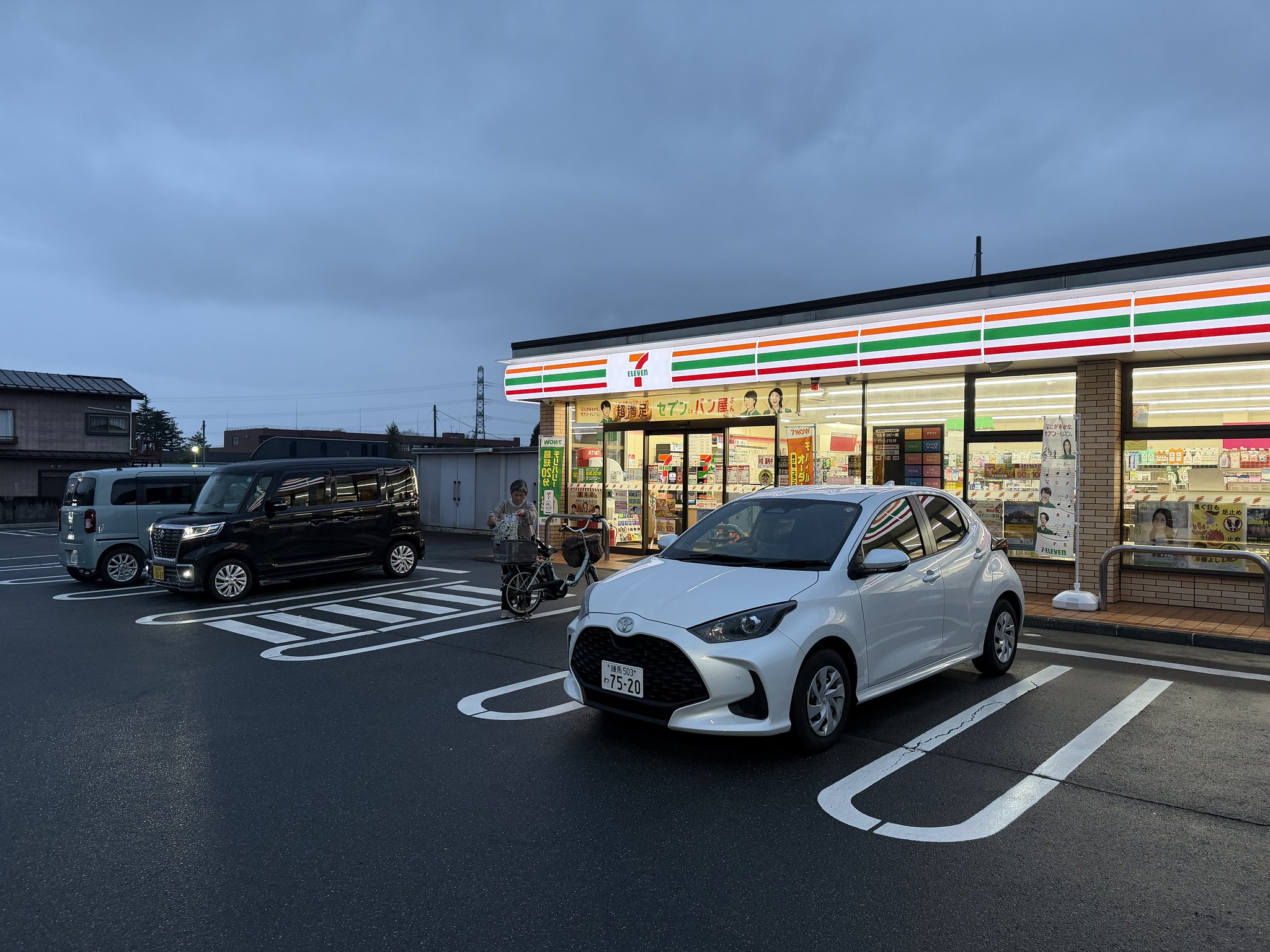
I took the Yaris out for a quick drive in the rain. But it got very dark up in the mountains so I called it quits and headed back to the hotel.
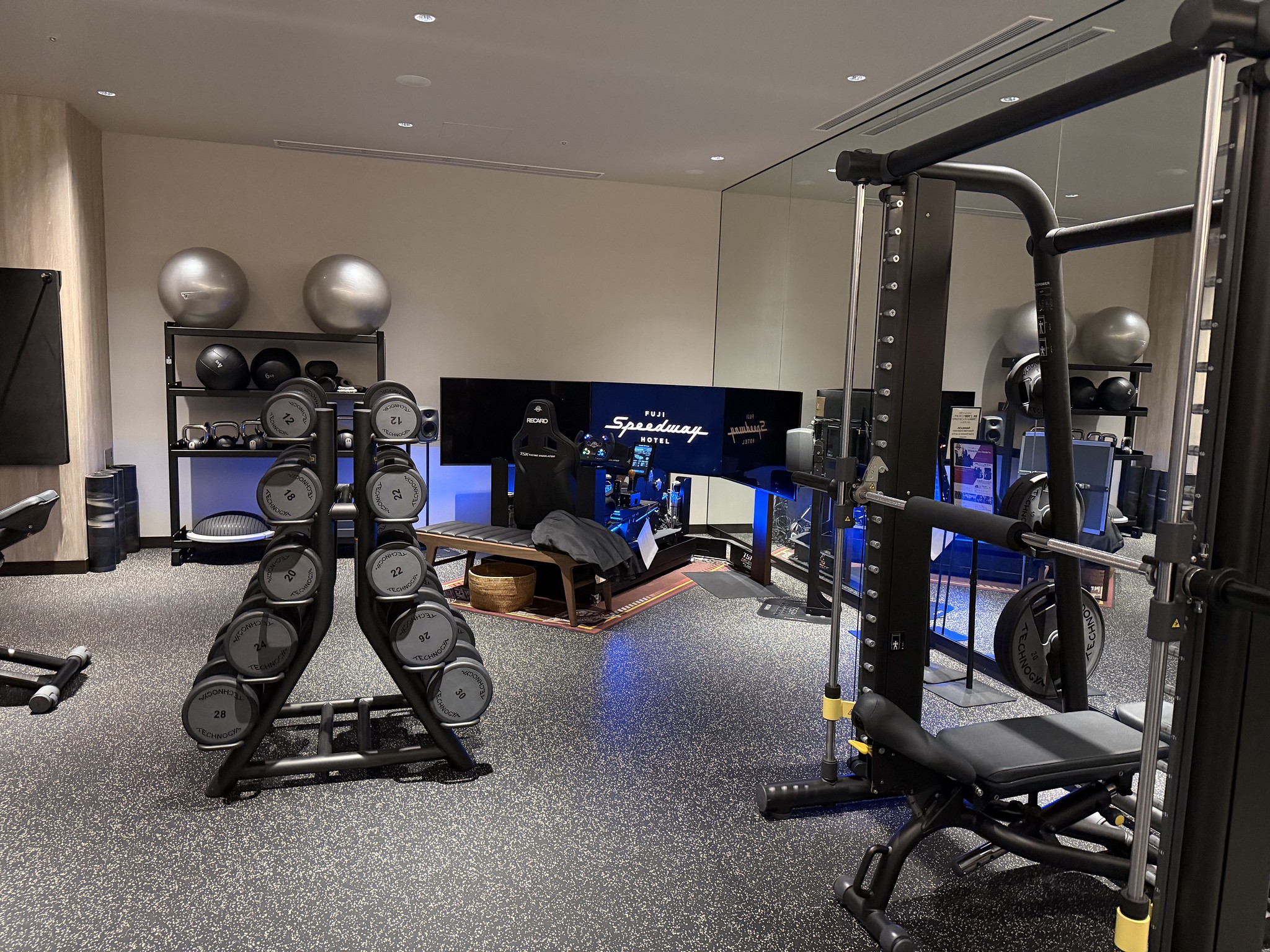
I booked a session in the driving simulator, which was actually located inside the gym.
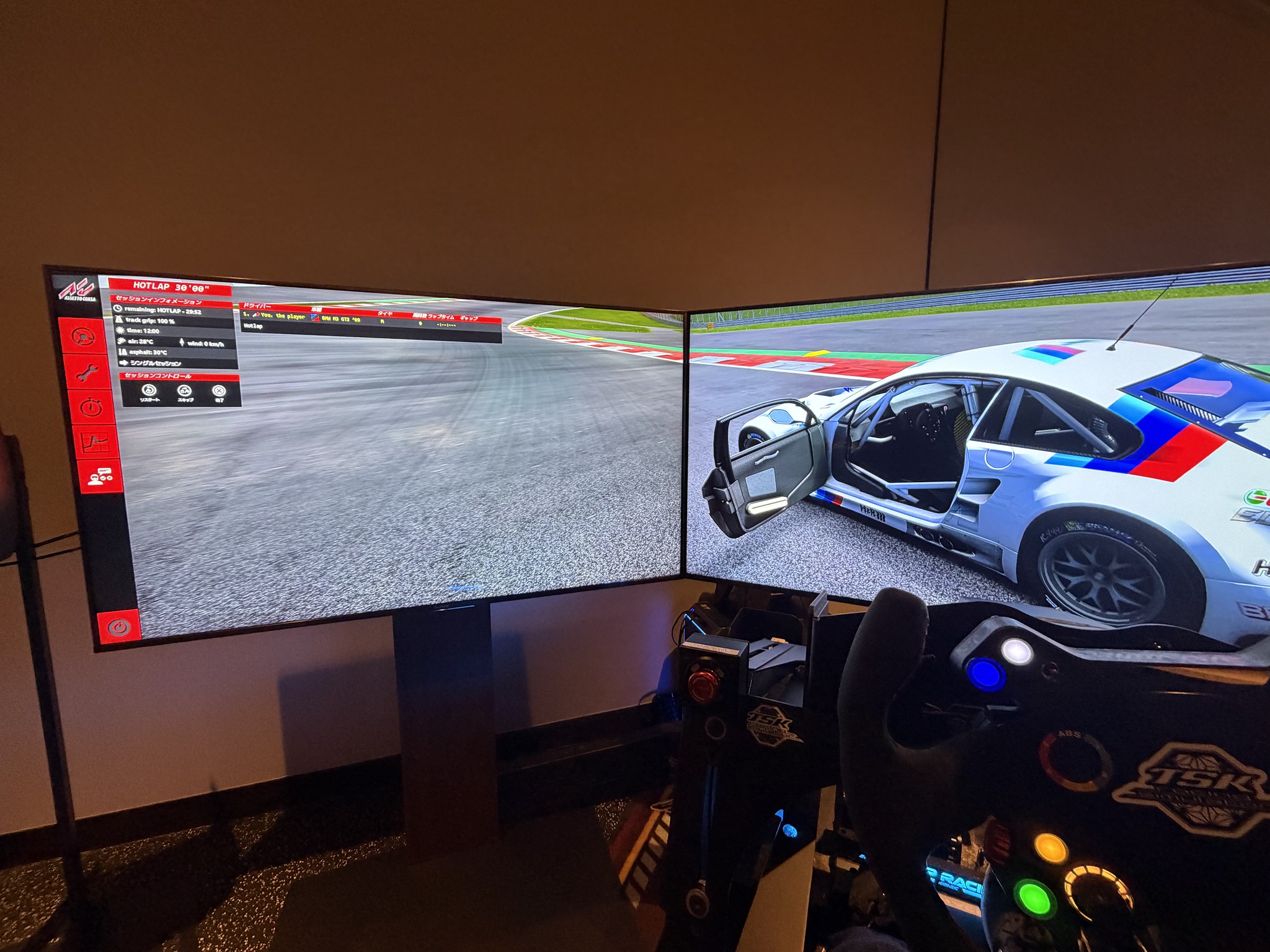
Oh hey, it’s Assetto Corsa! I have over 600 hours in this game on my own PC, and it’s safe to say this my favorite racing game of all time, so it was great to see it here.
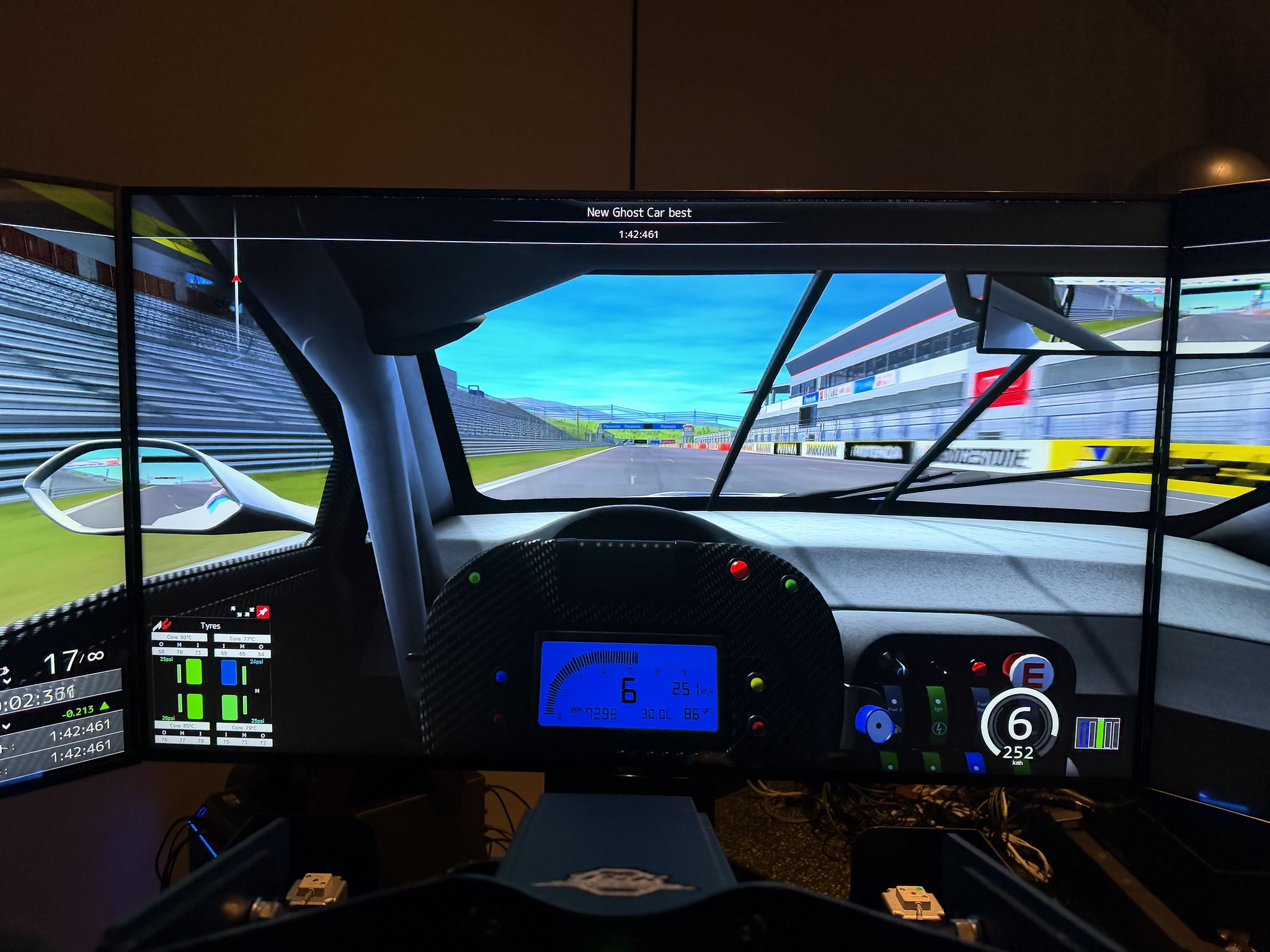
And it was actually set up correctly! I’ve been sim racing for almost 20 years and I worked in the industry for a while, so I have a ton of experience setting up and driving these rigs. And in the majority of public displays for sim racing equipment, I am always dismayed to find that something is not set up correctly: the focal length is bad, the triple monitors are mounted or set up incorrectly, the force feedback is either too heavy or non-existent, the buttons on the steering wheel aren’t configured, the pedals are not calibrated, the list goes on and on. To my delight, this setup was dialed, so I was easily able to enjoy the game without getting the usual equipment frustration.
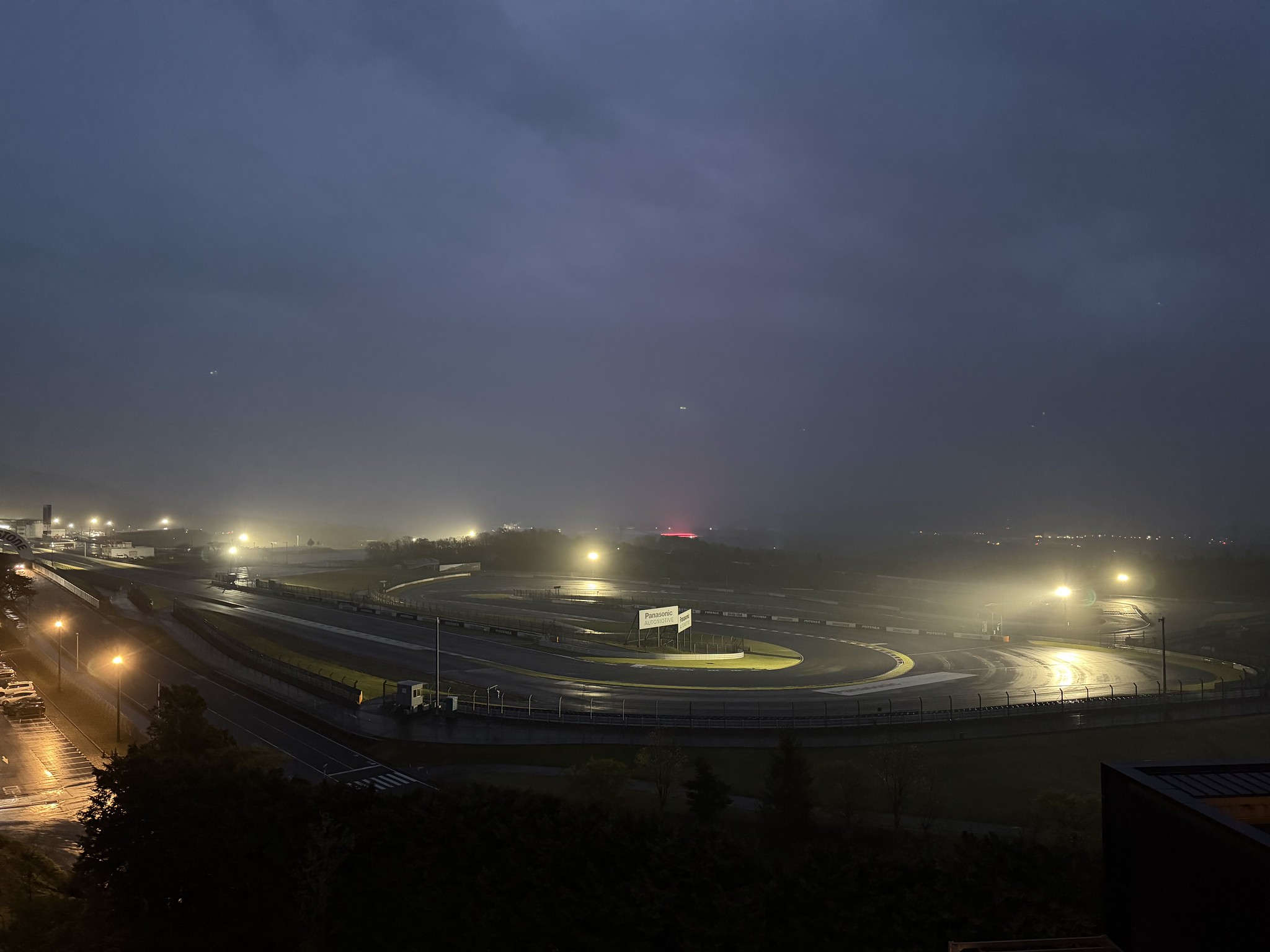
Back upstairs on my balcony, I pondered the weather. Would go-karting be cancelled due to rain? One thing I knew would happen was the museum, because that was one of the cornerstones of the entire trip for me. Unfortunately, this would be at the expense of exploring Yamanakako; one of the many things we did not get the chance to do.
On Thursday, we would be driving back to Tokyo, returning our rental Yaris, and moving on to our next hotel in Akihabara. But first, I will dedicate an entire post to the absolutely amazing Fuji Motorsports Museum!



Pingback: I Went to Japan Twice (Part 2 – 2026) – Thursday/Friday | Star Road
Pingback: I Went to Japan Twice (Part 2 – 2026) – Saturday/Sunday | Star Road