
I Went to Japan Twice (Part 2 – 2026) – Sunday/Monday
Last fall, my buddy Stefan hit me up with a music flyer and asked if I wanted to go to a grindcore music festival with him. I’ve known him since elementary school and we’ve been to tons of shows over the decades despite always living in different cities. I looked at the flyer; does this say Shinjuku? “Yeah dude, let’s go to Japan!” was the enthusiastic response.
As I covered in Part 1, the first time I visited Japan was as a high school senior in 2005. I loved Japan so much I swore I would make it part of my life. Well, despite spending four years at college studying the Japanese language and culture, I never even made it back to Japan one time. This grindcore festival would be the perfect excuse for something I’ve wanted to do for many years. It was time to go back to Japan!
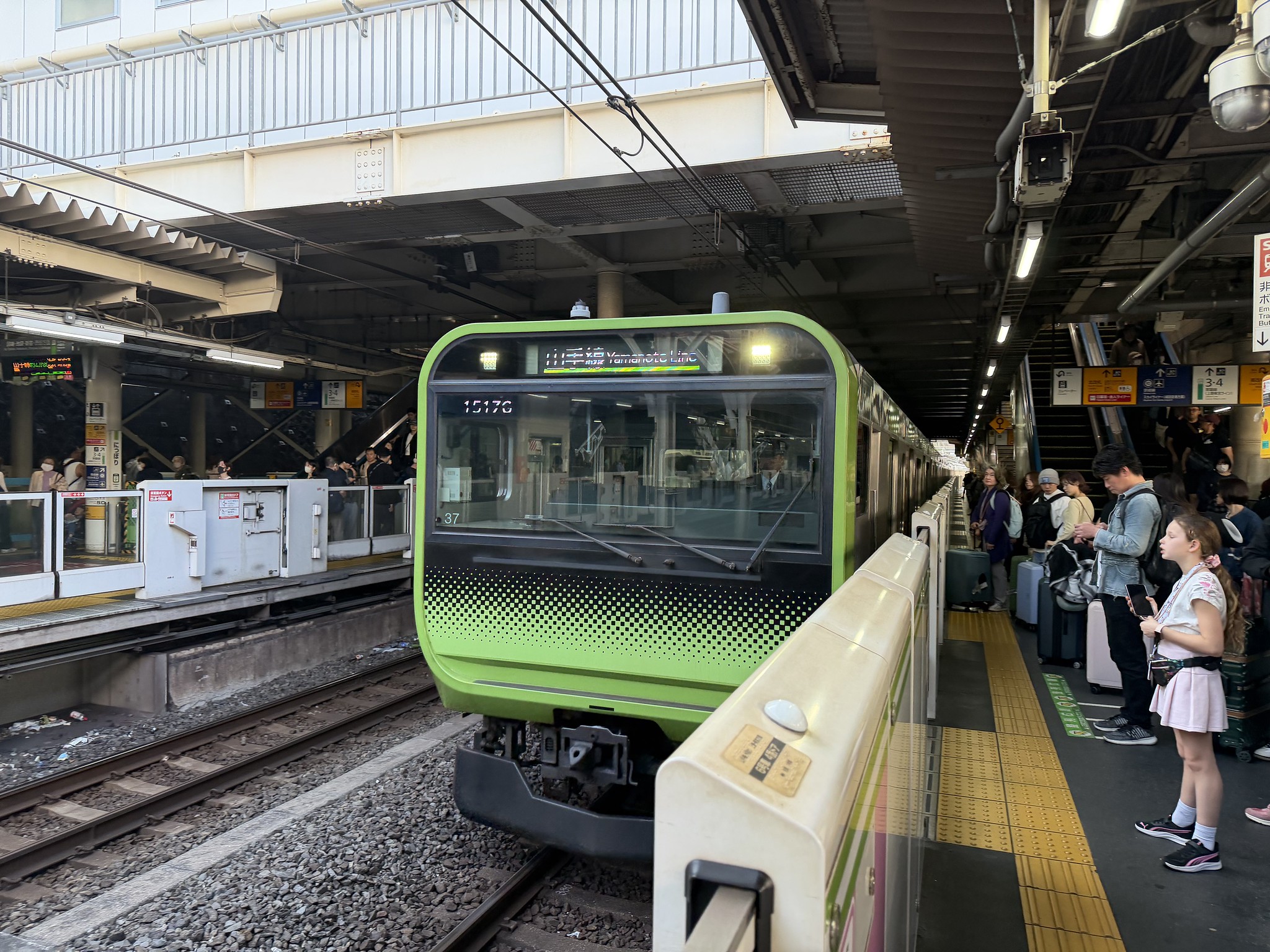
Since I didn’t go to Tokyo at all on my first trip, I decided I wanted to spend a significant of time there on this trip. On Sunday afternoon, we took the train from Narita Airport to Nippori Station, where we transferred to the Yamanote Line. One of my major planning concepts on this trip was to see and experience things from the games, movies, and books that I love. In the past few years I’ve gotten really into Densha de Go, so I was beyond excited to finally see a real-life E235 train, the star of the newest Densha de Go game, Hashirou Yamanote-sen (電車でGO!! はしろう山手線; “Go by Train: Let’s Drive the Yamanote Line”). I didn’t stand quite so close to the trains after this one blasted me with air pressure.
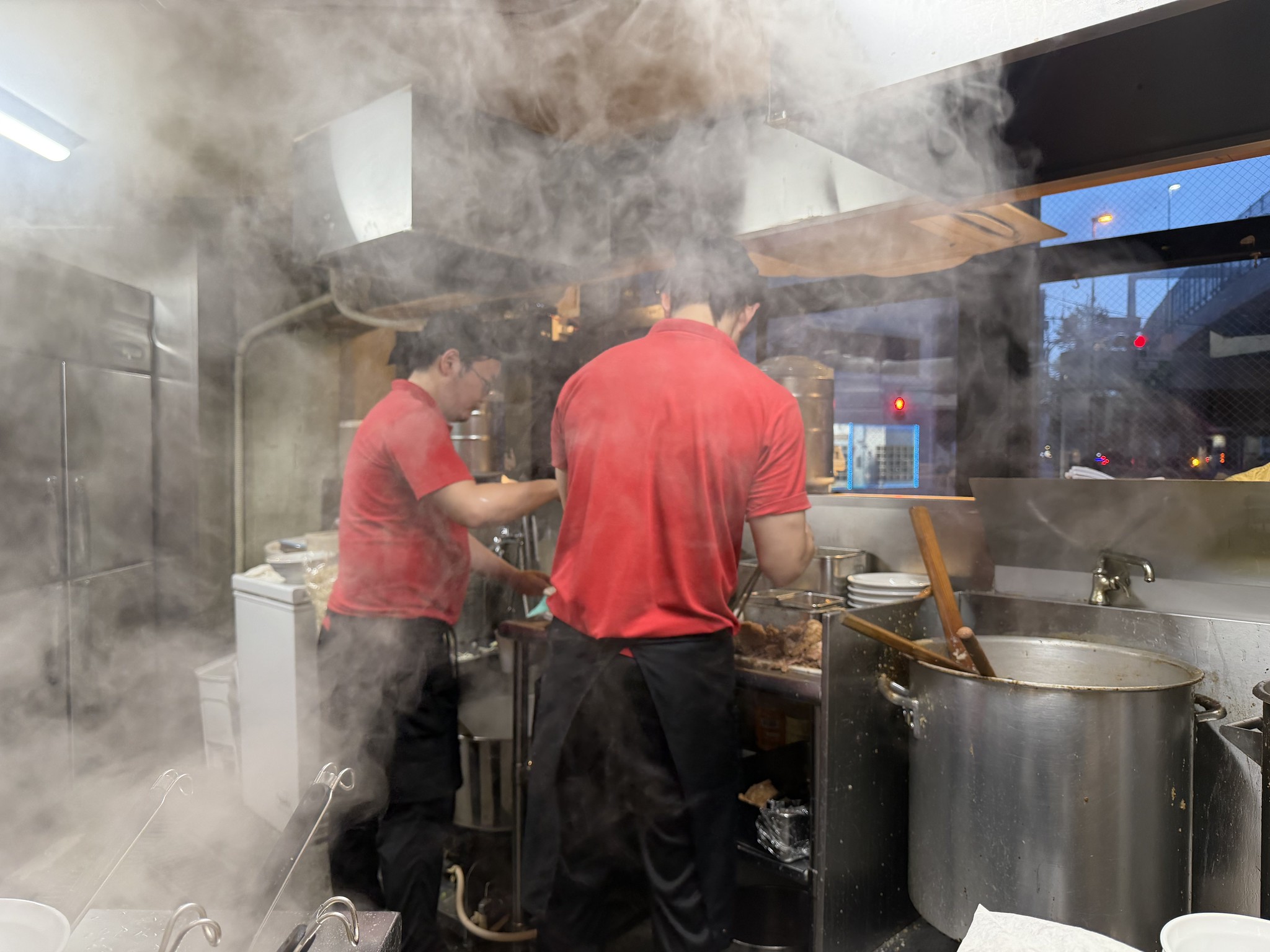
One of my other goals was to challenge myself on this trip. For example, I purposely tried to stay away from anything directed to foreigners, and I didn’t shy away from doing things that I didn’t know how to do already (the latter is quite a big deal for me). I wanted to speak Japanese everywhere and ask for help if needed. I was immediately thrown into that on our first night in town when we decided to get ramen a block from our hotel. There were zero foreigners in there and no English was spoken at all. Ordering was done on a sort of vending machine device; nowadays we even have ordering kiosks in the USA, but this was a much simpler machine that resembled a vending machine from the 1990’s. I did say yes to all the garlic and onions, which was a mistake as I could tell the ramen would have been quite delicious without it. It’s also interesting to me that ramen places like this one tend to offer massive portions, in stark contrast to the restrained portions offered elsewhere in Japan.
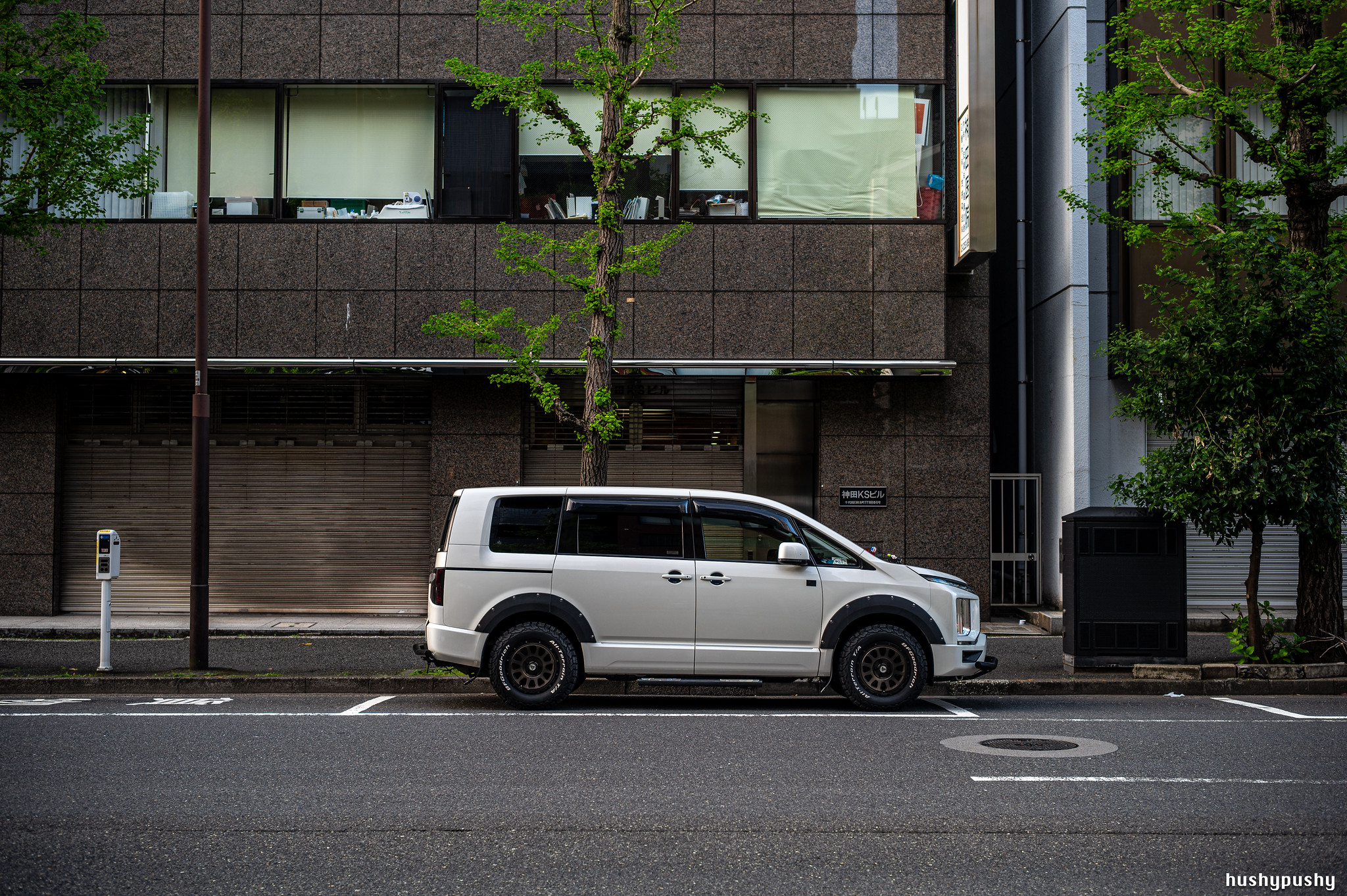
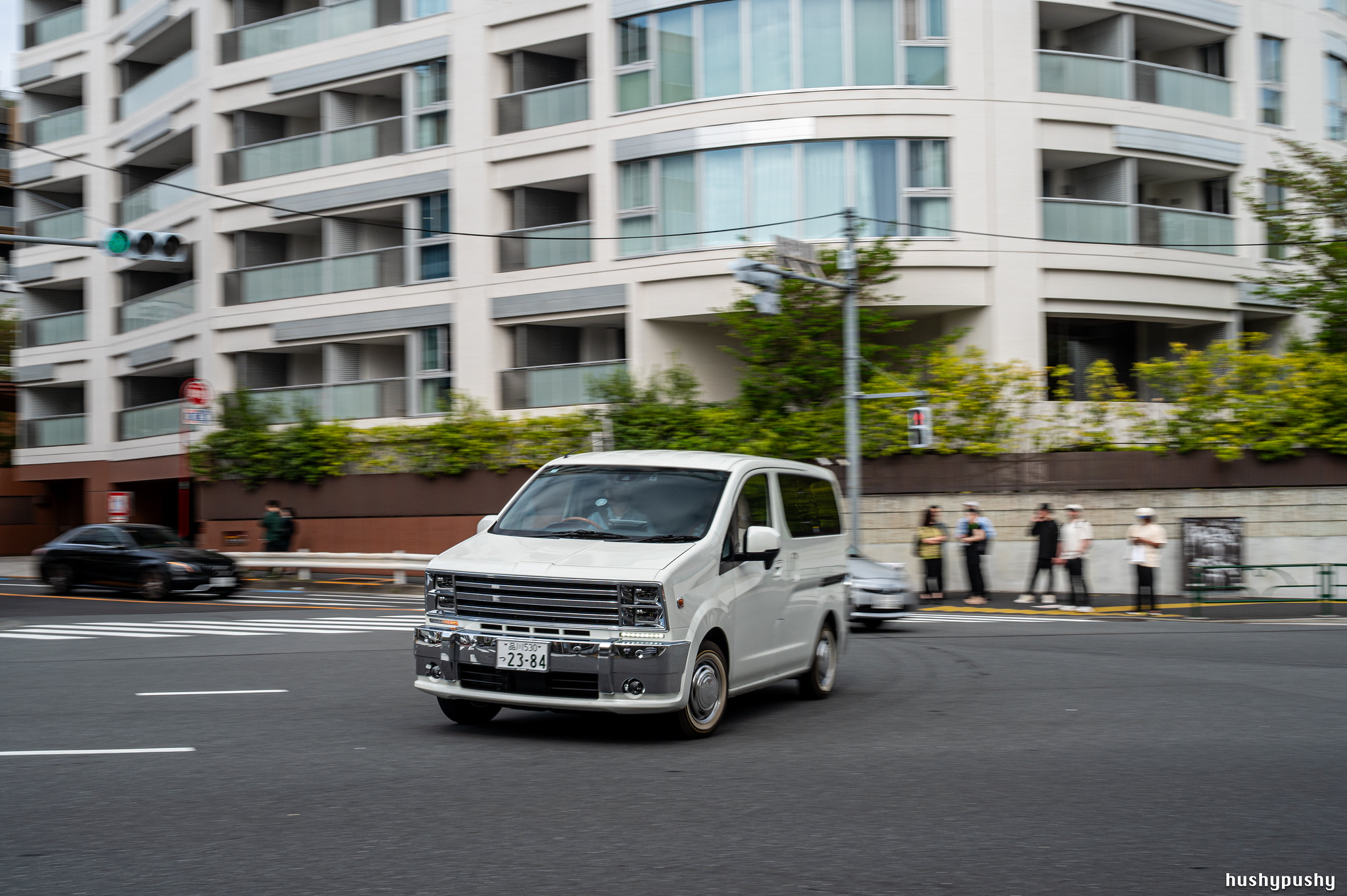
This story will be a mix of my iPhone 17 Pro and Nikon Z6 II photos. Generally, I shot car photos on the Nikon, like this shot of a new generation Mitsubishi Delica. Vans are extremely popular in Japan, and so many of them are modified.
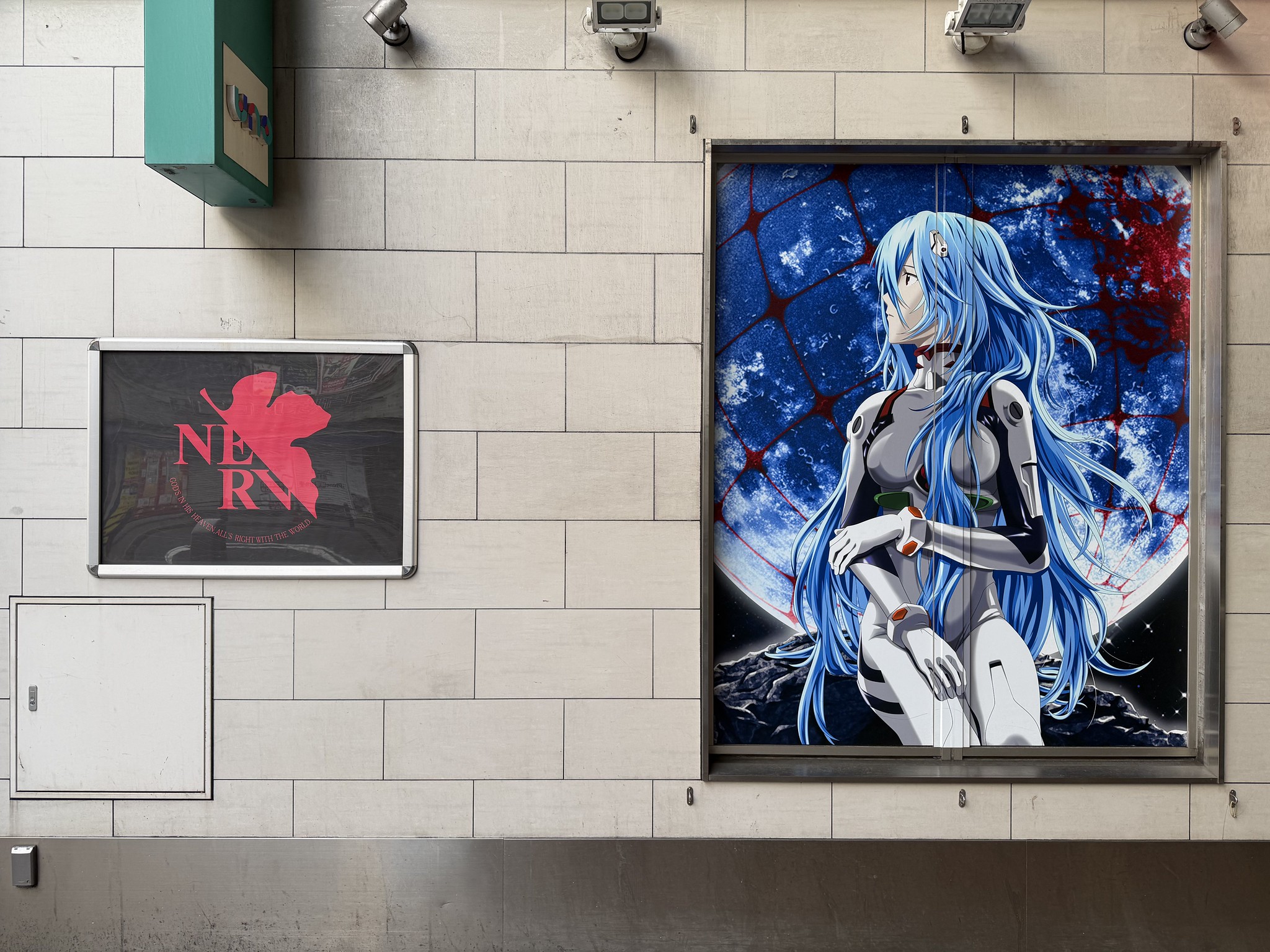
Really cool Neon Genesis Evangelion artwork on a tunnel near Akihabara. Scenes like this were shot on iPhone.
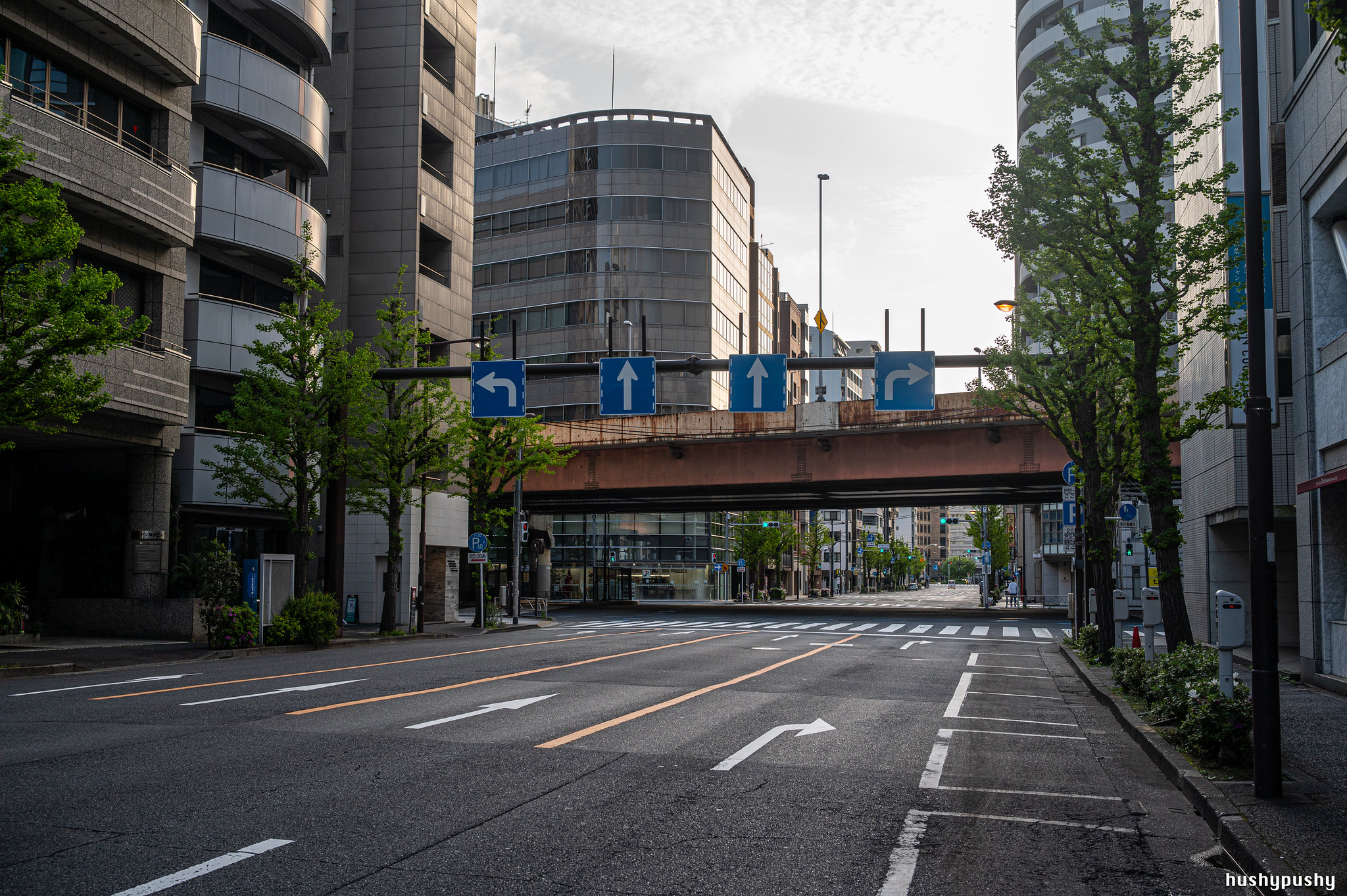
I was pretty excited at this point, so this was shot with my Z6 II even though I probably should have shot it with the iPhone. Sounds wild to say that, but that’s a testament to the dynamic range capabilities of the phone. I’m still waiting for a removable-lens camera with a big sensor and the image processing power of an iPhone. Anyway, as expected, due to the time change and blast of travel energy, we were both up and ready at sunrise on Monday morning. It’s amazing to see Tokyo in the morning when there is absolutely no one out there.
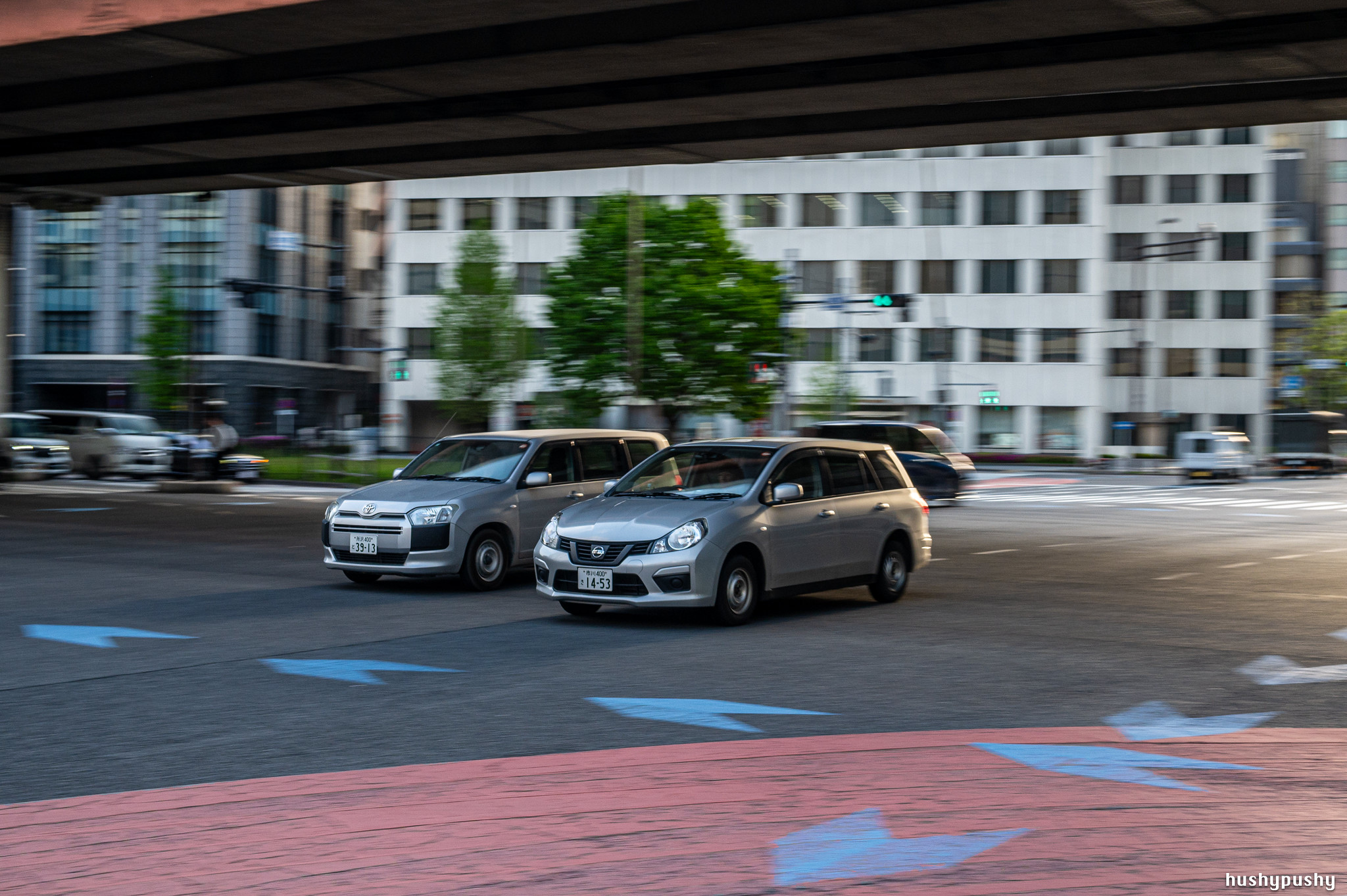
Amazing coincidence to get these two competitor cars in the same color right next to each other. The car on the left of the frame is a Toyota Succeed and on the right is a Nissan AD Expert, which are the “fancy” versions of their respective models. (The commercial/business versions are called Toyota Probox and Nissan AD Van)
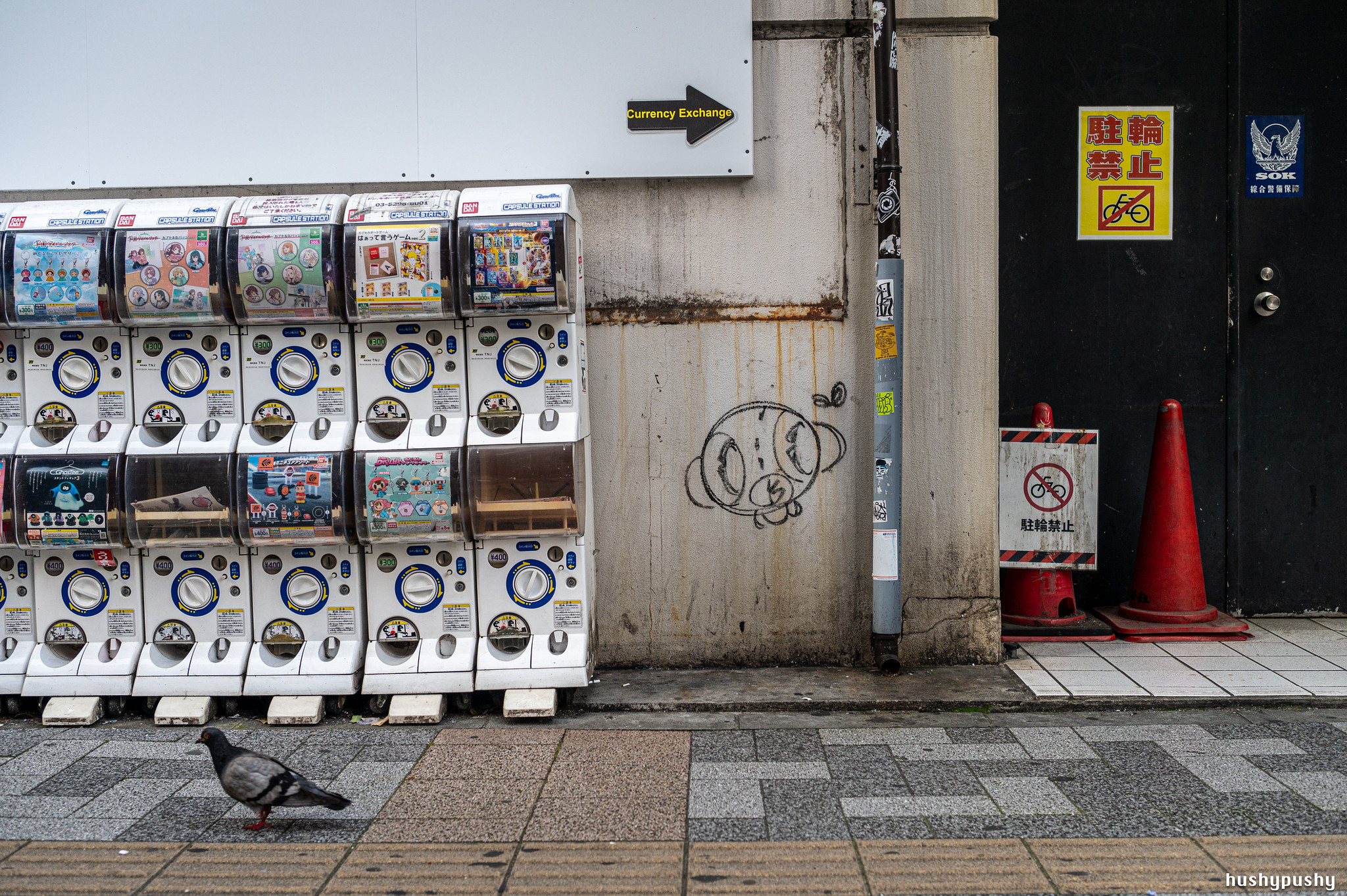
Most graffiti I saw was tagging, which I find kinda hard to enjoy. But this little piece was interesting.
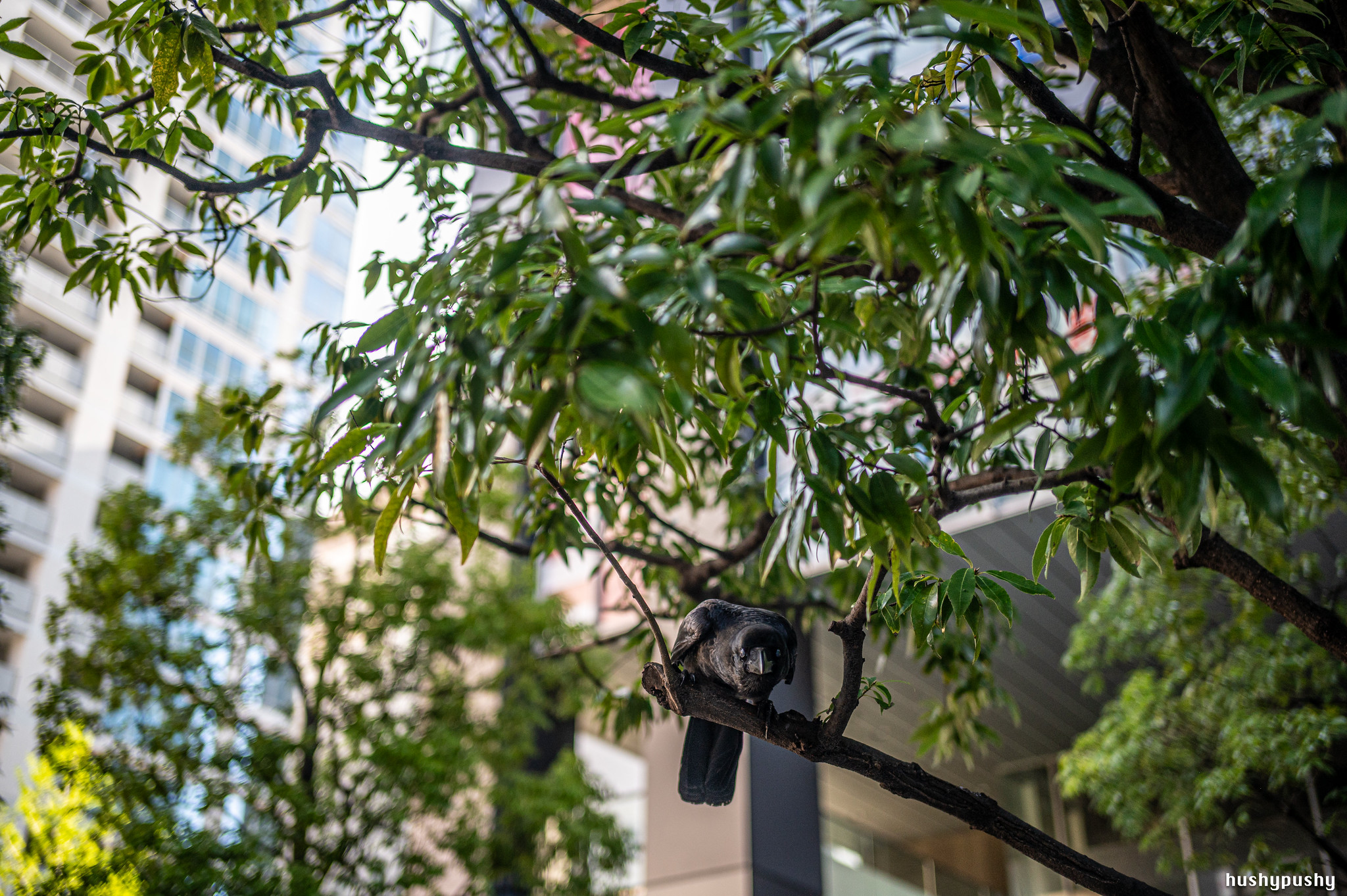
I love the crows in Japan. I’m a big fan of flying dinosaurs in general, but crows are some of the coolest birds, especially the “Large-billed Crow” species found in Japan (and the rest of Asia). They are very intelligent and vocal; I find their calls hilarious. There was no one around, and I think this little guy got suspicious because he swooped over to the nearest tree, cawed, and then stared me down.
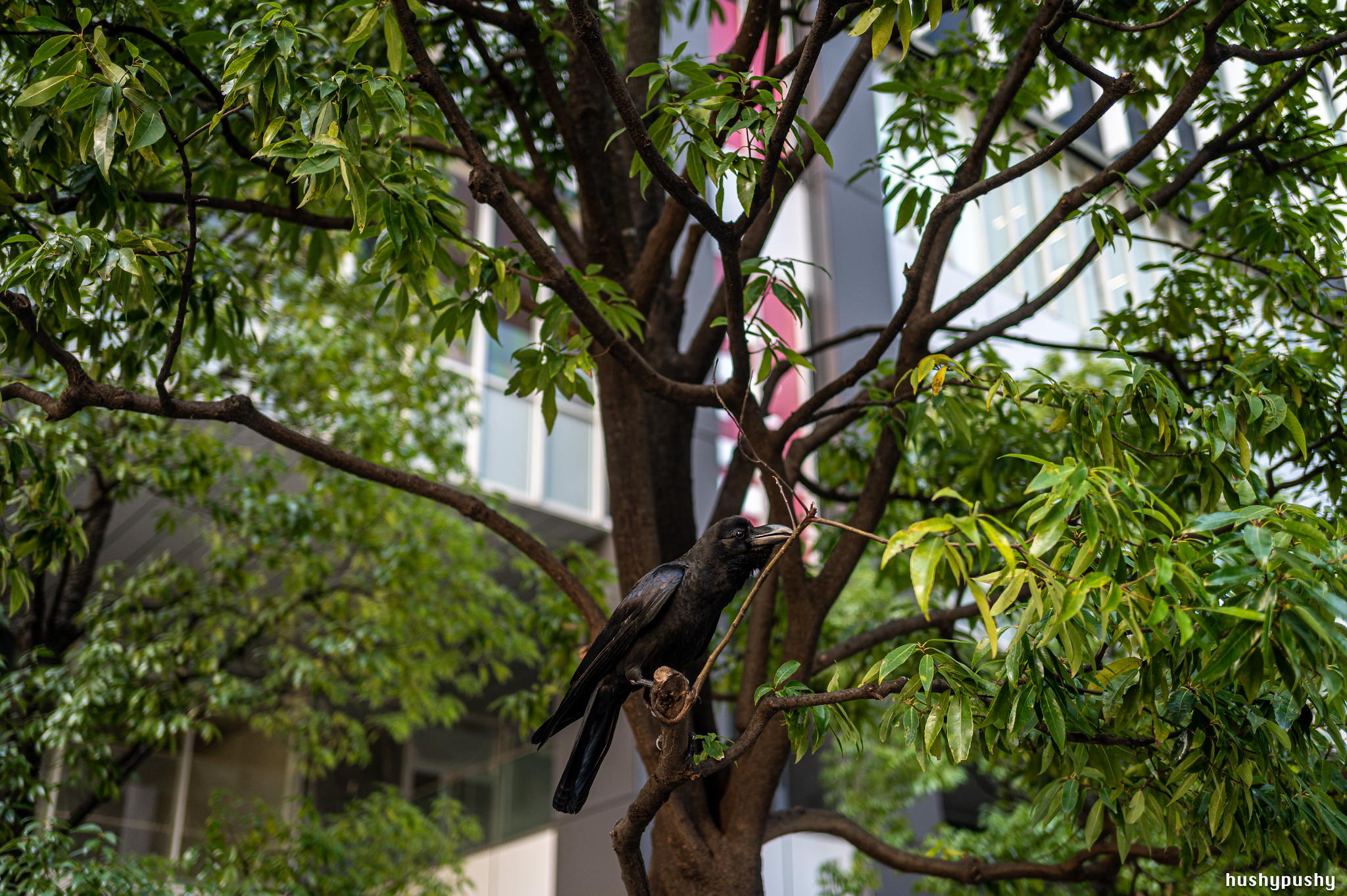
Then he started to pose like a model! I wish I had my 70-200mm, but I only brought my 40mm lens to Japan. In this photo you can clearly see the difference between a (Japanese) Large-billed Crow and an American Crow; check out the prominent forehead and broad, arched bill compared to American Crows’ laid-back foreheads and pointy beaks.
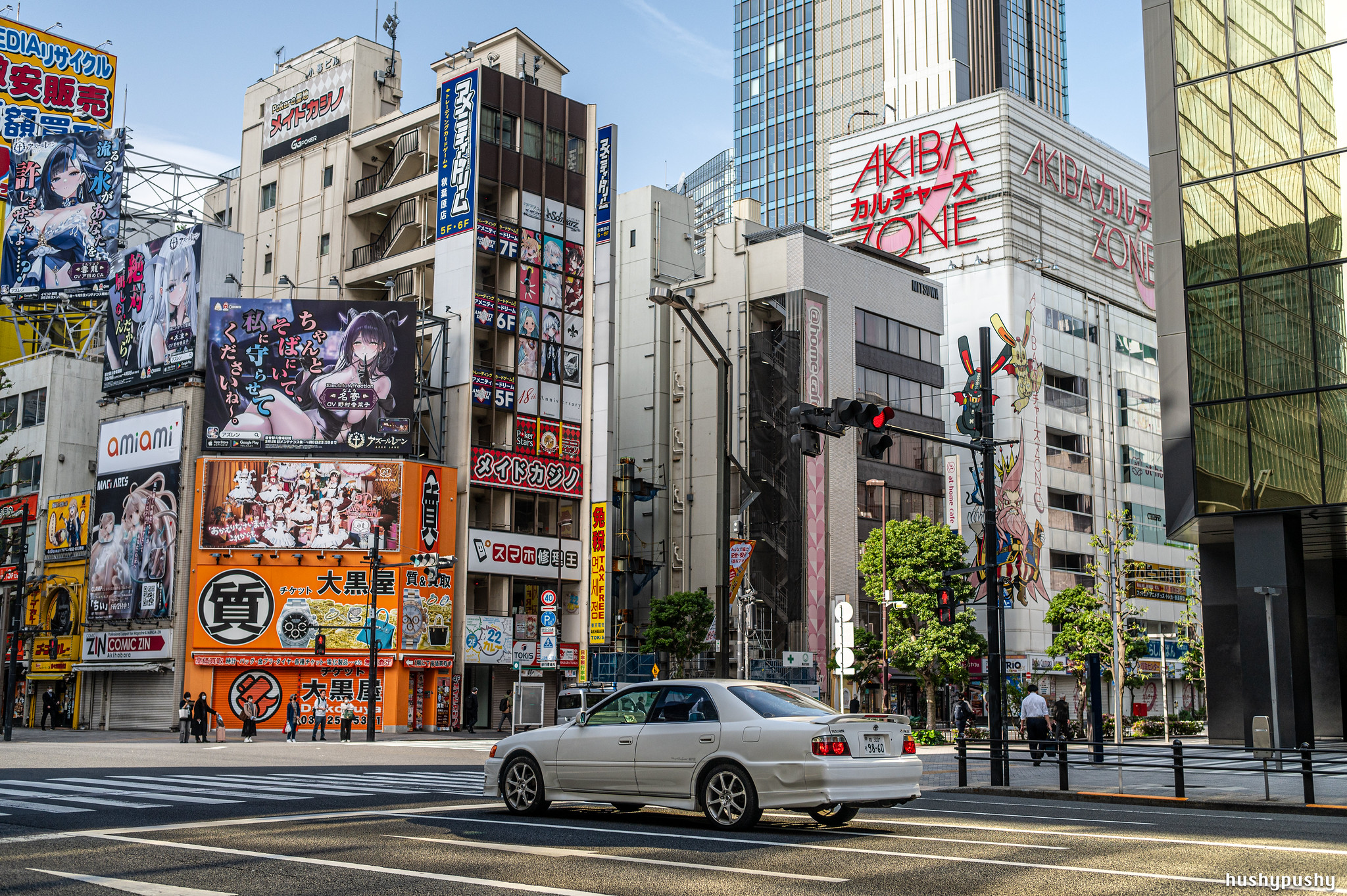
Everything in Akihabara was closed this early in the morning. What a rad surprise when this Chaser was the only car to roll up to a red light.
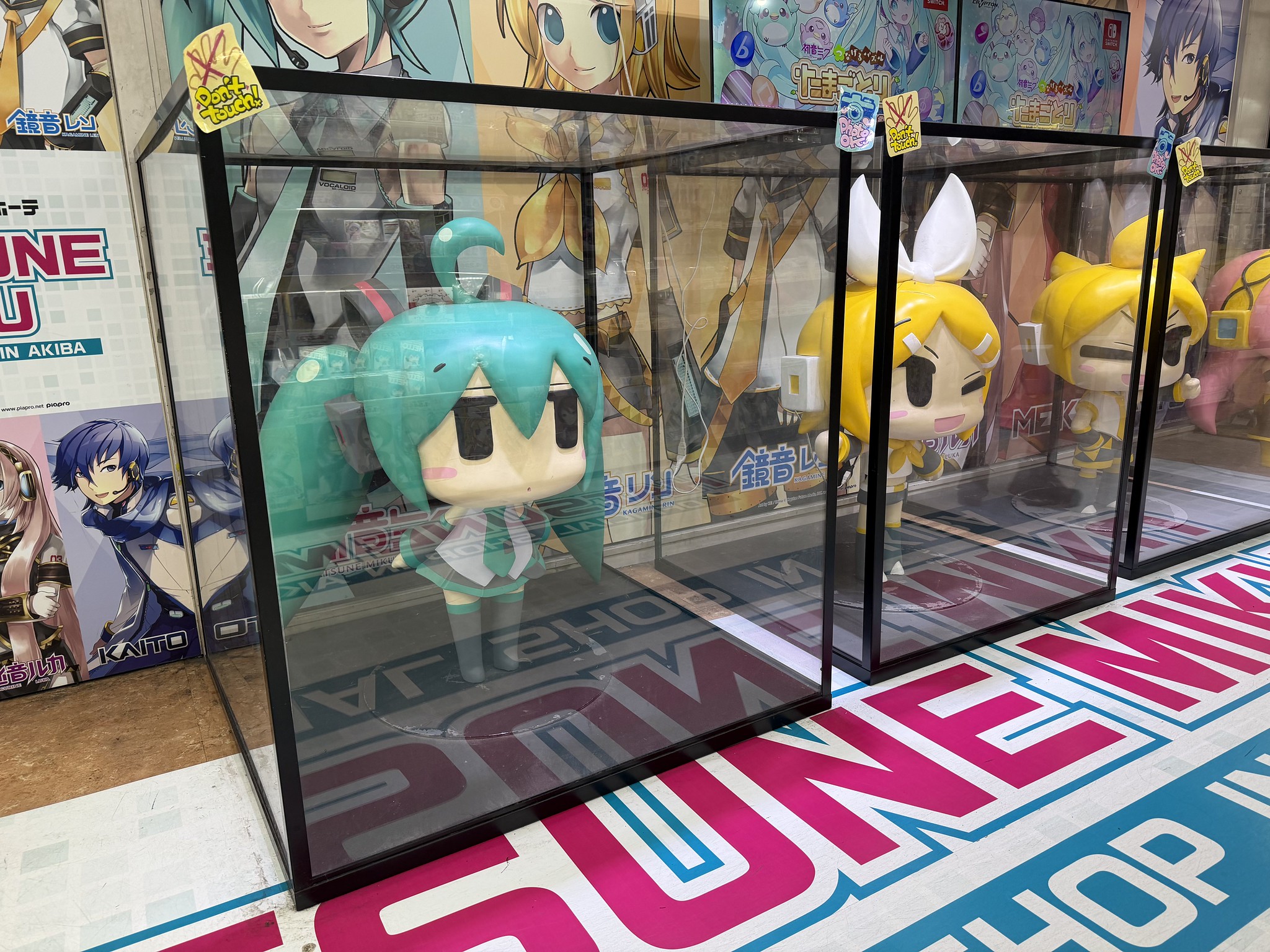
But wait! Don Quijote was open! Commonly referred to as Donki, a shortened version of its name, this is a variety store with pretty much everything. You go past the giant Miku models under glass near the entrance to find a shopping bonanza.
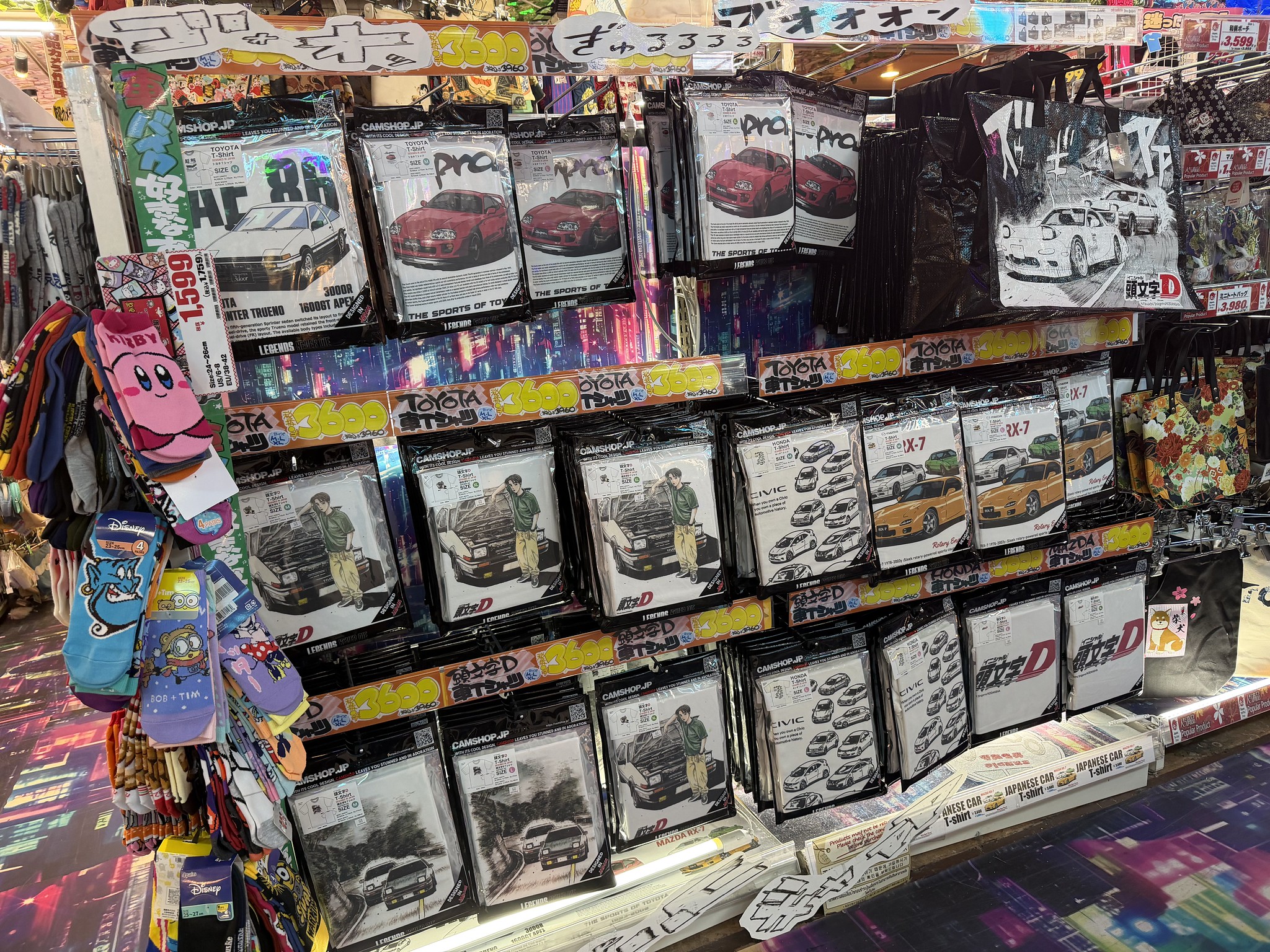
This was only a portion of the Initial D merchandise. I was able to refrain somewhat easily; Japanese t-shirts never fit me anyway.
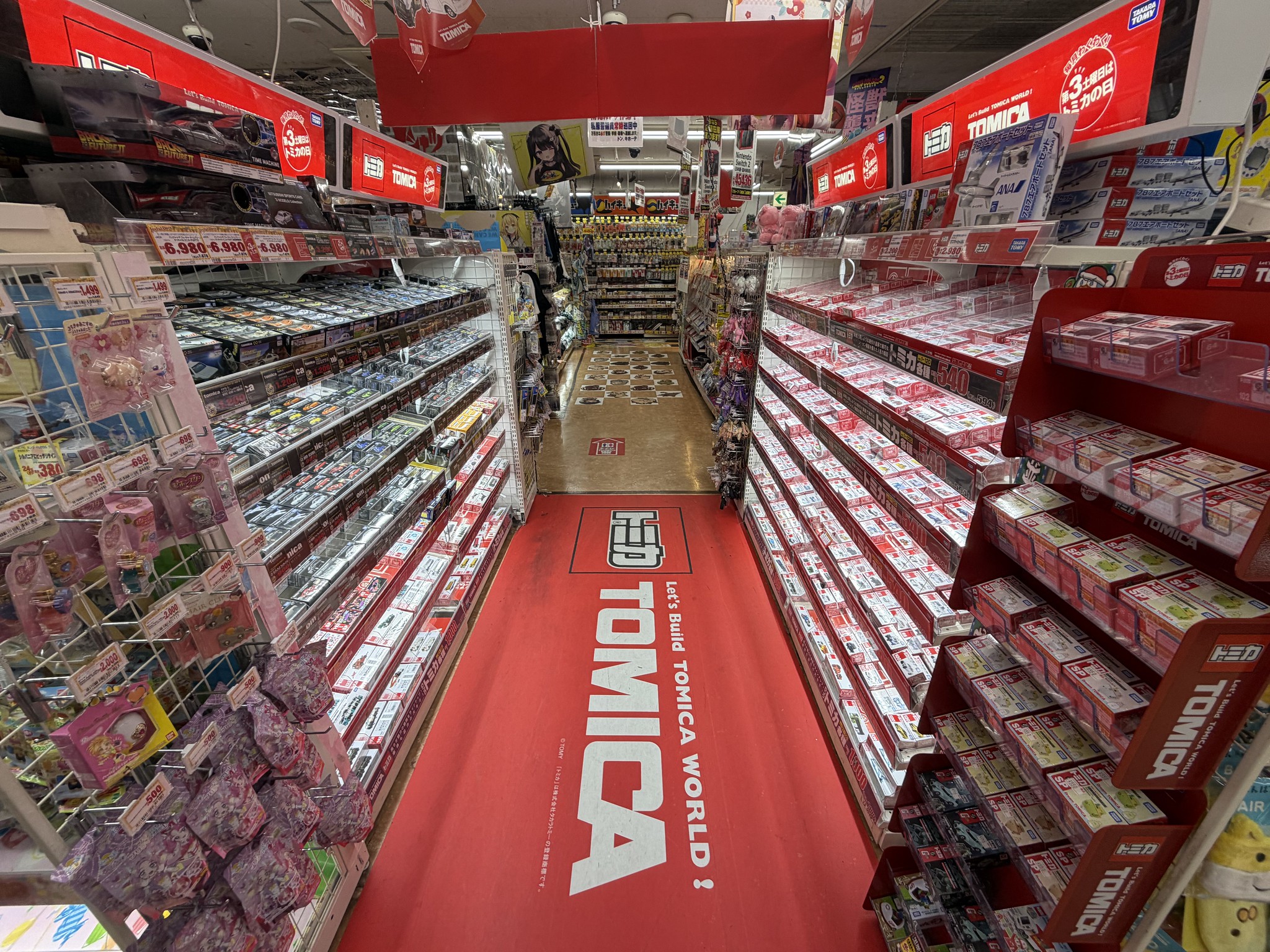
However, I could not resist these. Hot Wheels were actually significantly more expensive than the USA even after the favorable exchange rate: 470 yen ($3.00 as I write this), while the USA price recently went up to $1.25. But Tomica Premium, often $12-15, were significantly cheaper: 900 yen or $5.74.
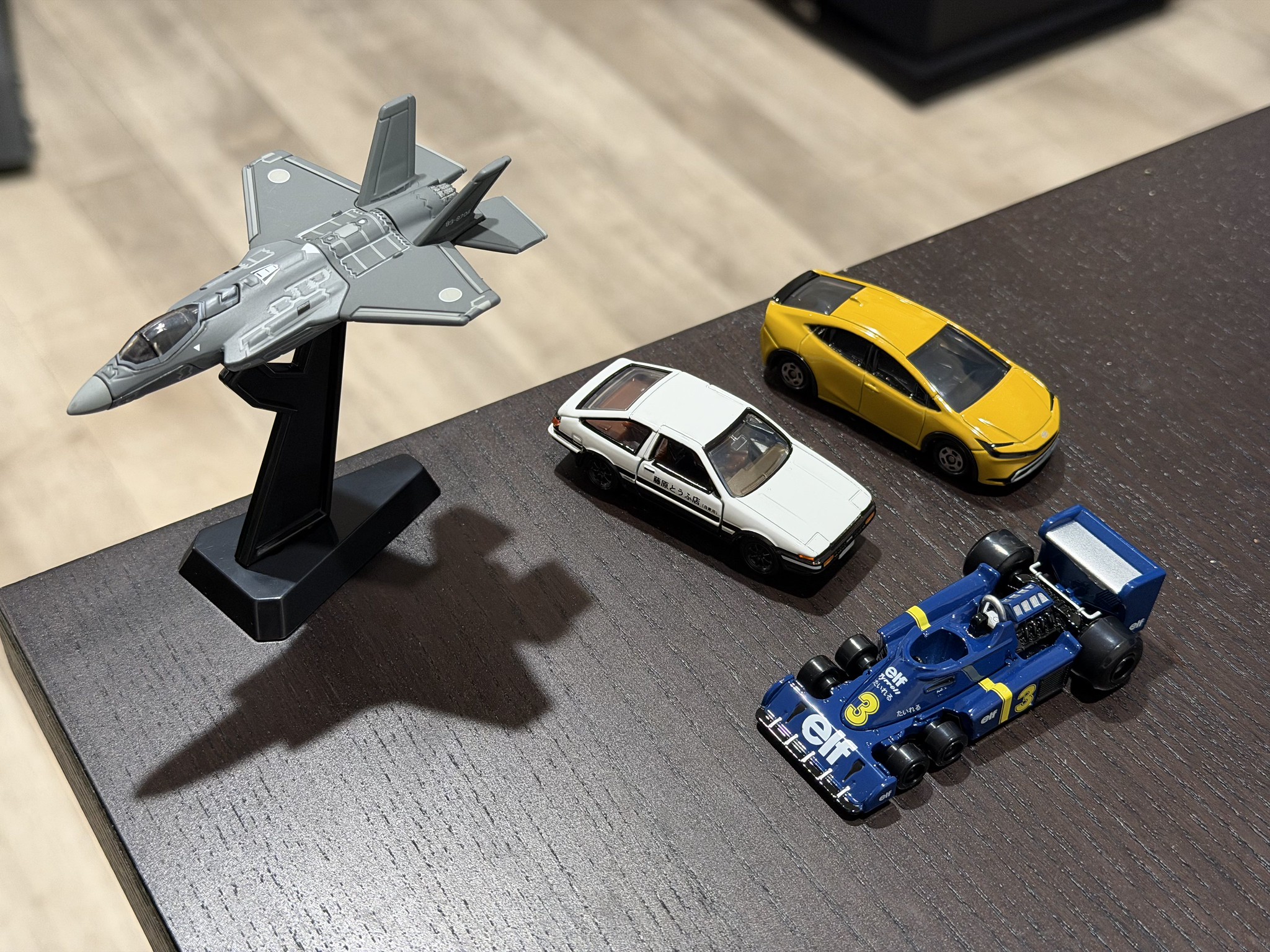
Here they are back at home! I got an F35, Tyrrell P34, AE86, Prius, and a Shinkansen transporter. Ultimately, I was pretty conservative with what I bought over the entire trip; overall we spent relatively little time shopping anyway. The yen to dollar conversion is really favorable but I was pretty deliberate about what I bought.
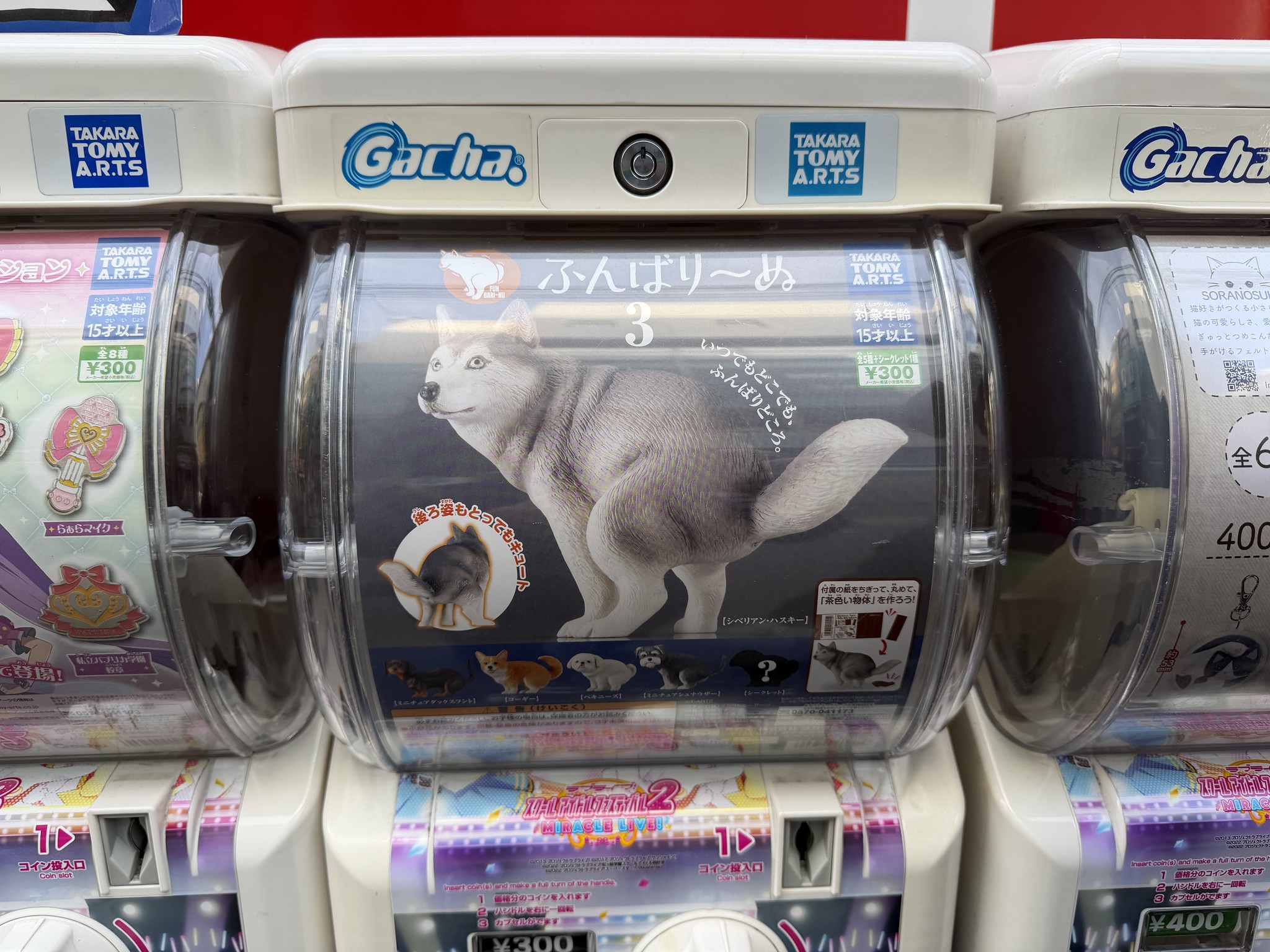
Of course, part of being deliberate was not waffling on unique and fun things that I really wanted. Therefore, I was obliged to spend 300 yen on the amazing pooping dog gacha. It even comes with a brown piece of paper you can crumple up so it looks like a piece of poop!
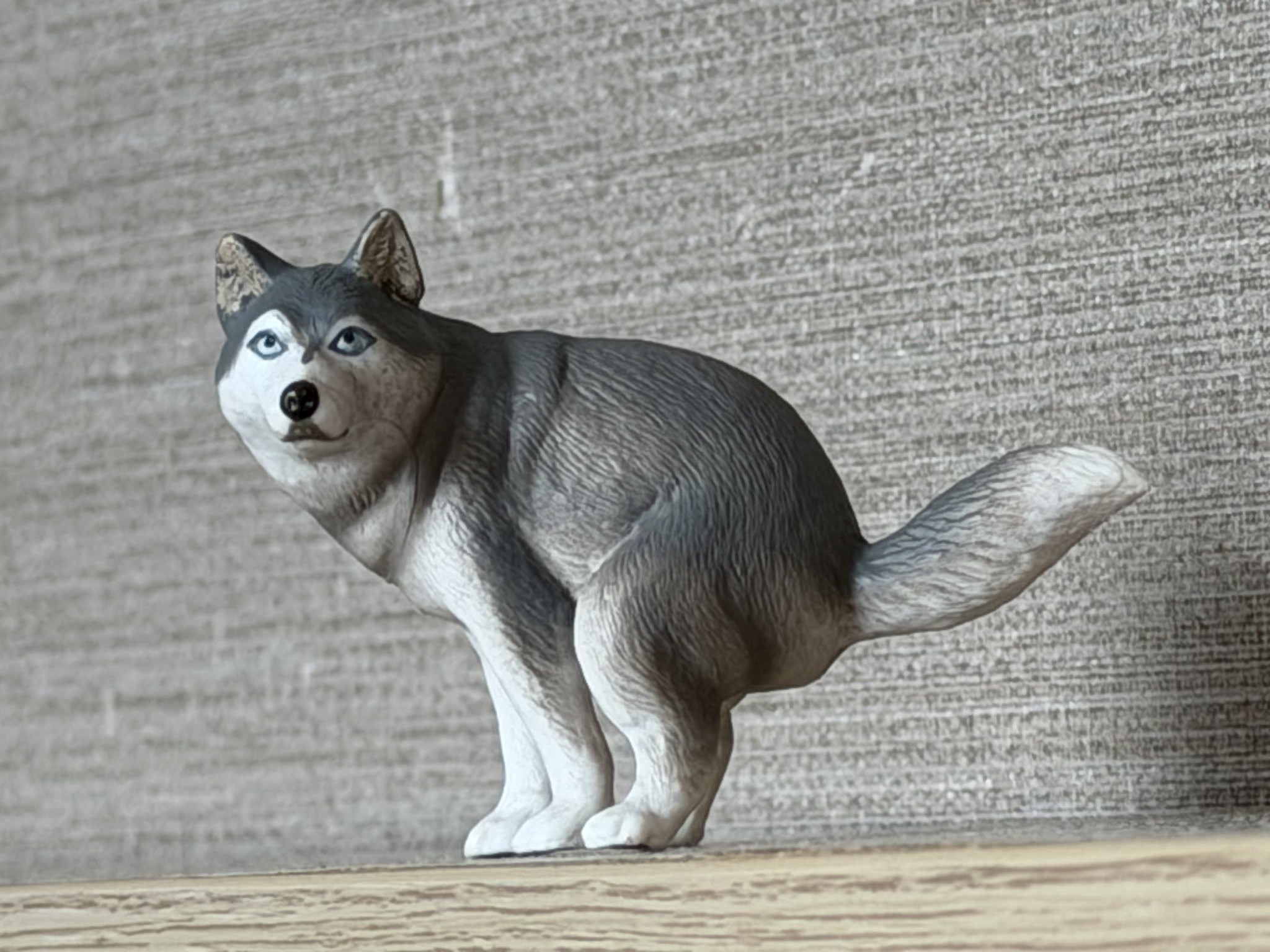
What luck! I got the one I wanted! This little guy is hilarious.
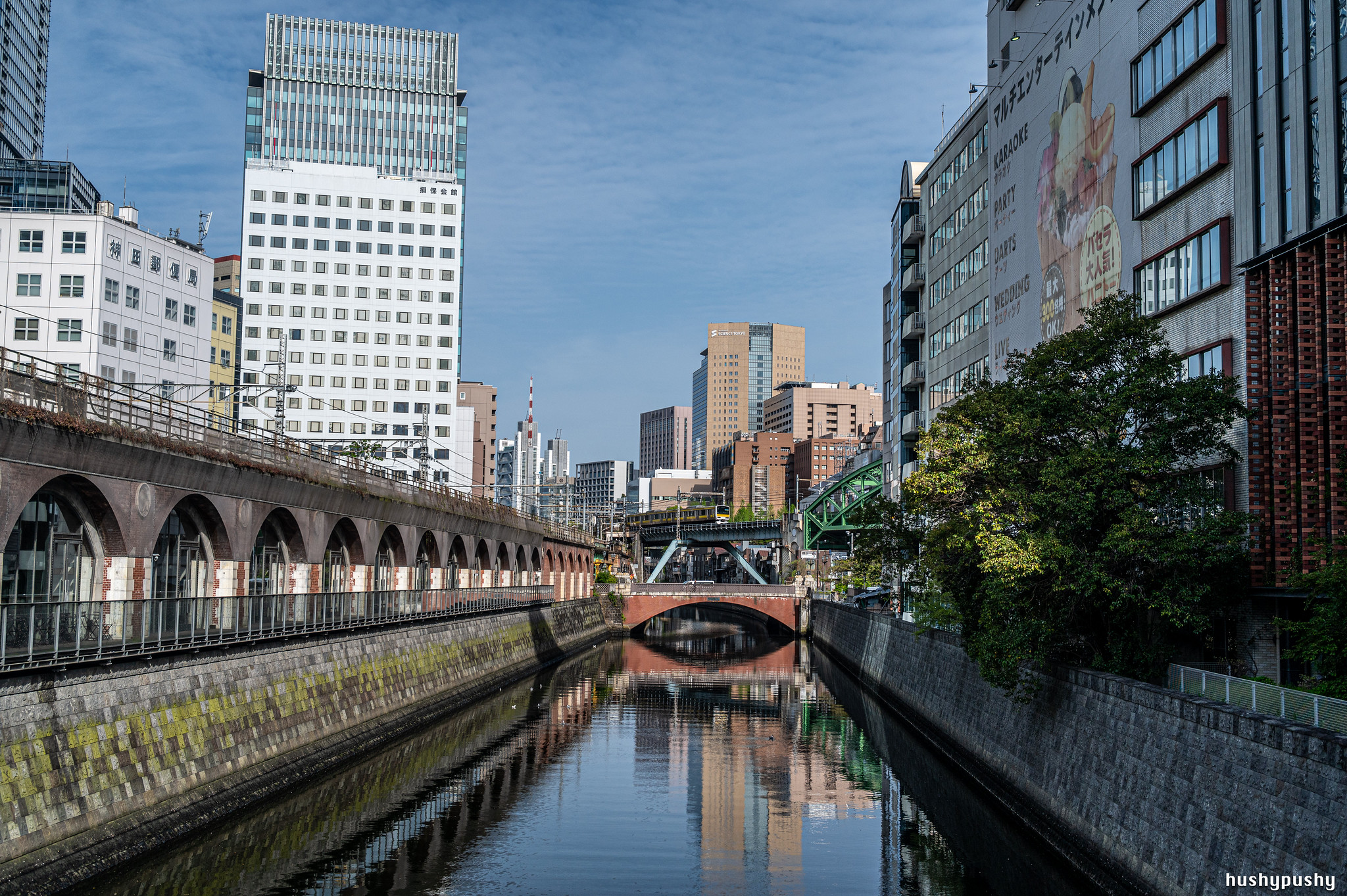
A look down the river to an E231-500 on the Chuo-Sobu line. Indeed, all the super cool trains in Japan add an extra layer of “spotting” to your walks.
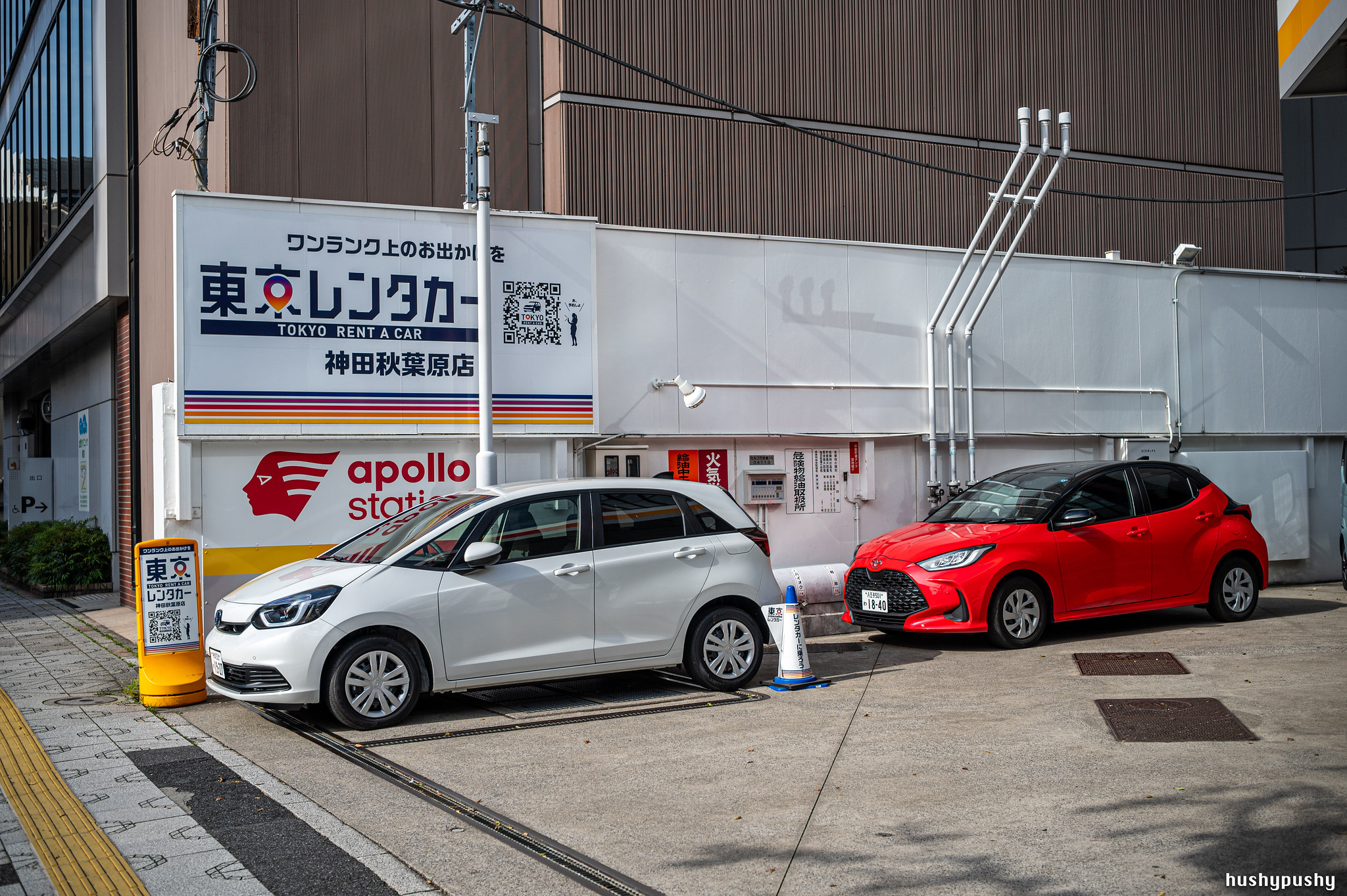
Current generations of cars we don’t get anymore: Honda Fit and Toyota Yaris. I rented a Yaris later in the week for a day and it was a lovely little car. We need simple, high quality, slow (!) hybrids; not expensive, heavy, and overpowered EV’s.
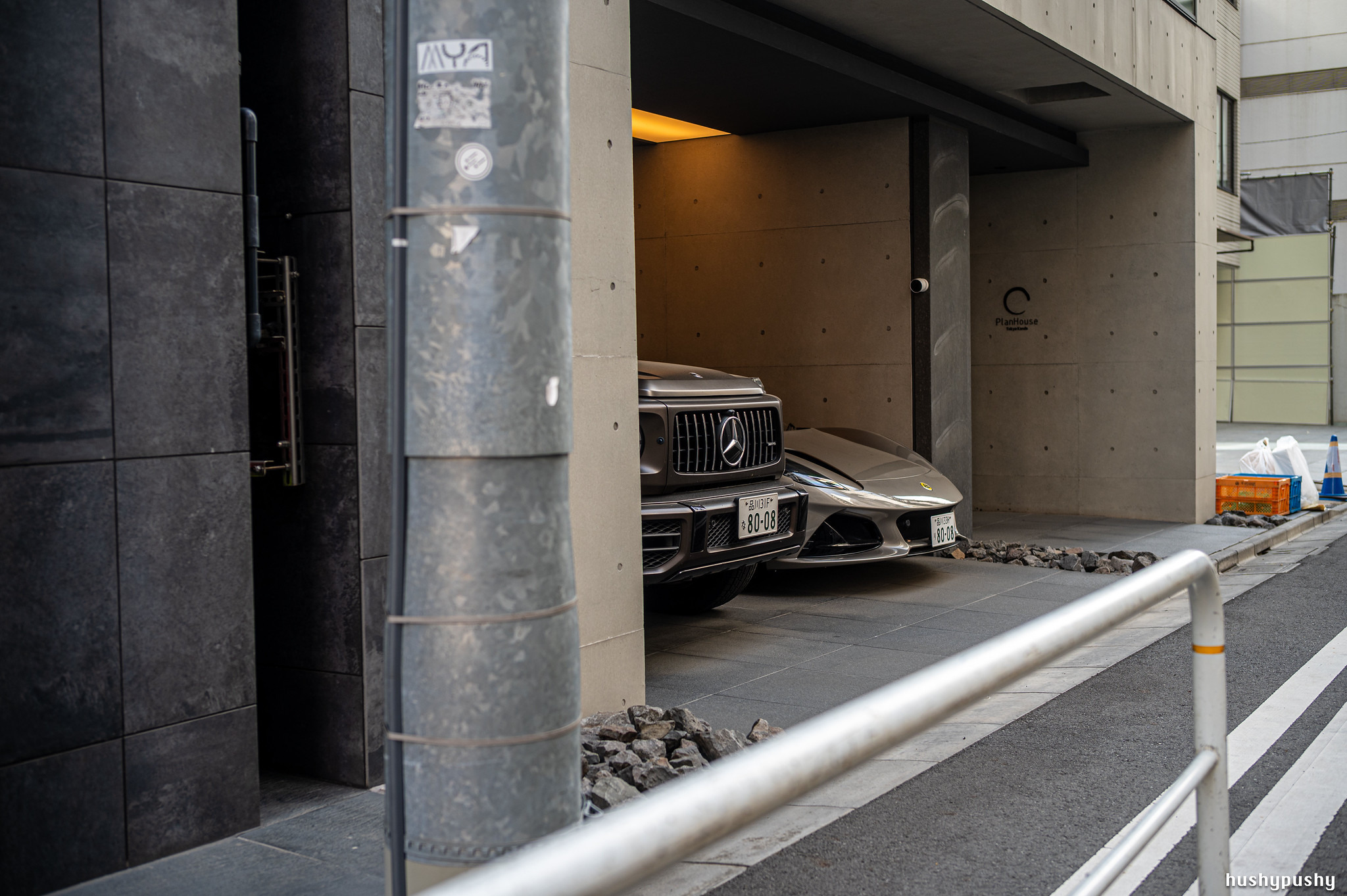
Among all the shades of brown, this matte brown G Wagen and Nimbus Grey Emira blended in perfectly.
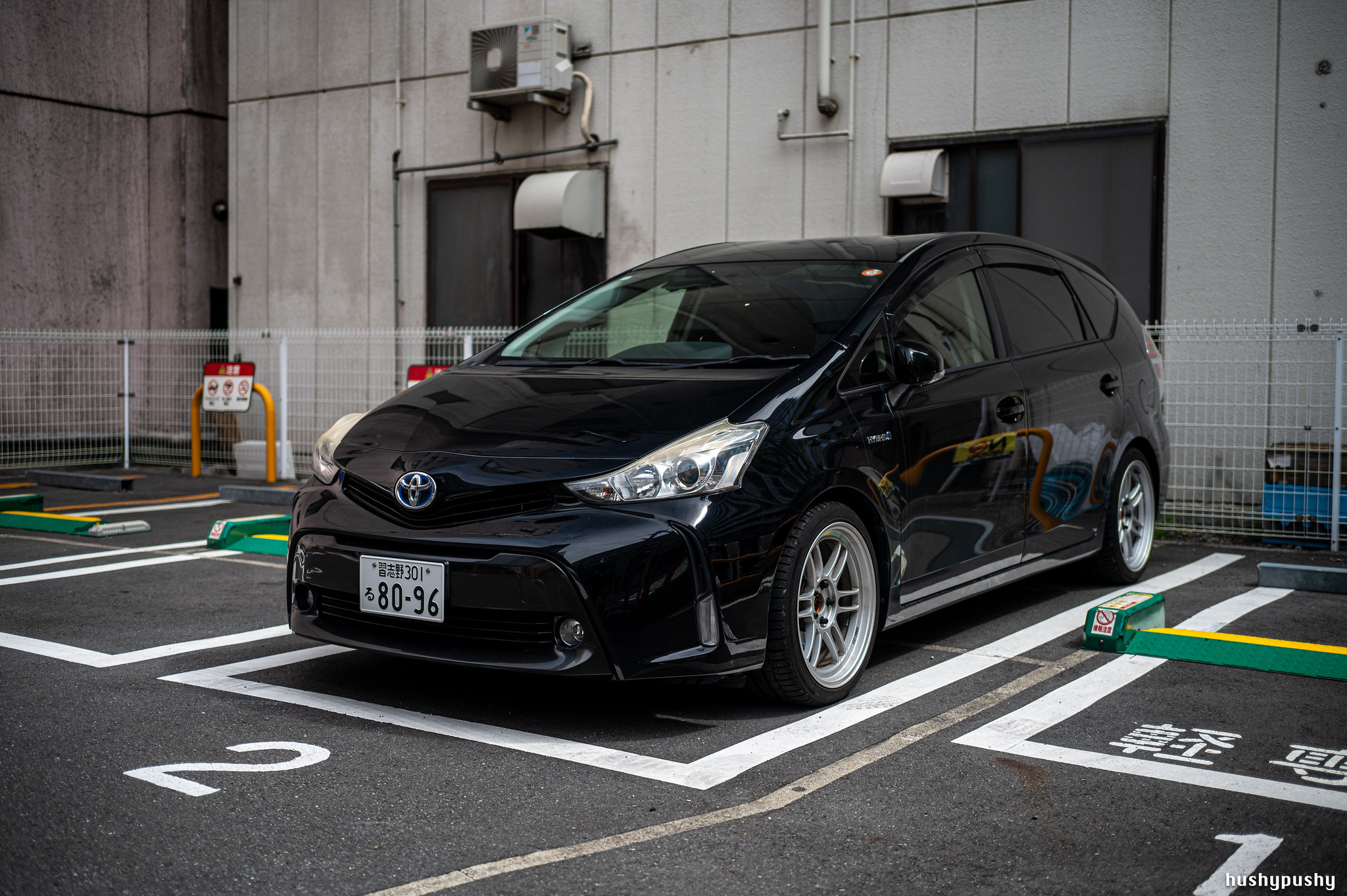
Since owning and driving a car is a privilege in Japan, car ownership is taken seriously. Check out this super clean Toyota Prius Alpha (aka Prius V here) lowered on Enkei RPF1’s. And the absolutely flawless parking job: Japanese drivers are the masters of parking.
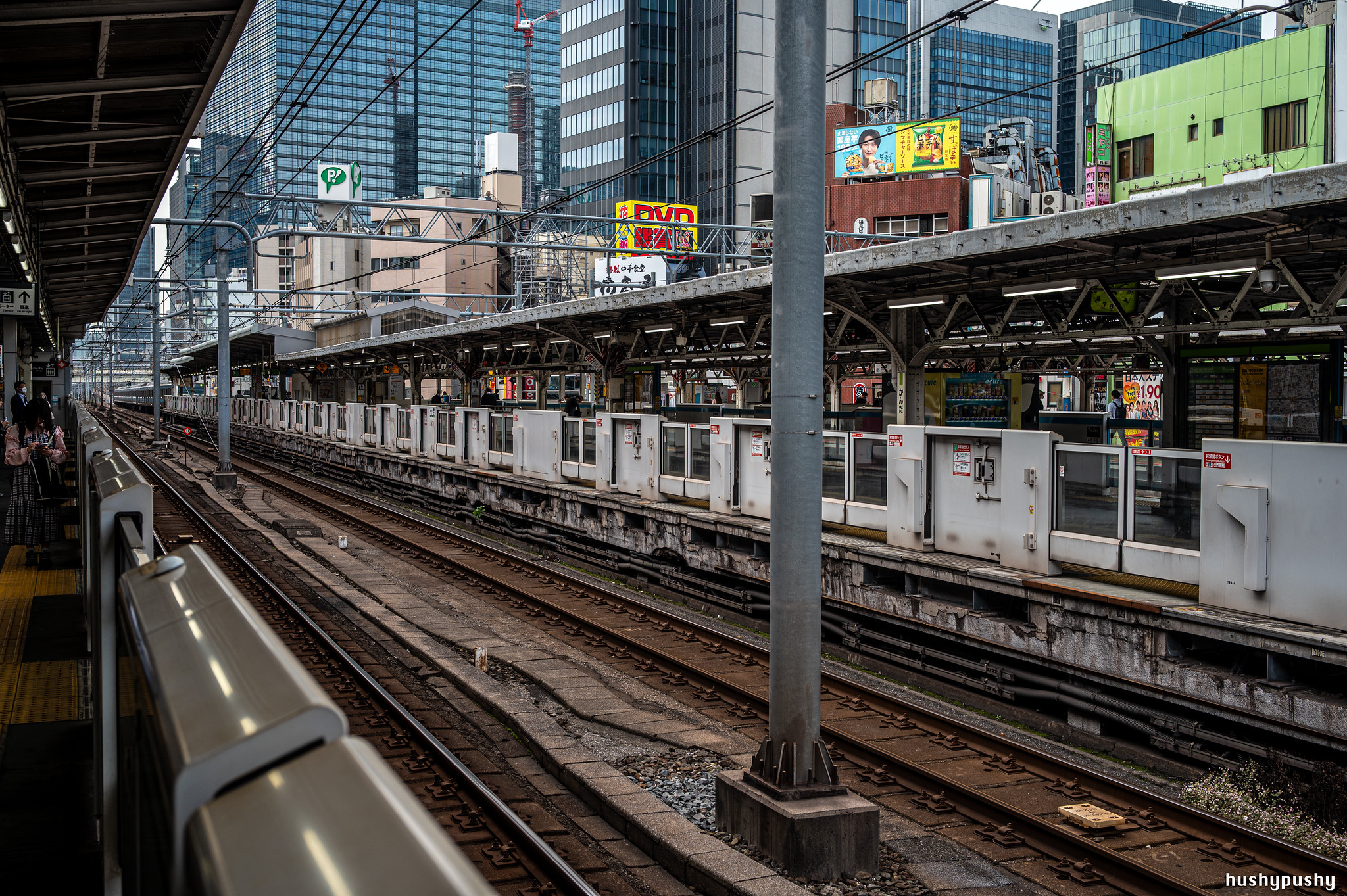
There is something I just love about the aesthetic of train stations. On top of that, the train experience in Tokyo is incredible: you walk a few hundred meters from wherever you are into a train station, tap your phone on the turnstile, and then you get picked up by a train within minutes, which drops you off a few hundred meters of anywhere you want to be.
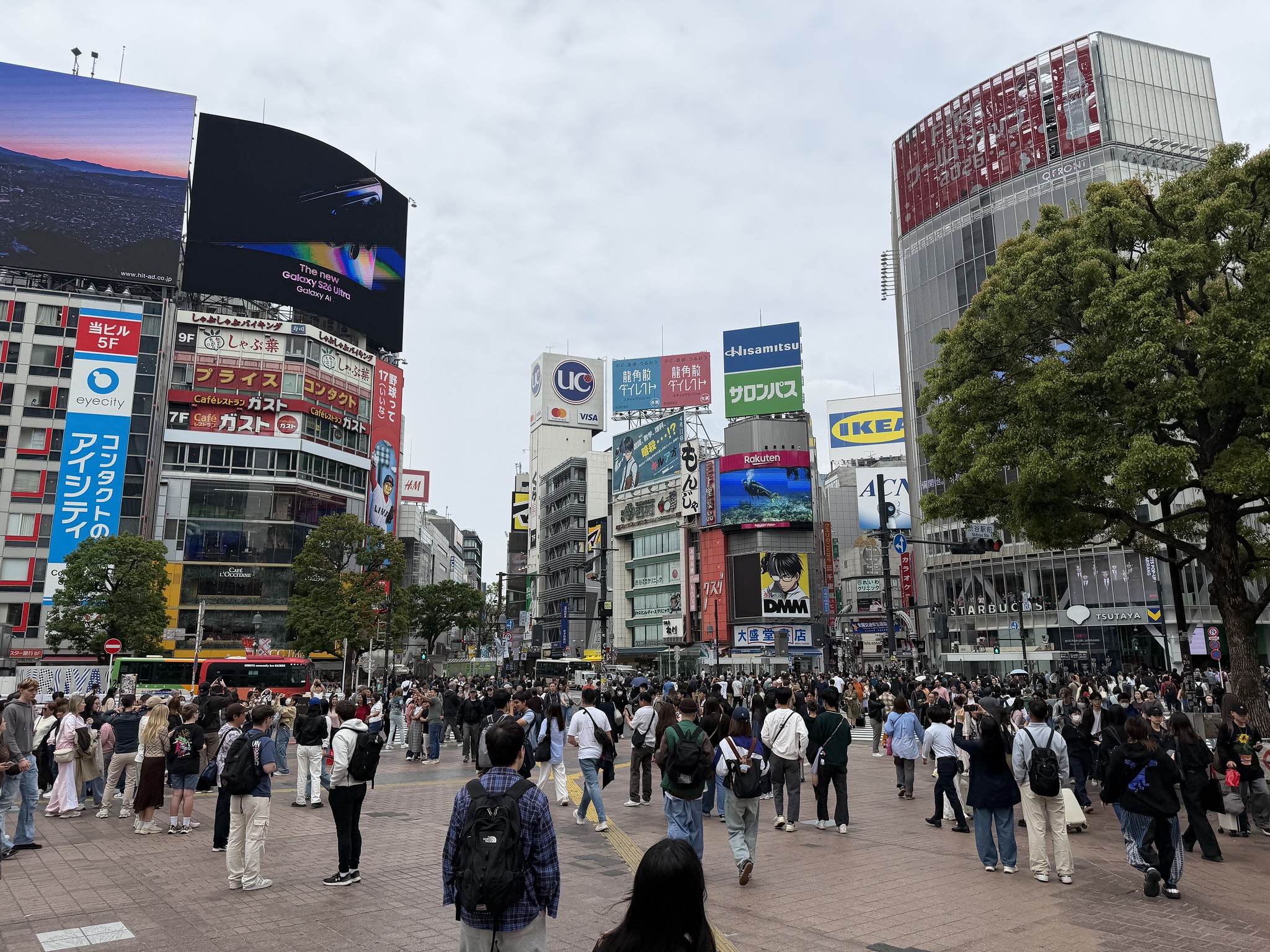
Which happened to be the Shibuya Scramble Crossing, which is right outside of Shibuya Station. Is this the most famous intersection in the world? It was very cool to witness the organized chaos as everyone gets unleashed by the green light to go across. Even at 10 AM on a Monday there were still quite a few people here.
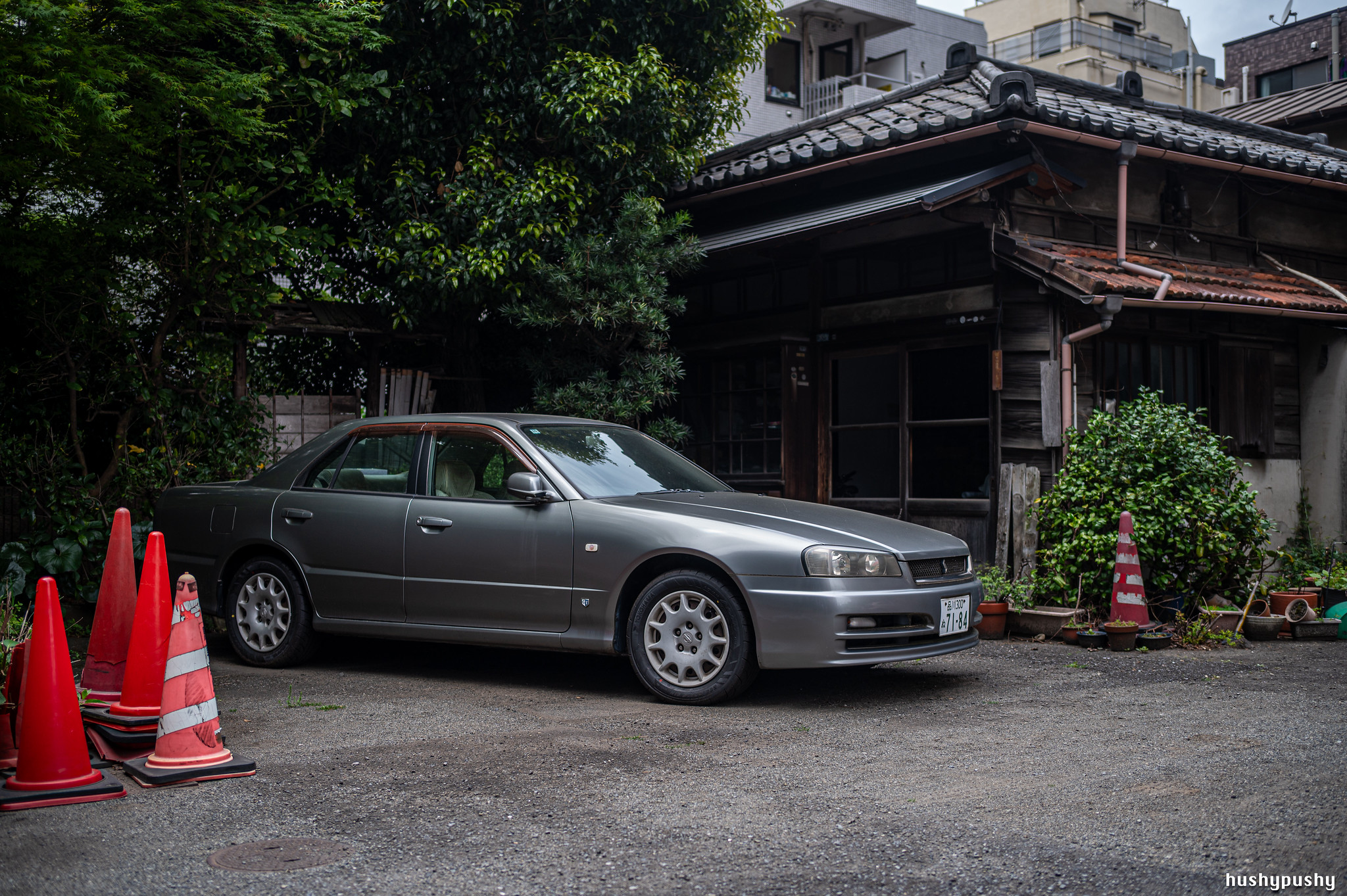
We were cruising down a side street, and among all the huge buildings of Shibuya was this lot with an older style house and an R34 sedan. It looks plain, but it’s on Yokohama Advan AD07 tires, which is an old model (they have AD09 now) but still sticky (180TW).
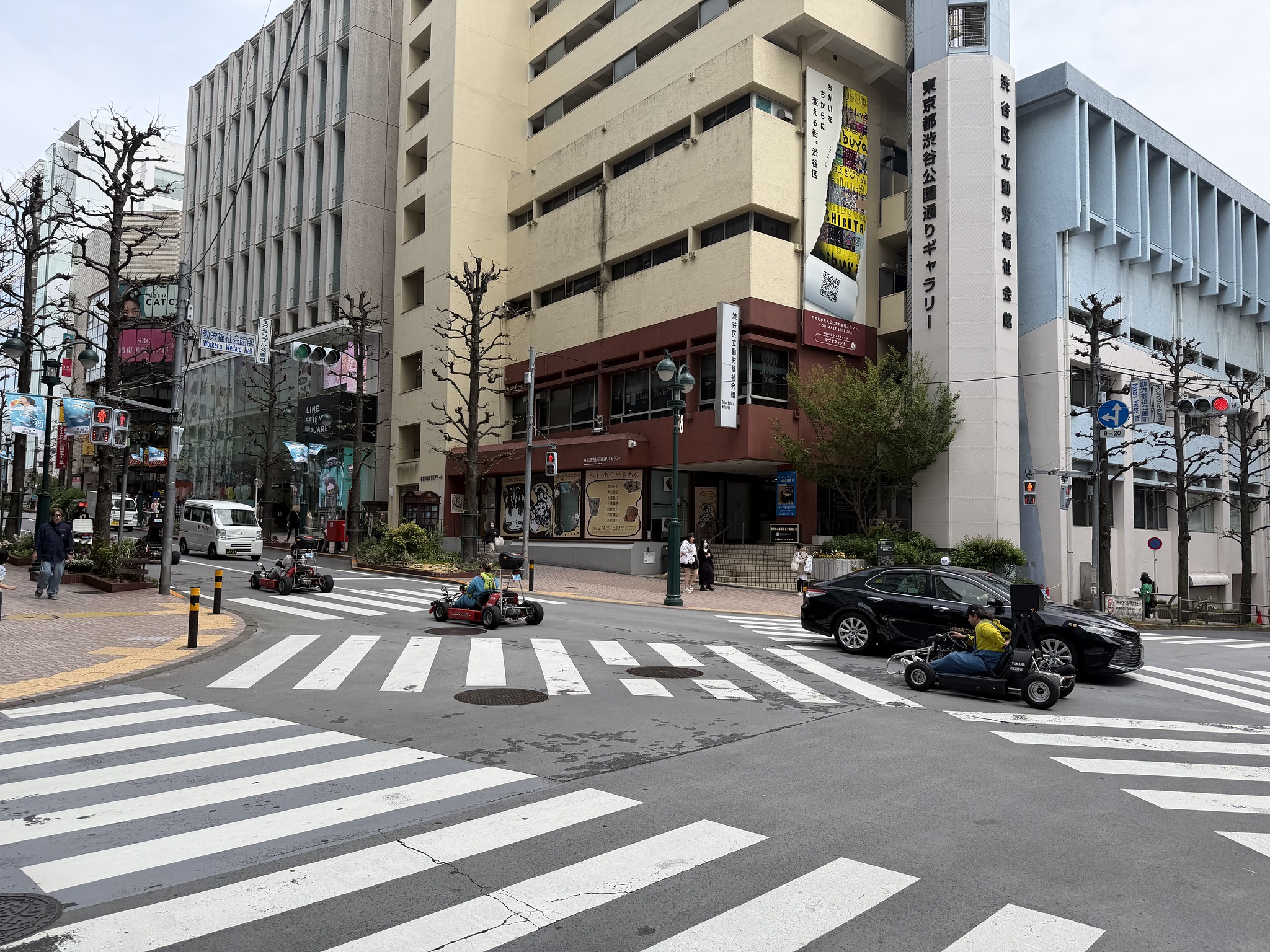
We saw the go-kart tours a few times in the city, which honestly did not seem that fun. Driving in Tokyo is a pain, with a ton of congestion and red lights, so you’re spending half your time sitting still and the other half slowly playing follow-the-leader to a dude on a scooter. And I hope you’re at the front or you’re breathing fumes.
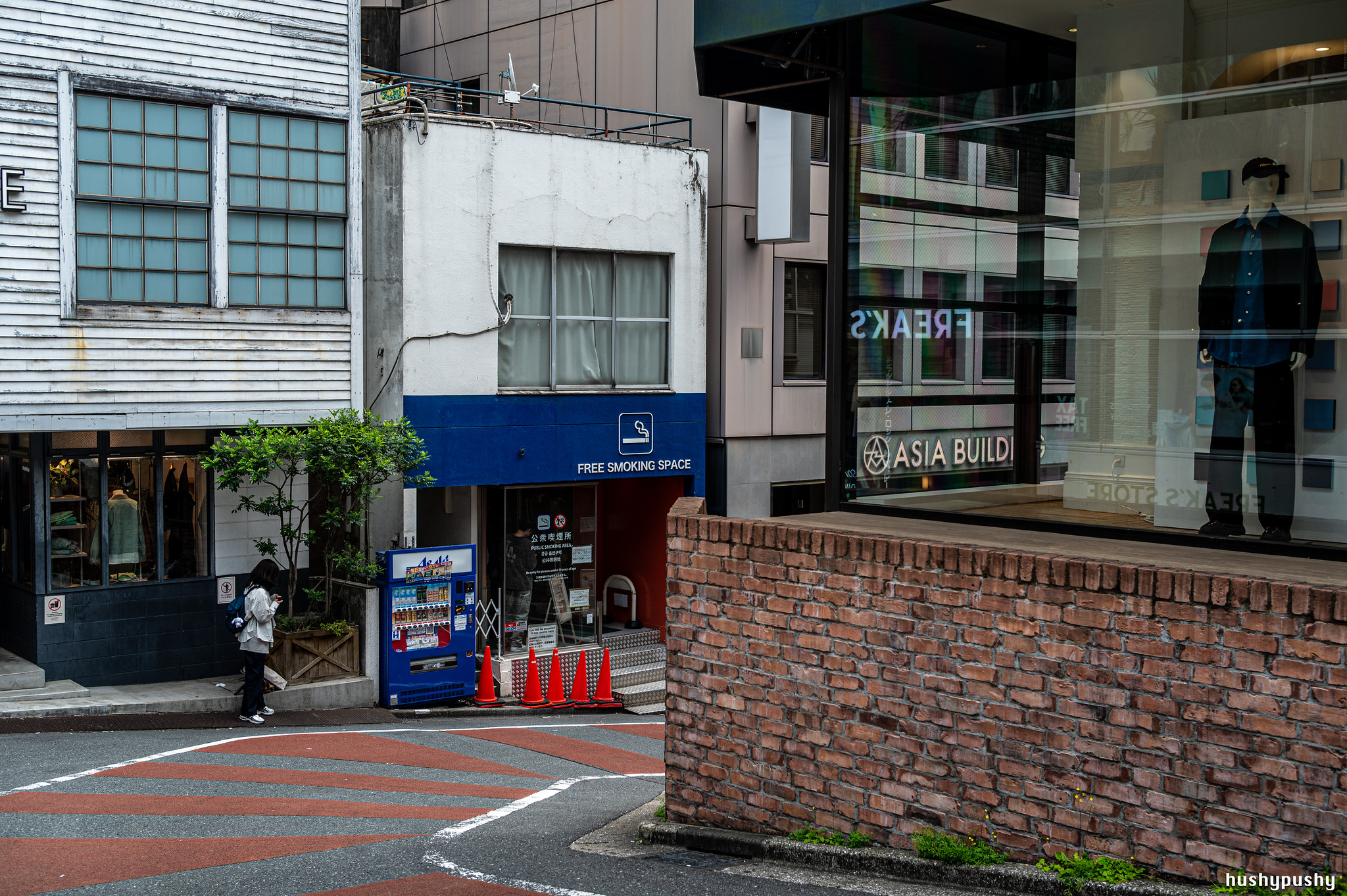
Most of the back streets were completely devoid of traffic though. These days, smoking is banned both indoors and outdoors, so there are special places in the city designated for smoking, like this “Free Smoking Space”.
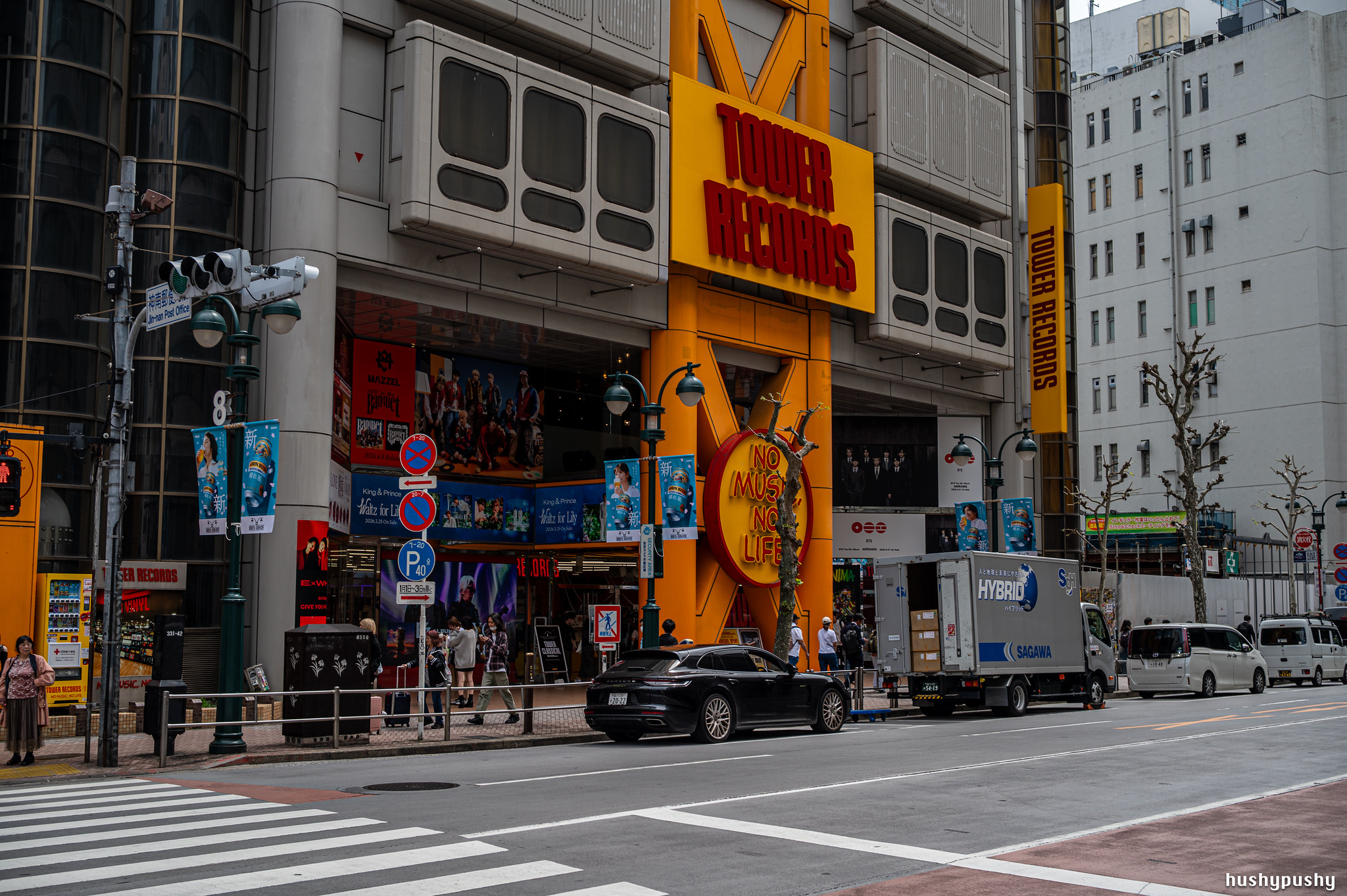
Then we arrived! The flagship Tower Records store in Shibuya! While Tower folded in the rest of the world, it seems to be flourishing in Japan, with over 80 locations. It was also cool to see a Panamera Sport Turismo, which were sold in the USA although I can’t remember the last time I saw one.
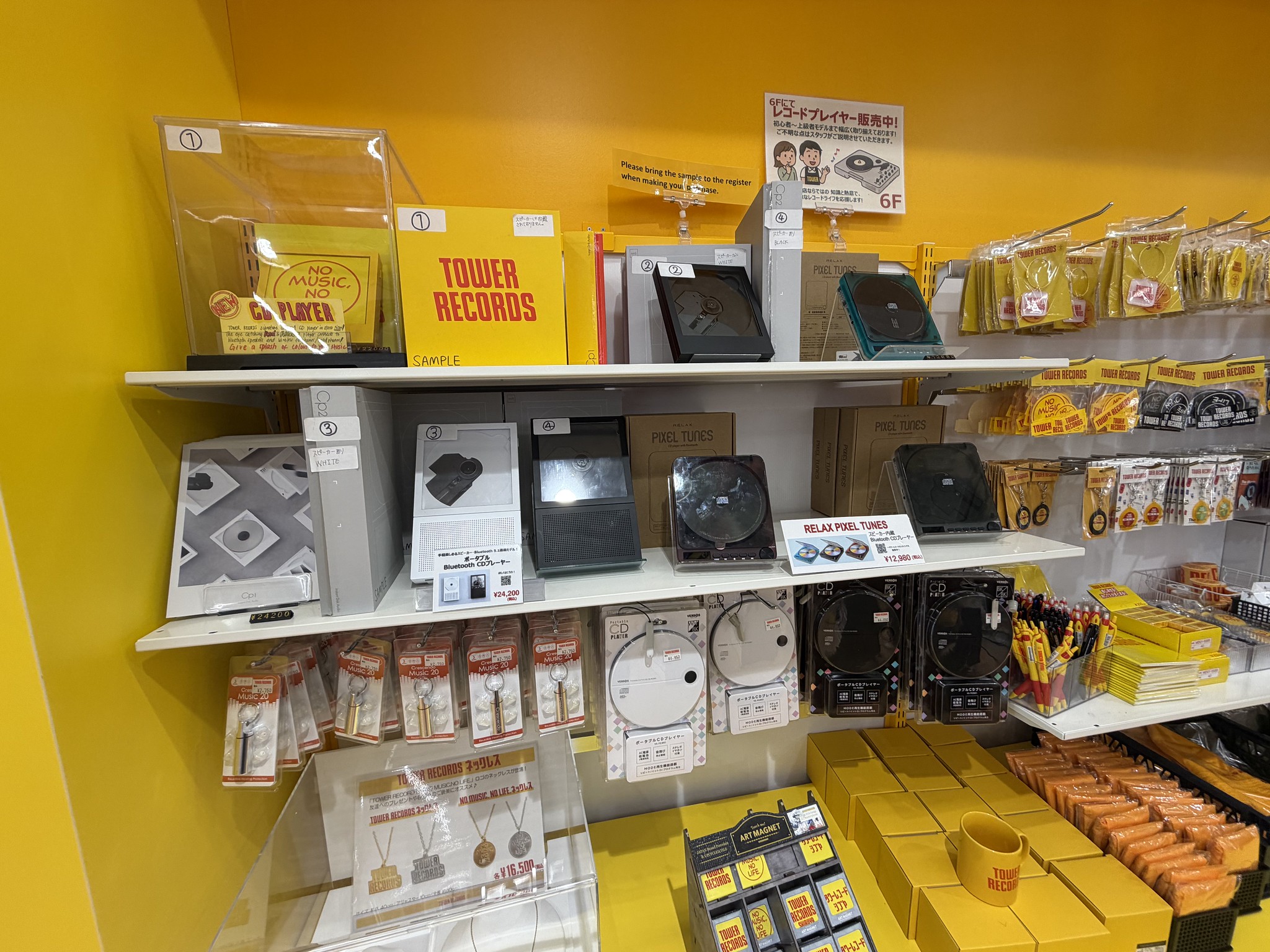
Tower was pretty amazing. It lived up to everything you would hope a Tower Records would be. They even sell brand new CD players! These were a trip because they are completely wireless, with a battery and bluetooth connection.
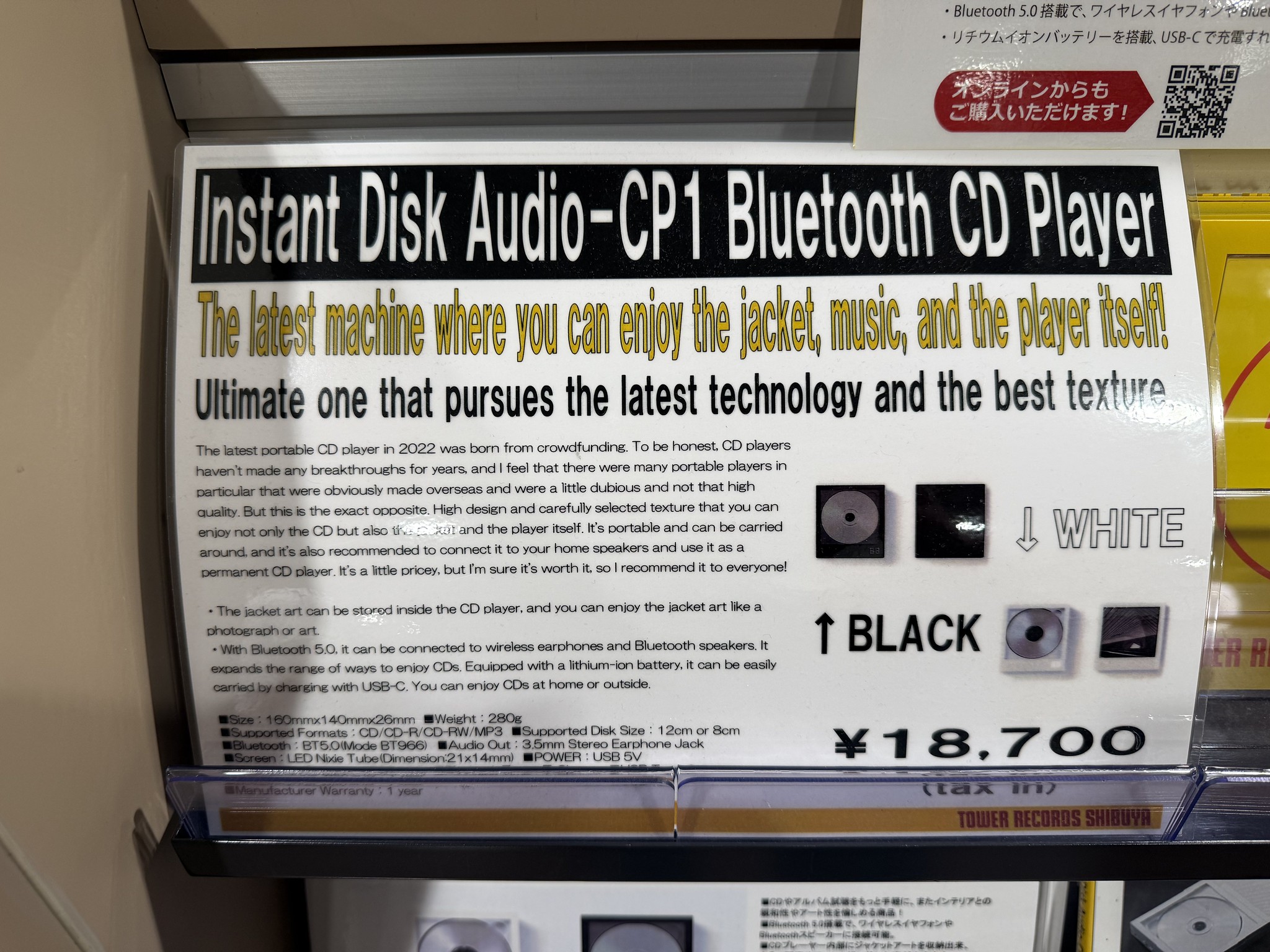
I was very intrigued by this description and came very close to buying this just for the cool factor! Although, I backed out when I realized I probably wouldn’t actually use it very much. I do regret not buying a single piece of Tower Records swag, but as mentioned, I really wasn’t in “consumer” mode on this trip so it didn’t occur to me at the time.
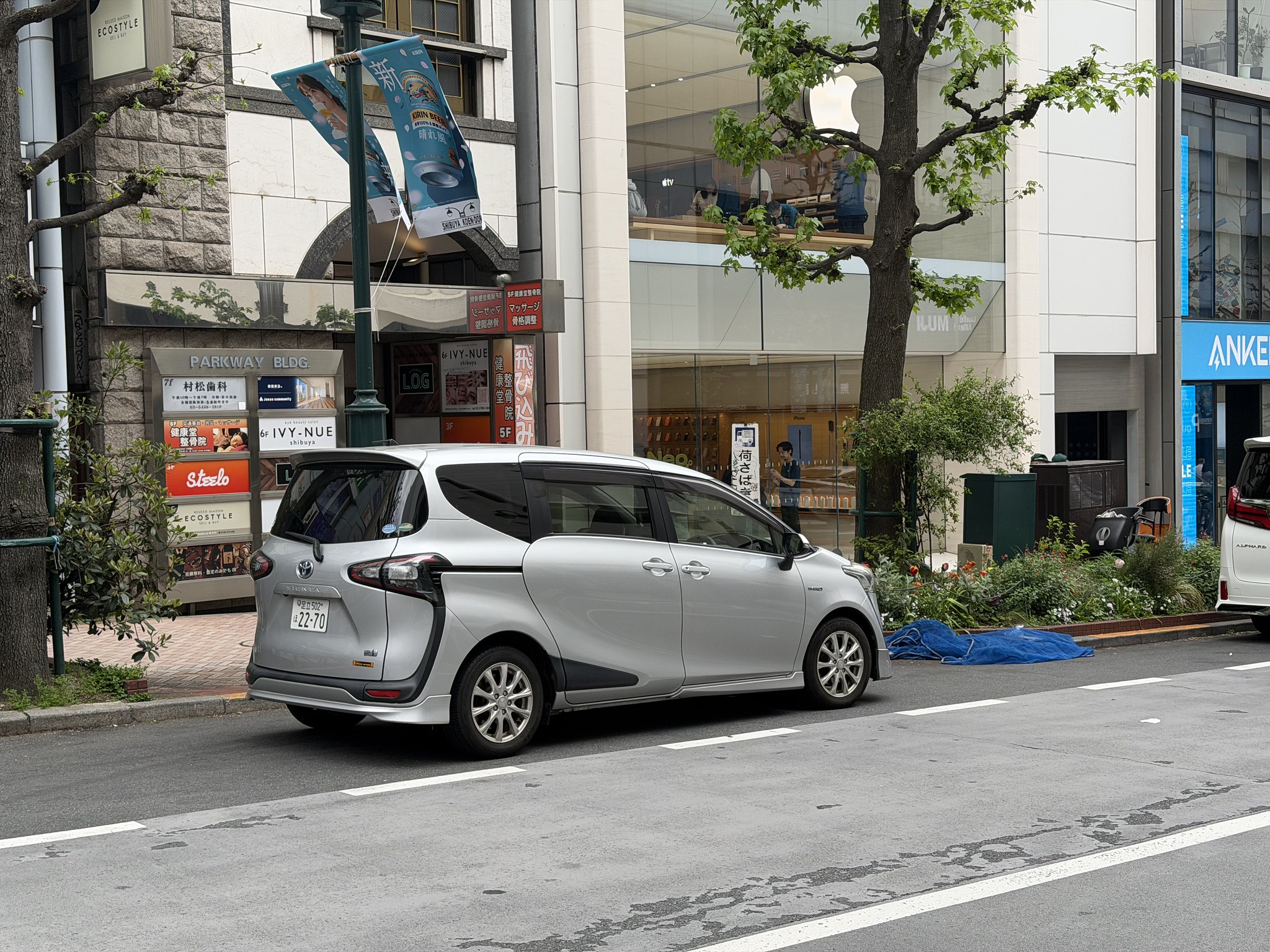
This is not a Toyota Sienna, but a Toyota Sienta. It’s not as confusing as it could be, because the larger Sienna is not sold in Japan.
I’ve seen these kits online before, but they seem like a super niche thing, so it was very cool to see one in the wild.
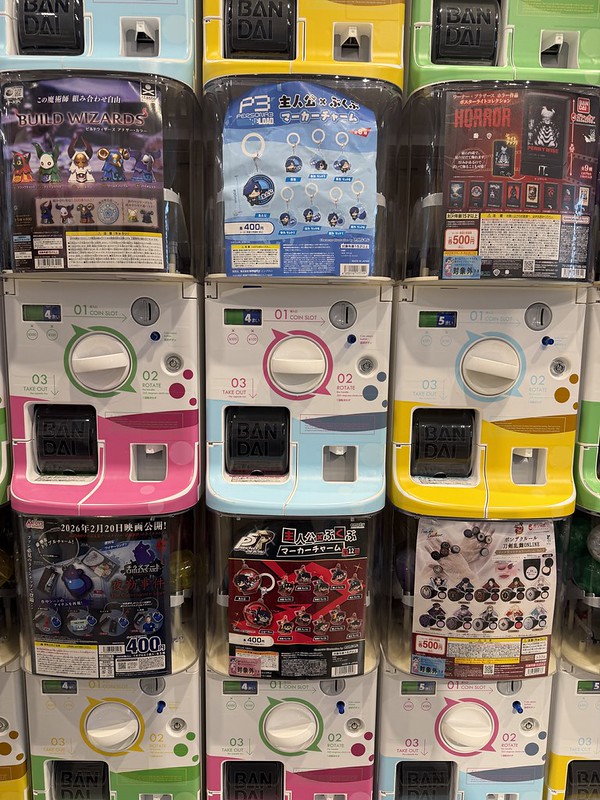
Gacha are extremely popular in Japan and cover a wide range of genres. I was pretty stoked to see Persona gacha, although I have no need for more keychains so I refrained from buying these.
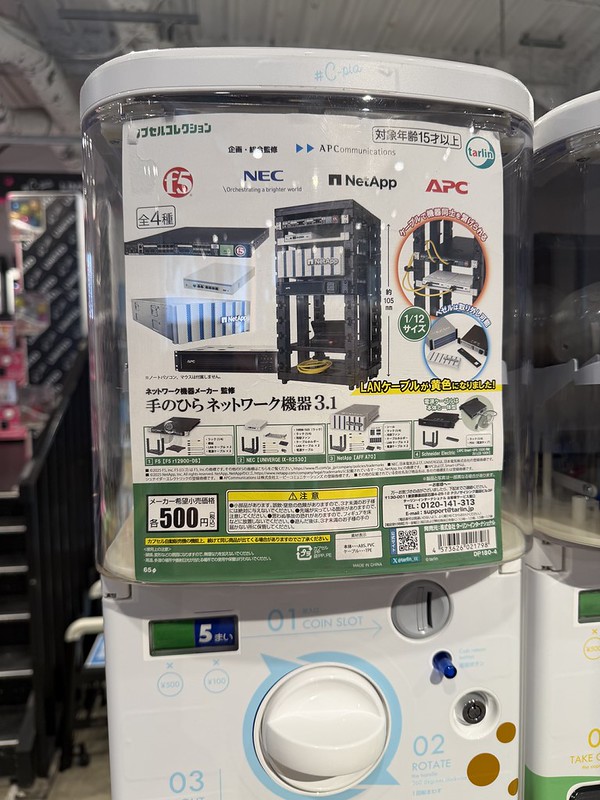
There were some seriously amazing ones though, like this premium priced selection of networking devices!
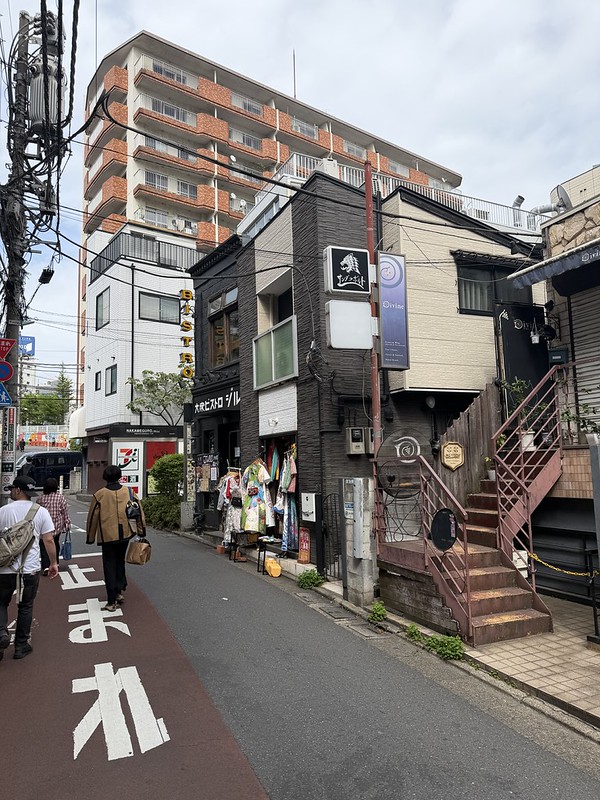
I tend to avoid shooting portrait (vertical) framing in general. Virtually every creature on the planet has evolved with two eyes that are side by side because the majority of the world’s information is left-to-right. With that said, there was a lot of impressive verticality in Japan and I couldn’t help but turn my (phone) camera from time to time.
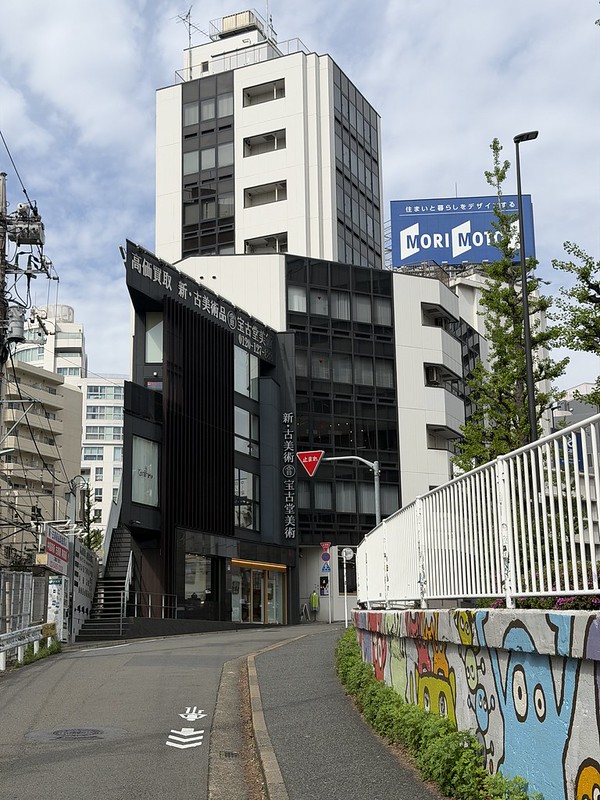
There were so many little scenes to discover. There isn’t a wasted centimeter in Tokyo, so it’s interesting to see how all the buildings and streets are arranged.
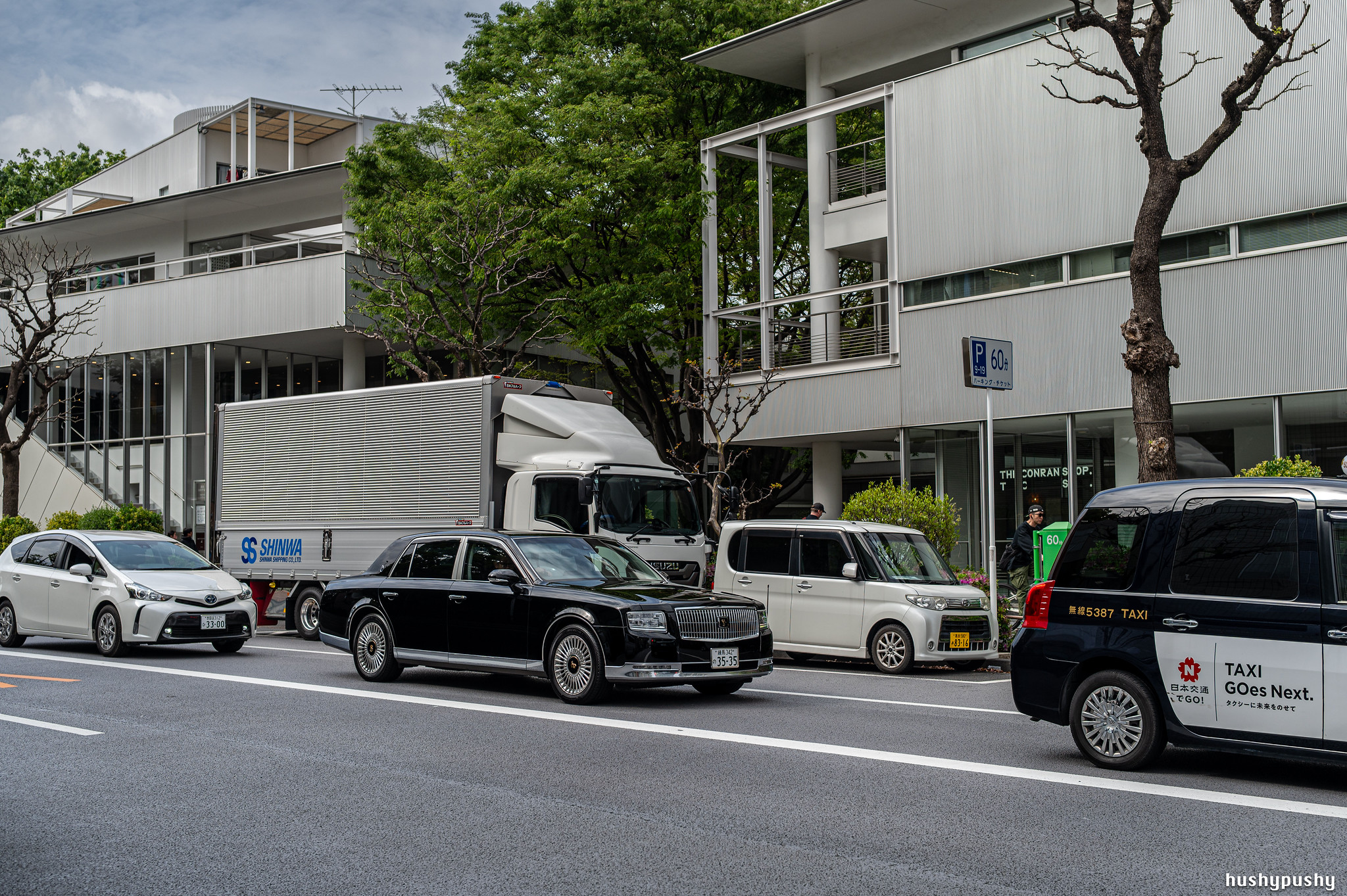
I came across a couple new examples of the new Century, but this was the only one I was able to get a photo of. Super elegant and classy car.
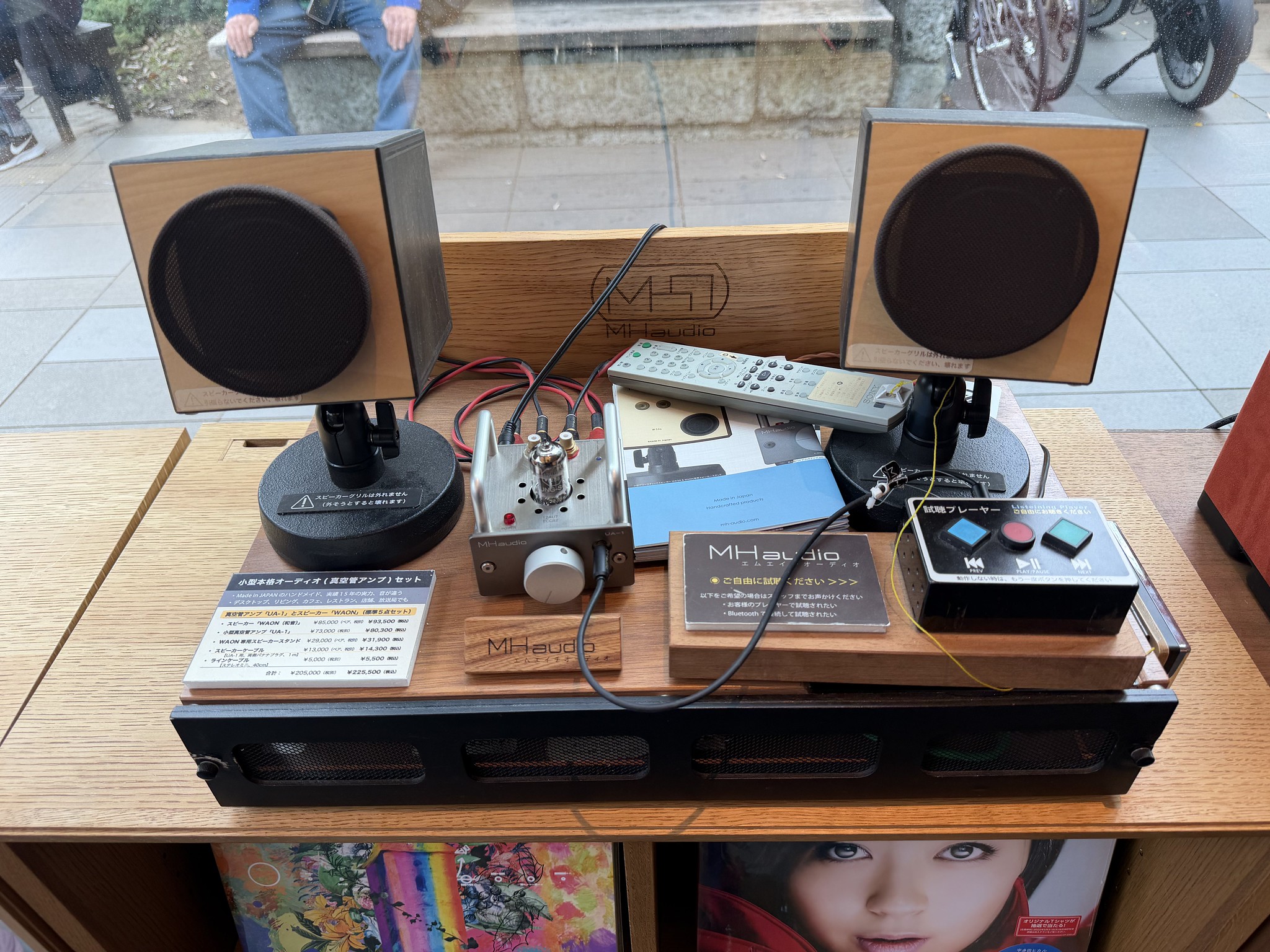
Next we went to Tsutaya Books. This particular location had a HUGE automotive section. I was a bit worried about going over the weight limit of my checked baggage so I wasn’t super keen on buying books, although I did pick up both volumes of Subaru and Subaru, the newest manga by Shuichi Shigeno. Check out this cool listening station that let you demo a tiny tube amp and tiny speakers. They had a vinyl copy of Ultra Blue by Utada Hikaru, one of my all-time favorite artists! This album came out in 2006 and I remember it well. In the USA, it’s a nice surprise to see Japanese media; but in Japan I had to keep reminding myself to not be surprised because these sort of things are just the regular domestic culture over there.
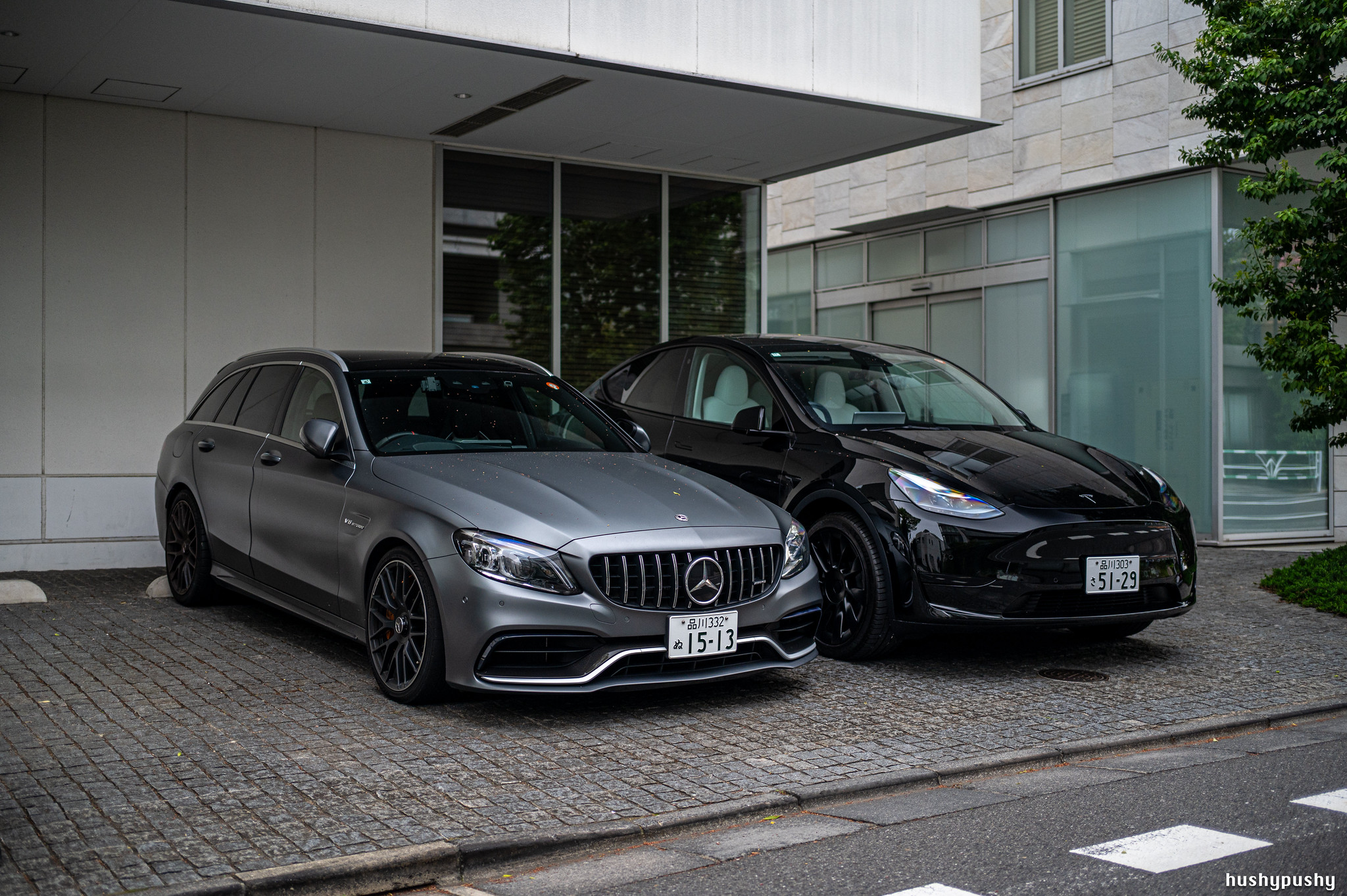
Fun juxtaposition here. That’s one of the most popular vehicles in the USA (the best selling EV in fact), the Tesla Model Y. Next to it, a Mercedes C63S wagon, which we don’t get all in the USA. We don’t even get a regular C-class wagon!
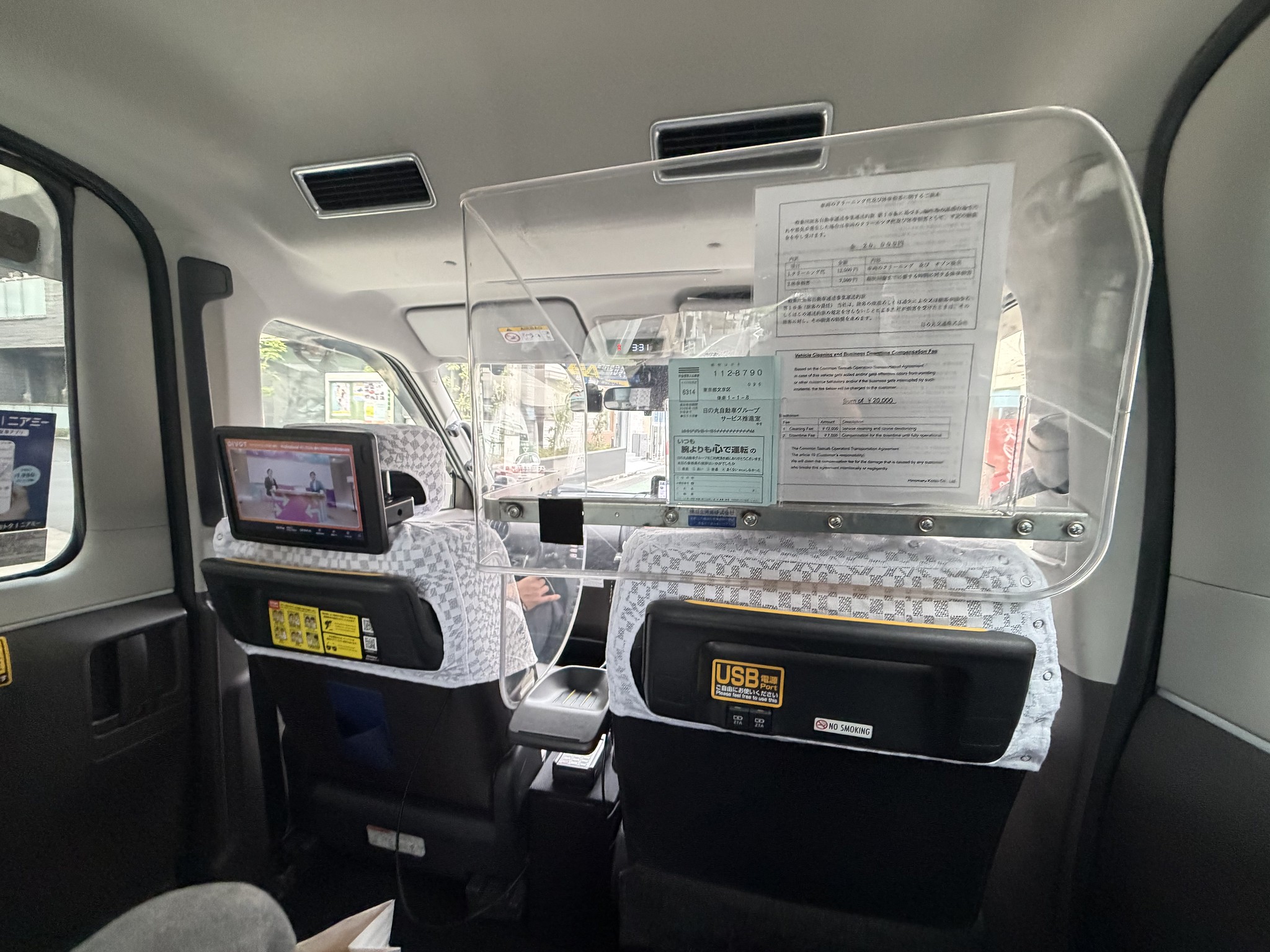
Going from Daikanyama back to Kanda, we had a few options. The cheapest way would be to walk 1.2km over to Ebisu Station, then pay 260 yen for a 25 minute train ride to Kanda Station. We could have also walked 450 meters to Daikanyama Station and paid 350 yen, although we would have had to transfer trains at Shibuya Station to get back to Kanda. Stefan was not interested in either of those options and suggested taking an Uber. At over 6000 yen it was not an economical choice, but he did offer to pay for all of it. The upshot was that we got to see what Japanese Uber was like. Our driver was an older gentleman who drove very well, and he picked us up in a special car: the new Toyota JPN Taxi. There are still quite a few of the classic Toyota Comfort taxis around, but in Tokyo it seems they’ve been largely supplanted by this new car. Even better, it was the higher end “Takumi” trim which has more air vents and slightly nicer interior materials, among other things.
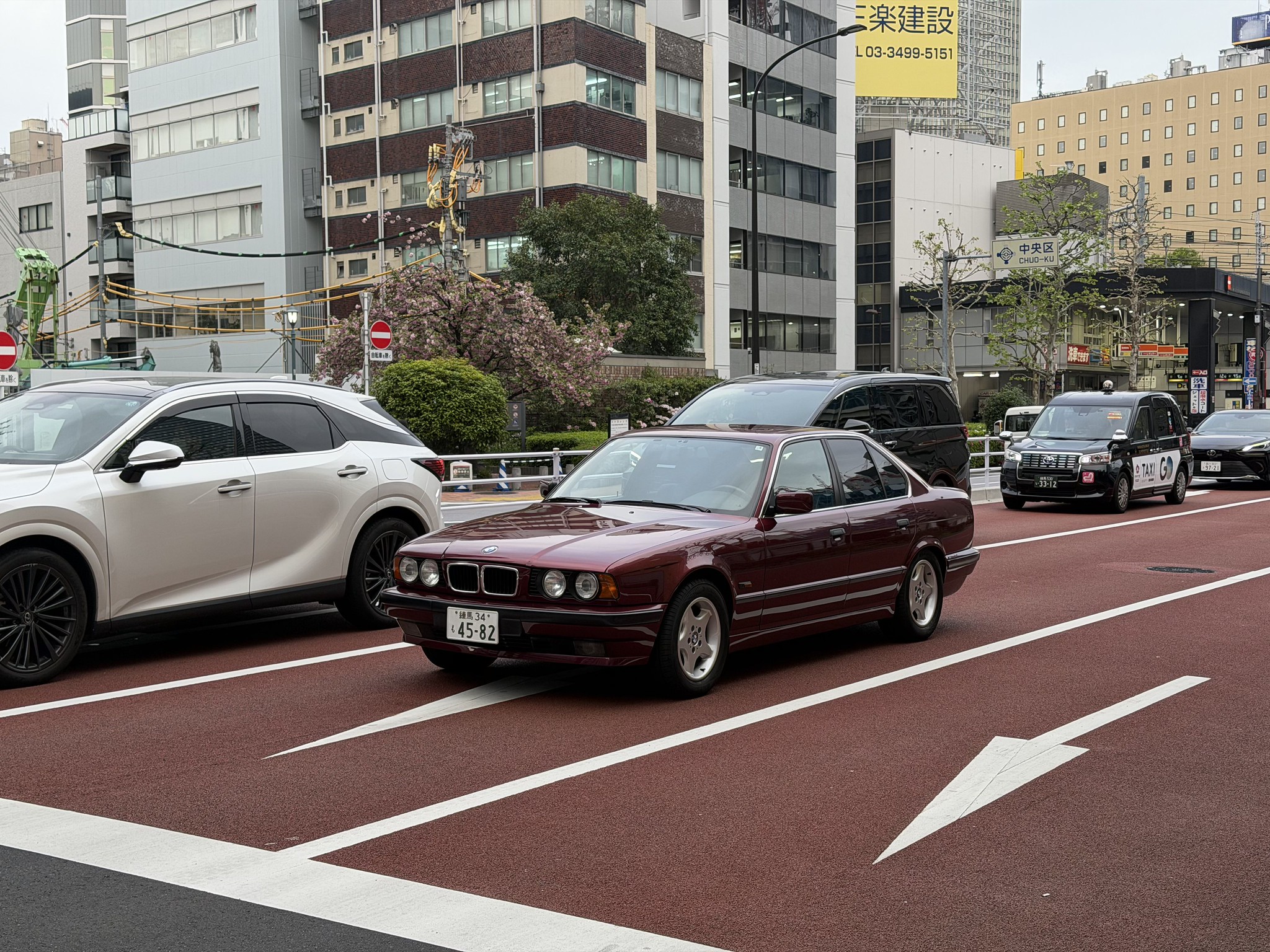
Most cars in Tokyo are new and Japanese, as you would expect, but occasionally there would be a rad classic like this E34 BMW. And in the background, you can see one of the JPN Taxis. I now regret that I never really thought about capturing photos of the JPN Taxi specifically.
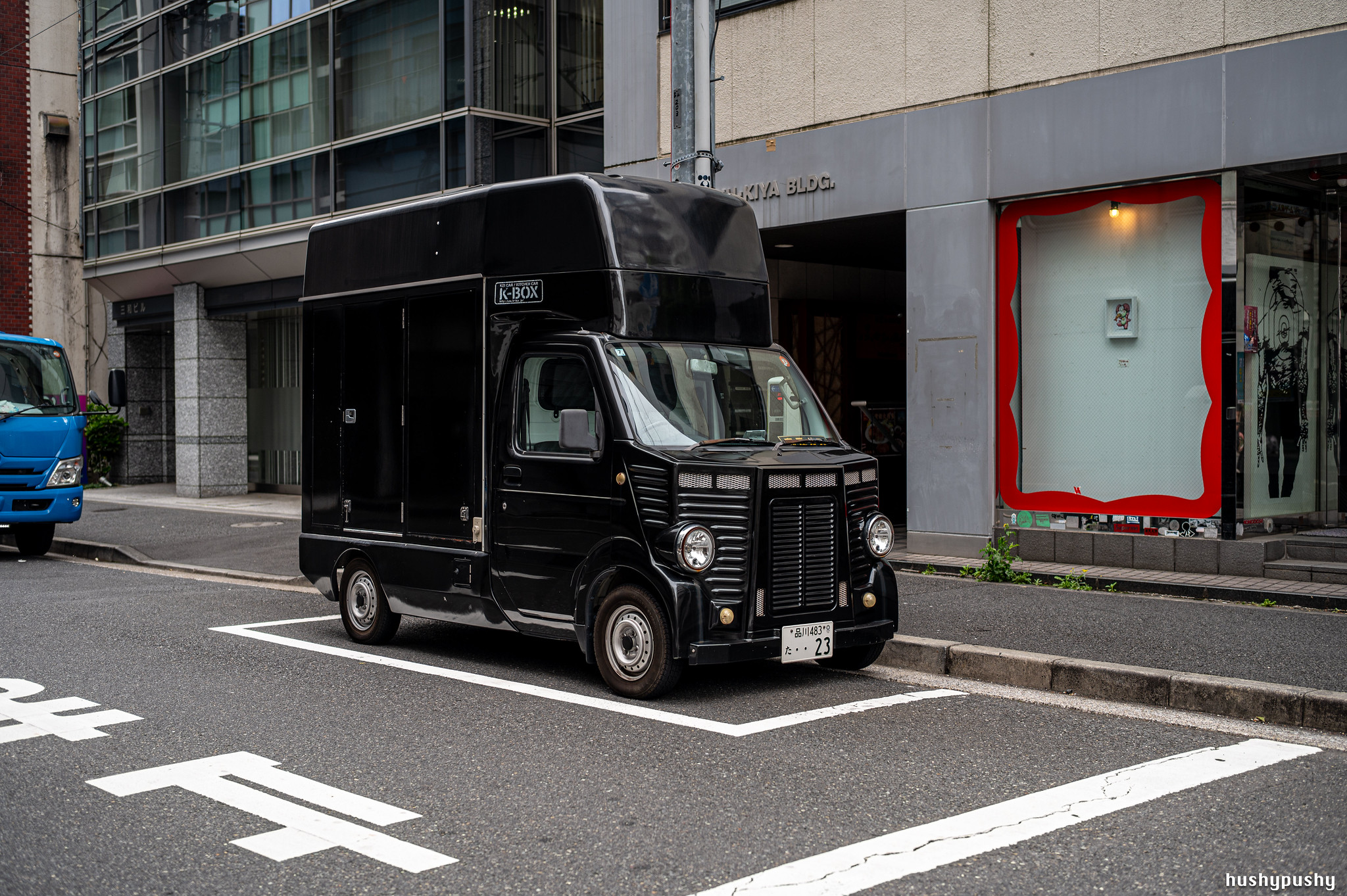
Another fun conversion, this one based on a Citroen H Van.
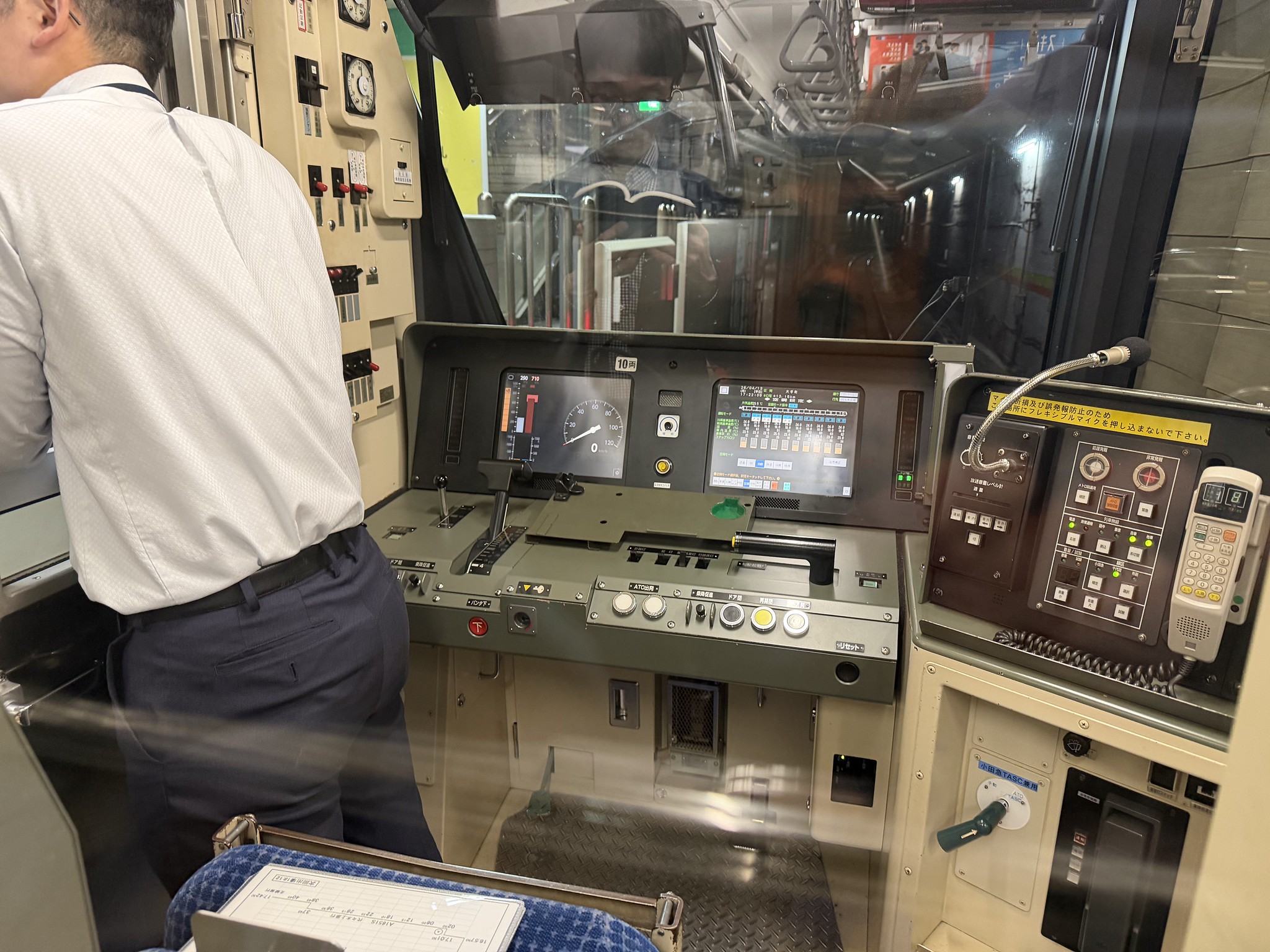
We got on the Chiyoda Line and happened to ride in the last car of a Tokyo Metro 16000 series (not sure of the exact model). It was really interesting to see the duties of the guy riding in the last car. What a job!
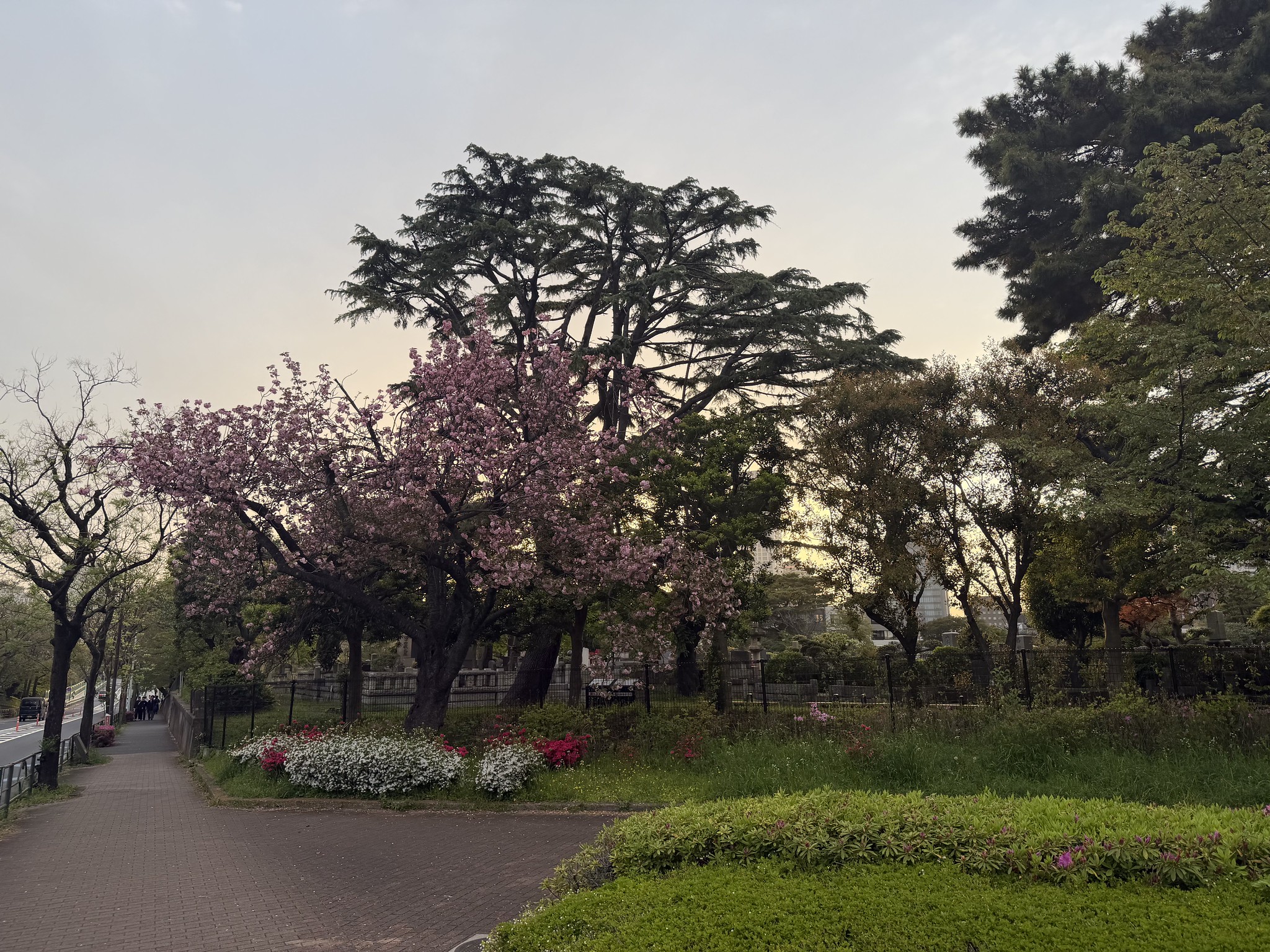
We were heading out to Nishi-Azabu, a district of Minato (still in Tokyo). I got a bit turned around when we got off the train station, so we walked the “wrong” way.
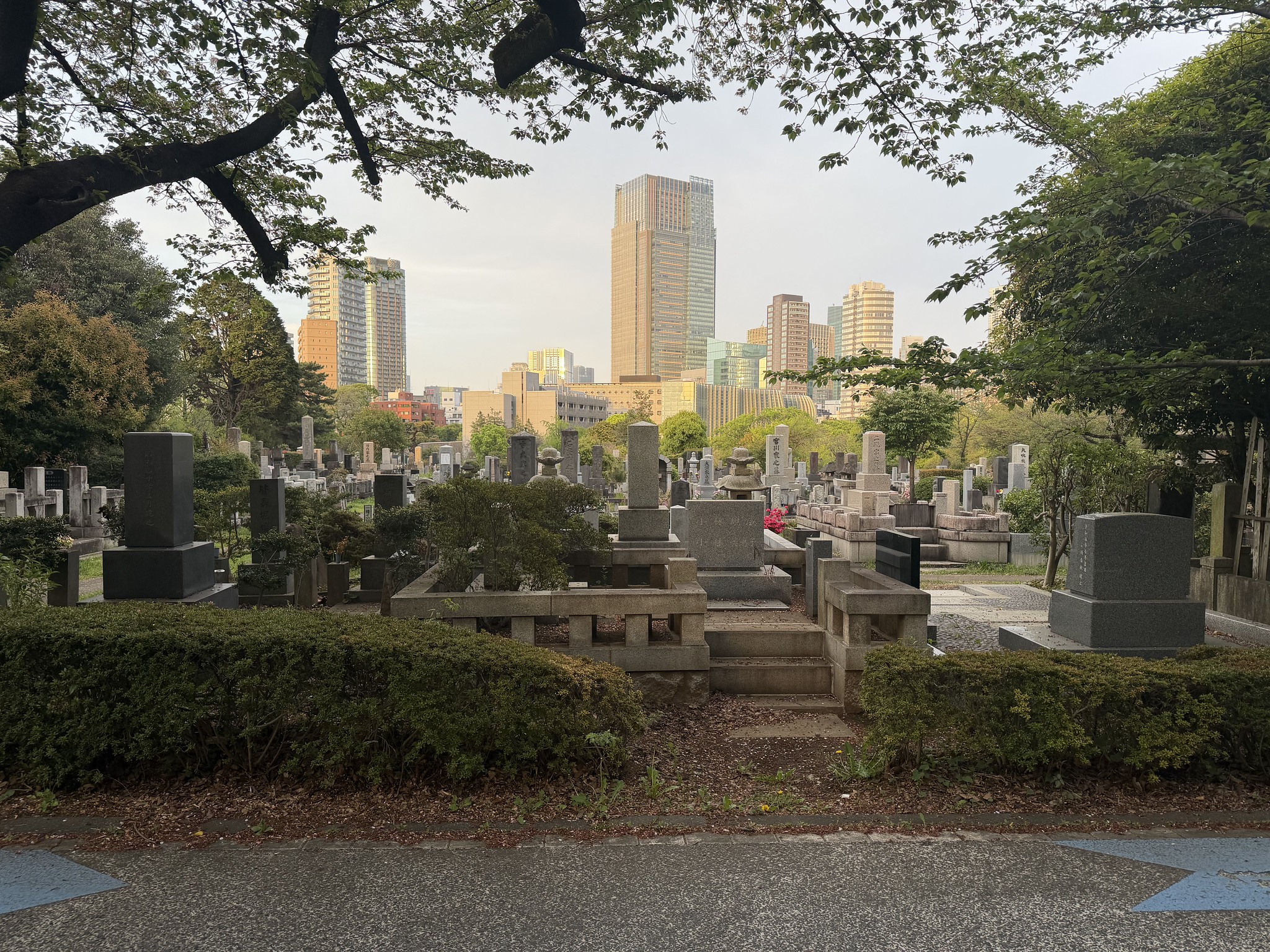
The thing is, when you’re on a grid-like system and you give yourself plenty of time, there’s really no such thing as the “wrong” way; these are just Bob Ross style happy little accidents. We ended up walking down a small road that went through an incredibly beautiful cemetery at golden hour; there were some epic grave sites (not pictured) with a view of the city behind.
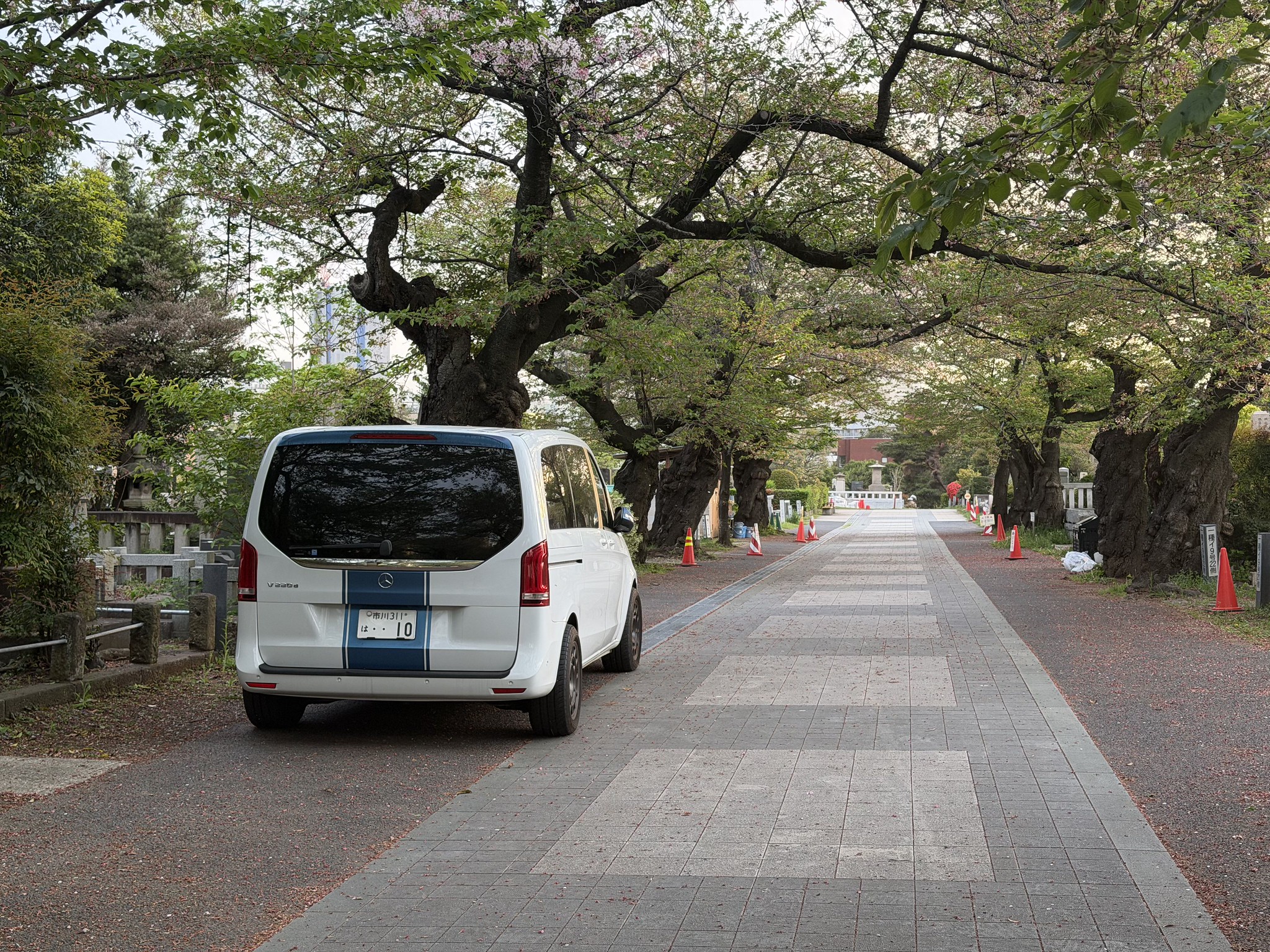
American car culture just seems so bland compared to Japan, where people put their personal touches on everything, even vans. In the USA, even in California, it seems like you either drive a special car or a boring car, and the regular everyday cars are left completely stock.
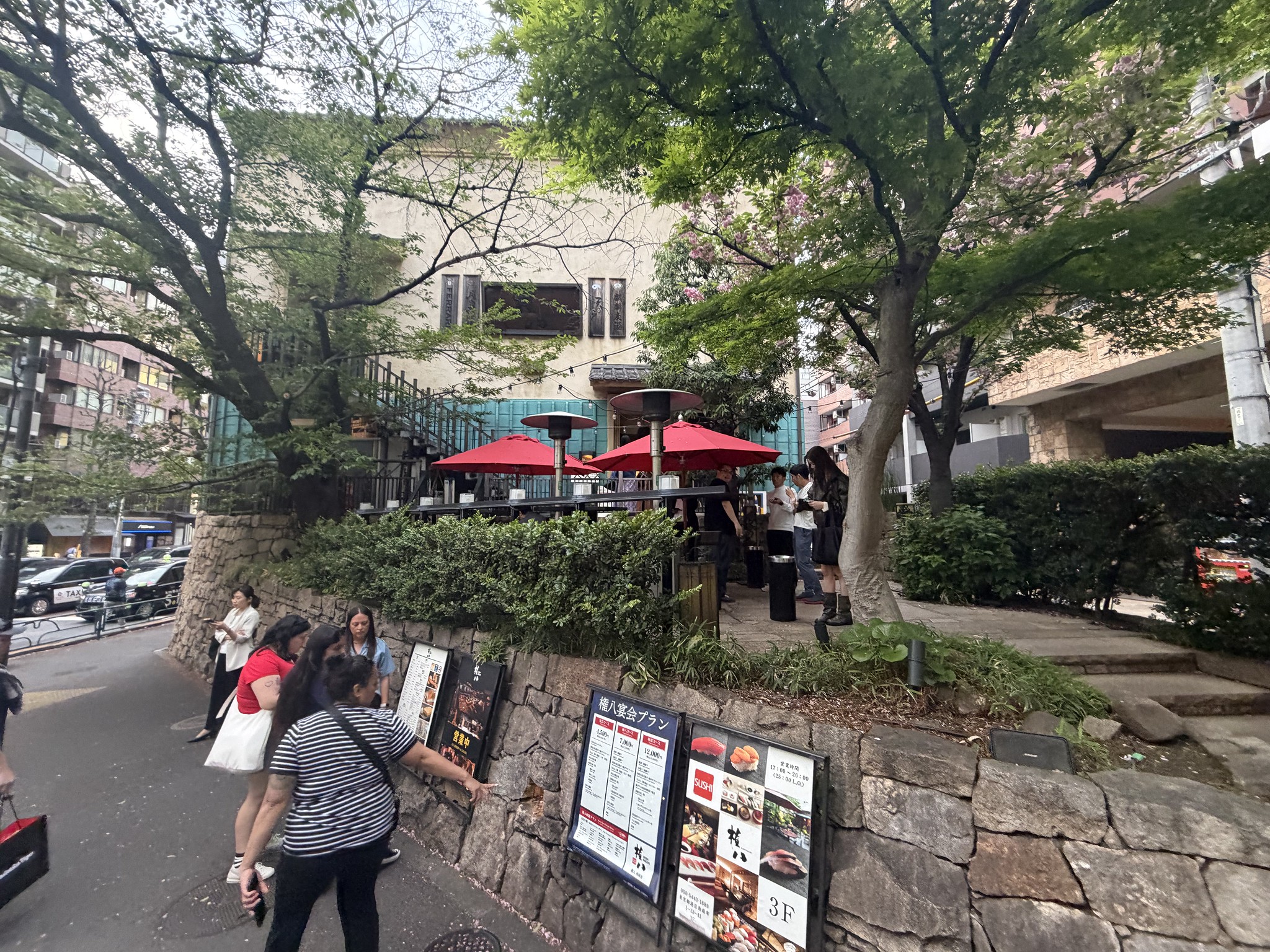
Something I don’t particularly enjoy, even possibly to the point of disliking, is “appointment eating”, especially in countries that have an abundance of excellent food. I’ve found that no restaurant ever lives up to the hype it gets; no restaurant has ever been worth the tradeoff of an hour or more of standing in a line or waiting for a seat. With that said, I really wanted to visit this izakaya; behind its unassuming facade lies a very interesting interior.
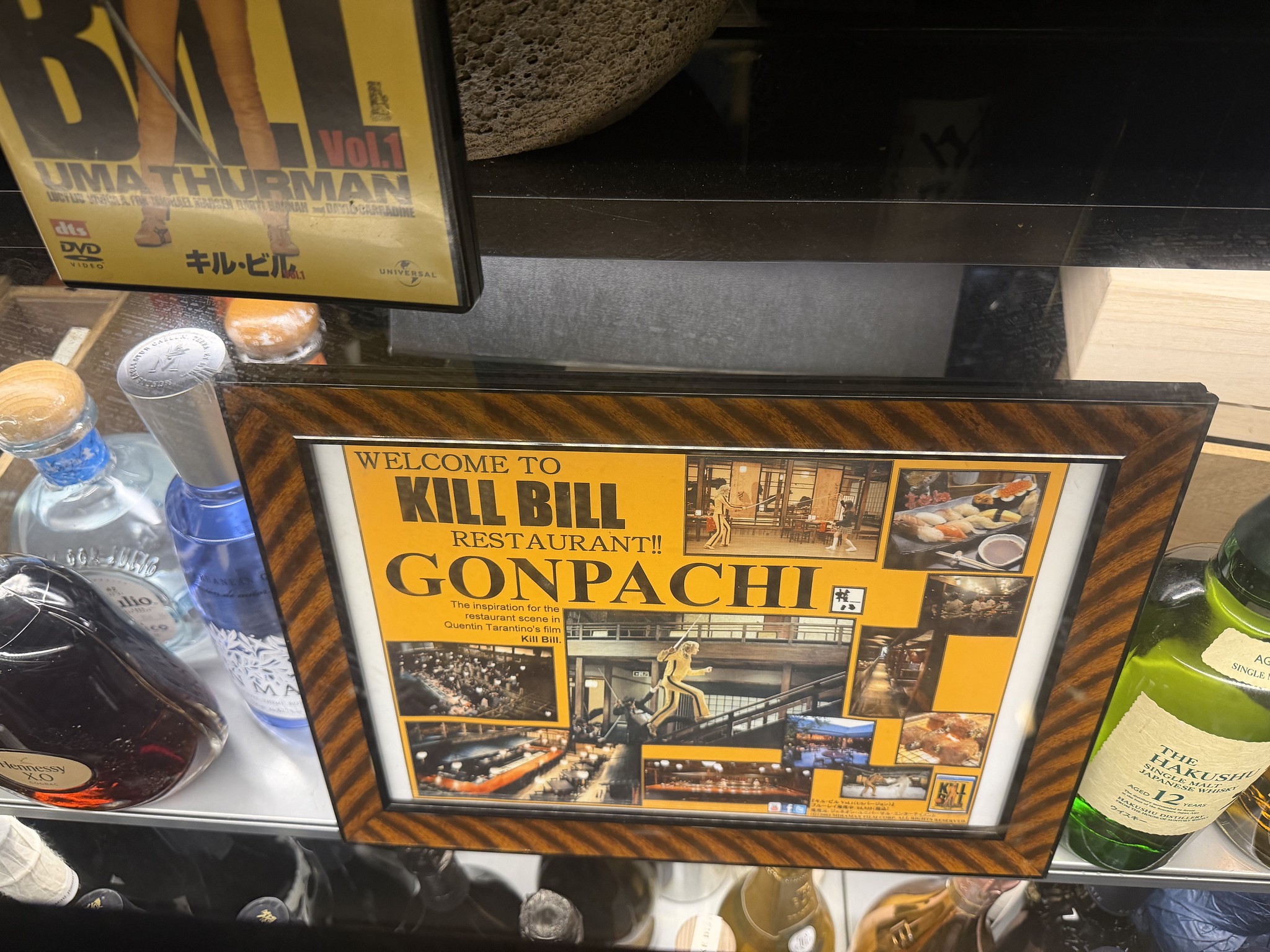
This is the restaurant that inspired the “House of Blue Leaves” restaurant in Kill Bill, where Uma Thurman’s character faces off against the Crazy 88. It’s not exactly the same, but you can definitely see where they got the inspiration.
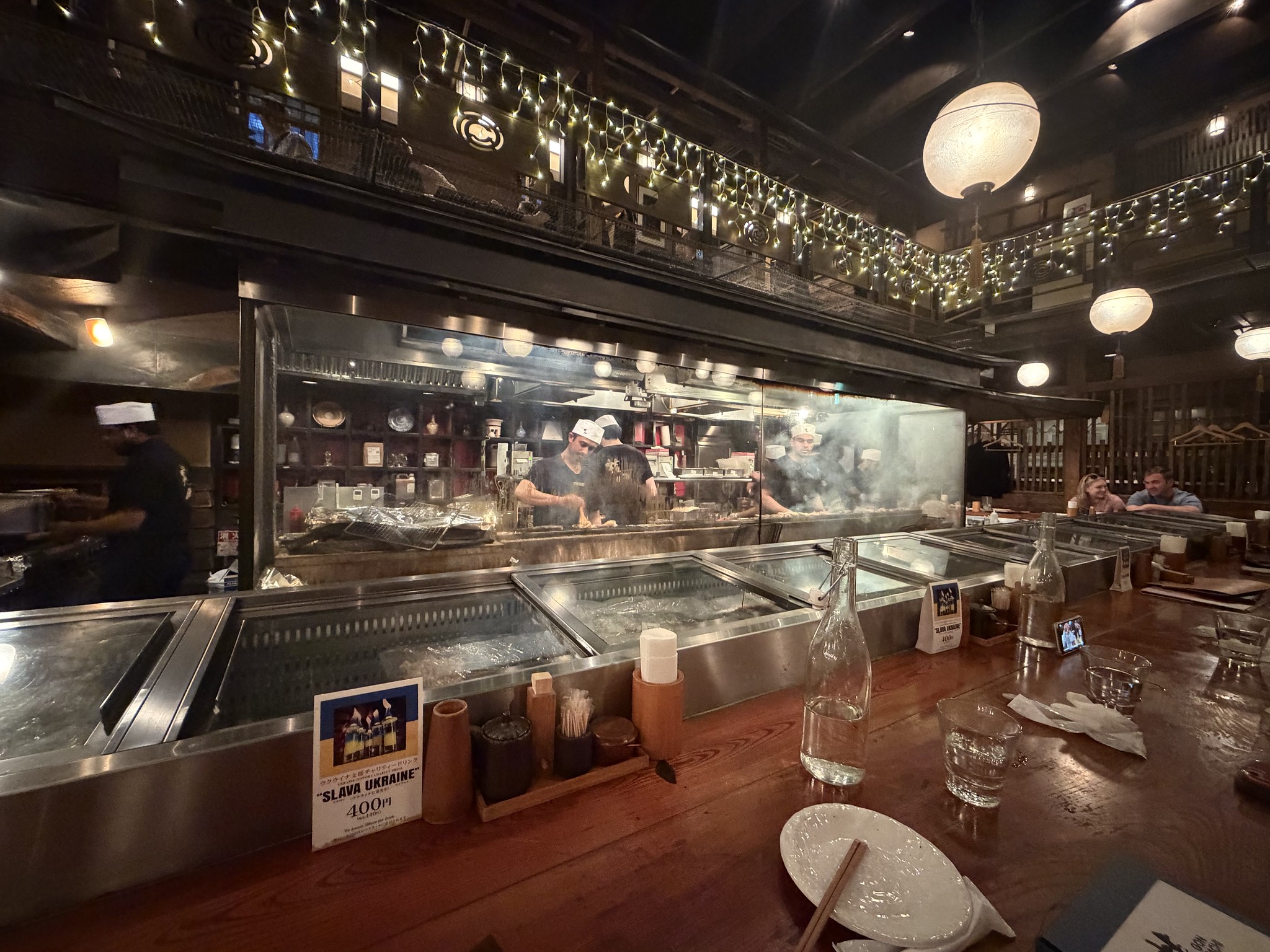
In a theme that seemed to develop over the entire trip, we got super lucky: in my opinion, we were assigned the two best seats in the house! We were right in the middle of the restaurant, but also right up front against the chefs so we got to see them cook.
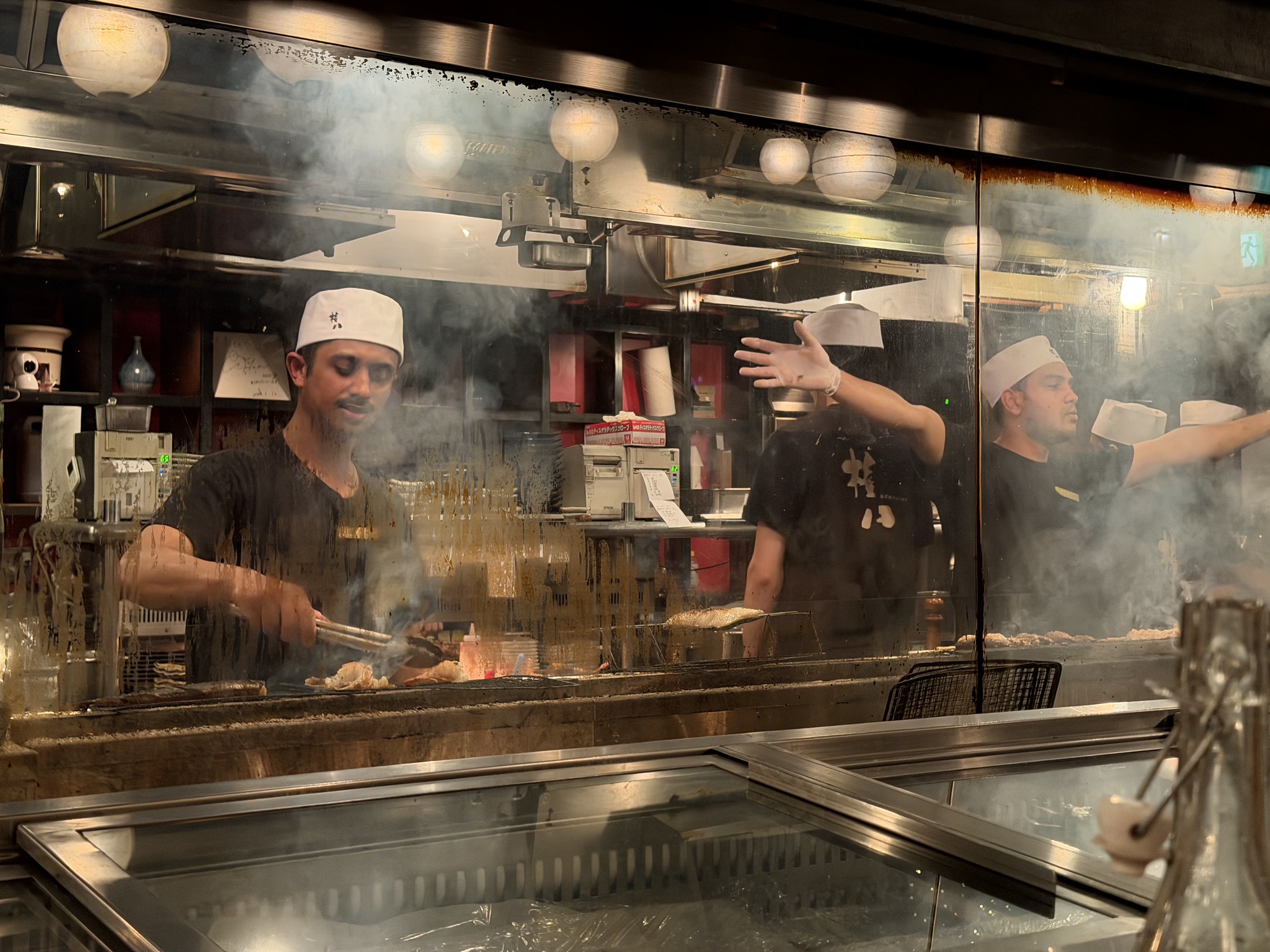
The guys back there weren’t just beavering away behind the scenes; they were part of the lively atmosphere. Whenever a new group would get seated, there was a big cheer among all the staff.
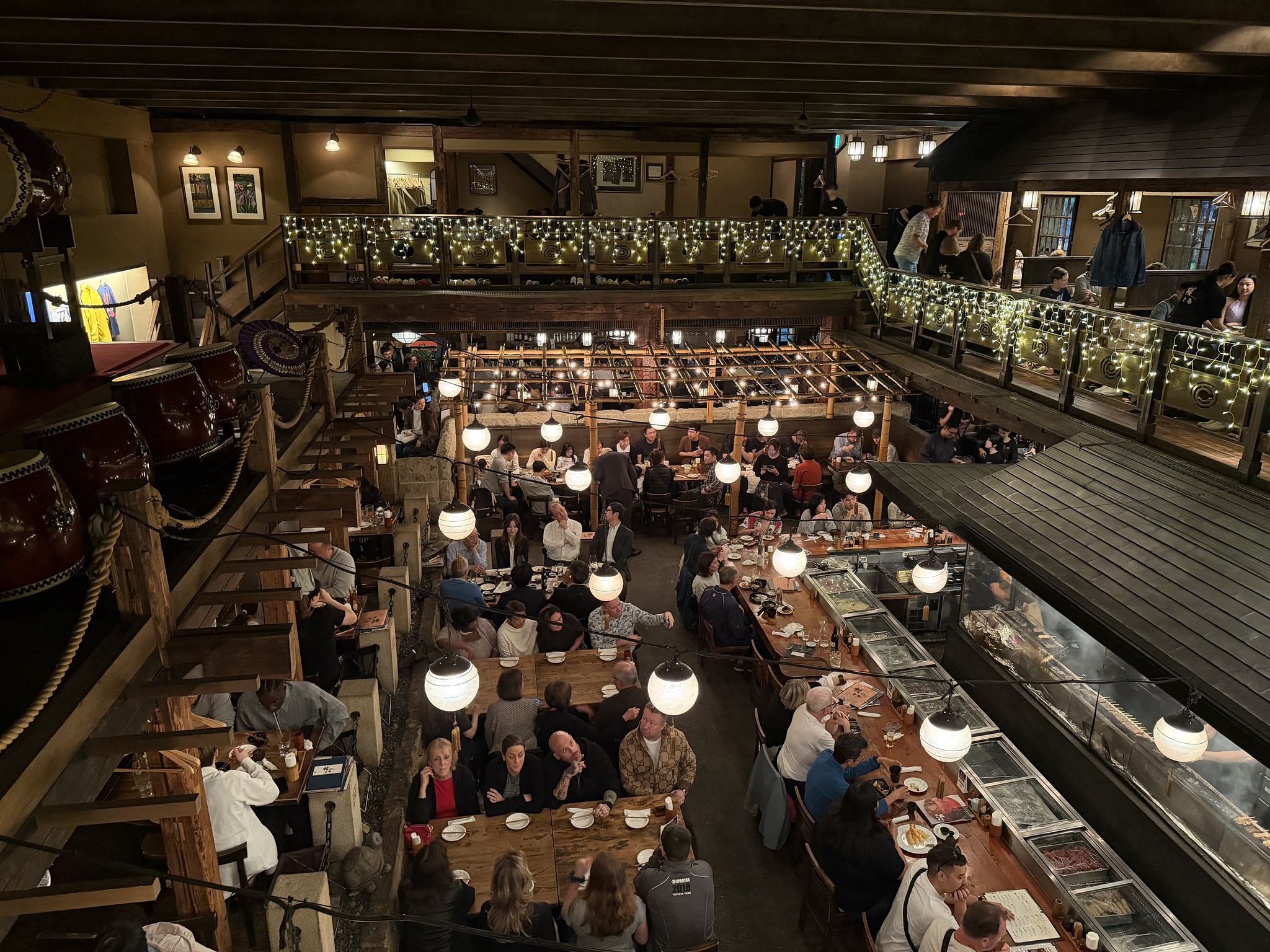
The restrooms were upstairs, so we got a “free” tour to get a good look around. What a cool place! In addition to the awesome atmosphere, the food was incredible. This is definitely a place I would recommend to anyone, even if you don’t care about Kill Bill at all.
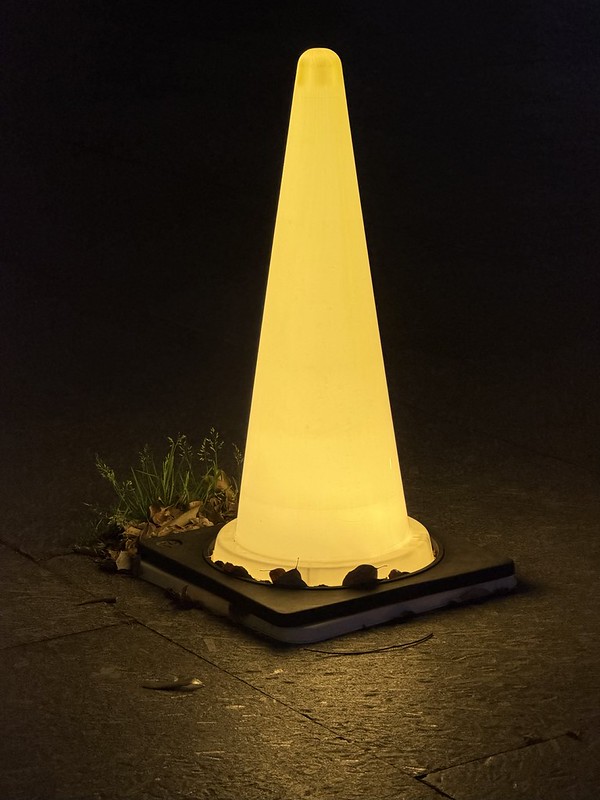
Walking back to the hotel, I noticed these awesome looking lighted cones.
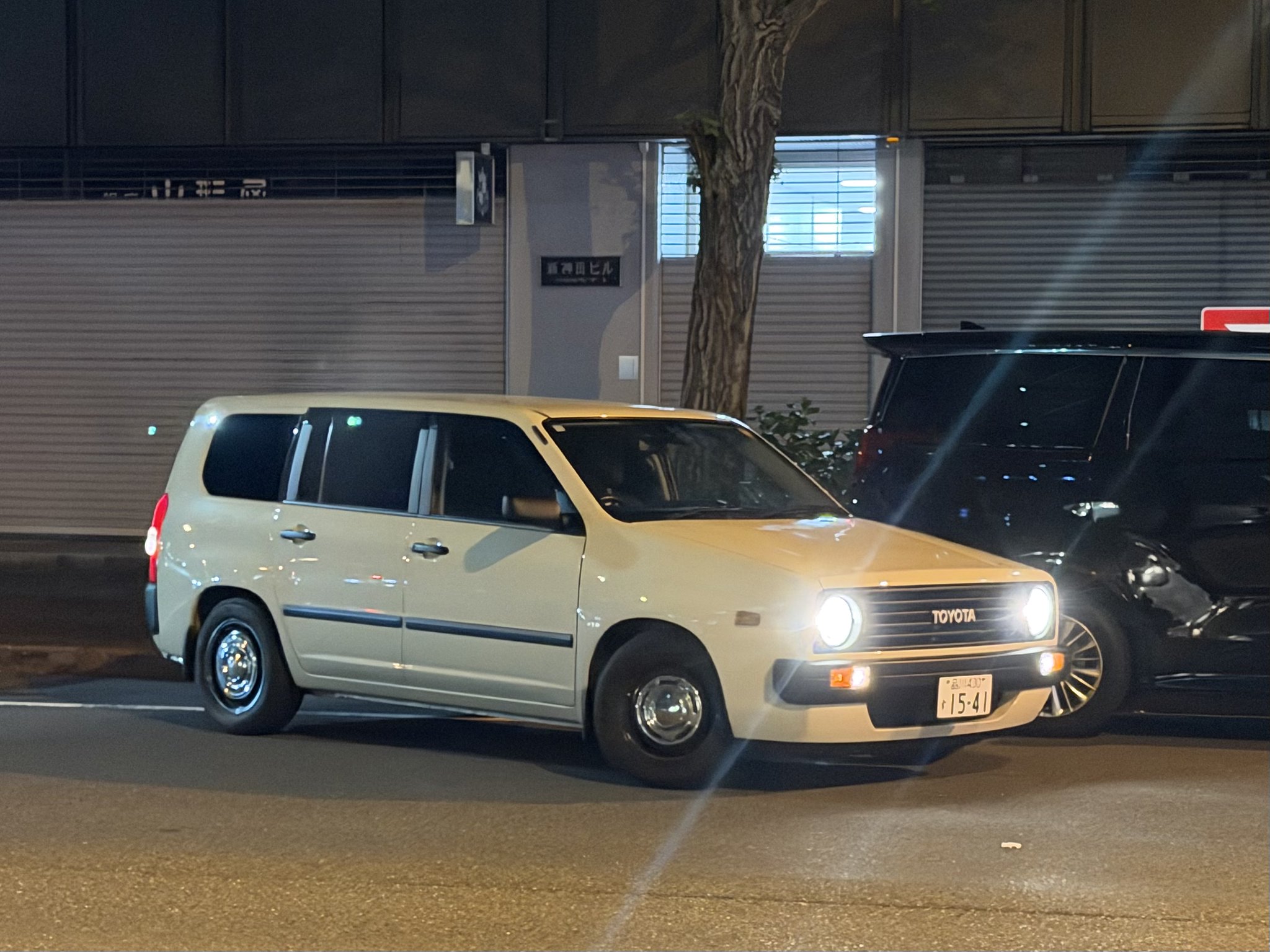
Another front end conversion! This one looks so good I had to check to make sure it wasn’t actually an OEM option. One trippy aspect of this particular conversion is they blended the A-pillar and front fenders, eliminating the unsightly (but necessary) seam at the base of the A-pillar.
I realized while putting this post together that with eight days of content and over 1,900 photos, it would be a gargantuan effort to try to fit this entire trip into one post. So I decided to break the trip down into several parts that should make it easier to read and write all this content. Stay tuned for the next episode where we left Tokyo for a couple days!


Pingback: I Went to Japan Twice (Part 2 – 2026) – Tuesday/Wednesday | Star Road
Pingback: I Went to Japan Twice (Part 2 – 2026) – Thursday/Friday | Star Road
Pingback: I Went to Japan Twice (Part 2 – 2026) – Saturday/Sunday | Star Road