
Old, Old School
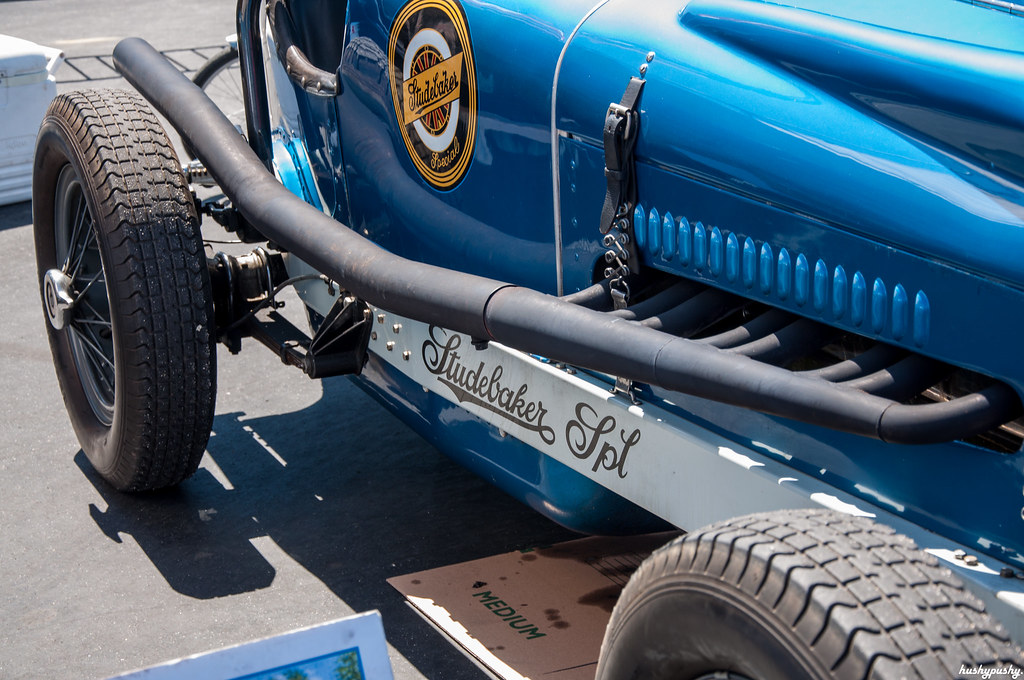
At the Monterey Motorsport Reunion, “old school” is pretty much the name of the game. Yeah, it’s definitely a place where you can find the hottest new supercars and late model sportscars galore, but it’s mainly known as a world-class gathering of vintage vehicles.

In the previous post, we looked at some sexy race cars from the early 1970’s. In relative terms I’m still a kid, so those classics raced way before I was even born. But those are positively modern weapons compared to the Pre-War machinery that makes its way out to Laguna Seca every year.

Take this 1912 Franklin Torpedo Phaeton, for example. More years passed between this car’s heyday and the debut of the Skyline GT-R than from the hakosuka‘s debut until now.
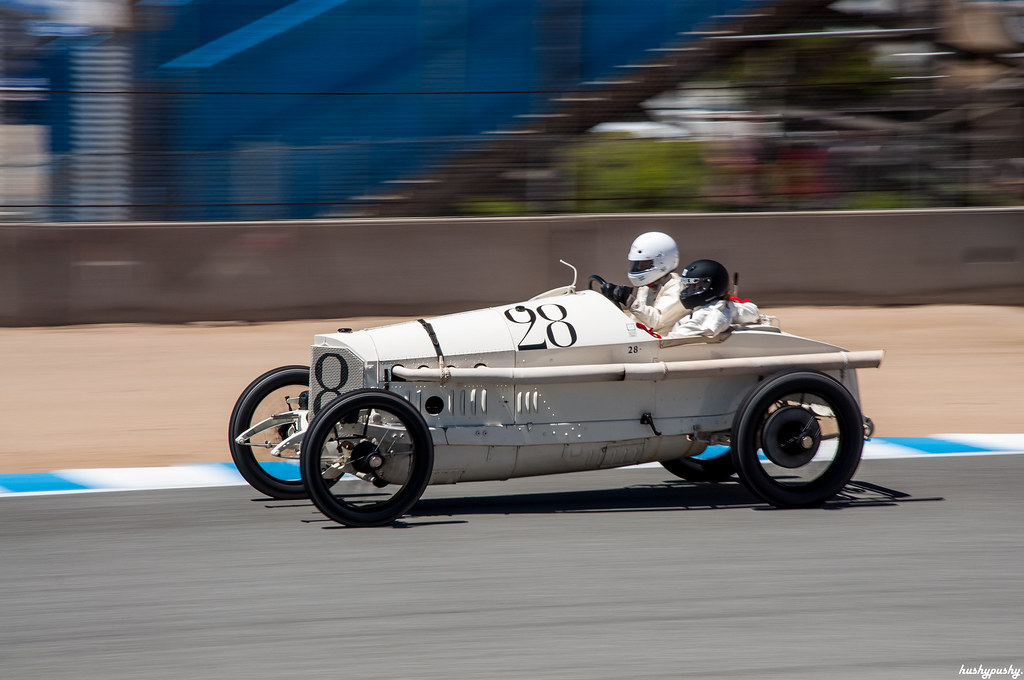
And this Mercedes? This is the actual car (there’s that phrase again) that won the very last Grand Prix before World War I, the 1914 French Grand Prix.
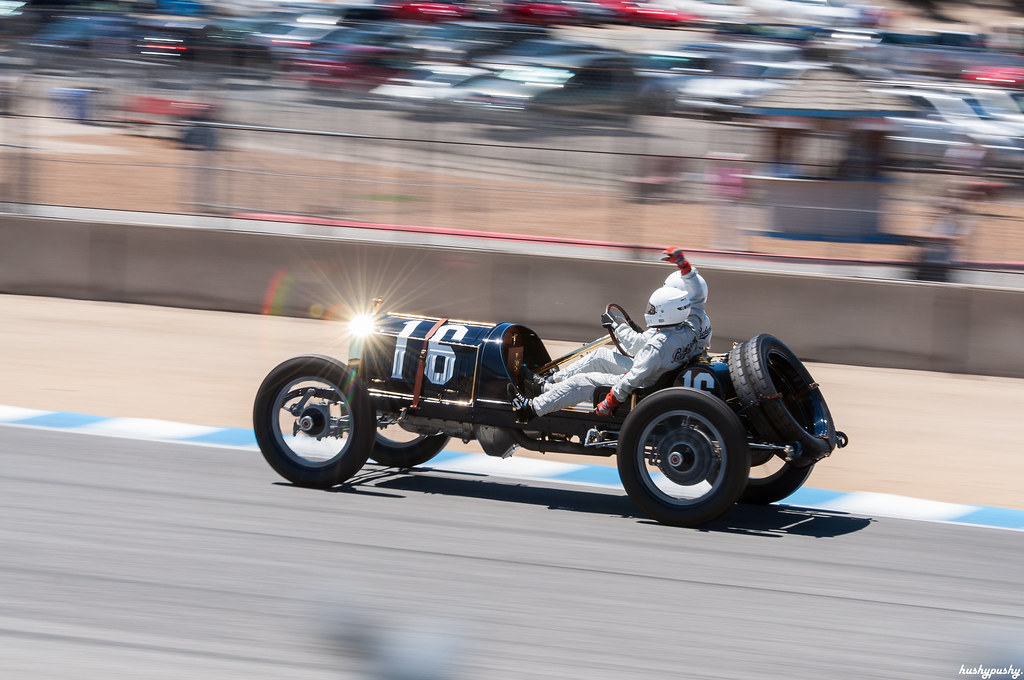
Back then, a riding mechanic was standard practice. They were always doing something to the car (like manually keeping the oil or fuel pressure up), hanging on for dear life, or usually a combination of both. The co-driver in this 1912 Packard seems to be in a transitional state between one of those activities.
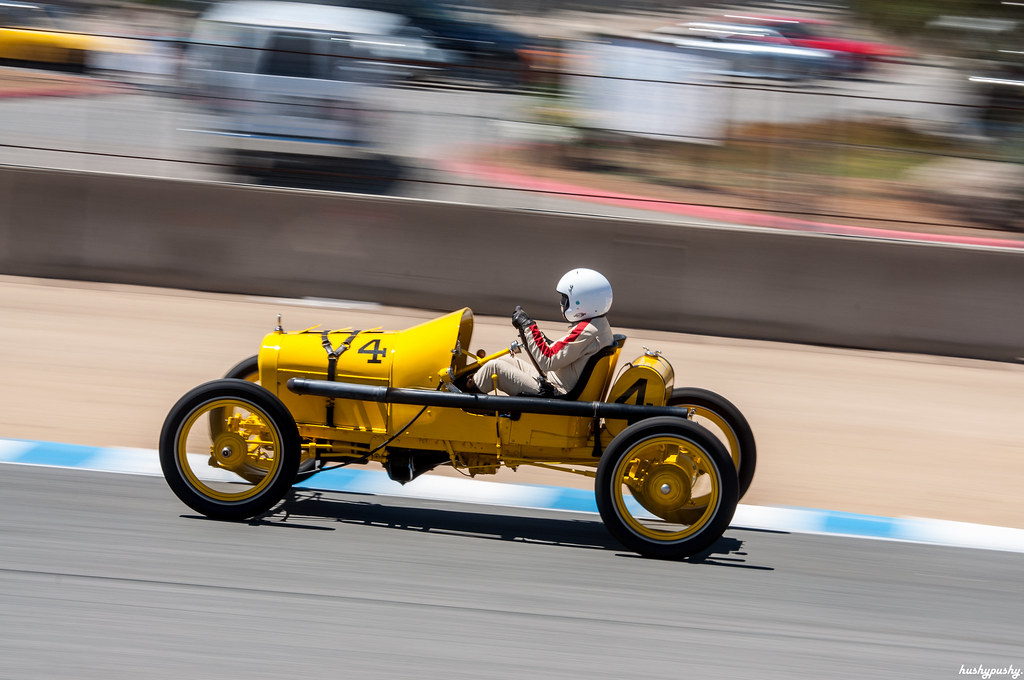
The shapes of these earliest cars were fascinating; people rode on the cars as much as in them. The driver of this 1915 Ford is an avid racer–he can be seen with his period-correct mustache and Chevrolet race car hauler at every Northern California vintage event. Unfortunately, during the race this year he was overtaken by his own wheel–never something you want to see! Fortunately he and the car escaped unscathed.
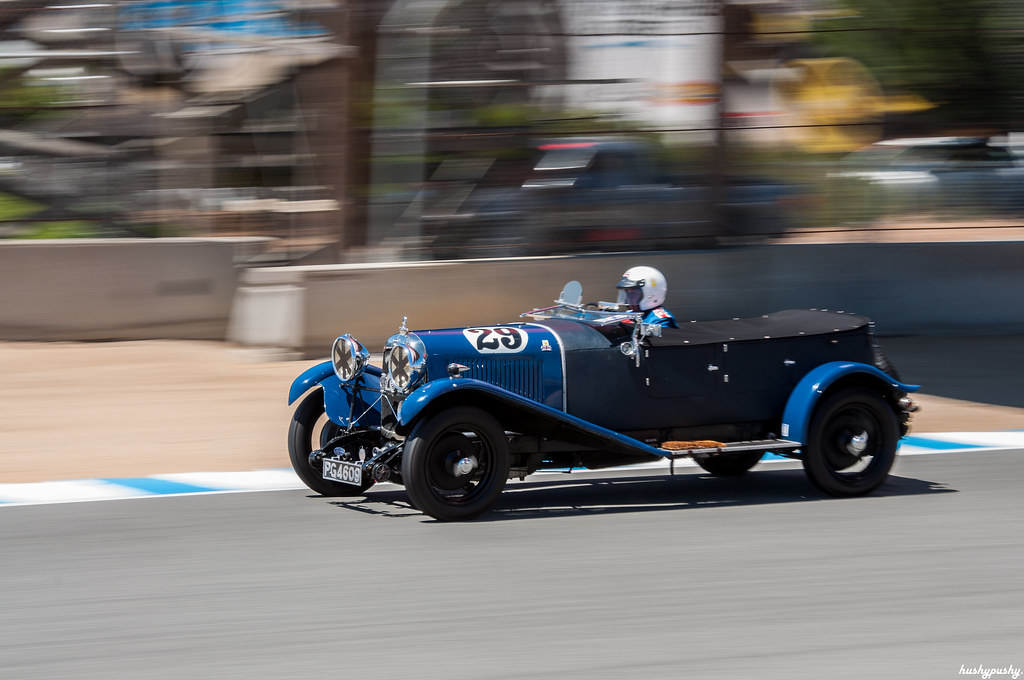
Gradually, vehicles’ occupants became more and more ensconced in bodywork. Aerodynamics were just beginning to be understood, as evidenced here by the closed cockpit and folded down windscreen.

Whatever happened to pontoon tails?
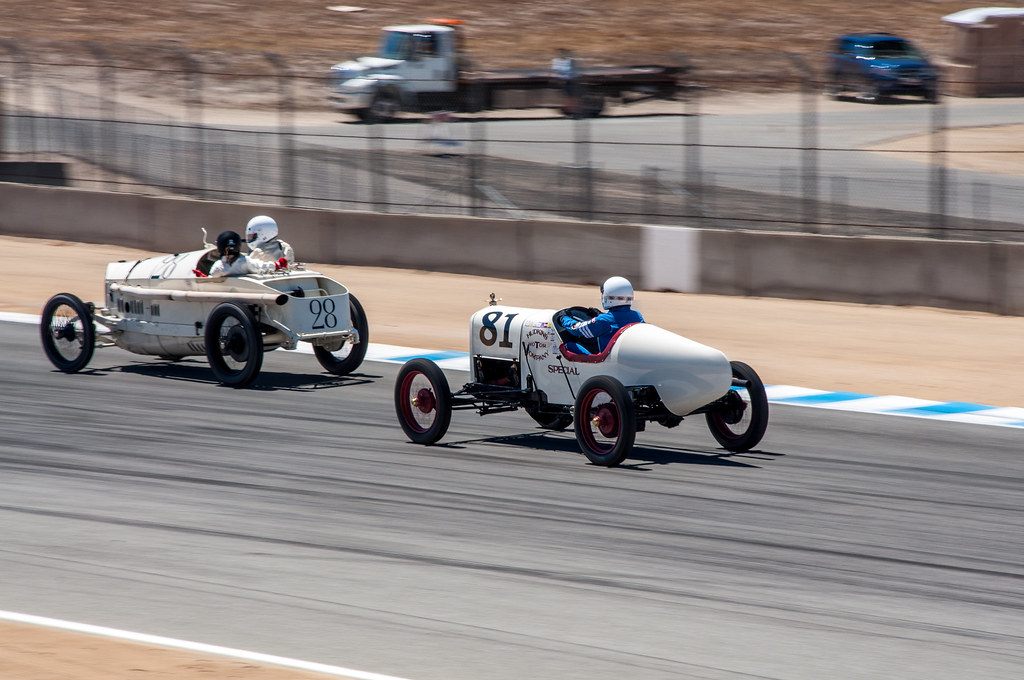
Another much-missed feature of early cars was their names, which usually ended in “Special”. Following the Mercedes into Turn 4 is a Ford Model T based race car that wears the words “Hudkins Motor Company Special” on its flanks.
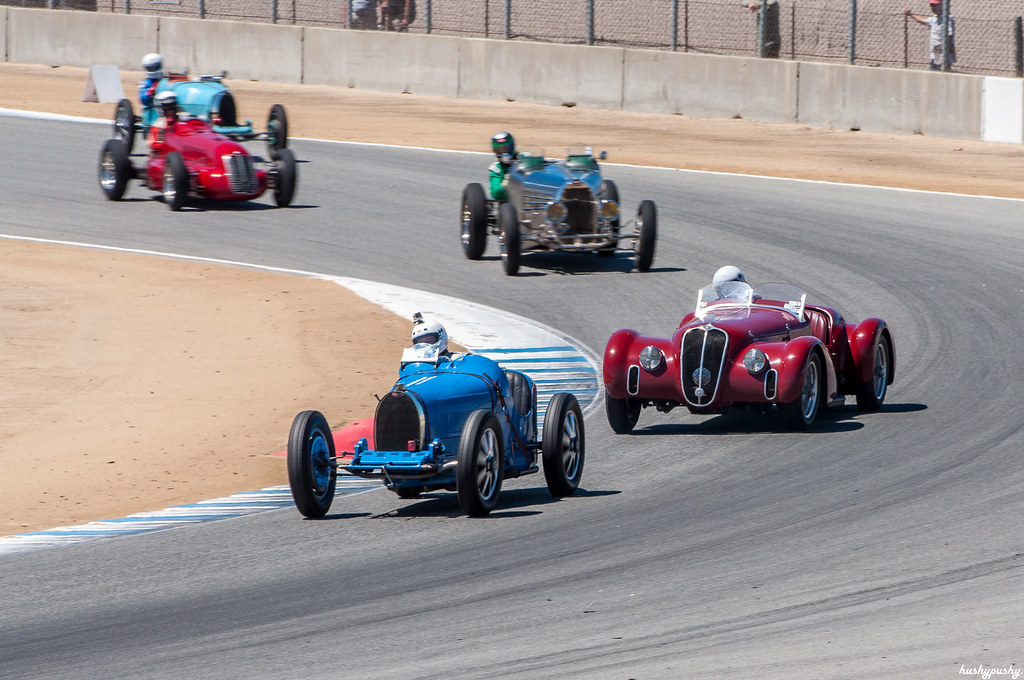
By modern standards, these vintage racers even look a bit silly. Positive camber, really? But if you look at them with historical context in mind, you realize not only the bravery of the daredevils on-board these machines, but also how much progress we’ve made in the last century of automotive engineering. Where are we going to be in 100 more years? How outdated will today’s state of the art technology look in 2114?
Classic Boxy Racing Coupés
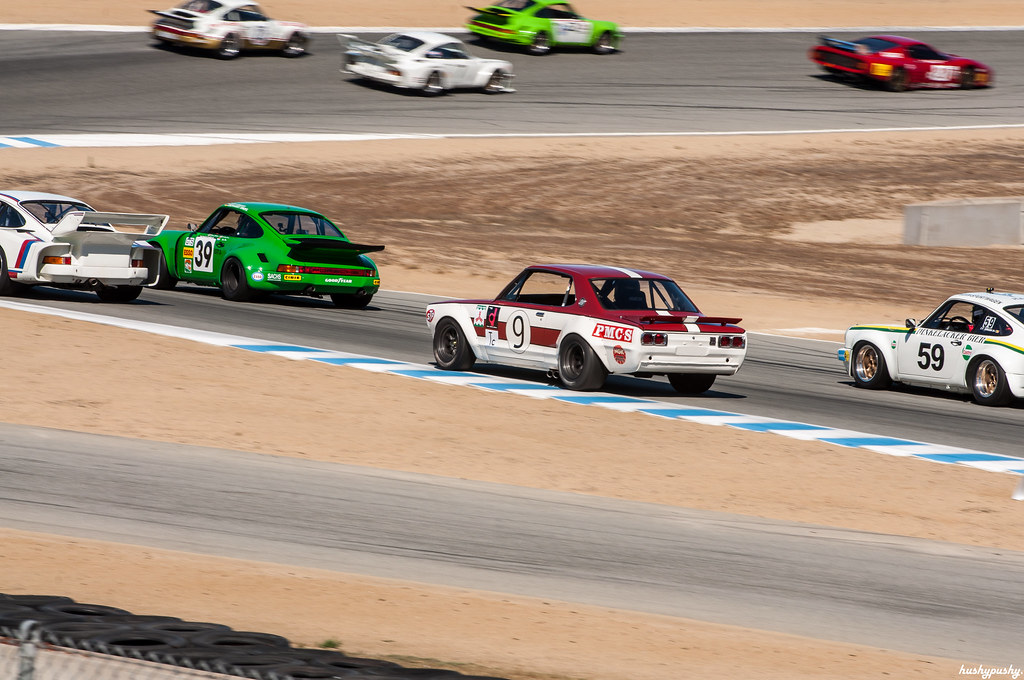
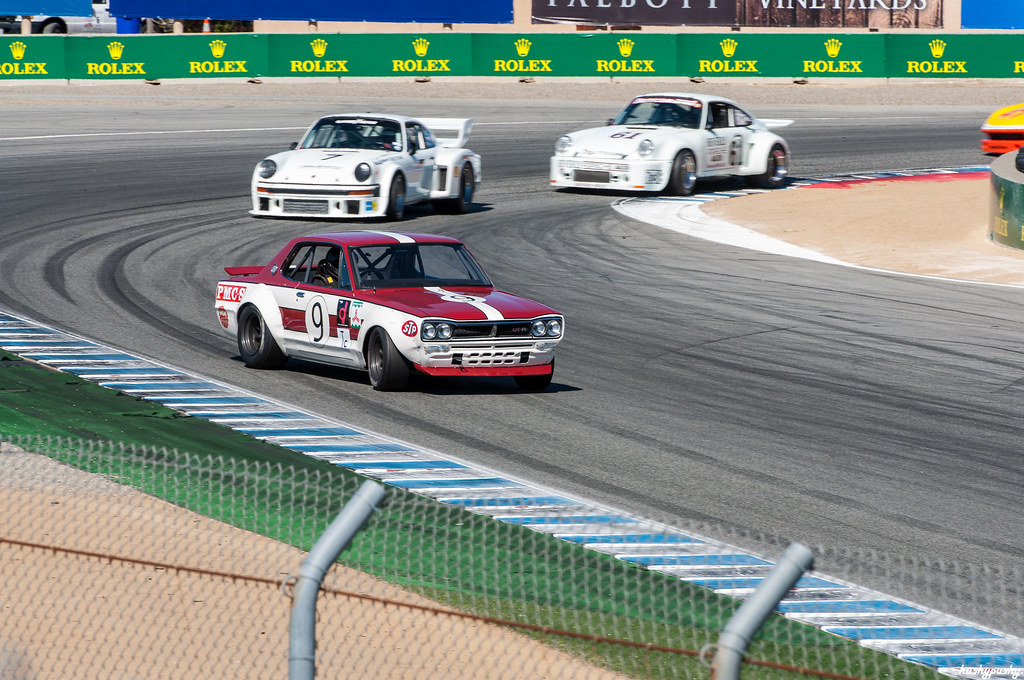
On a day filled with an impressive array of wonderful racing cars spanning the history of motorsport, it was in a class dominated by 911’s that one car spoke to me: a hakosuka (ハコスカ) Nissan Skyline in the classic PMC-S livery.
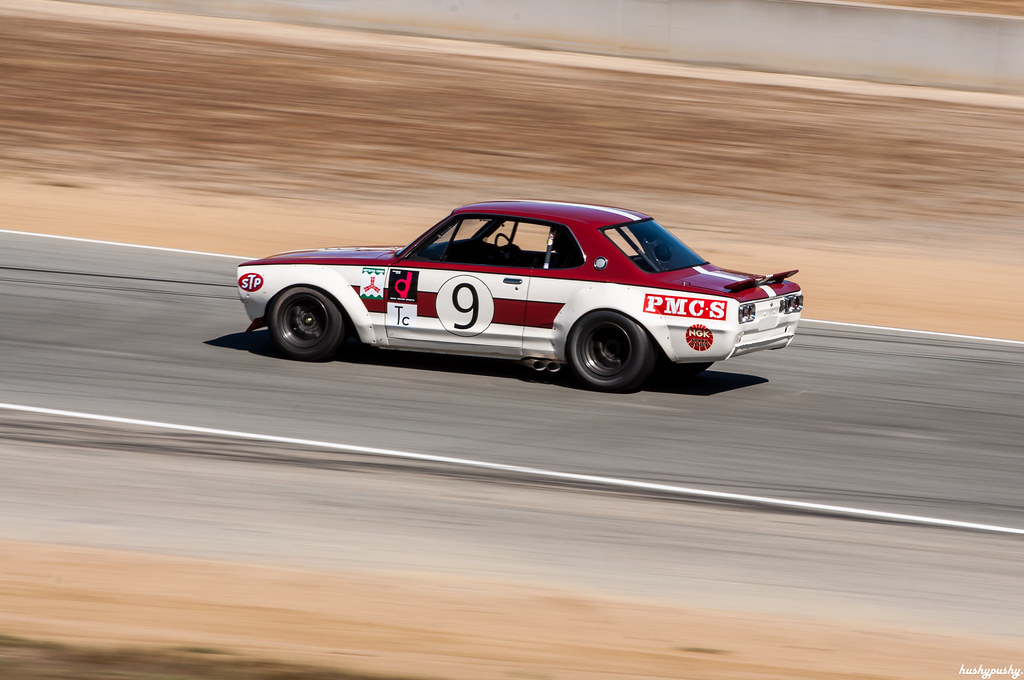
It was certainly love at first sight…everything about it was perfect.
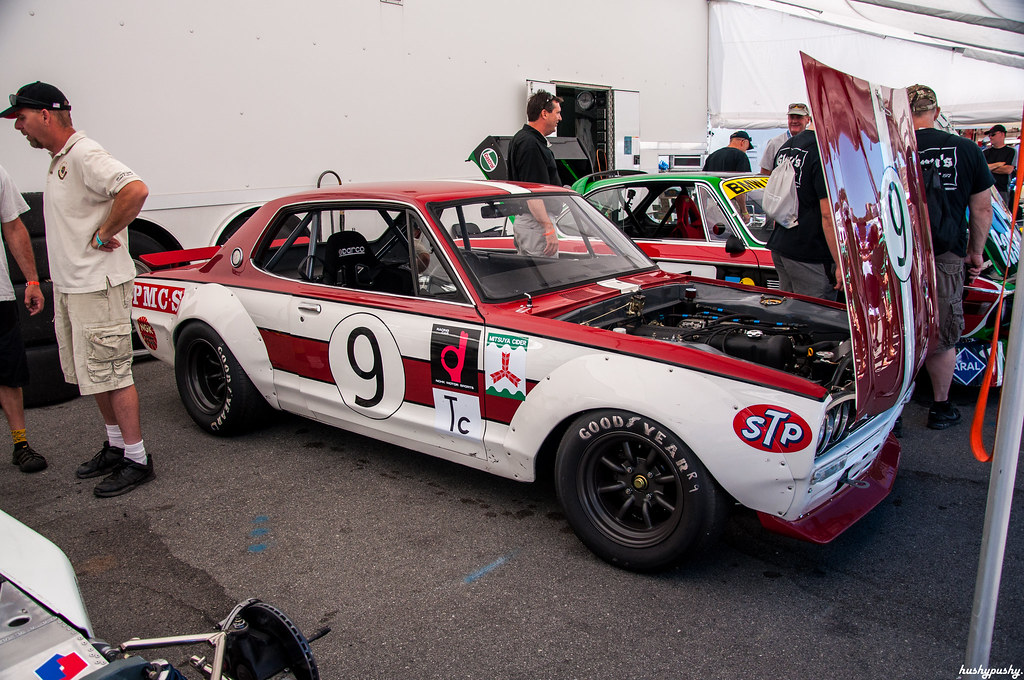
As soon as the session was over I had to find it in the paddock. I perused until I found it next to an amazing BMW CSL…more on that in a bit.
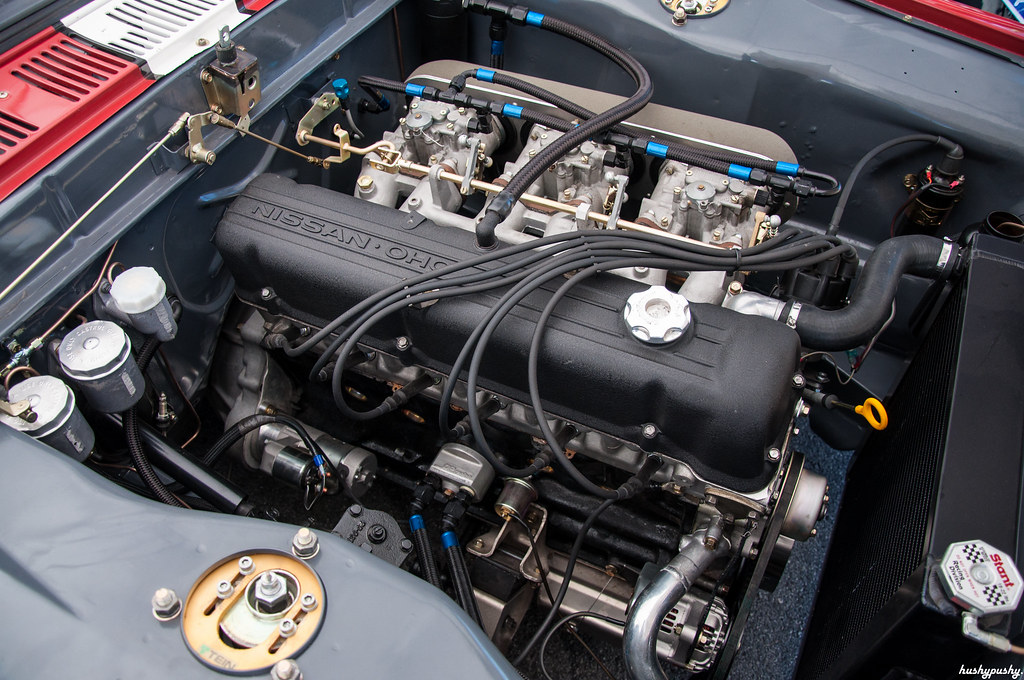
Inside the spotless engine bay is a Rebello-built L28. Yes, I know this is a photo of the “funny side” of this engine.
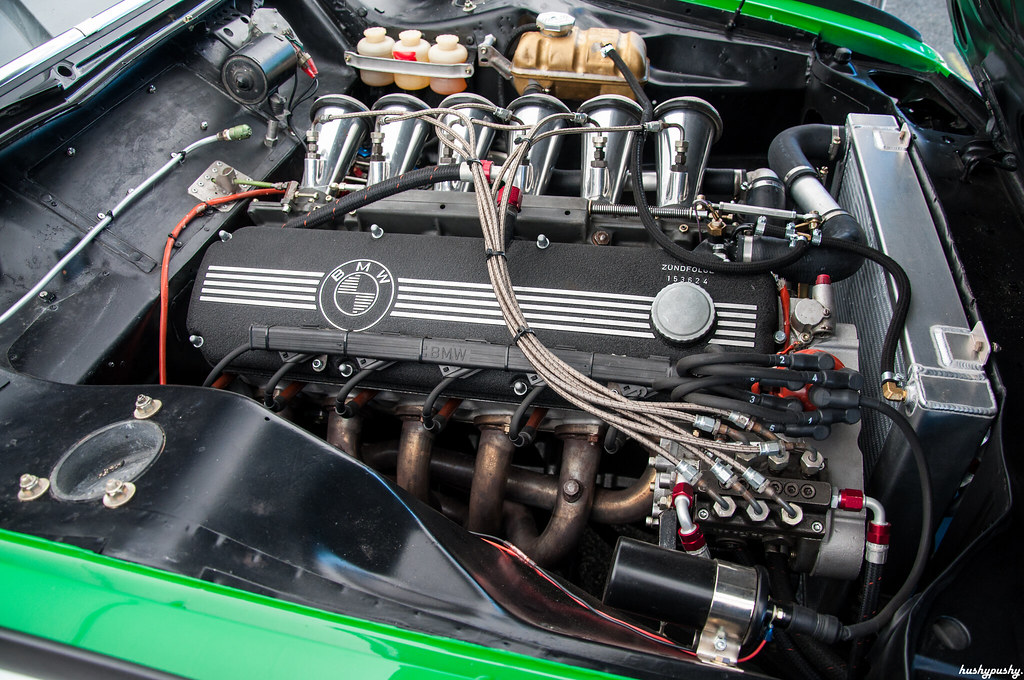
The CSL is also carrying a straight-six, but this one has a bit more, ahem, modern crossflow design. When you’re at the Monterey Historics, a phrase that comes up a lot is “the actual car”. Well, this 1973 BMW CSL, Luigi Chassis #001, is the actual car that won the 1976 European Touring Car Championship with that burly 3.2L M30 under the hood.
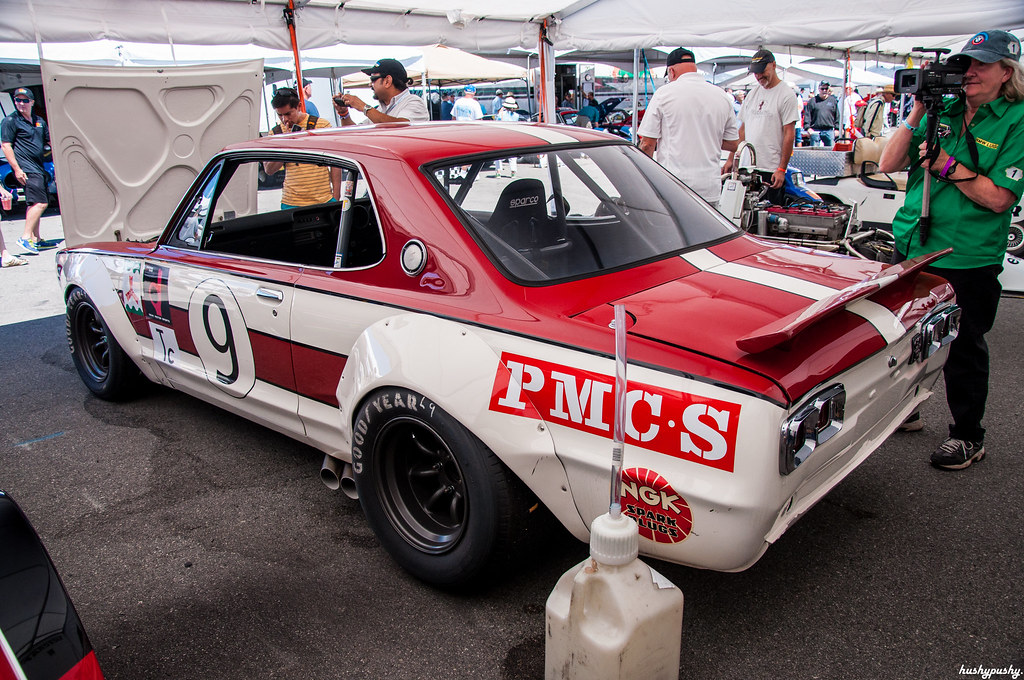
This generation of Skyline has always had beautiful lines, and in my opinion looks best with proper round wheel arches and tacked-on flares, preferably housing wide sticky tires. By the way, what is that lady filming so intently? And that familiar nasal voice…
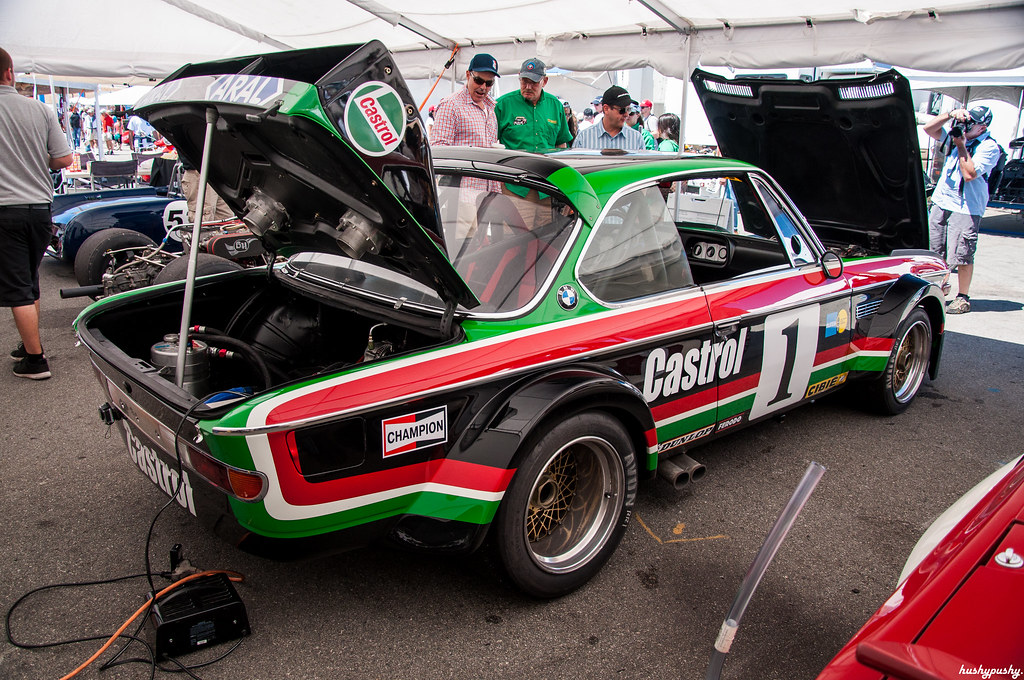
Oh hey, it’s Adam Carolla, out here to race his “Zee-car” (as he said) but in the meantime he was taking the chance to browse the selection of rare machinery on hand in the paddock and chat with other owners and drivers. Anyway, note the period-correct flares, livery, and aero on the CSL. In fact, besides modern safety equipment it was restored to the same spec as it was when it won the 1976 European Touring Car Championship at the hands of Jean Xencheval and Pierre Dieudonne.
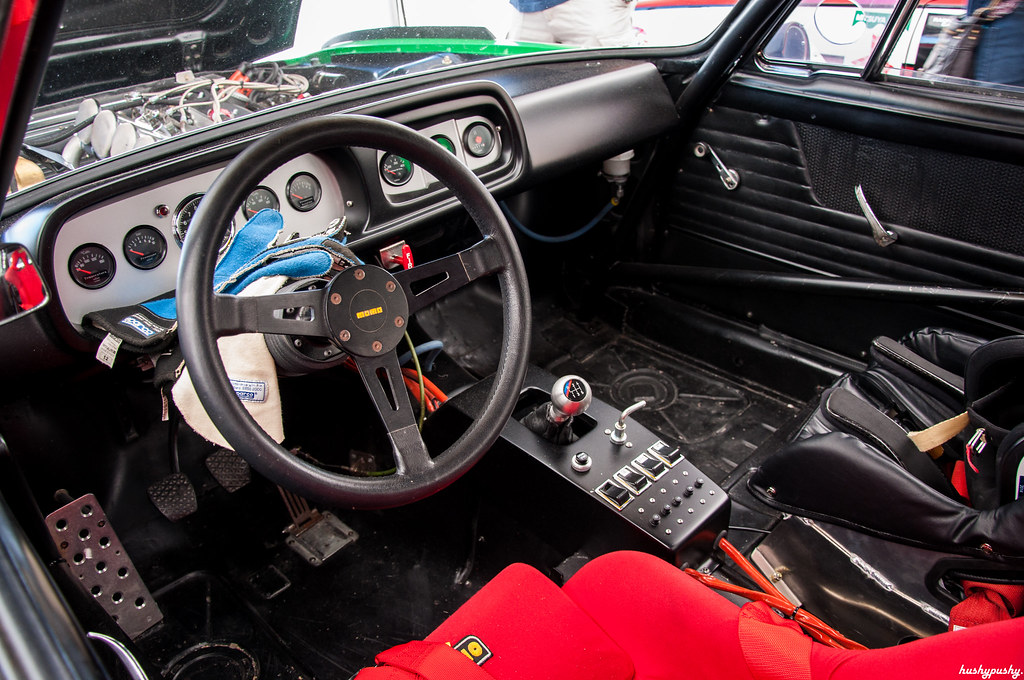
One thing that always makes me smile in vintage race cars is the existence of door panels and OEM window winders.
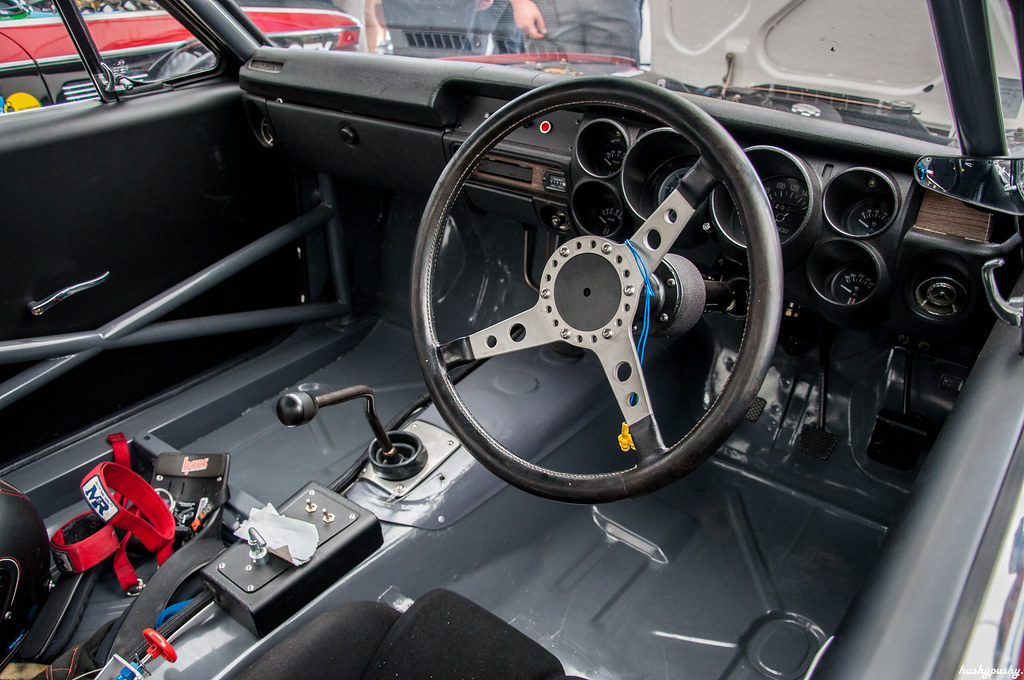
Or how about the OEM dials and dash, complete with woodgrain? Looks to be a very nicely done roll cage in there too.
Fear not my friends, they were driven in anger–at the limit and occasionally beyond. Long live boxy coupés.
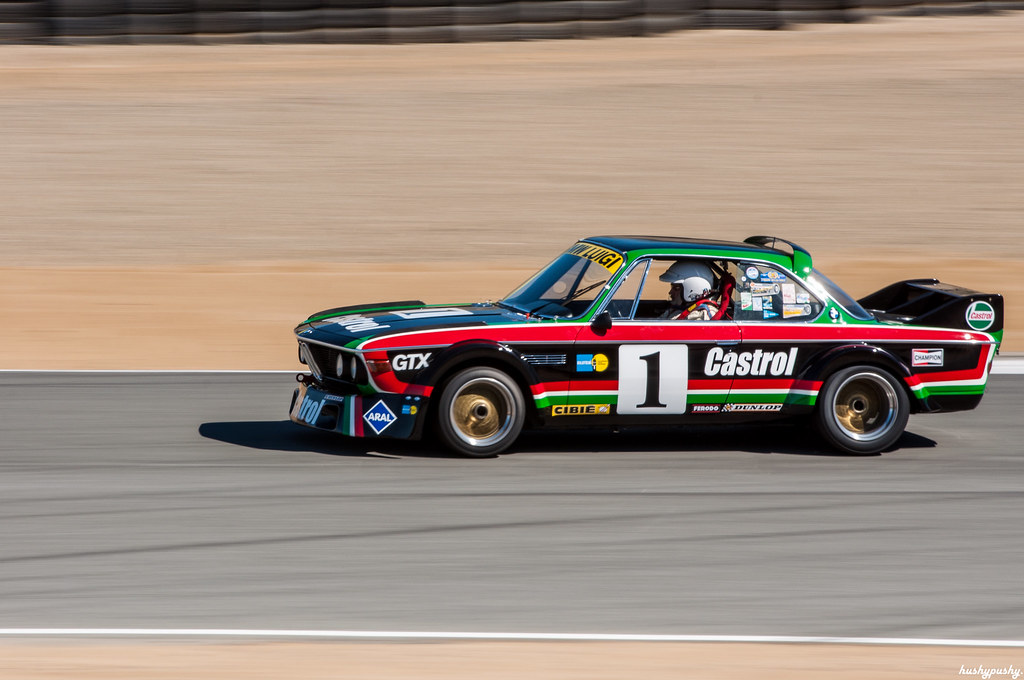
Speaking of which…
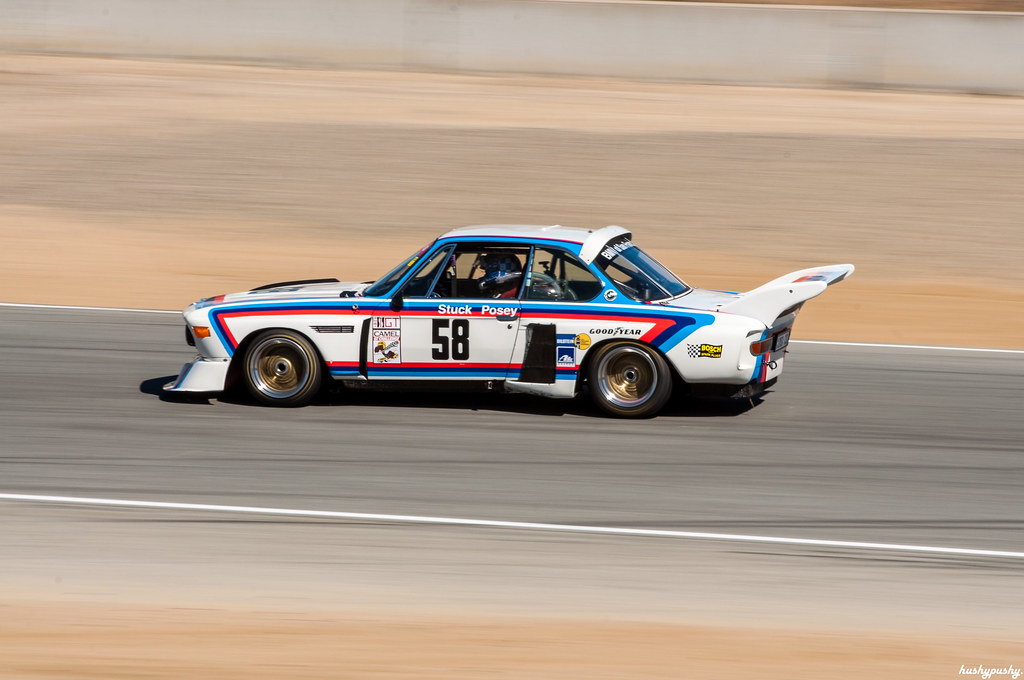
Nothing subtle about that. I love how the fender vents/grilles are retained on the box flares. Let’s go racing!
Suspending Beauty

When you visit McLaren San Francisco, you’re likely to find a bare 12C (née MP4-12C) chassis on the showroom floor.
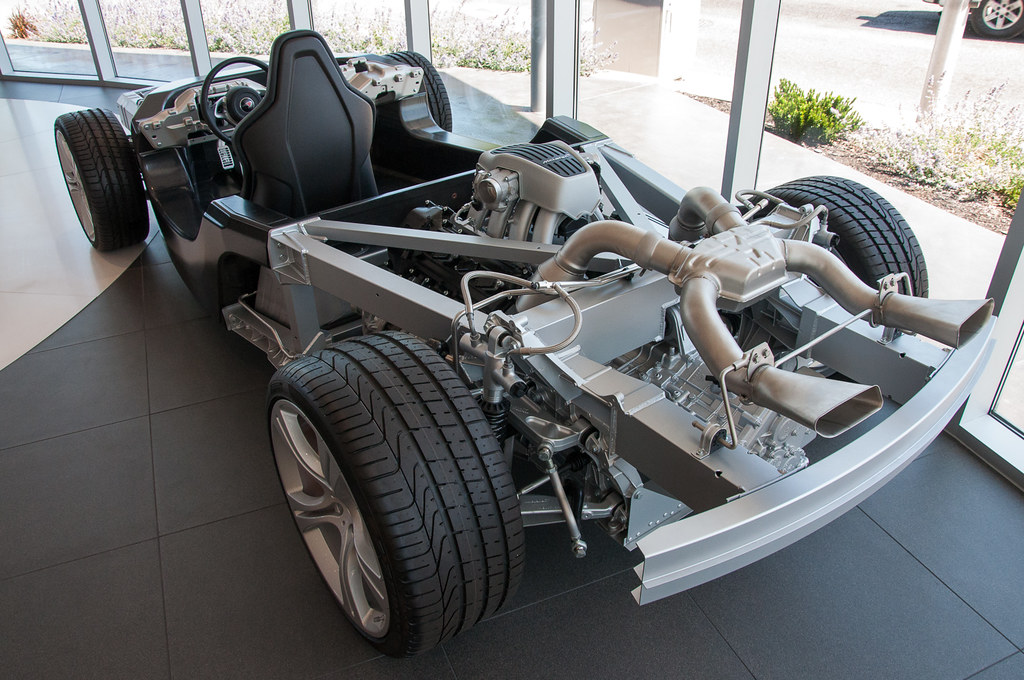
Unfortunately, because McLaren has currently stopped production of the 12C to focus on the 650S, this chassis is a bit out of date nowadays. So what do you do? Upgrade it, of course!
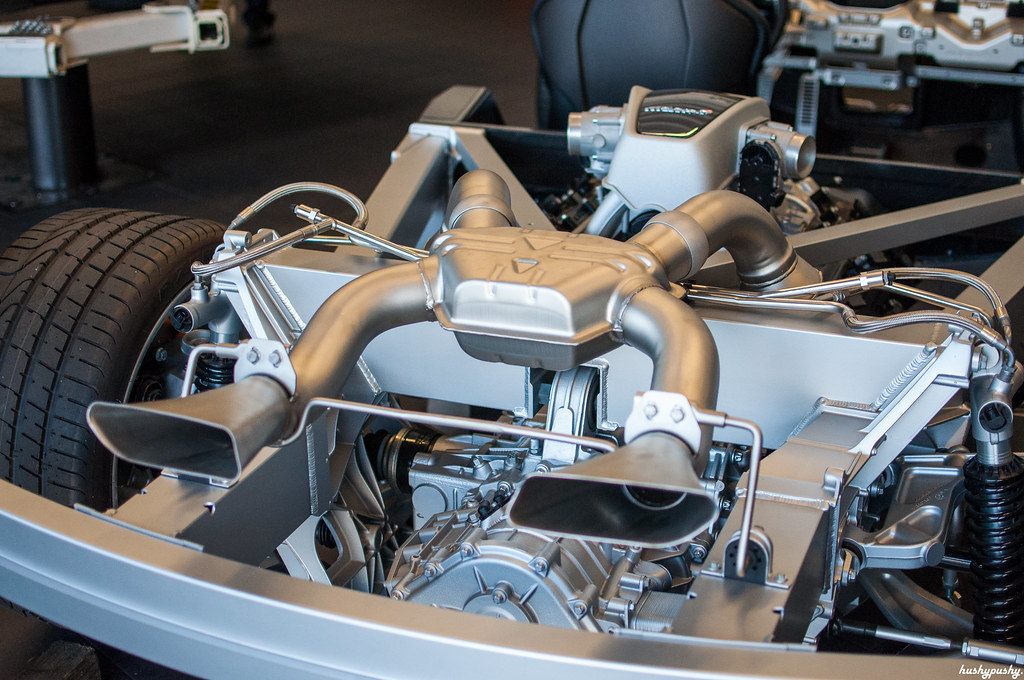
One of the big complaints about this car when it was originally released was its exhaust note. What you see here is the original MP4-12C standard exhaust, which was widely panned by critics for its anemic tone and moderate volume. McLaren tweaked the standard exhaust and added a “Sports” exhaust, which is loud, made of Inconel, and essential. Later on, the Spider version would also address the criticism of the “sound tube” by toning the effect down considerably. The latest iteration of this exhaust, as fitted to the 650S, is the best yet, and will be added to this particular chassis in due time (when McLaren gets around to sending one, in other words).
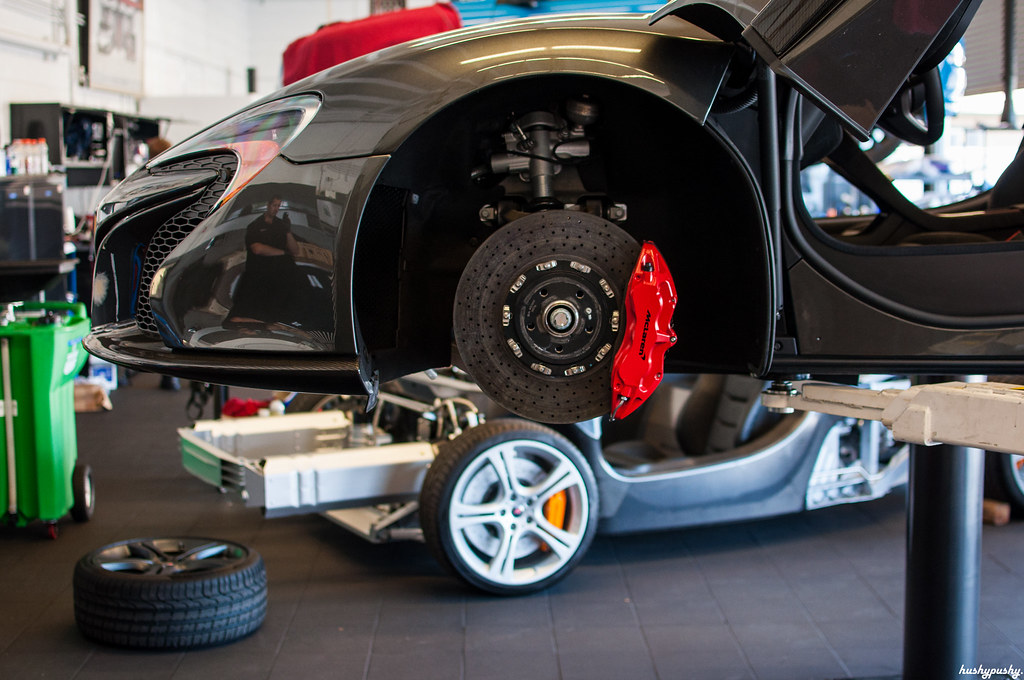
Nevermind the standard carbon ceramic brakes (metal brakes are a no-cost option on the 650S); another major difference in the 650S is the suspension. The springs are stiffer but the dampers were recalibrated to keep the supple road feel that these new McLarens are renowned for.
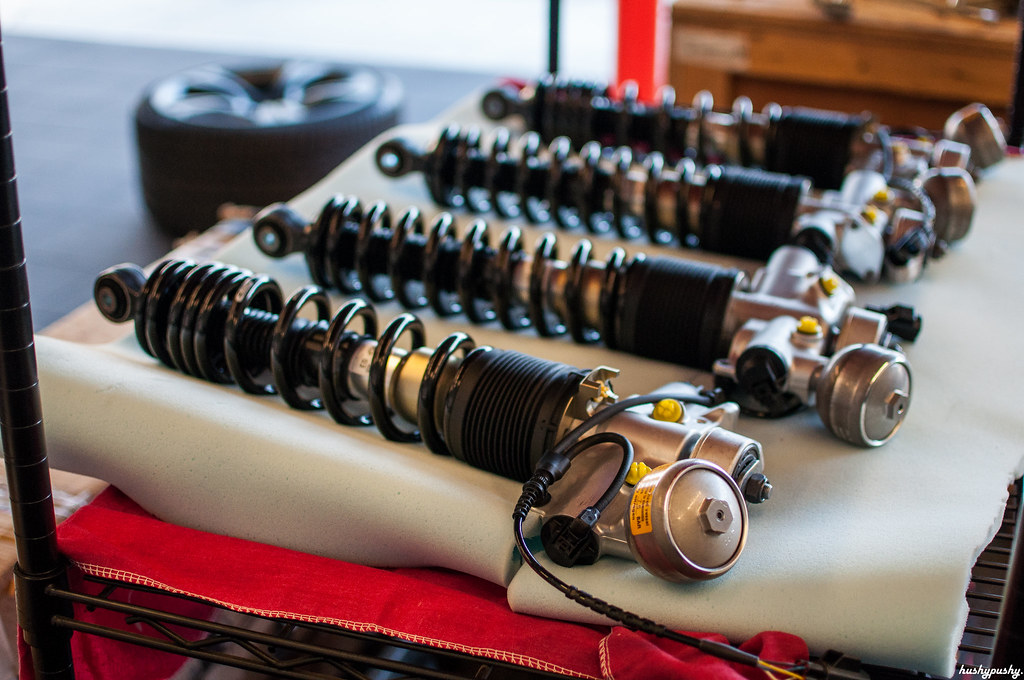
These are the 650S coilovers. The 12C already has ride quality that makes an S550 or 760iL seem uncivilized, so I can see why they stiffened things up for the 650S. It rides a bit stiffer but it really does have the best suspension in the world. I’m still amazed that such an incredible amount of difference in ride quality can be produced by turning that knob from “N” to “S” to “T”, even with good old fashioned springs.
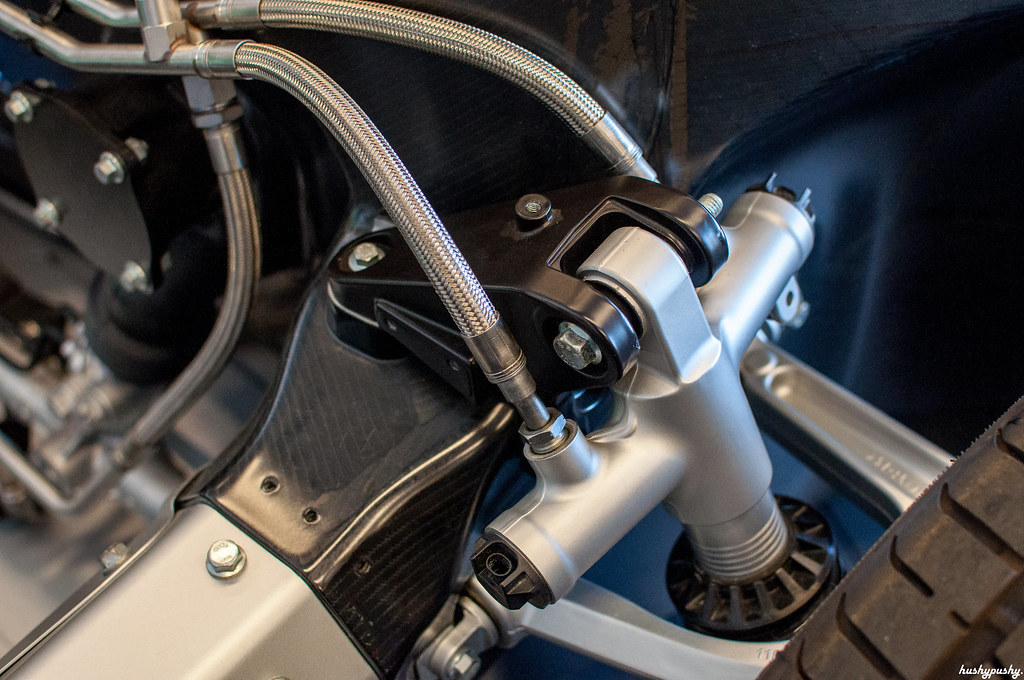
This is the MP4-12C suspension. Note the top mount for the damper.
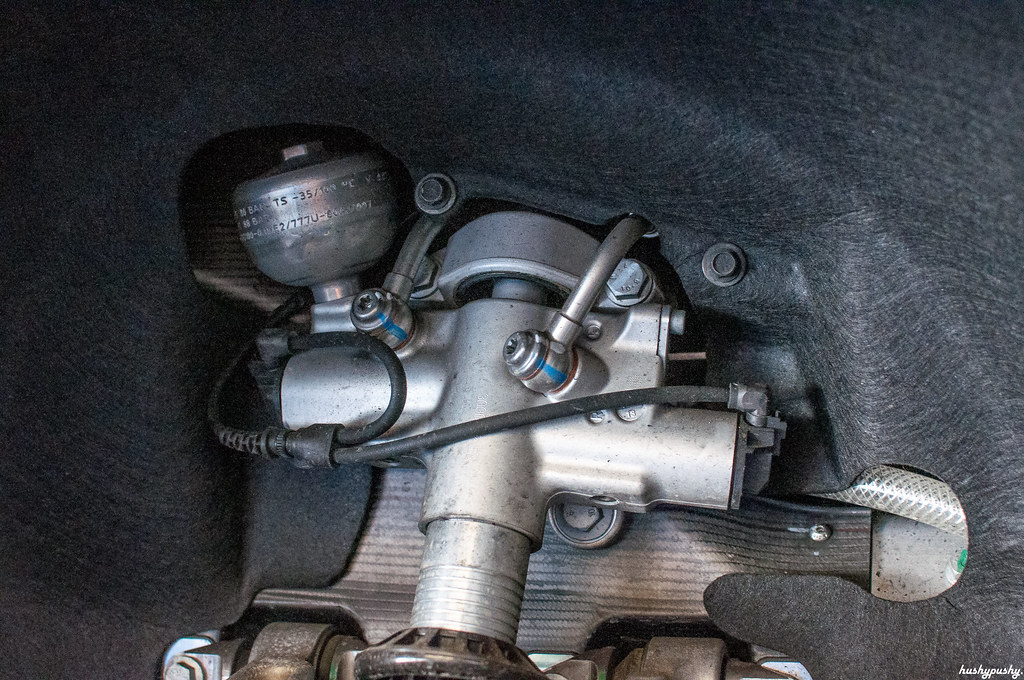
The 650S’ setup is a little beefier, plus an accumulator has been added (or possibly just relocated? Not sure.) to that area as well.

So far all that’s been done is the carbon fiber steering wheel swap; they’re just waiting on a few other suspension pieces before they tear everything apart. Hopefully the exhaust arrives soon as well, and then she’ll be back on the showroom again, looking resplendent sans bodywork.
1970
Body by Karmann in Western Germany. Any guesses as to the car?

You may have guessed a Karmann Ghia, 911, or 914. If you got that close, you’re good. But you’re still not quite there…
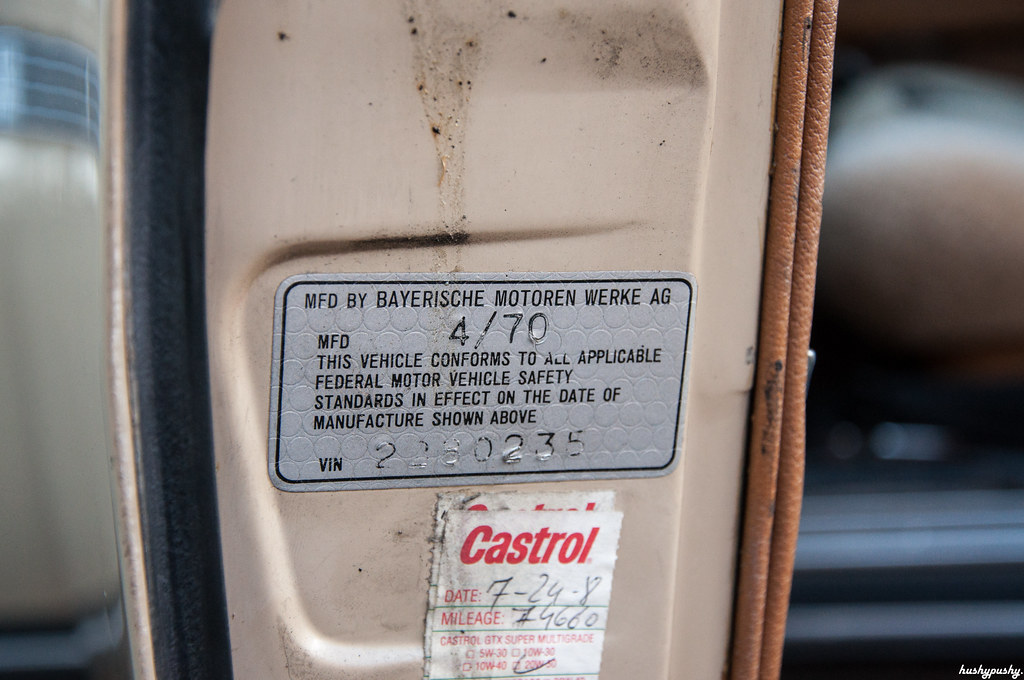
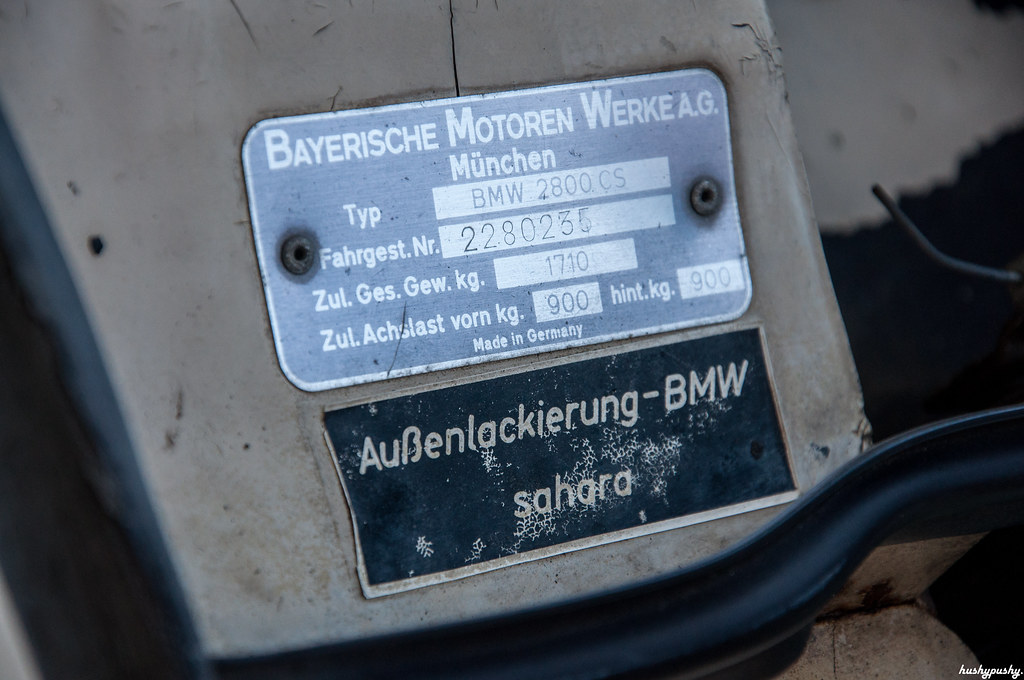
Yep, that’s the outline, but there’s a little more going on.
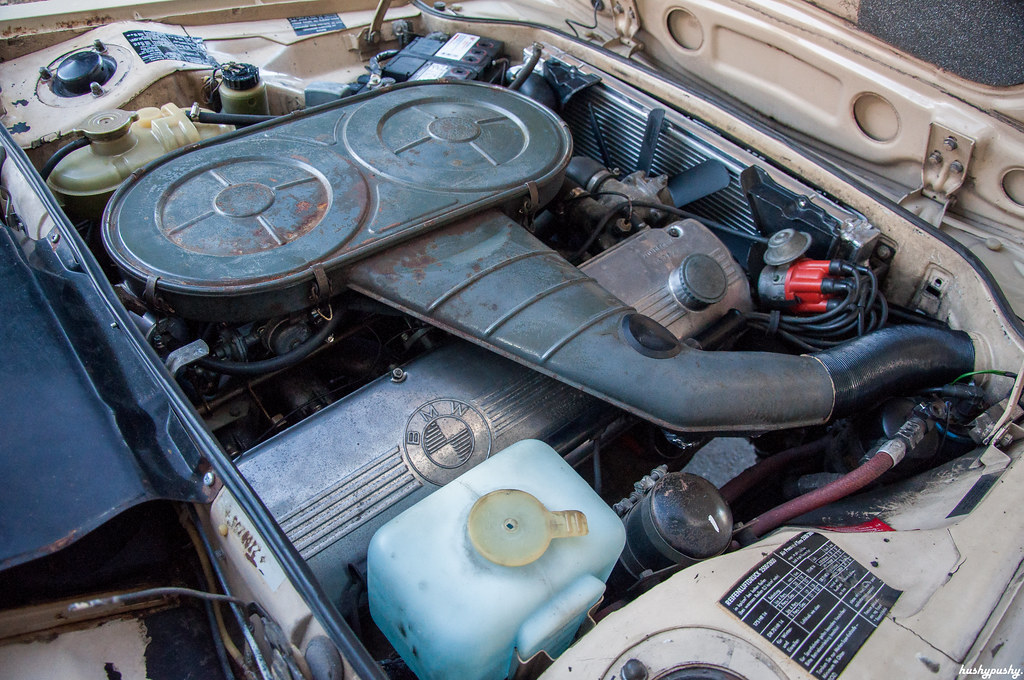
Check out the old-school “cold air intake”. I love the gentle patina on everything–well, everything except the brand-new oversized radiator and the fan and shroud that go with it. Gotta keep cool, ya know.
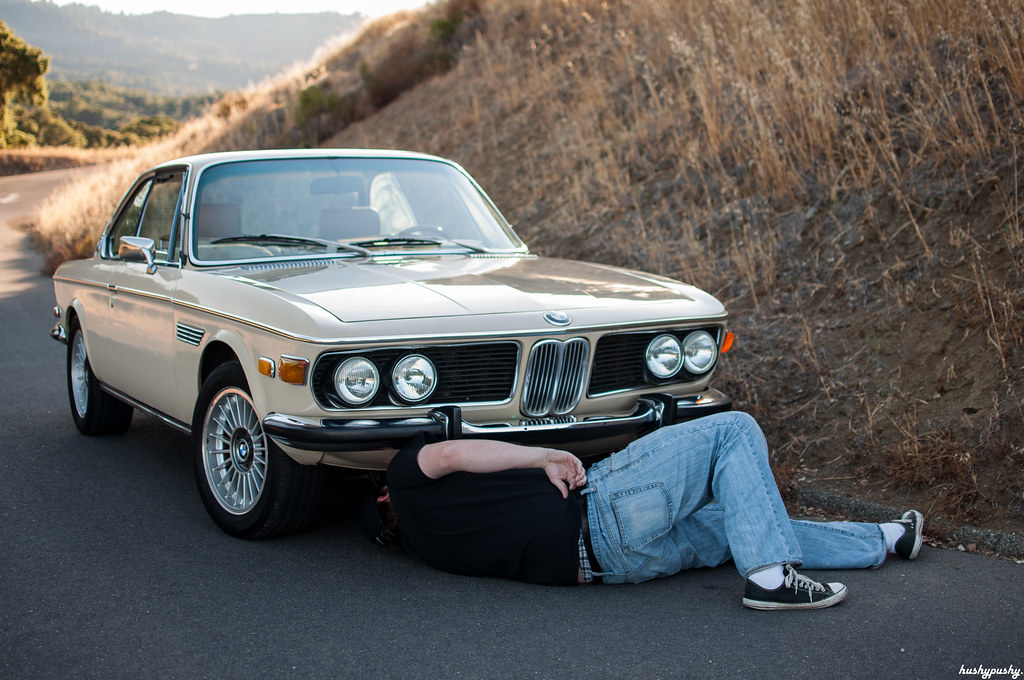
But you’d be mistaken if you thought it was all old car problems all of the time. Actually, it’s just old car problems some of the time.

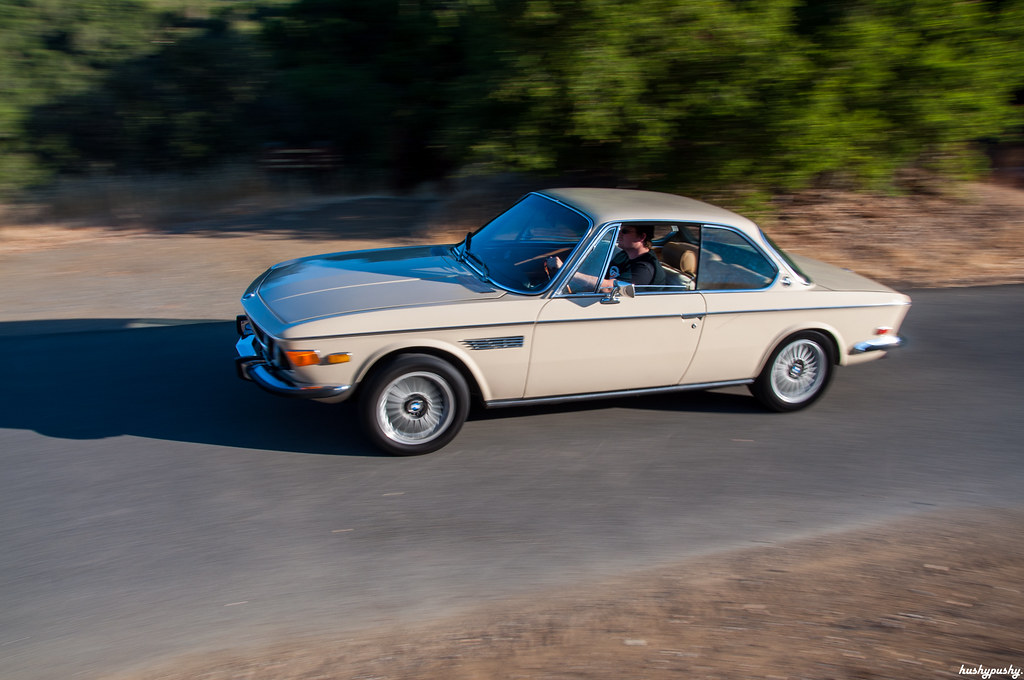
Brendan picked me up and we headed up a classic Nor Cal road to our destination, Foothills Park. Between some sketchy lap belts (“I’ll make sure not to crash”), period-correct body roll, and a carburetor soundtrack, it was always going to be exciting at any speed. And if you can understand that climate control, you’re a better man than I.
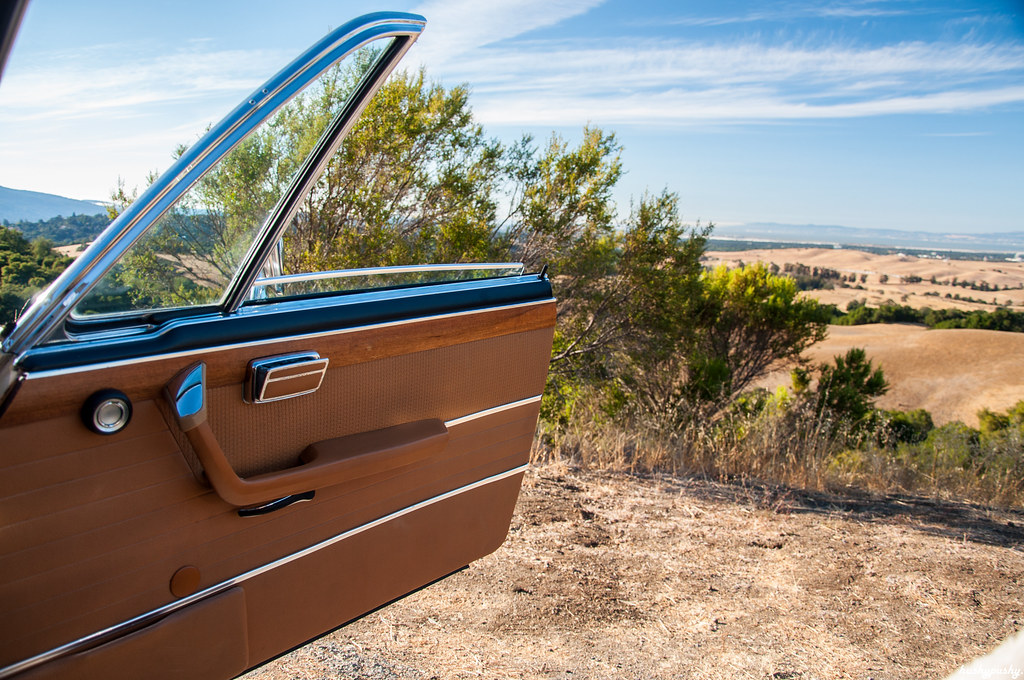
Although it was dark down between the trees, up in the hills it was still quite bright. Don’t forget the ashtray–one of three I spotted.

Automatic, eh?
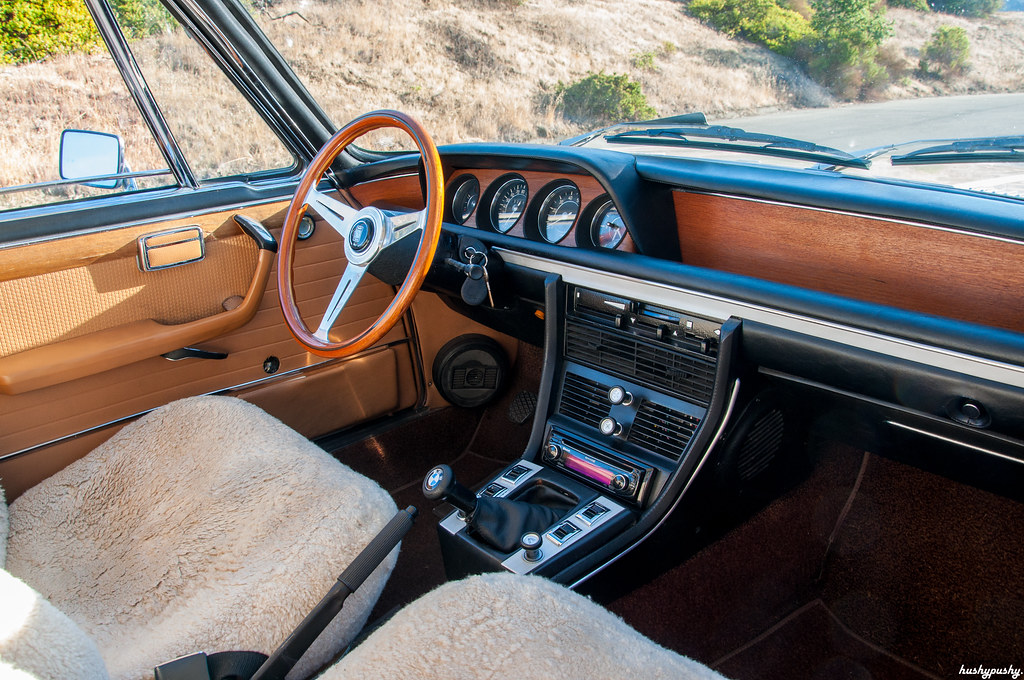
Well…not quite. In addition to a five-speed swap (with a nifty dogleg first gear), it has Weber 32/36’s in place of the original Solexes, the head from a later M30 variation and a lumpy Schrick cam that doesn’t really lend itself to getting off the line well.
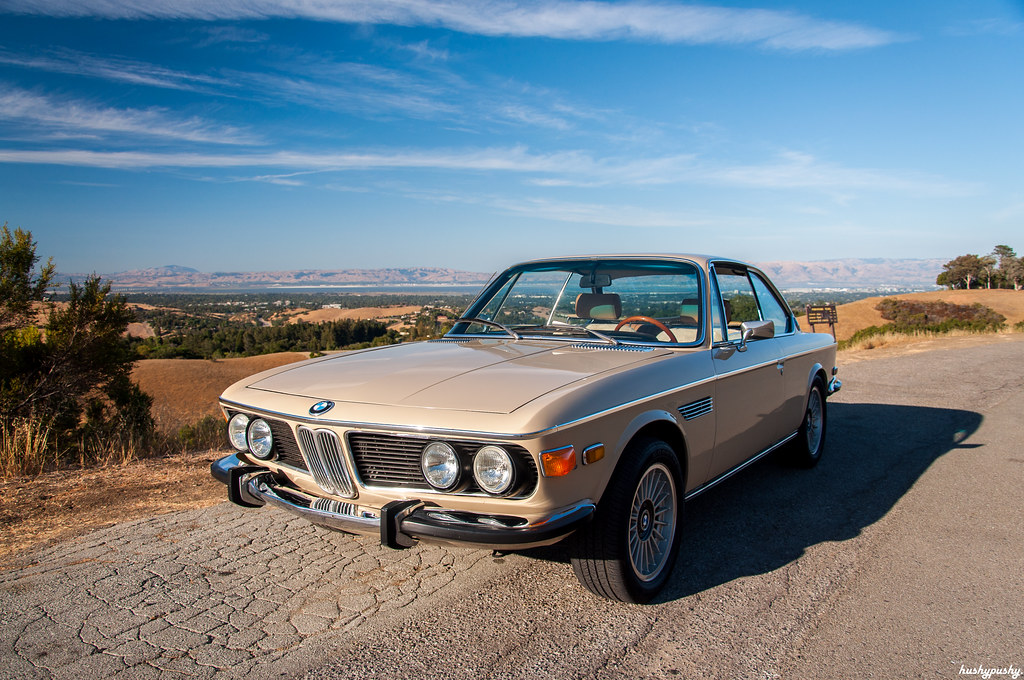
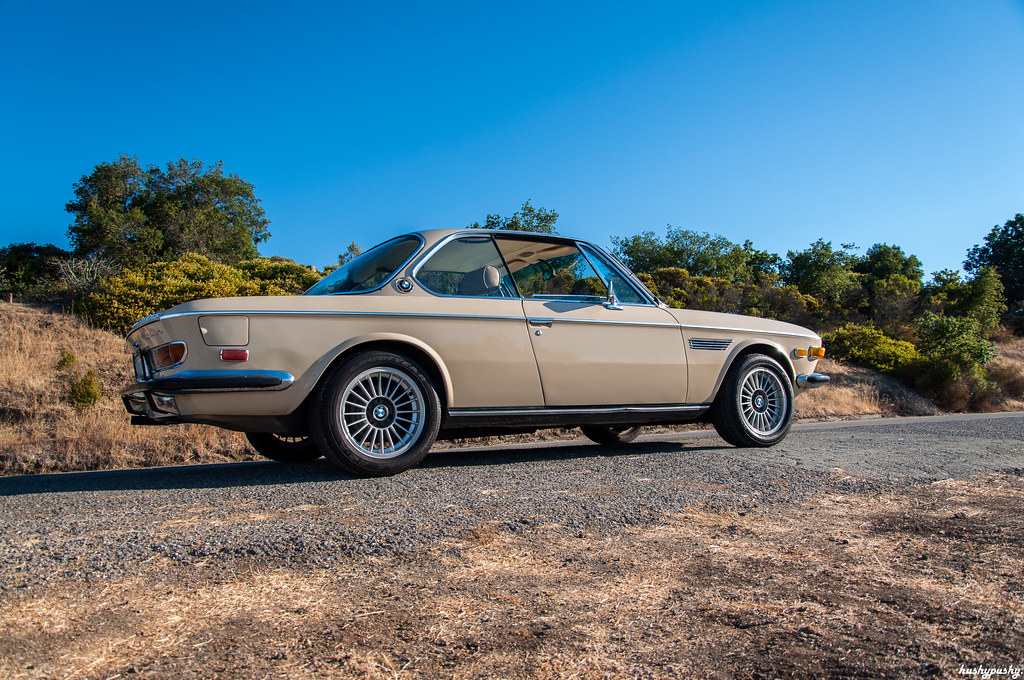
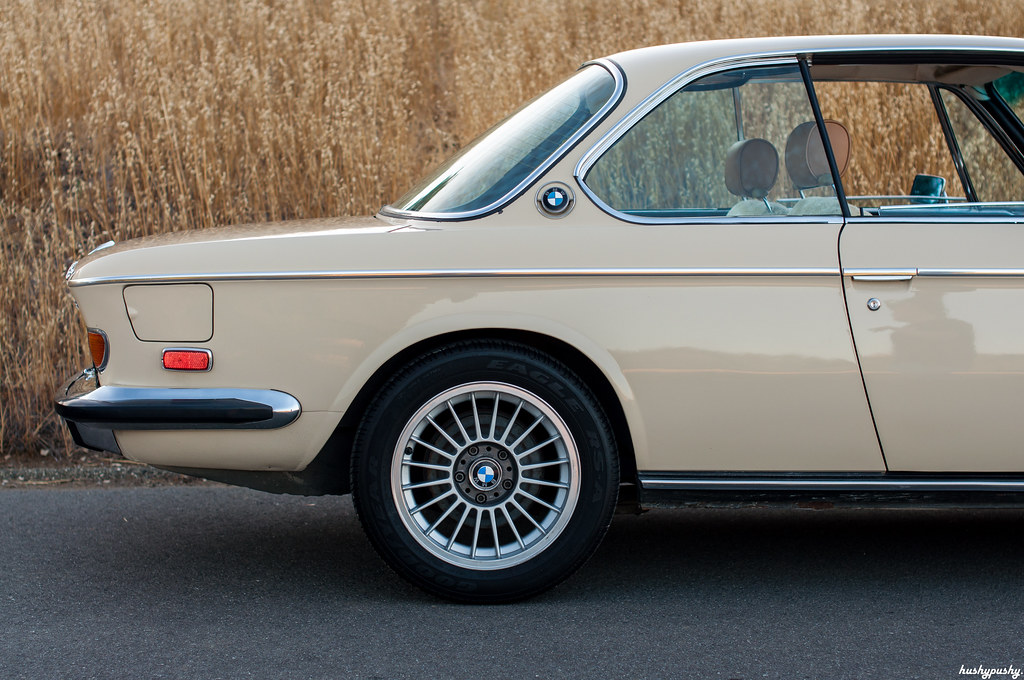
However, from the outside, it looks almost showroom fresh.
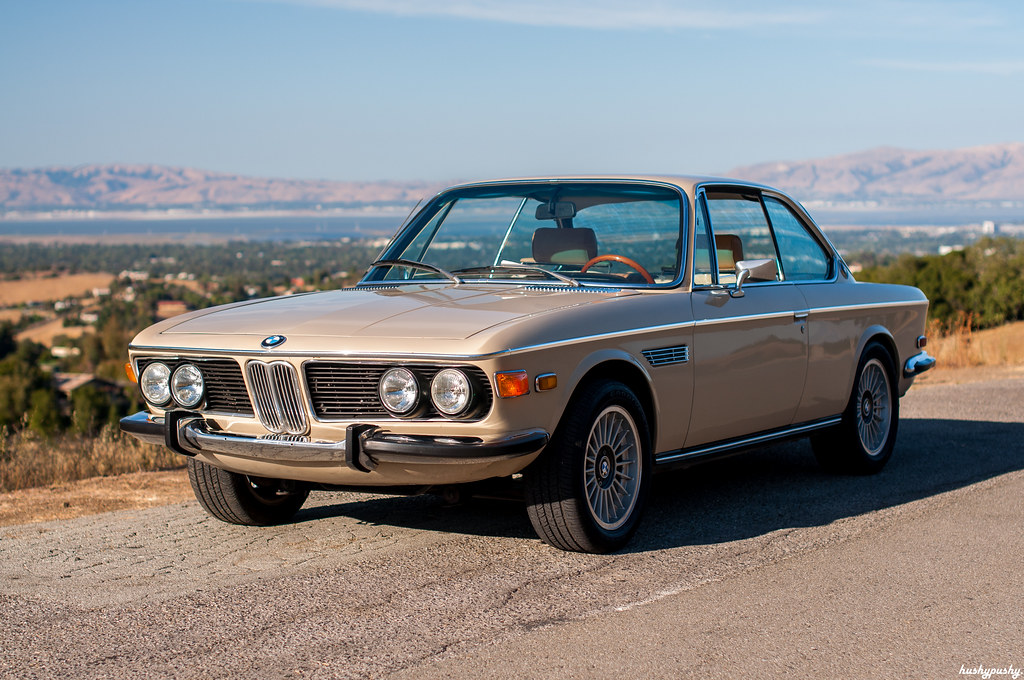
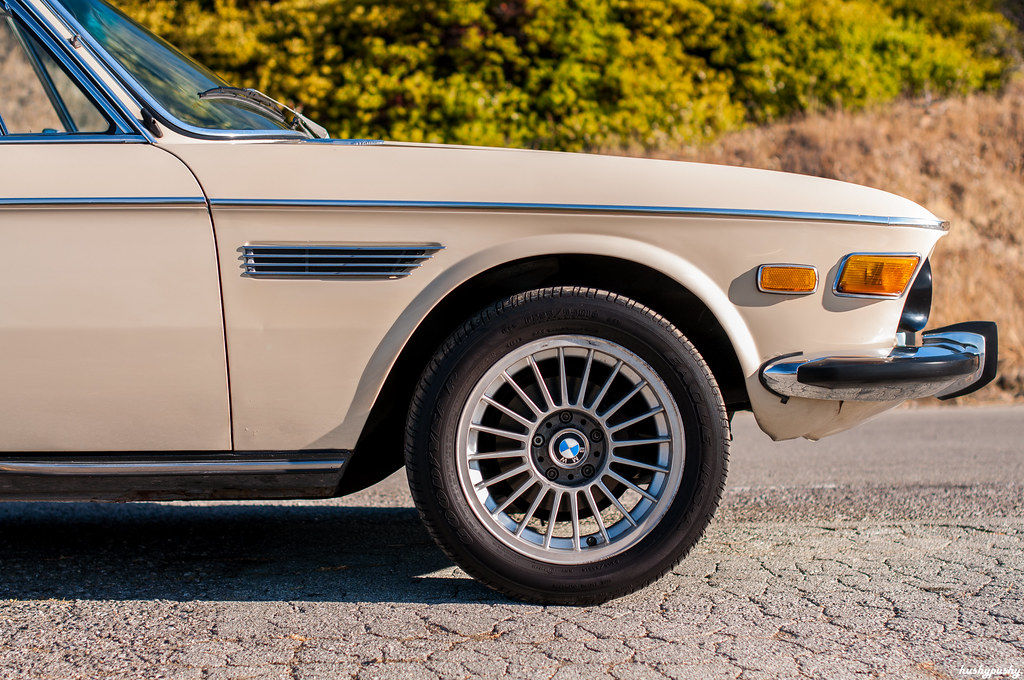
Okay, it does have the US-spec reflective scabs front and rear, but those are just pointy elbows from where I’m standing. Not like it’s impossible to shave them, either.
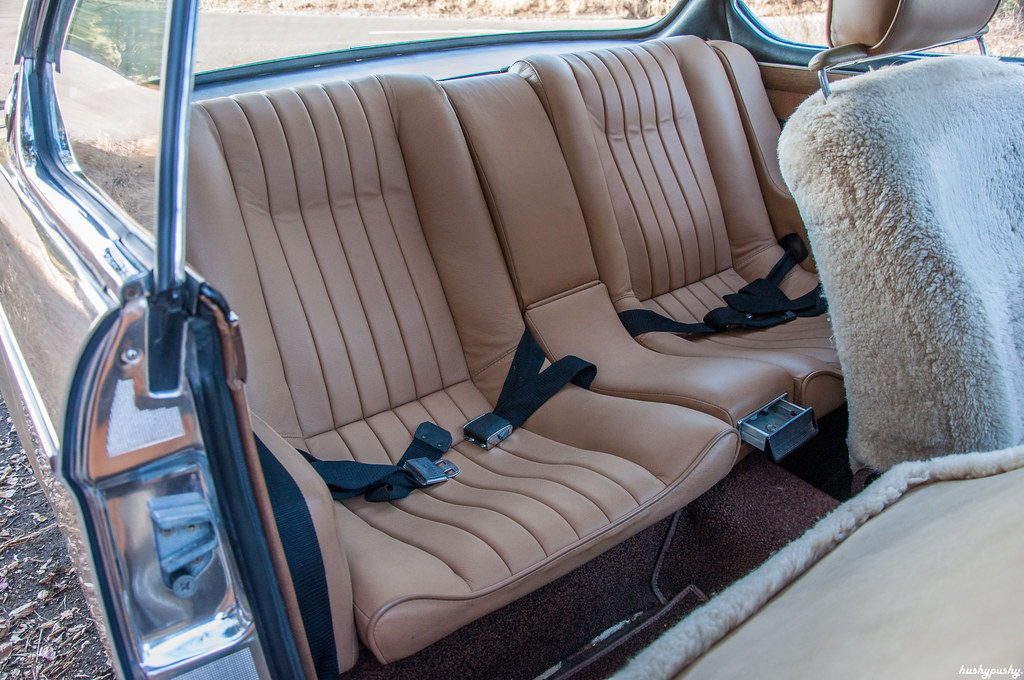
Rear seat ashtray, check.
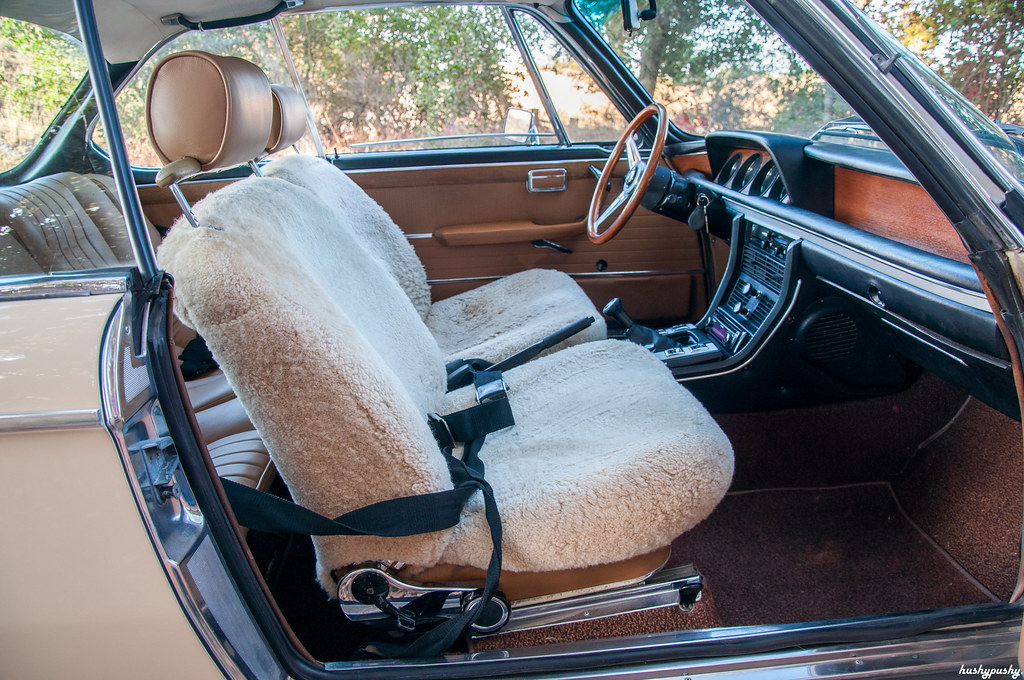
There are the worthless seat belts. And some funky seat covers that are at least protecting the immaculate leather underneath.
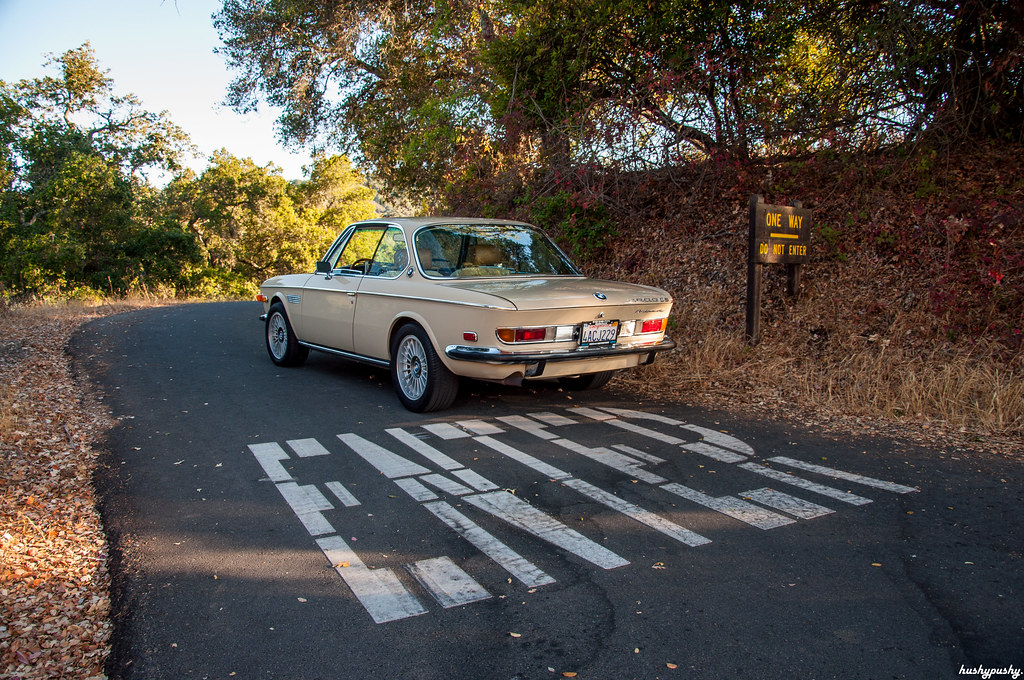
This car is from a transitional period in the history of personal motoring. As far as that world is concerned, 1970 is still firmly part of “the good old days”.
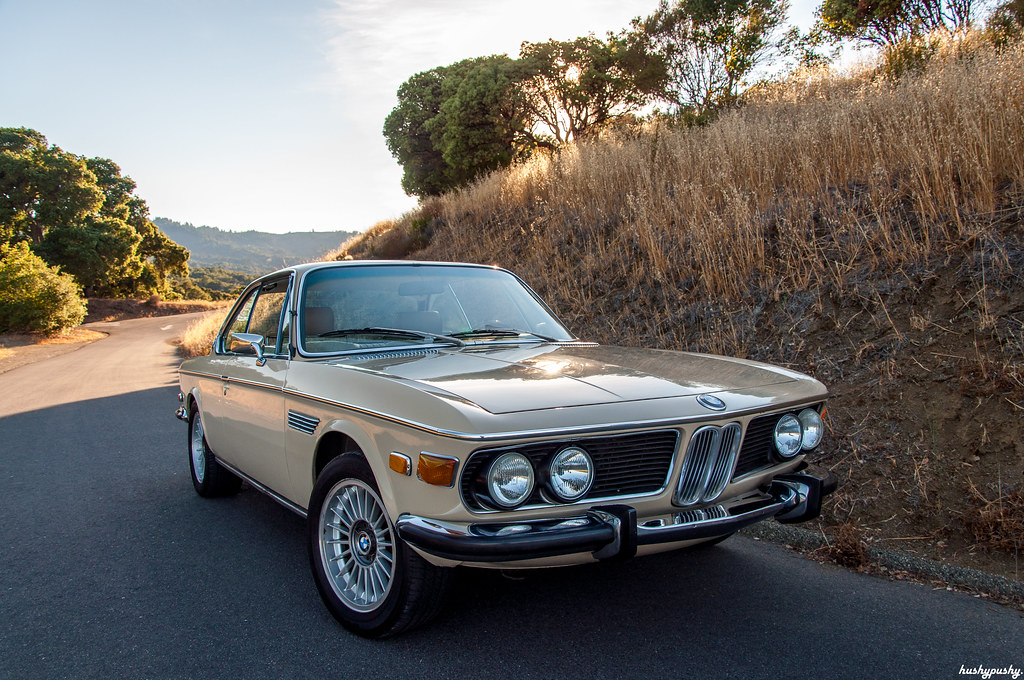
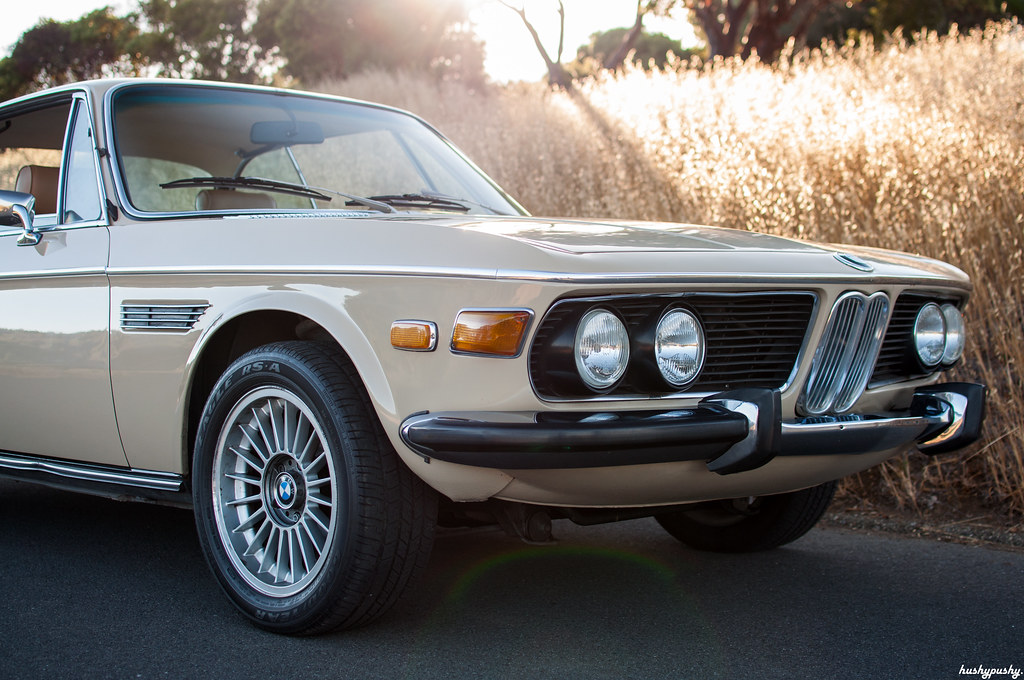
Although it actually does have “bumpers”, it’s from an era where designers were pretty free to do what they wanted with styling, having much less concern for (or perhaps even knowledge of) safety and aerodynamics.

At this point, we ran into a little wrinkle in the park…from our previous location I’d noticed a photographer shooting some newlyweds in the grass, and when we turned the corner there it was: their mundane people carrier, parked in a prime spot!
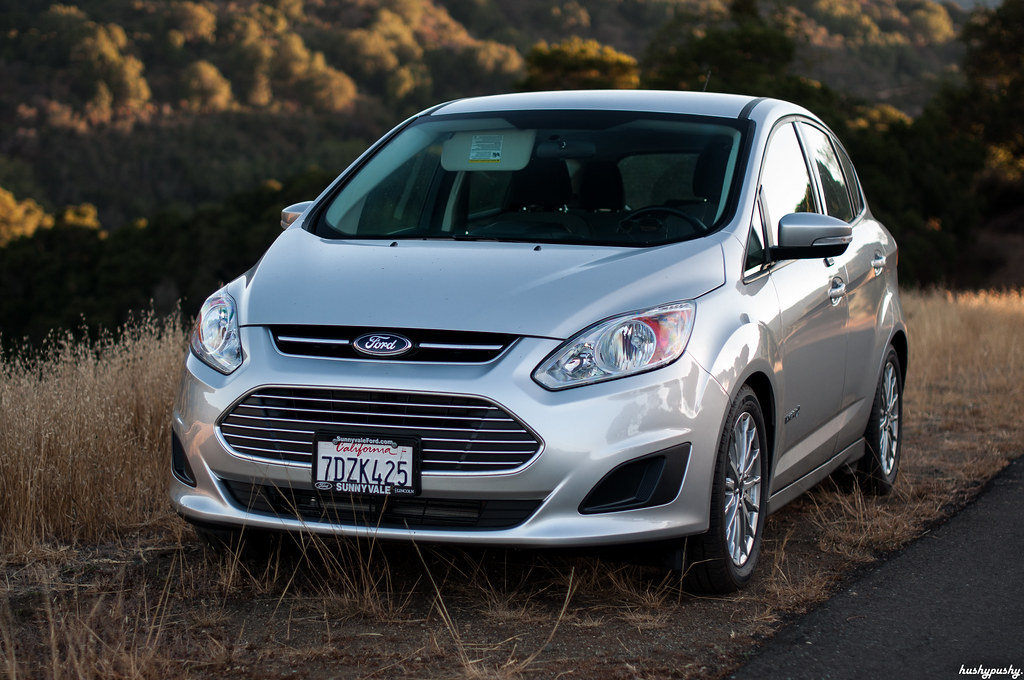
Alright then.
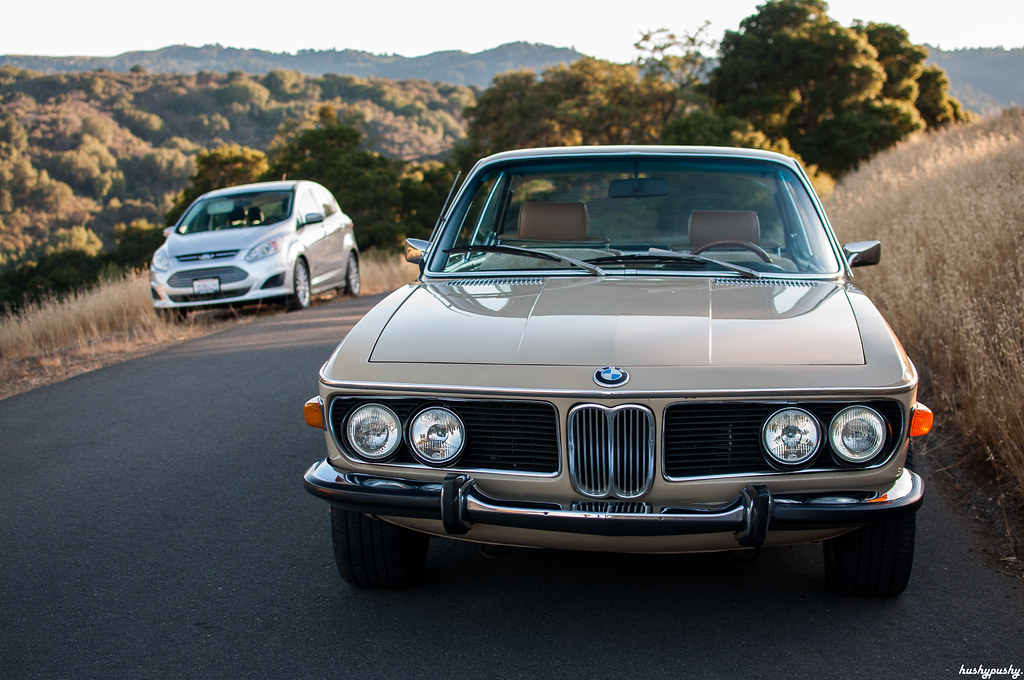
Well, luckily this park is beautiful in every direction.
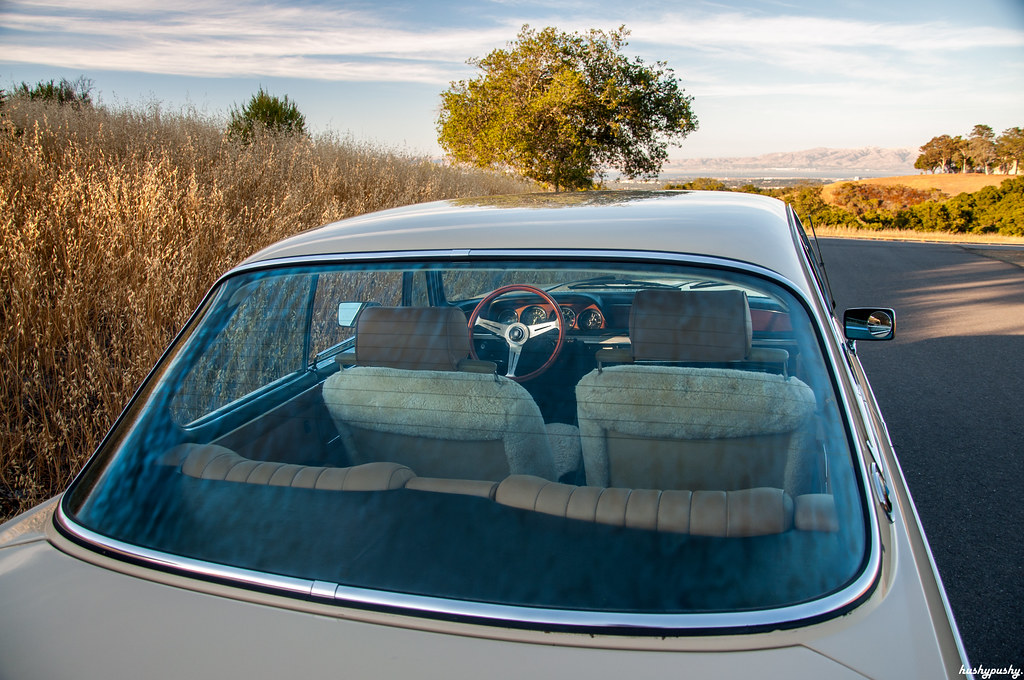
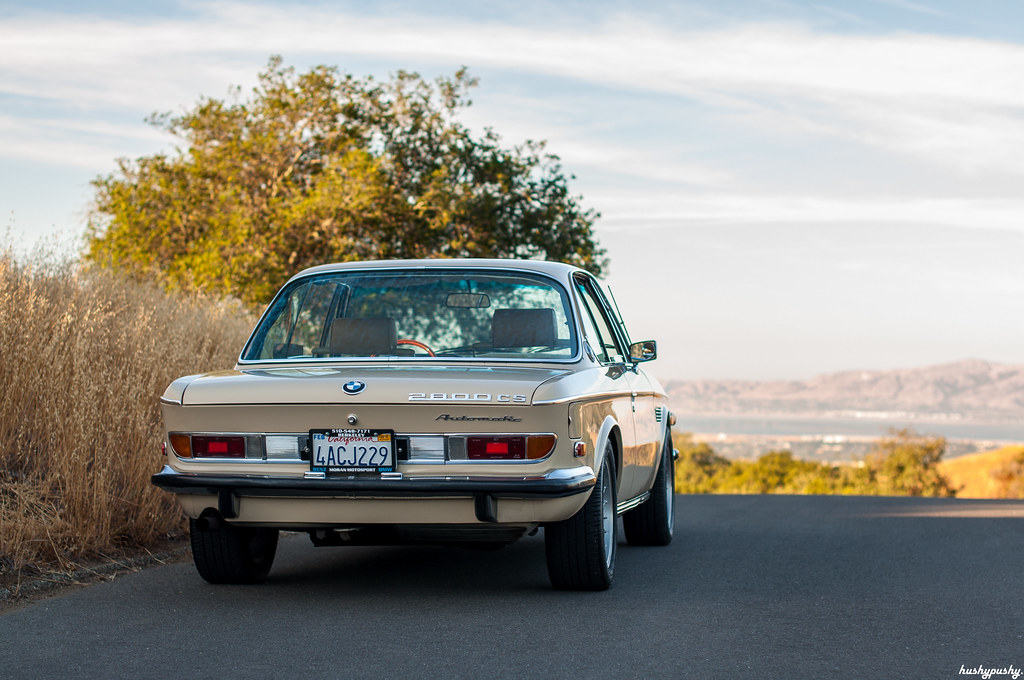
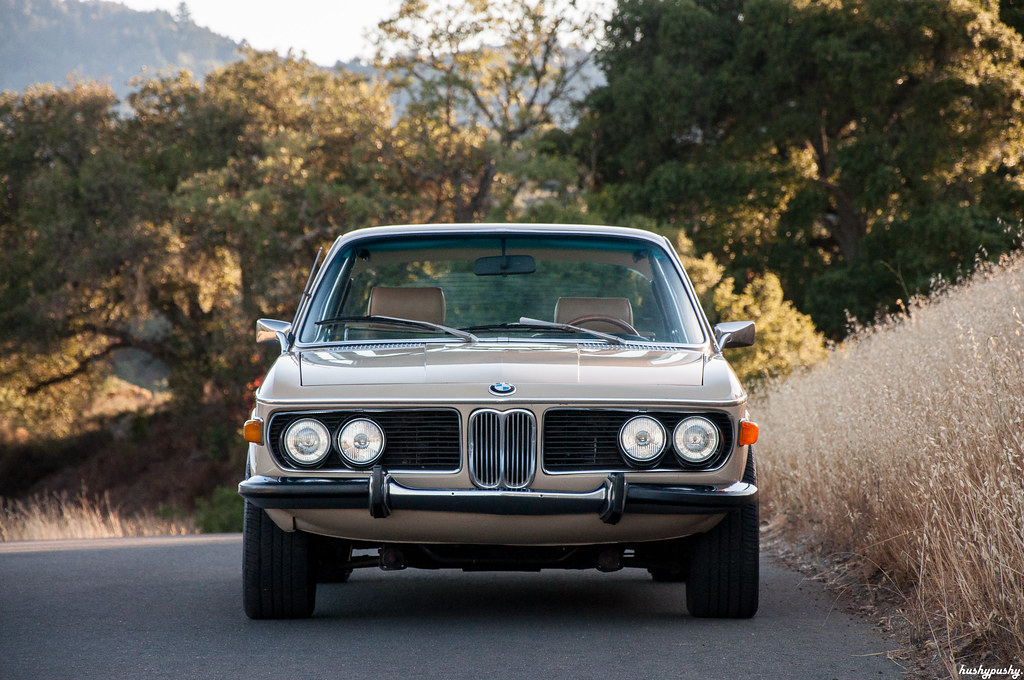
Now that is an iconic face.

Everything seems to be more interesting on an older car, even simple vents.

One of my favorite pieces of design on this car is the tail lights. The proportions on this car seem to be unorthodox at first yet flow naturally the more you study them.
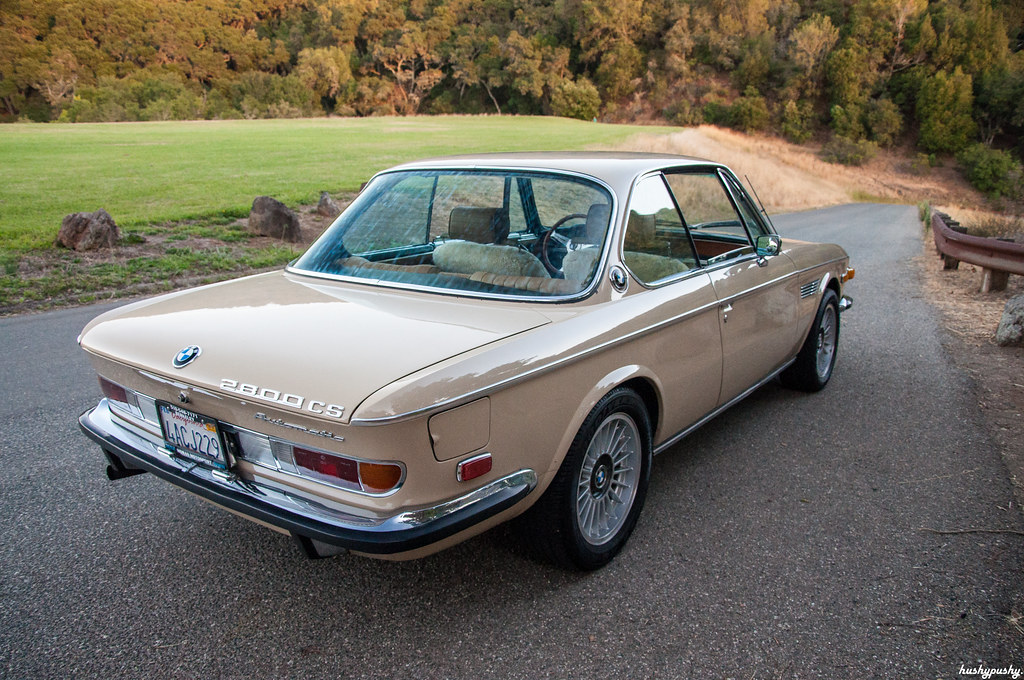
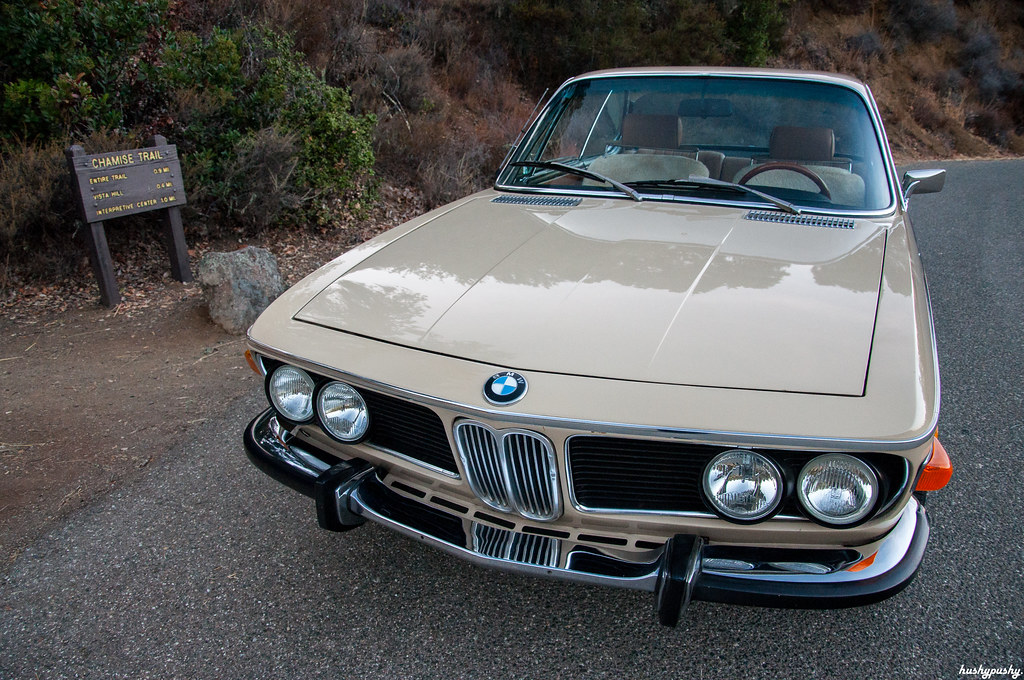
Of course, I can’t talk about proportions without throwing it off and showing some bulgy wide-angle shots!
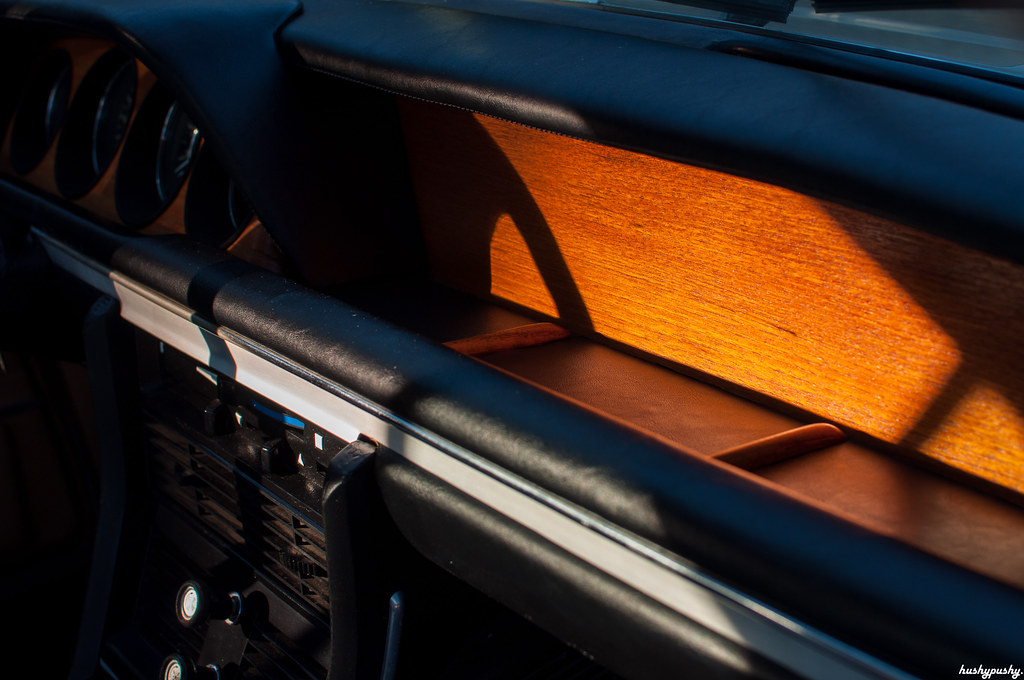
Unfortunately I’m not a wood expert so I can’t tell you exactly what we’re looking at, but I do know it looks great in the sun.
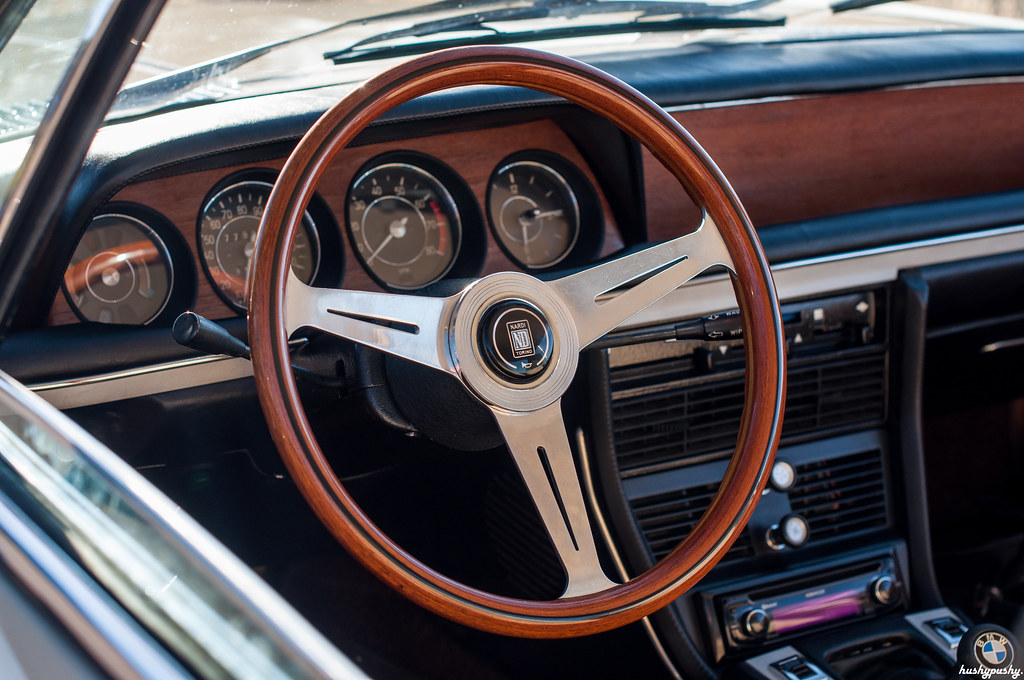

There’s so much wood everywhere that it’s almost shocking in the current world of plastic. But it works…
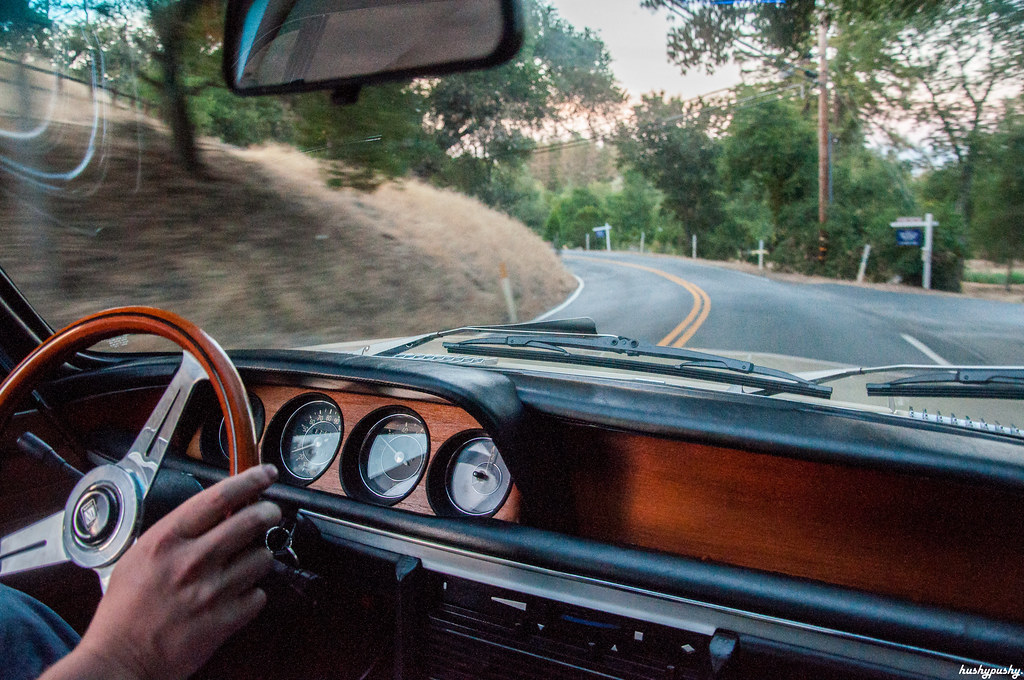
Eventually the sun went behind the hills and it was time to head out. The roads up to and around the park are just as exquisite, just don’t try them on the weekends…trust me on that one.


 Star Road