
日記 / Blog
Well, today I took pictures of two cars with redlines north of 8000.
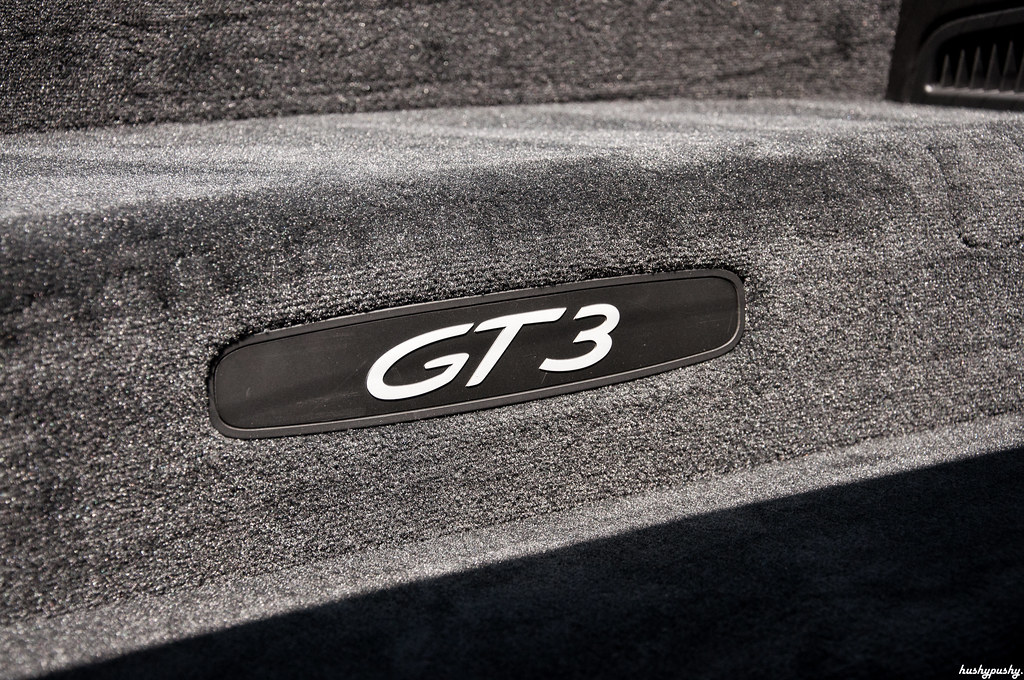
The first one had wavy depressions where there are normally rear seats. And a sea of German carpet.
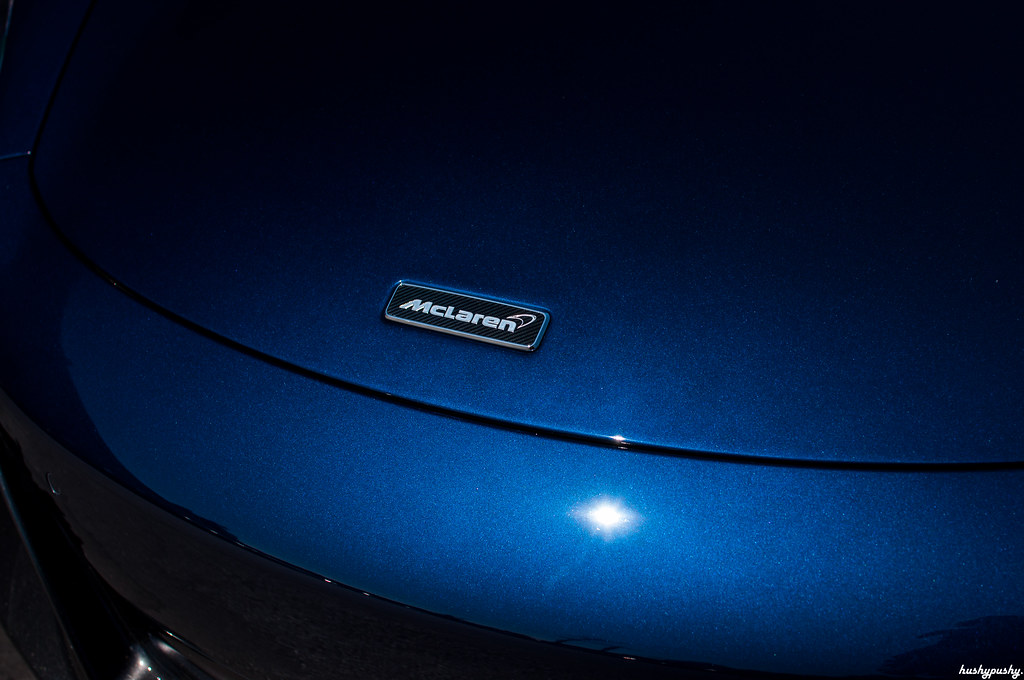
The other? An ocean of sparkles. What do you think McLaren’s official name is for this luscious color? Get ready, it’s: Blue. Yep, that’s it. Blue.
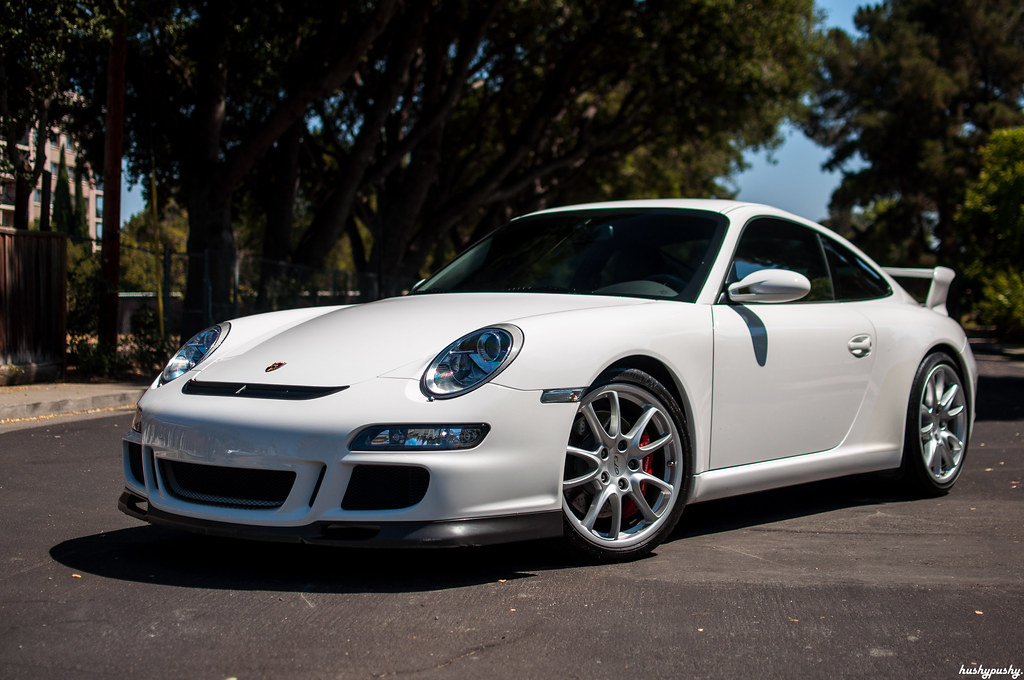
I like the busy front and curvy body.
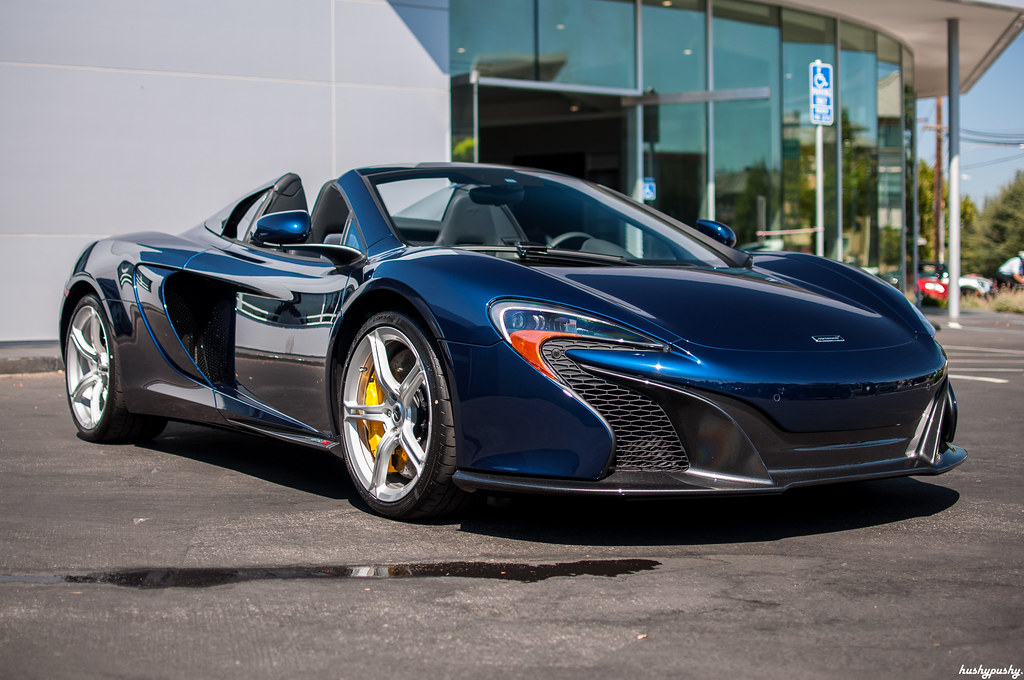
Come to think of it, the same could probably be said of the 650S. Although I actually prefer the looks of the 12C.
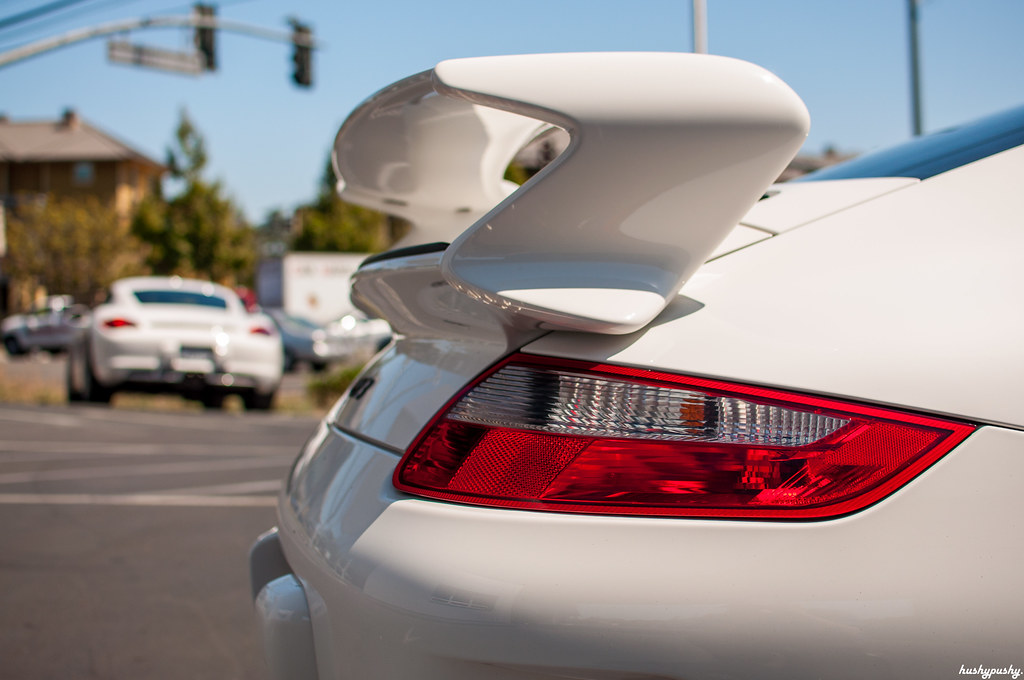
Well that’s a whale of a tail. Kinda funky but one would imagine they consulted a wind tunnel, CFD, and some of the smartest minds in Deutschland to design that thing, eh? Let’s go with it.
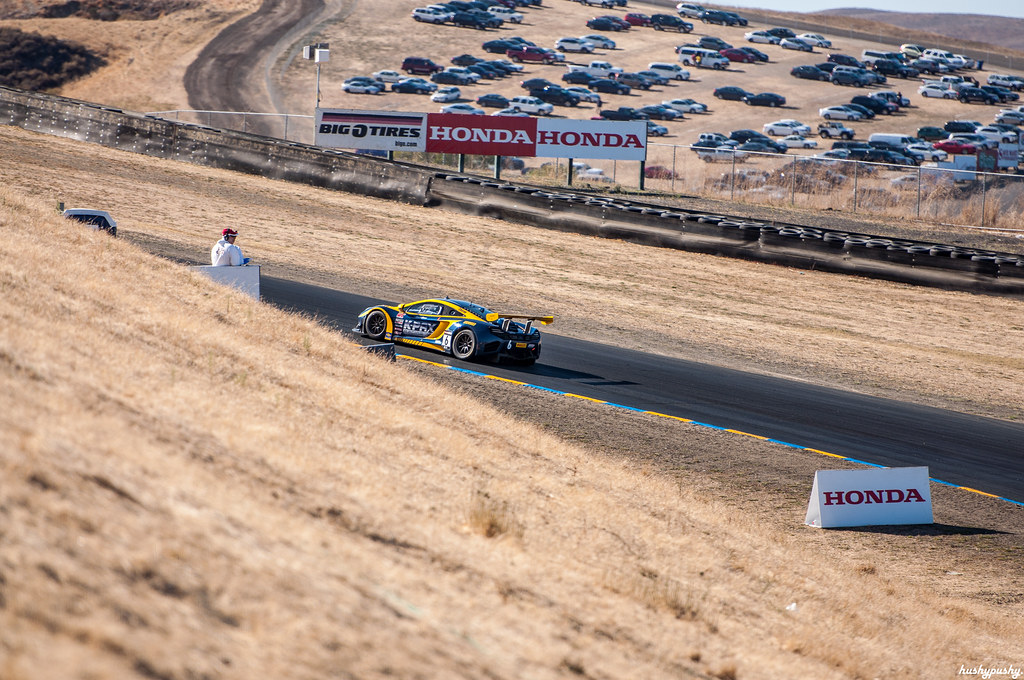
K-PAX Racing MP4-12C GT3
These days, most dealerships are large venues where multiple brands are combined under one roof. This strategy helps drive traffic to the store and also increases the bottom line as the more profitable and popular cars can balance out niche vehicles. Normally, the mixture of brands is either the same company (like Toyota/Scion or Ford/Lincoln/Mercury); other times they’re just similar (like Bentley, Lamborghini, Lotus, and Pagani). But at the corner of El Camino Real and Arastradero Road in Palo Alto, there’s a dealership with a contrast between brands that’s quite stark: Volvo and McLaren.
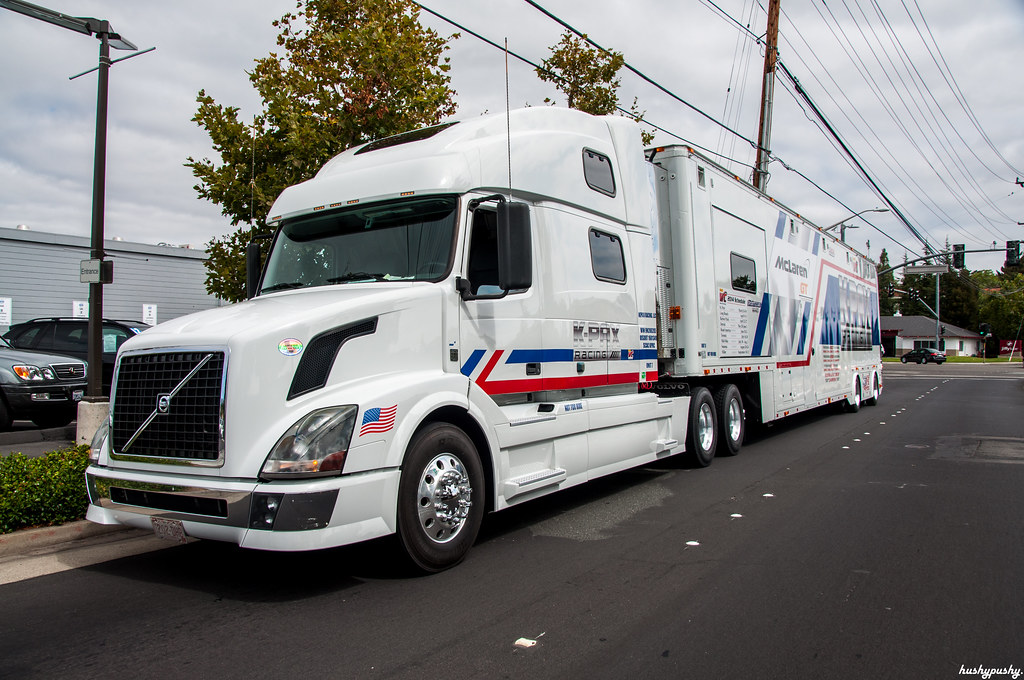
That’s what makes this interesting racing team even more interesting. Although K-PAX Racing had absolutely nothing to do with the Price-Simms acquisition of a Volvo franchise, it still rings of coincidence. K-PAX Racing successfully campaigned Volvos in North America for several years, when Volvo didn’t even provide full factory support–in the absence of bodies-in-white, K-PAX was stripping down production cars! With a shift in the focus of the Pirelli World Challenge to more supercar-based racing, K-PAX made the logical choice and decided to go with McLaren’s MP4-12C GT3, which comes from McLaren completely ready-to-race. A Volvo/McLaren dealership and a team that’s taken Volvo and McLaren racing to the highest levels yet seen in North America? Sounds like a match made in heaven!
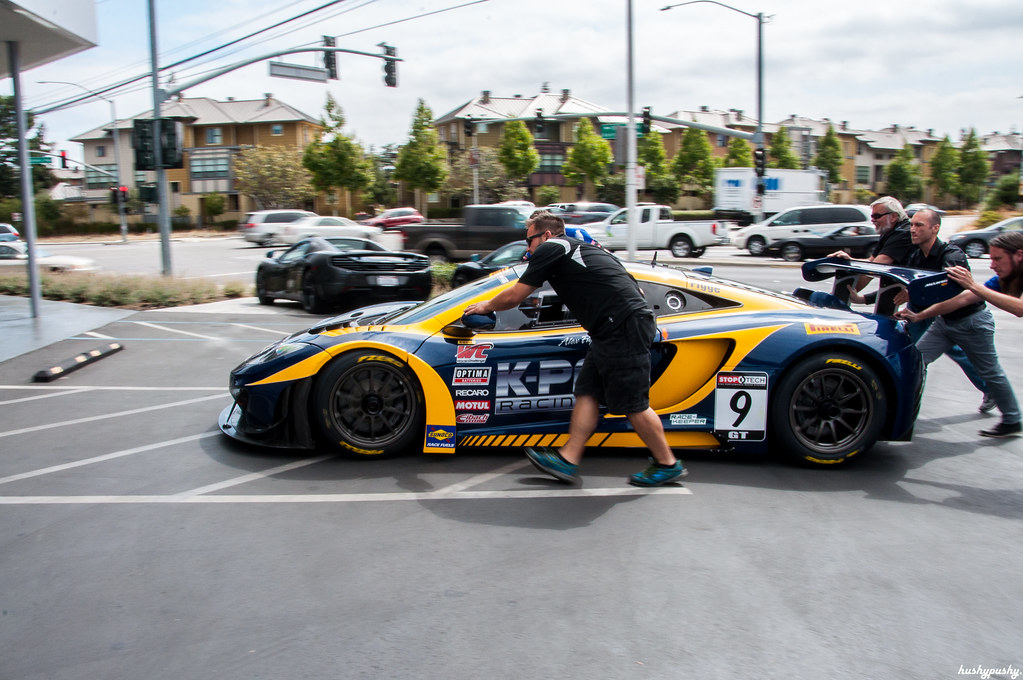
It’s not what you know, it’s who you know. With that old adage proving true, I watched as the race team unloaded one of their race cars into the showroom to be displayed for a few days before the “Cadillac Grand Prix of Sonoma”.
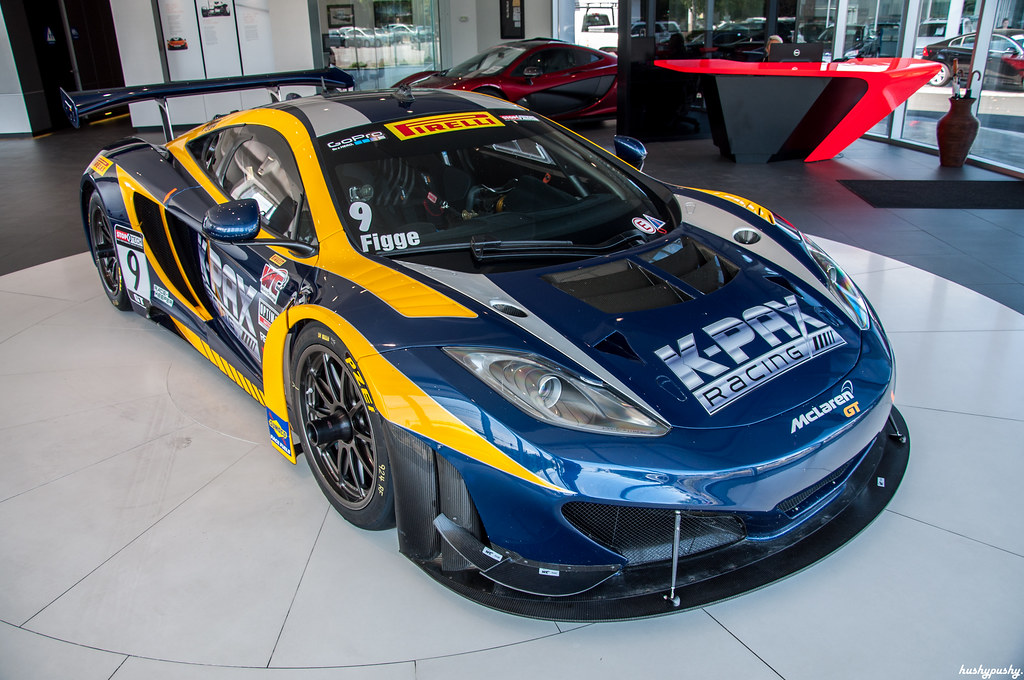
Yes, that’s a P1 in the background. Not for sale, natch.
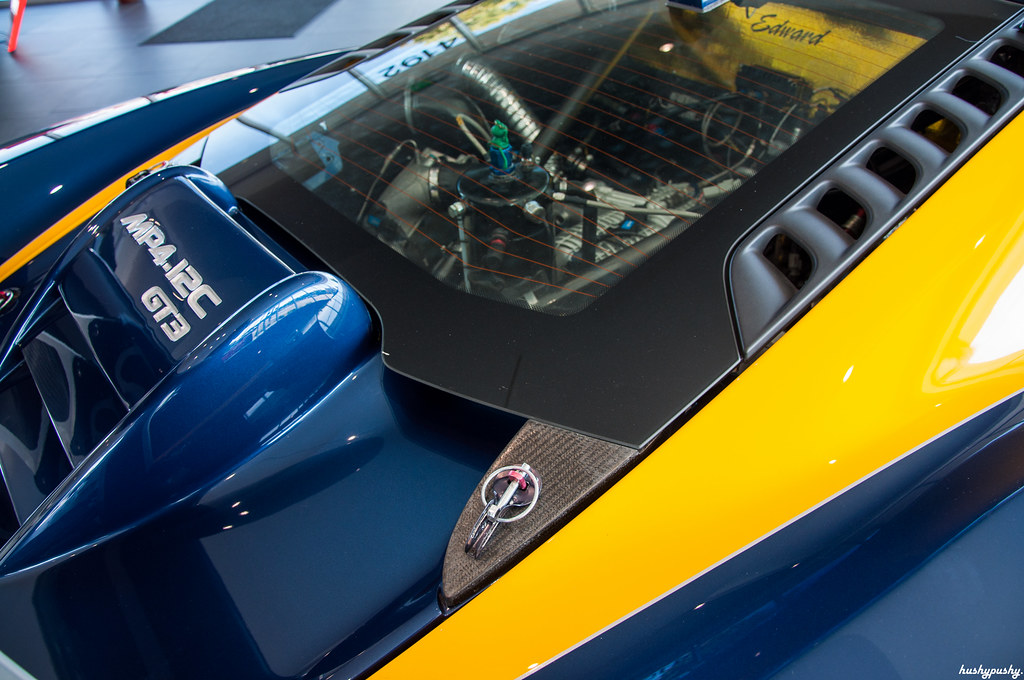
Since I spend most days poring over McLaren details, it’s always interesting to see the different variations. Hey, what’s that under the glass?
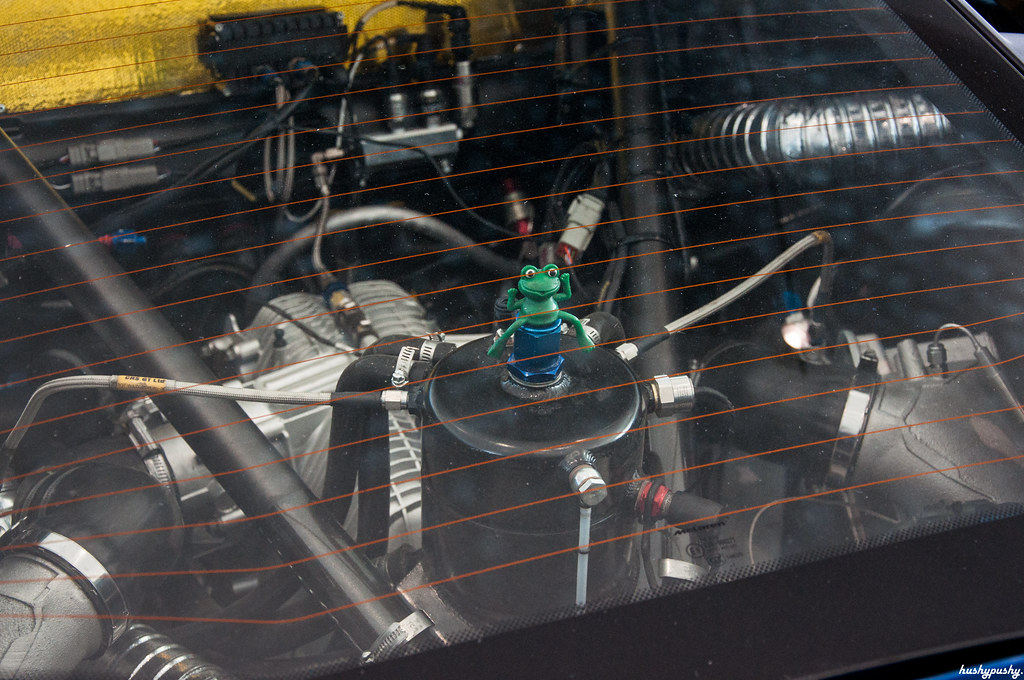
Oh! I wonder what that little guy is doing there.
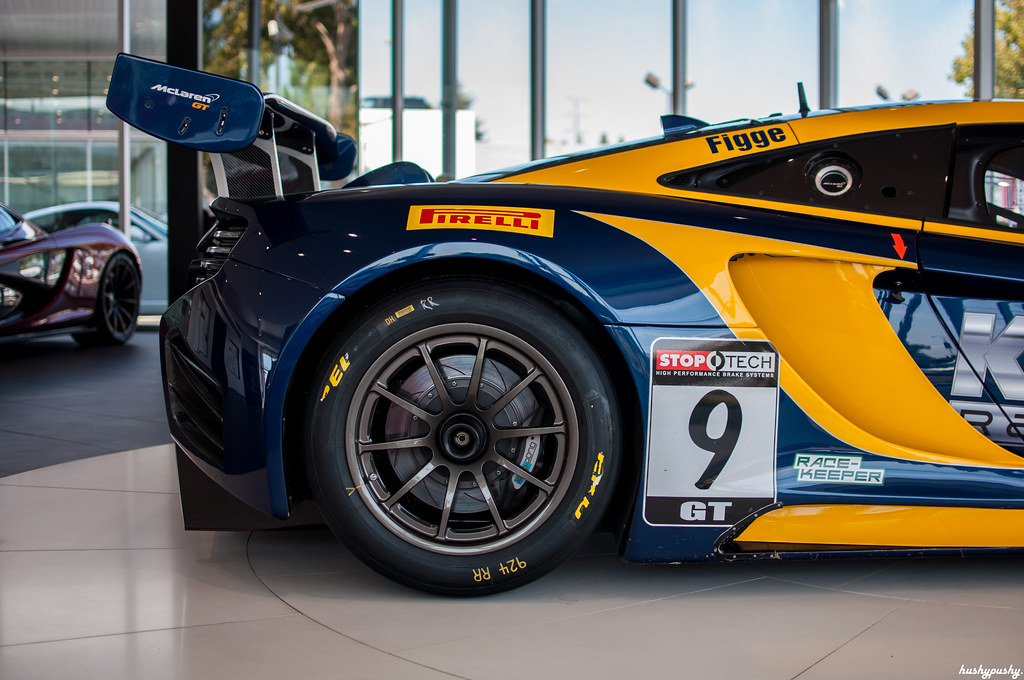
Lots of wheel gap out back…

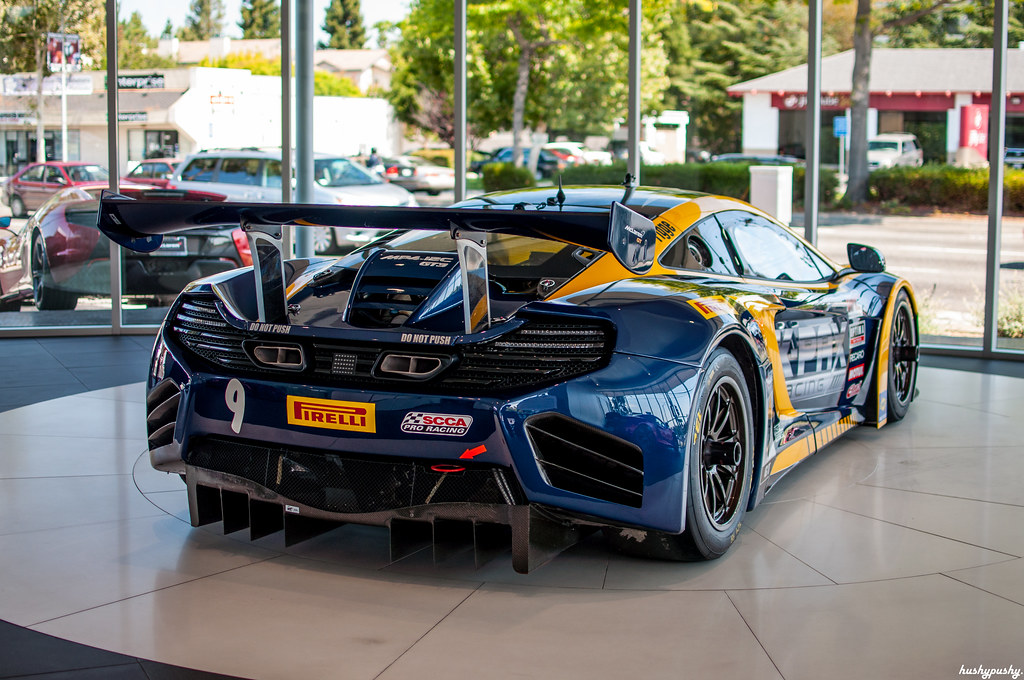
..and slammed up front. Oversteer balance?
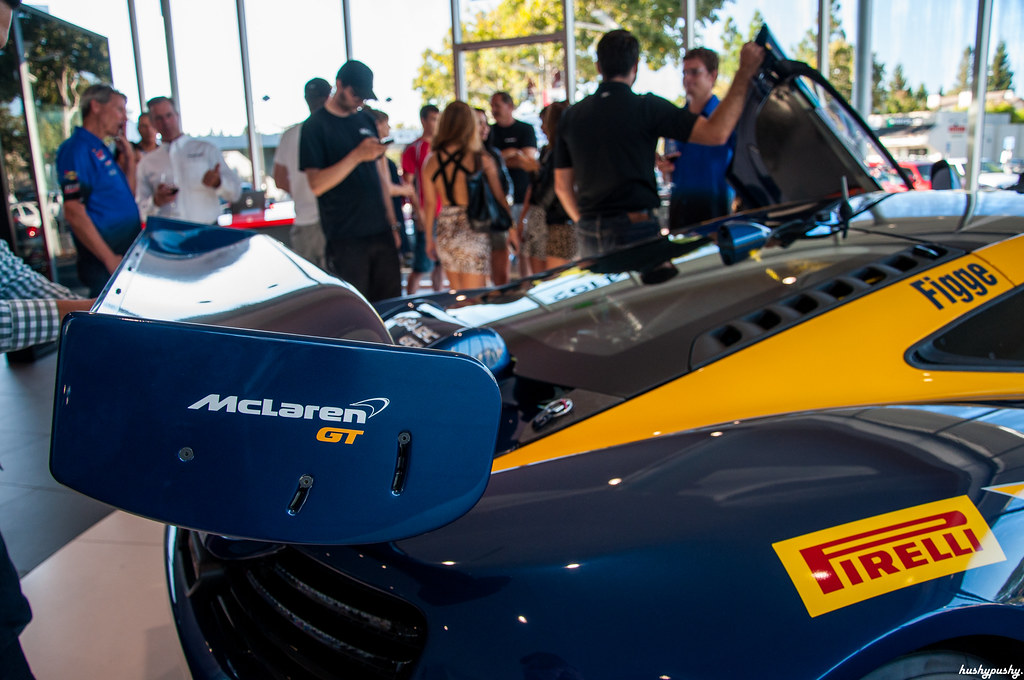
There was even a little party where local fans could meet the drivers and see the race car up close. In bokeh, you can see the drivers; Alex Figge in black holding onto the door, chatting with Robert Thorne in blue.
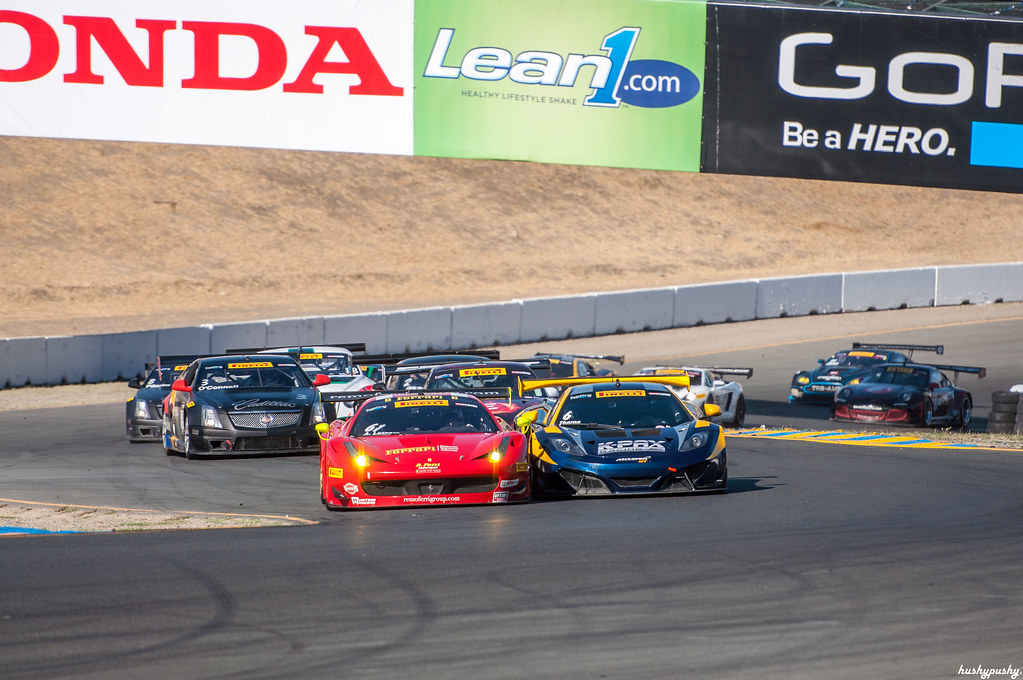
But enough of that. Fast-forward to the race track! This is actually the start of Race 2, where the 458 and 12C battled inches from each other, almost removing each others’ wing mirrors in the process.
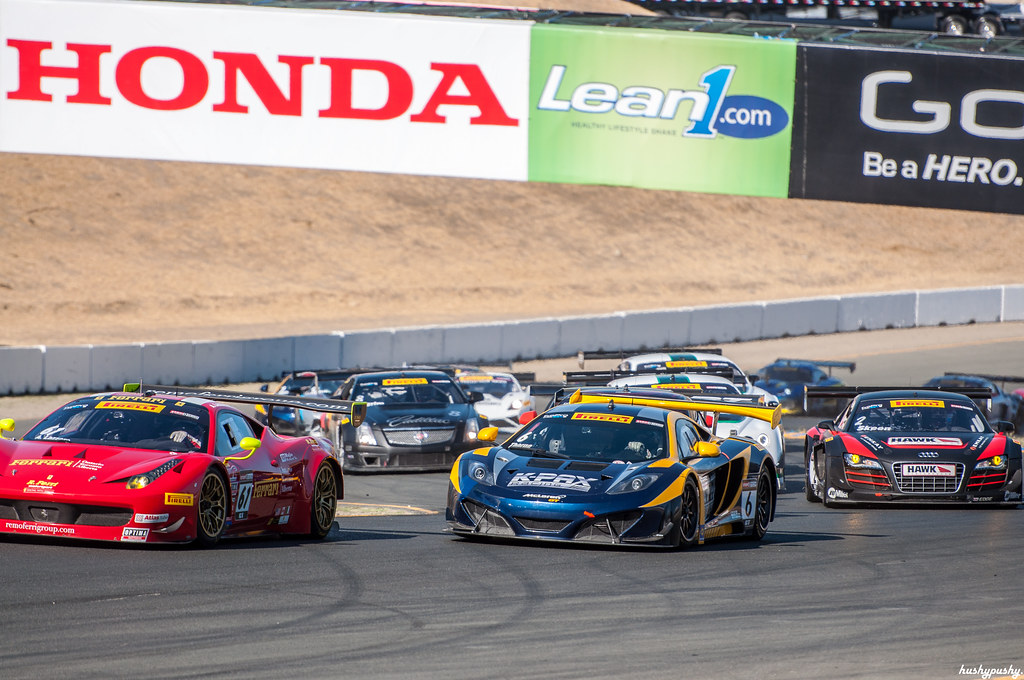
However, as is usually the case on the first lap, discretion proved the better part of valor, and Thorne yielded to the Ferrari. His prudence paid off; he ended up on the podium for this race.
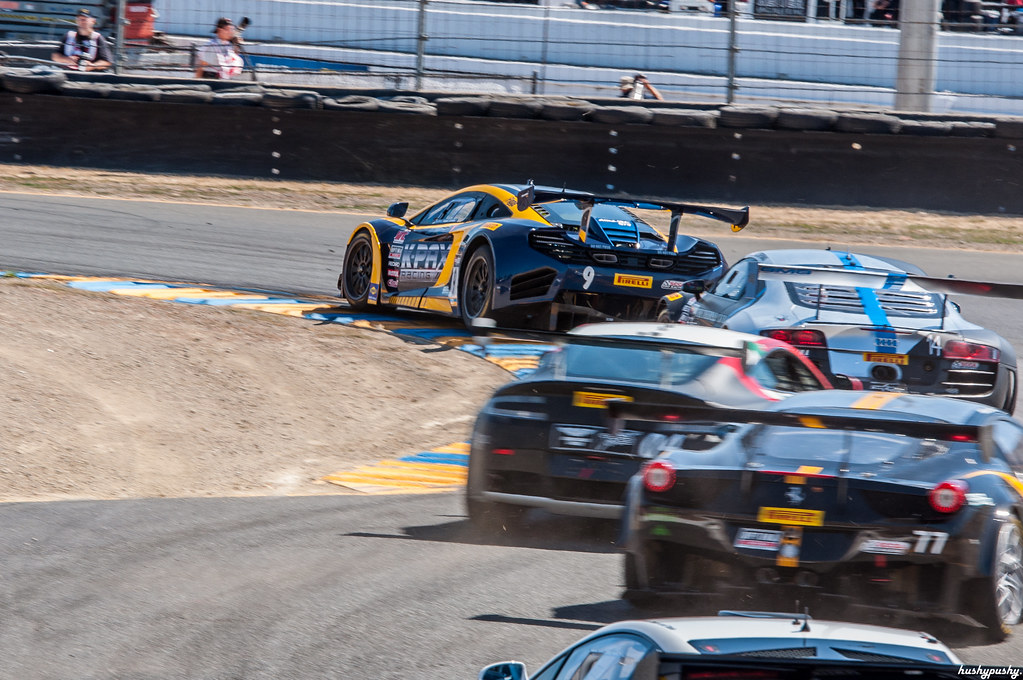
Yep, that’s one of the great things about Pirelli World Challenge: it’s basically a supercar battle.
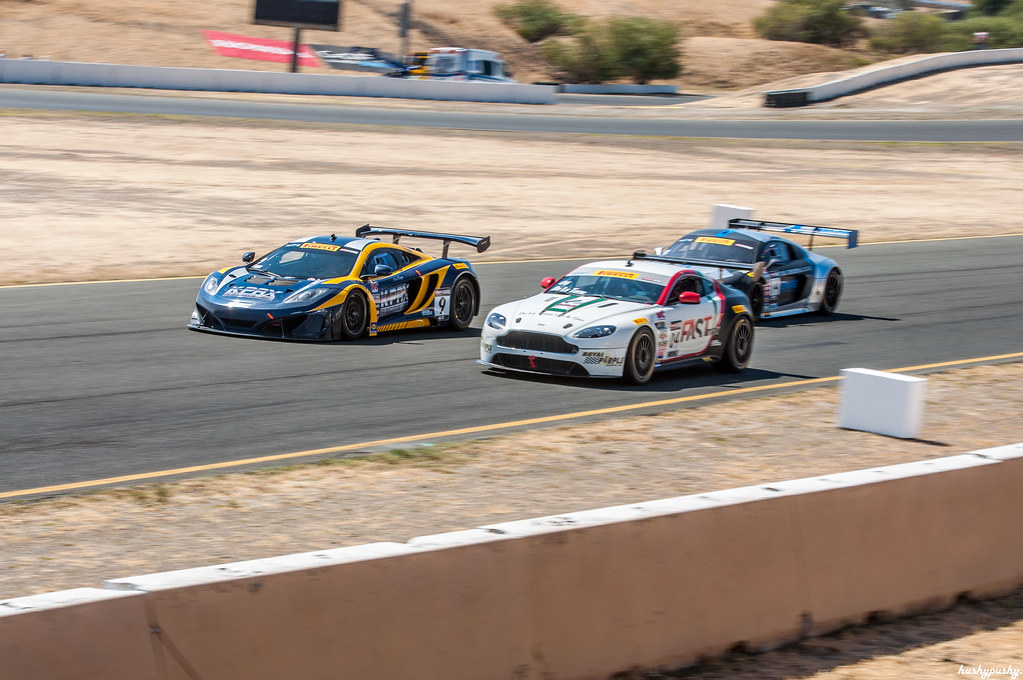
Some people bemoan the changes made in recent years, but I think they’ve had an awesome result. The racing hasn’t gotten any less exciting and the top class of cars is now purely exotic.
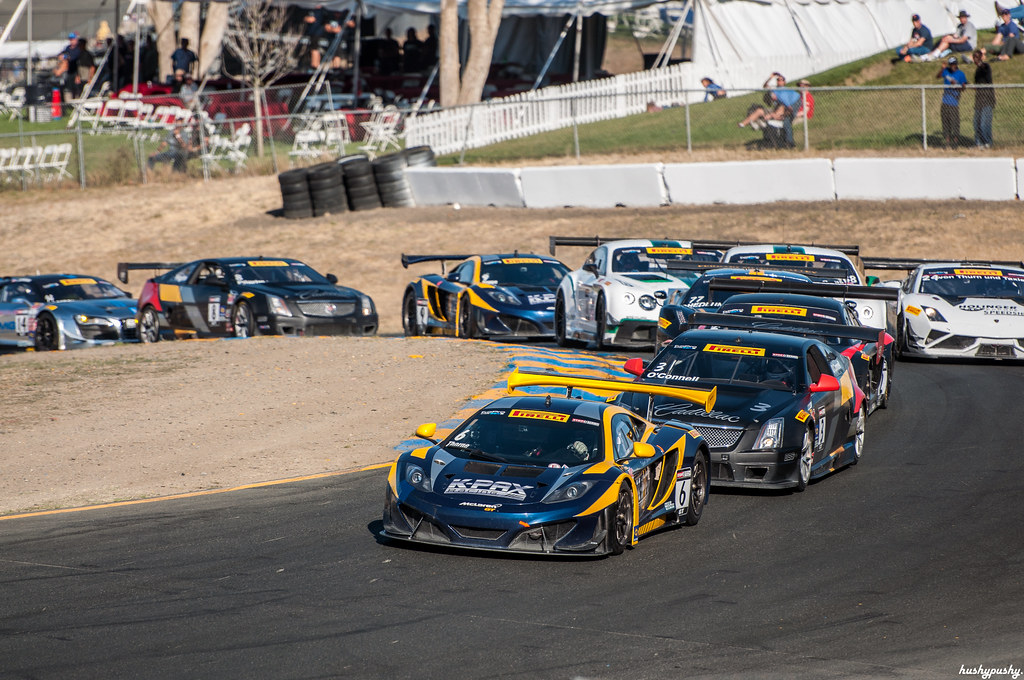
Another restart, and I see McLaren, Cadillac, Bentley, Lamborghini, Ferrari, and Audi battling together. And that doesn’t even include the Corvette, Aston Martins, and 911 that also compete.
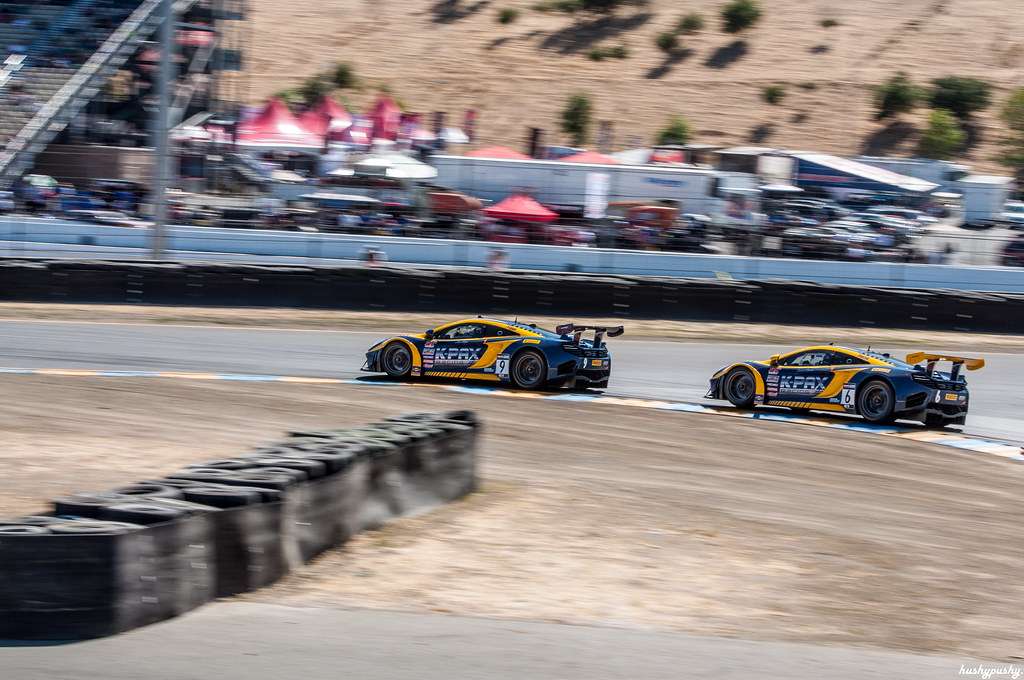
I didn’t see the guys running nose-to-tail very often, but I made sure to snap it when I did.
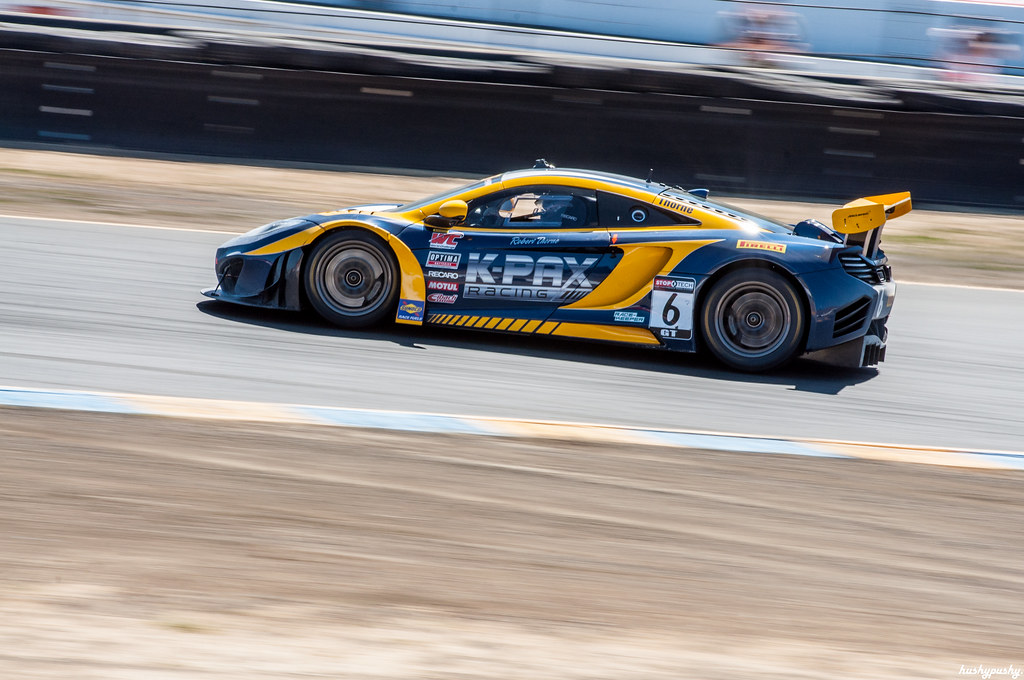
To be honest, I was never really a fan of the K-PAX livery on their Volvos. I always liked the colors, but when I looked closer at the implementation, it was always a little haphazard.
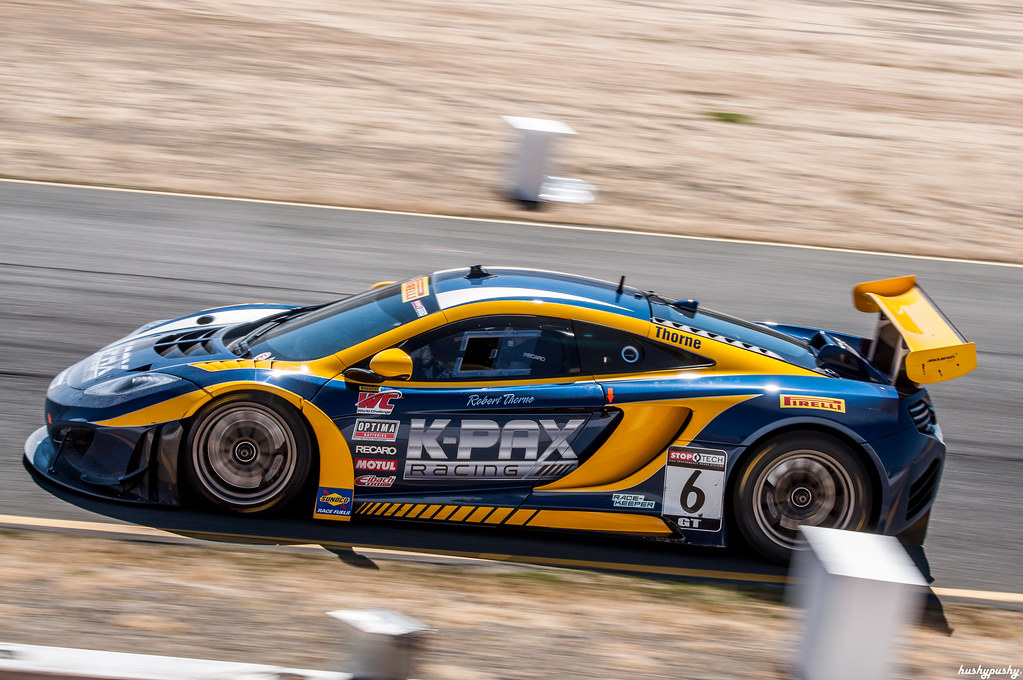
But on the McLaren? Wow, what a difference. I love how the yellow accents flow with the lines of the car, giving a 60’s vibe with how they curve around.
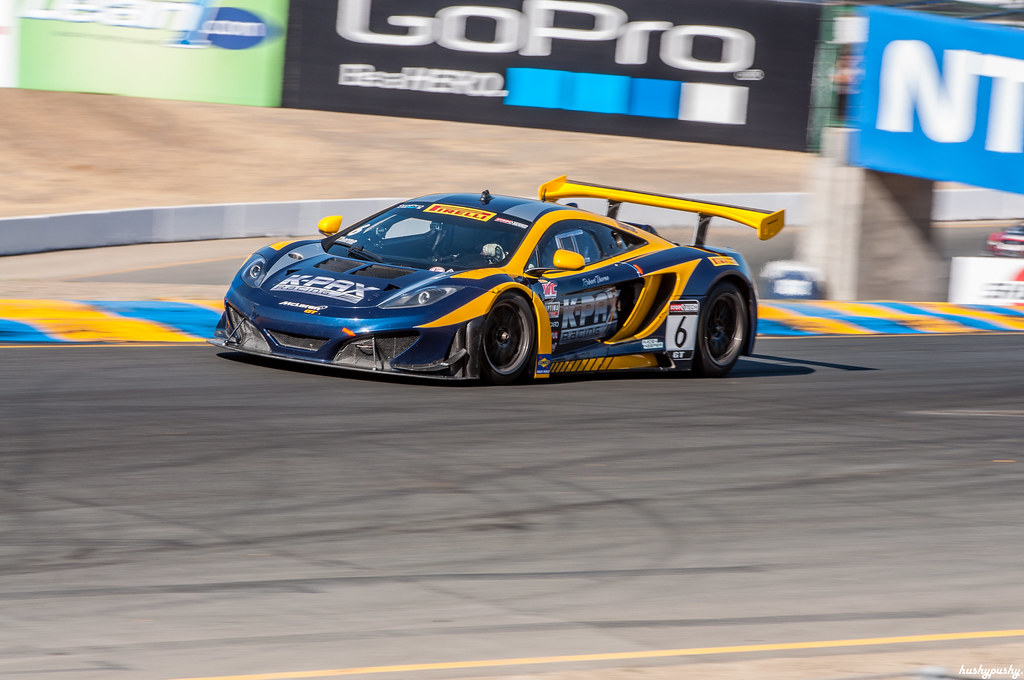
Will K-PAX switch to the new 650S? I wonder how they’ll integrate their livery on that front.
If you haven’t noticed, the major difference between the two cars is the wing: Alex Figge’s #9 has a blue wing, while Robert Thorne’s #6 has yellow.
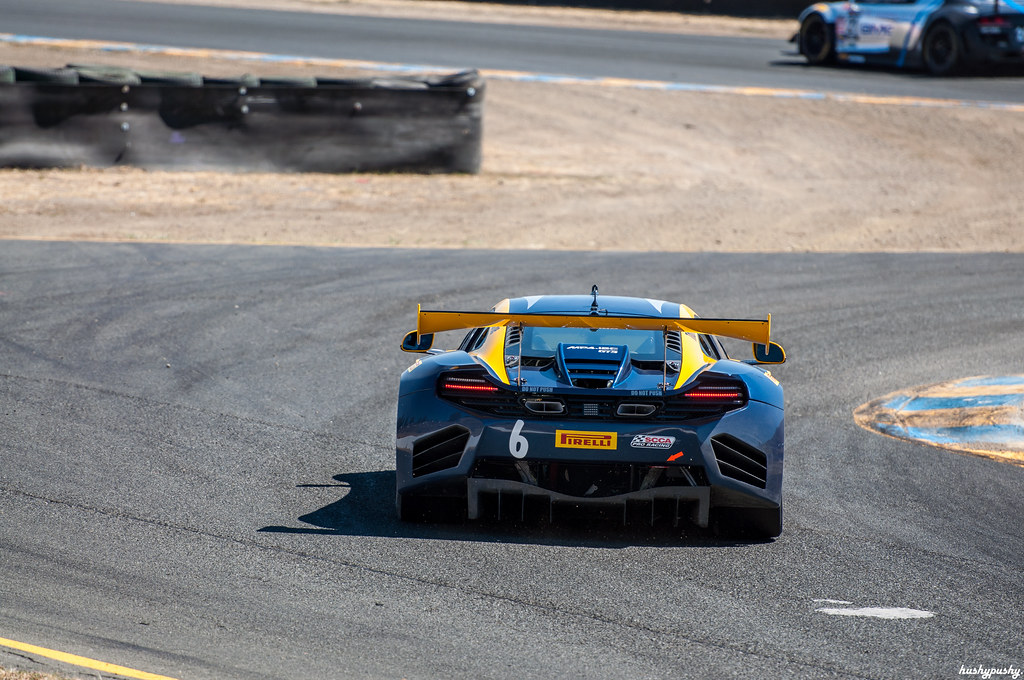
Another thing: all the McLaren race cars get Euro-spec tail lights–only the single line lights up for brakes, as opposed to the US-spec where both lines illuminate. I wonder why there’s a difference? Usually the European version is what the designer intended, and the North American version is crippled by the US Department of Transportation, but I’m not sure what the deal is here.
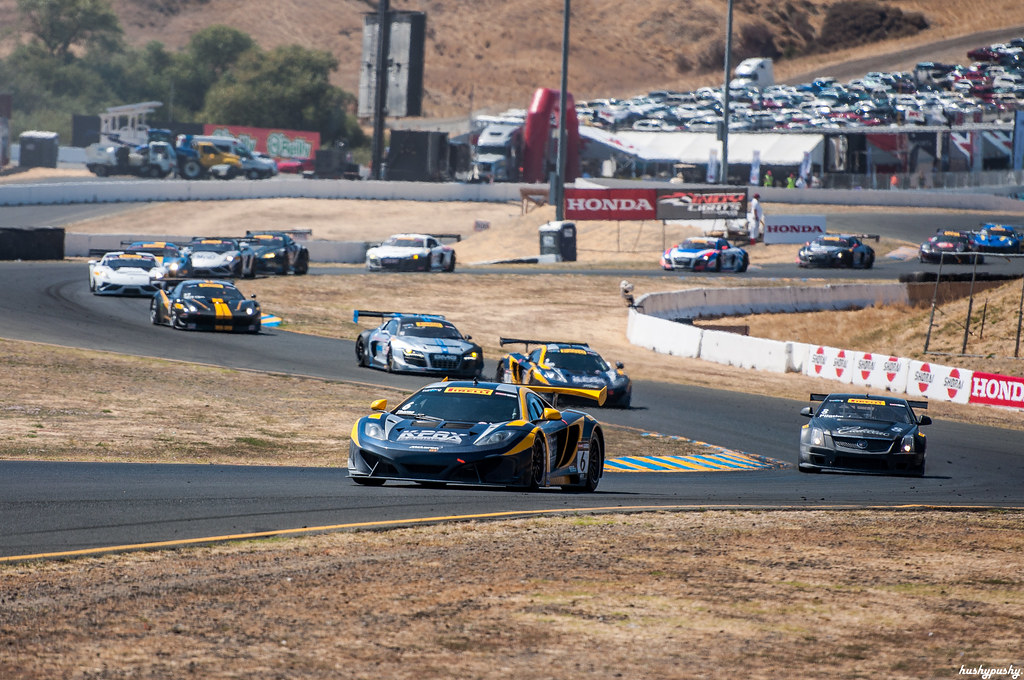
If you want to see supercars going head to head, do yourself a favor and catch one of these races–you won’t regret it. In my next post, I’ll highlight a bit of the variety that can be seen out there.
A Touch of Class: Back from Black
There are certain materials we tend to associate with motorsports: various metals or alloys like aluminum, Inconel, or titanium; polymers like fiberglass, Lexan, or carbon fiber; and of course petroleum-based products like fuel and lubricants.
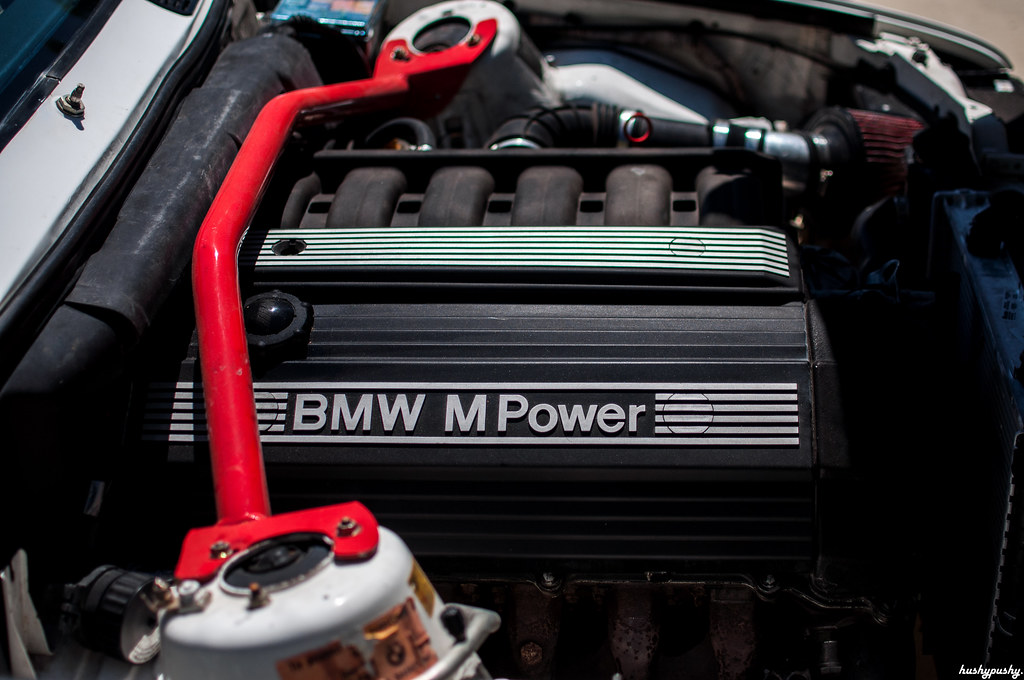
But what about chrome? When was the last time a part on a racecar was covered in chrome?
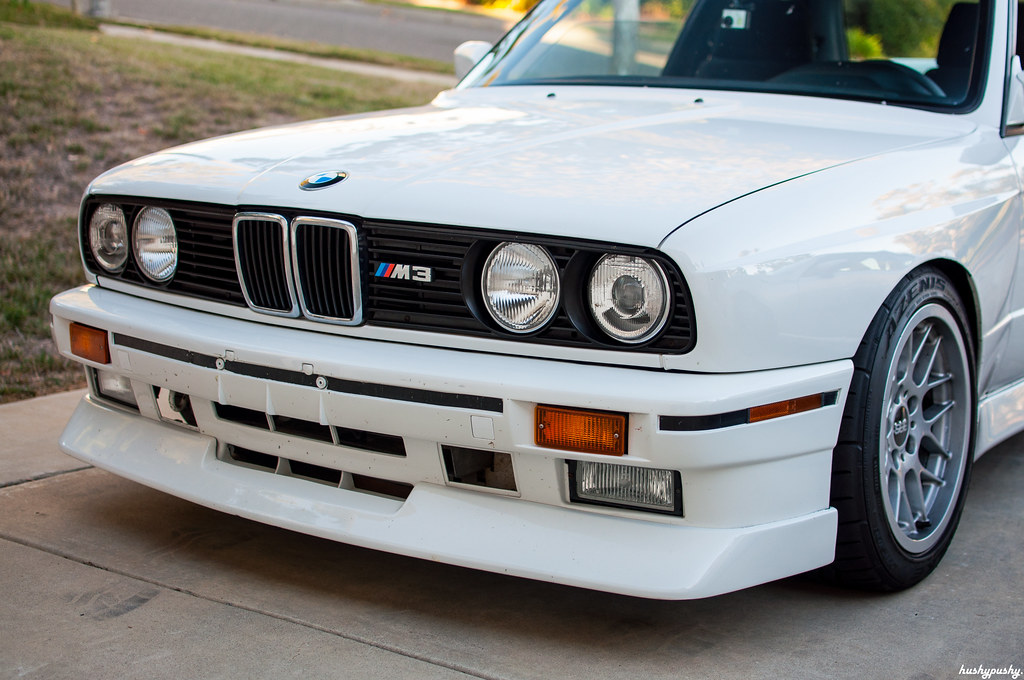
That’s exactly the point: it’s been a while. Since approximately the heyday of the E30 M3, in fact.

Okay, that’s not my photo, but it illustrates the point clearly: chrome kidney grilles.
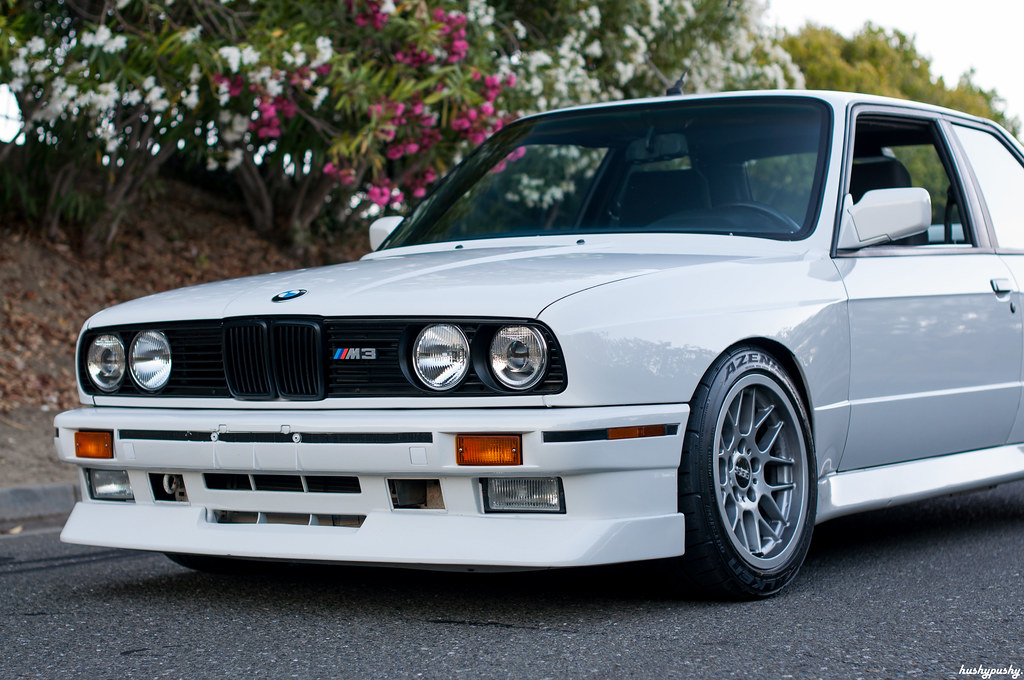
Blacked out seems to be the choice for a sporty look, perhaps helped by BMW’s own “Shadowline” trim option, which swaps out the shiny trim for piano black versions.
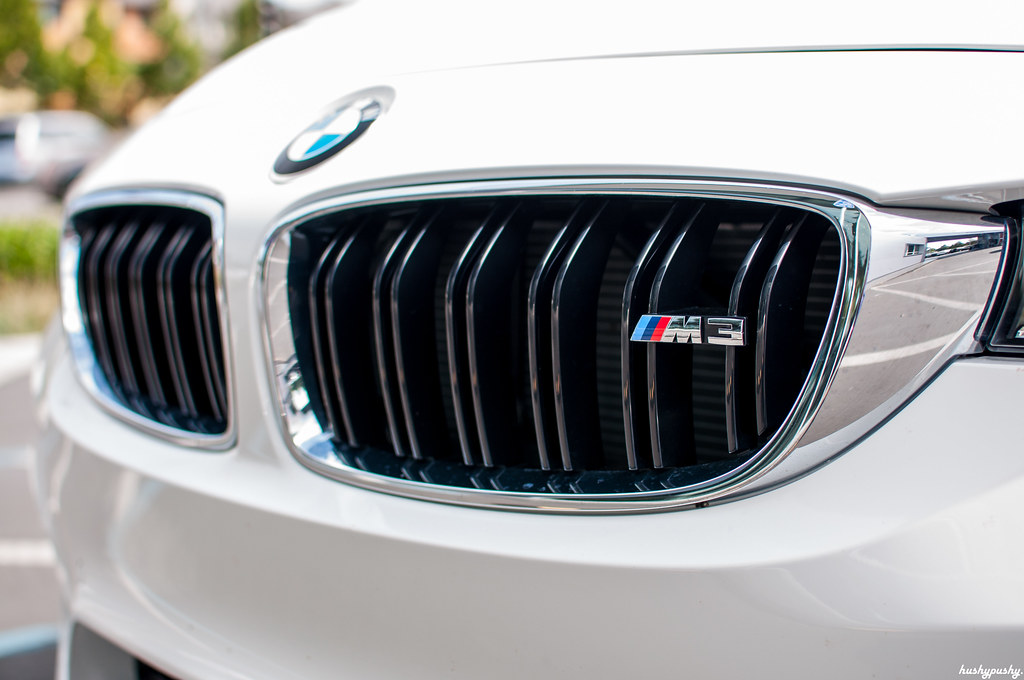
In fact, BMW themselves have also made black kidney grilles over the years, something which I can’t ever see them stopping since they’ve proved incredibly popular. Personally, I prefer the black grilles on an E36, E46, or E90/92, but I think the ‘bread’ at the end of the M3 sandwich–the E30 and F80–look best with chrome grilles. In fact, with the latest edition, I think the M3 needs black grilles less than ever.
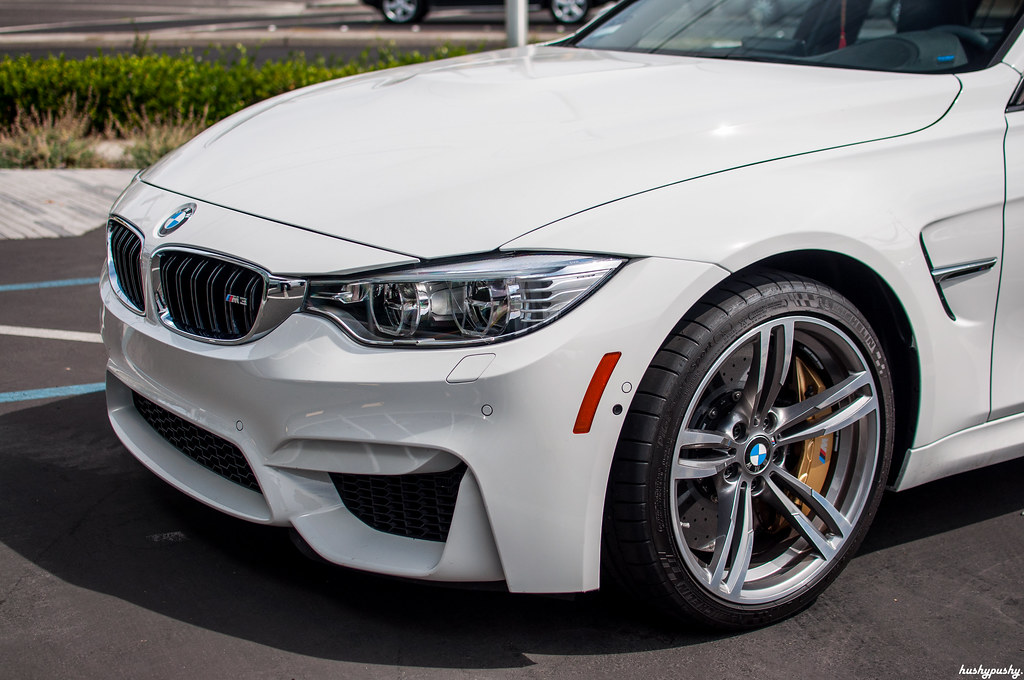
The main reason is the new headlight design, which connects right up to the kidney grilles, a first in BMW’s long history. Something about the intersection of headlight and grille just feels right to me with a chrome surround; there’s a continuous flow between the chrome surrounded black grille and the chrome festooned black-housing headlights.
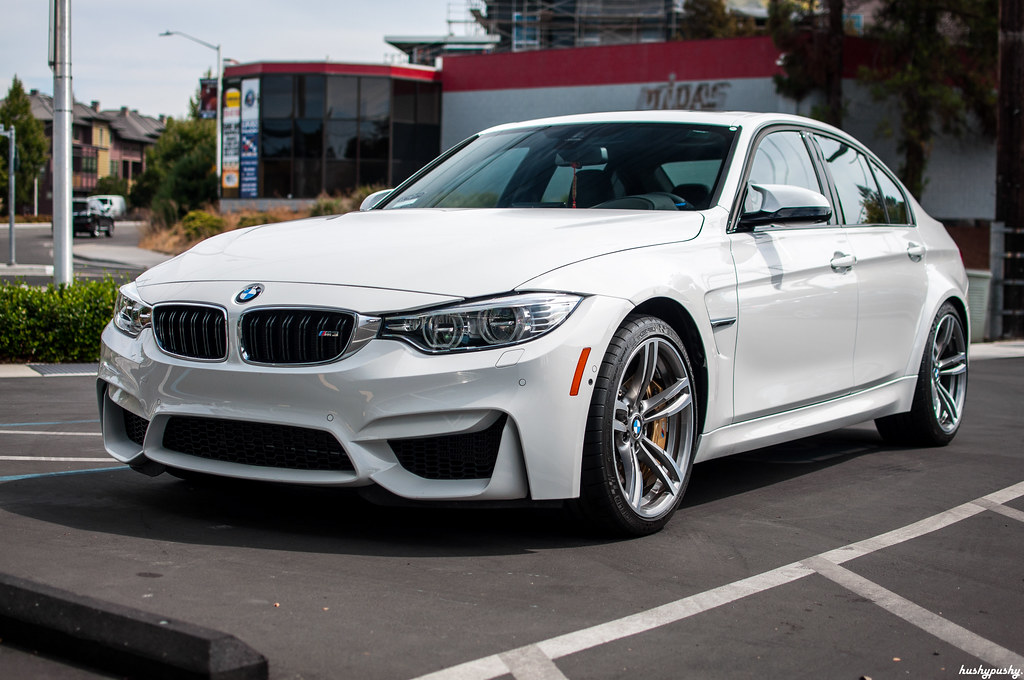
The flappy, wild front end is still growing on me, though. I never fully embraced the 1M front and the same design language seems to be back with a vengeance. At least you could never accuse it of being milquetoast.

If you love the 80’s, then there isn’t much explaining to be done. But for those of you still wondering what the big deal is, compare the F80’s wild organic flanks with the boxy simplicity of the E30. Night and day. I liked it better at night…

Speaking of the 80’s, whatever happened to pop-out windows? By 1990 BMW had decided not to offer pop-out windows anymore (which had previously been standard equipment in the US market), but quickly realized the error of their ways: they returned on the E36, and were even kept on the E46 chassis, well past their prime in the marketplace.
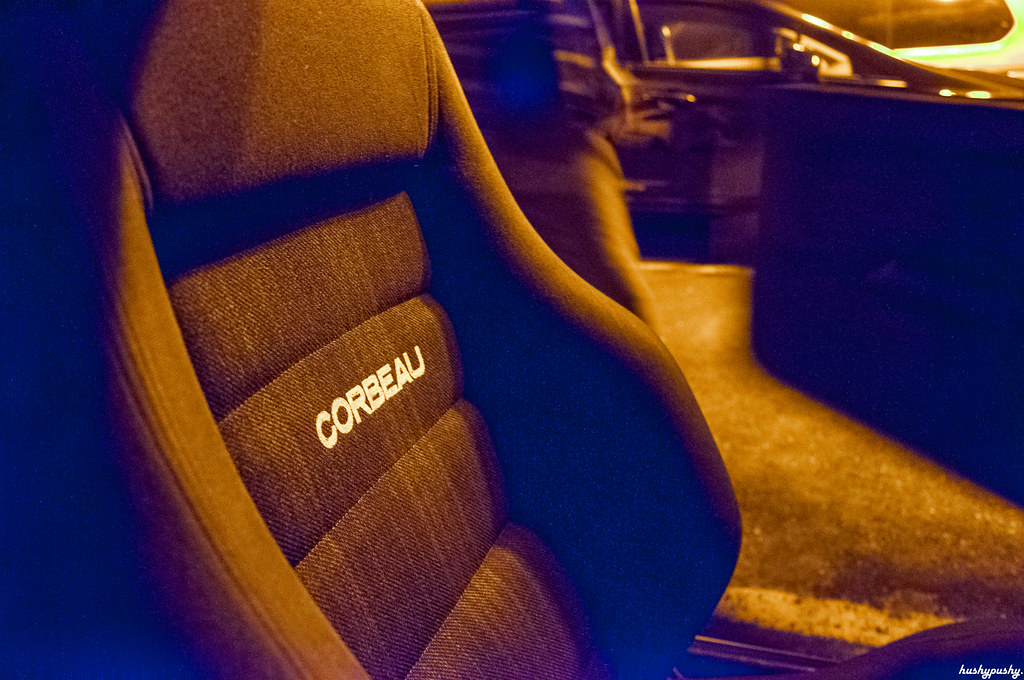
Night time in the 80’s? Let’s go for a Drive…
Indy Flames

They call this series “Indy Lights”, but the only real lighting I can see…

…is of the unburnt fuel in the exhaust!

Once I saw the flames, I moved into position and paid attention to whose 3.5L Nissan V8 was running nice and rich. Some cars never showed a hint of flame, while others launched a full-blown fireball assault.

Boom!

The ol’ Double Fireball. Good stuff.


 Star Road