
Meeting of the P1’s
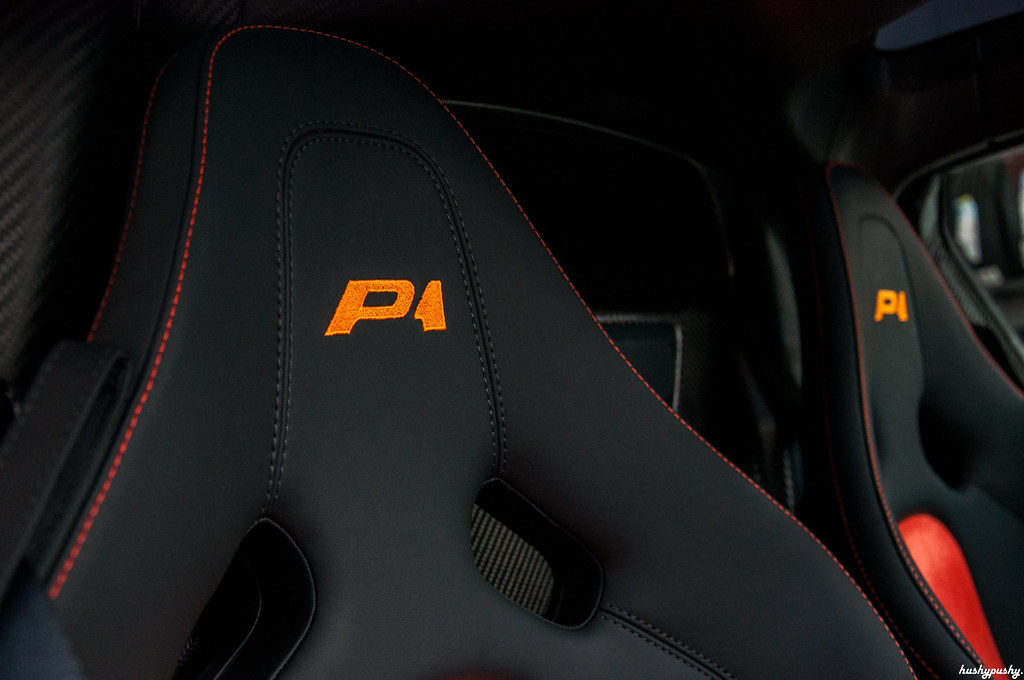
The paradox of hypercar ownership is that exclusivity is ultimately a factor in their desirability. This has a negative effect for some of us, the so-called bystanders, who might even be satisfied with simply seeing some of these machines in real life.
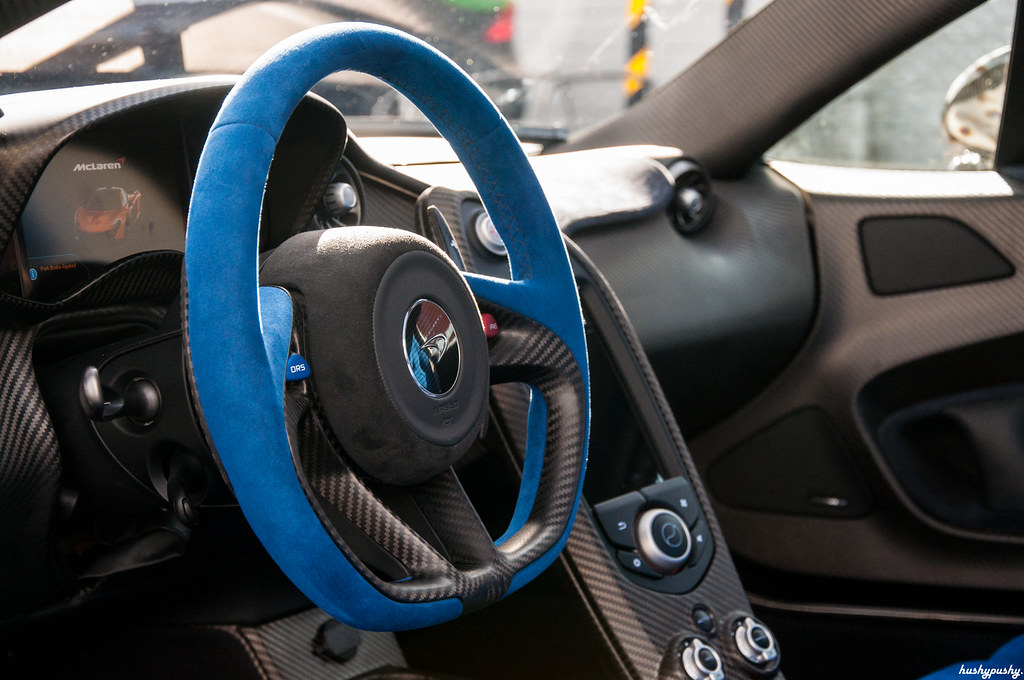
But on the other hand, for the lucky 375 people who actually do have (or are waiting for) a McLaren P1 right now, the exclusivity means that ownership is automatic entry into The Club.
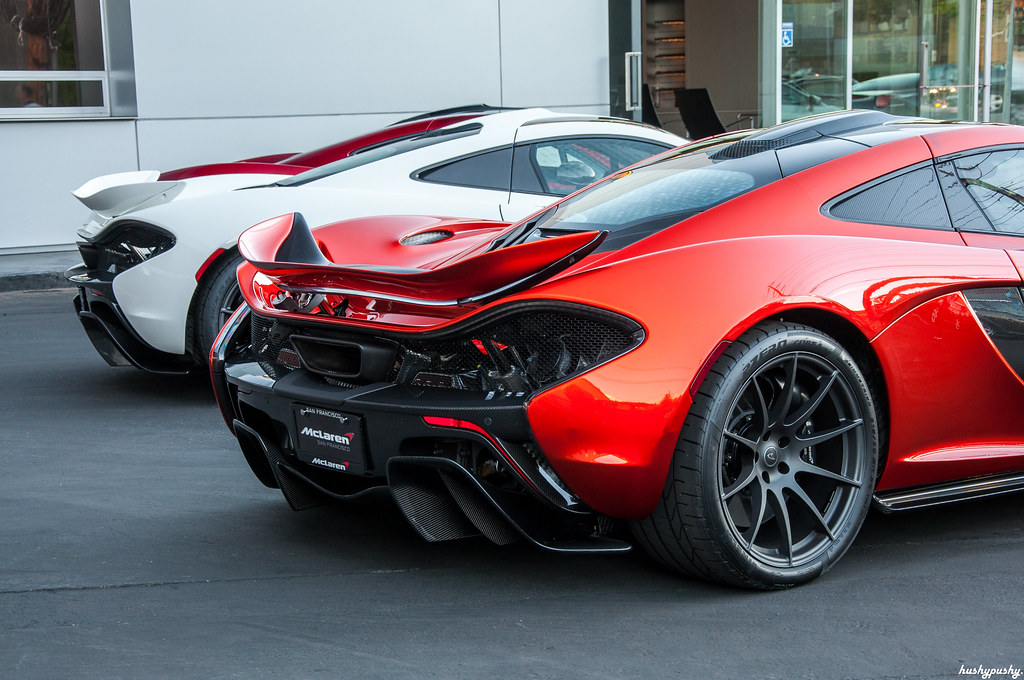
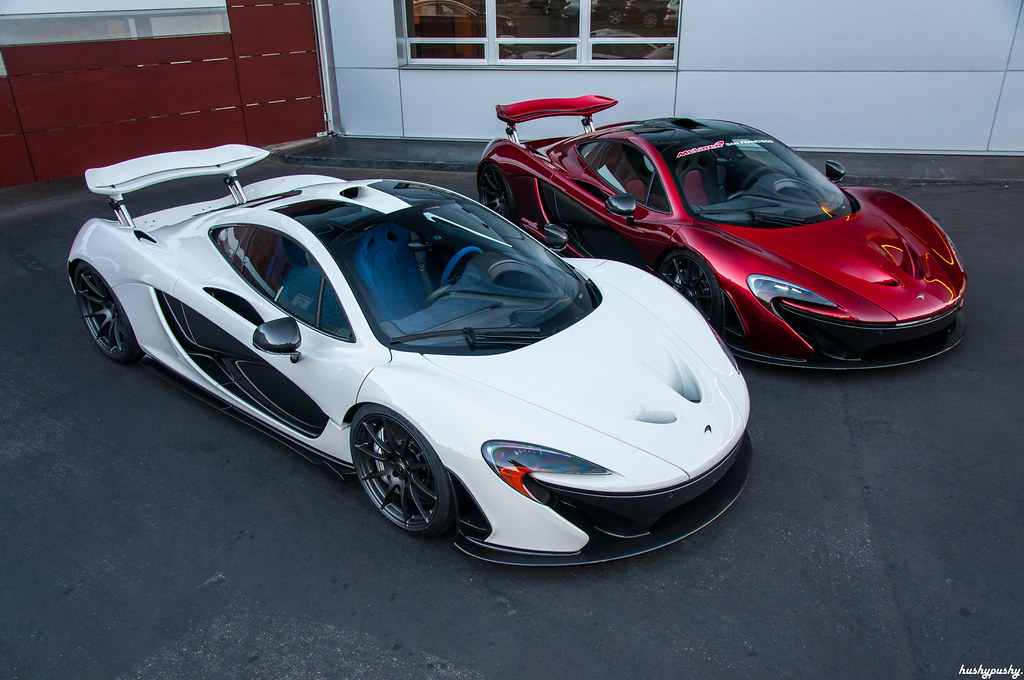
So when Mr. Orange came out to pick up his car and noticed Mr. White was seeing his car for the first time, a photoshoot was suggested and Alan–the cool cat you can find in the McLaren building a few days a week (when he’s not wrenching on race cars)–graciously obliged by bringing out McLaren San Francisco’s Volcano Red P1 to join the fun. Cars were arranged…

…and then wings were raised…
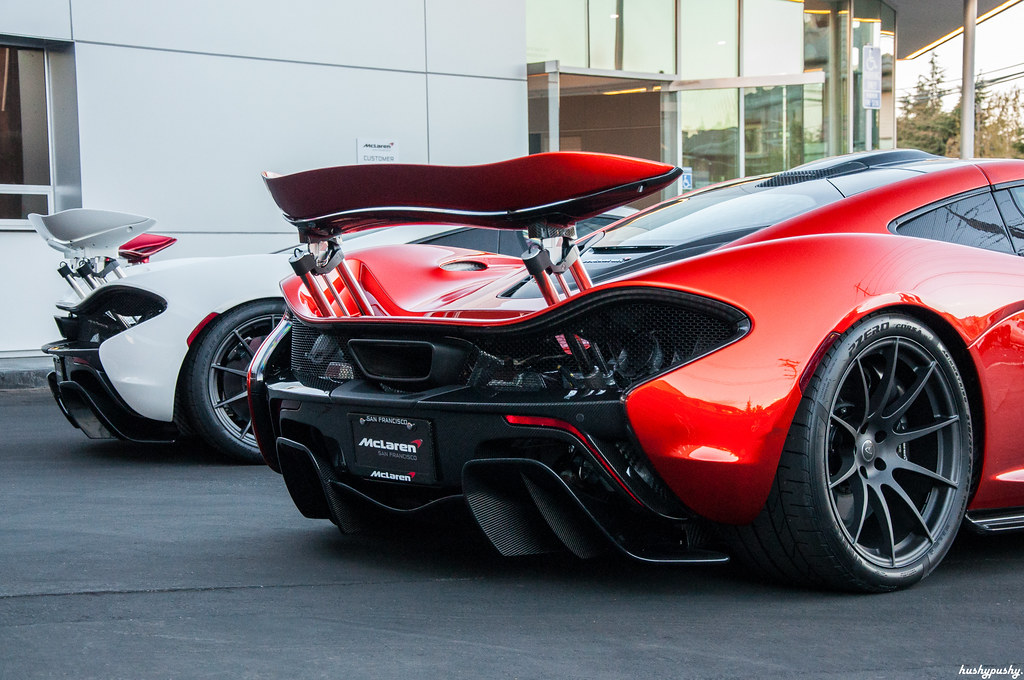
…as everyone settled into Race Mode.
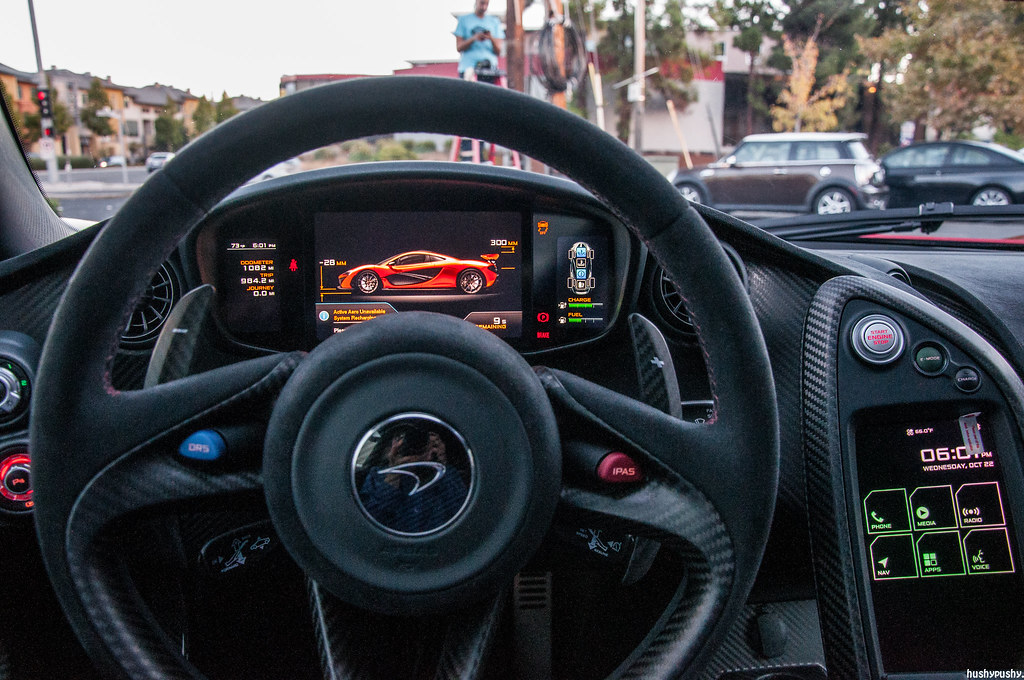
And of course I volunteered to be the one to do it for the dealership car!
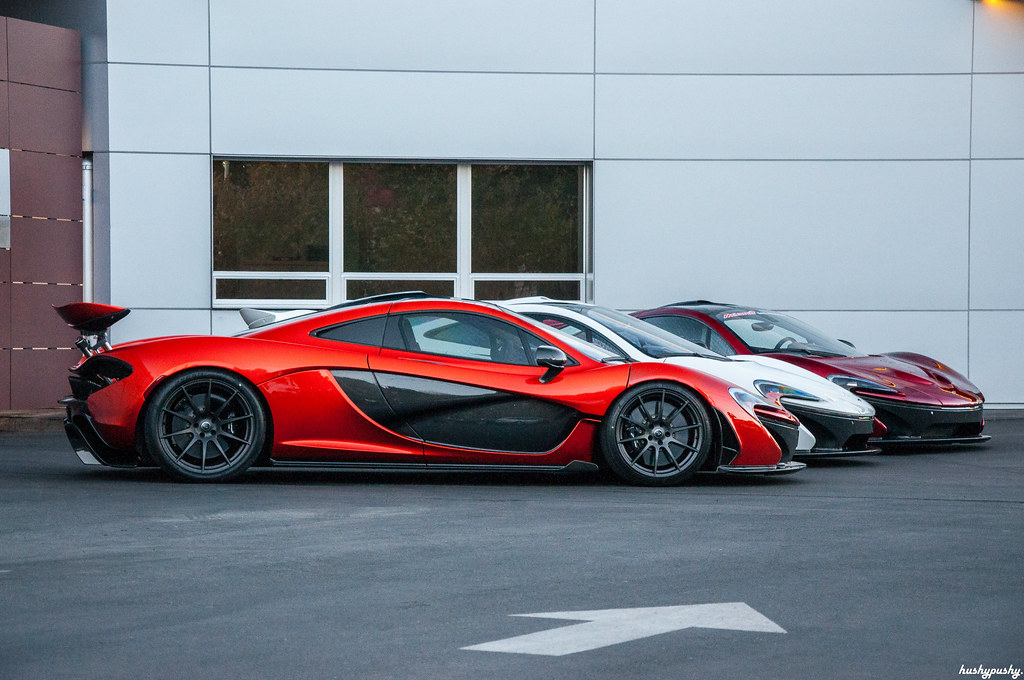
If you’re wondering why most photos are in this direction, there is one unfortunate distracting answer.
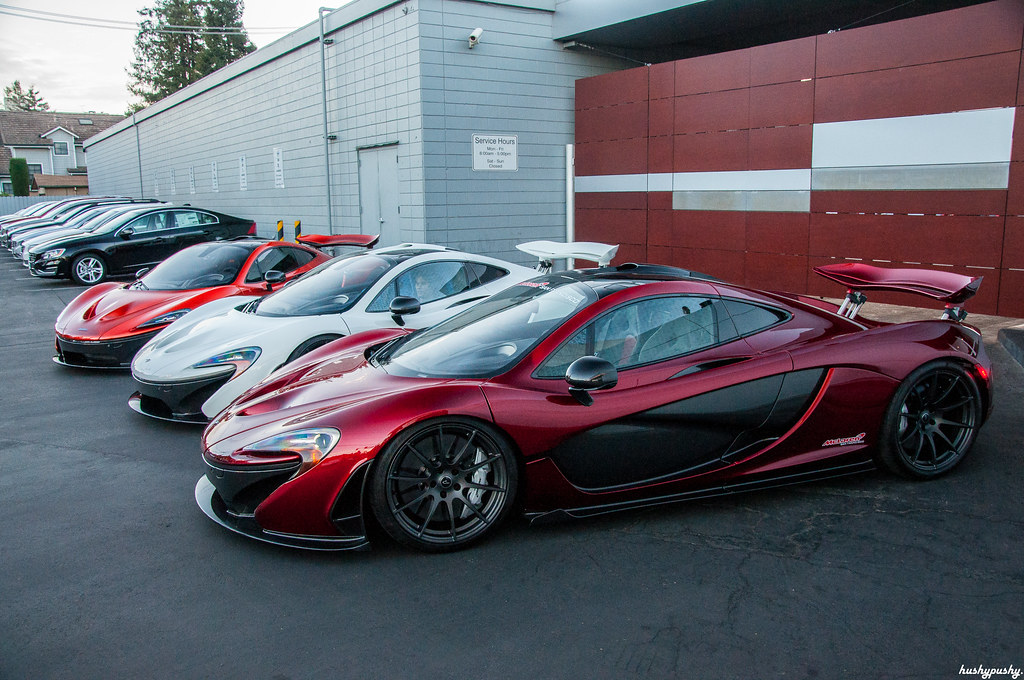
Those Volvos! Oh well.
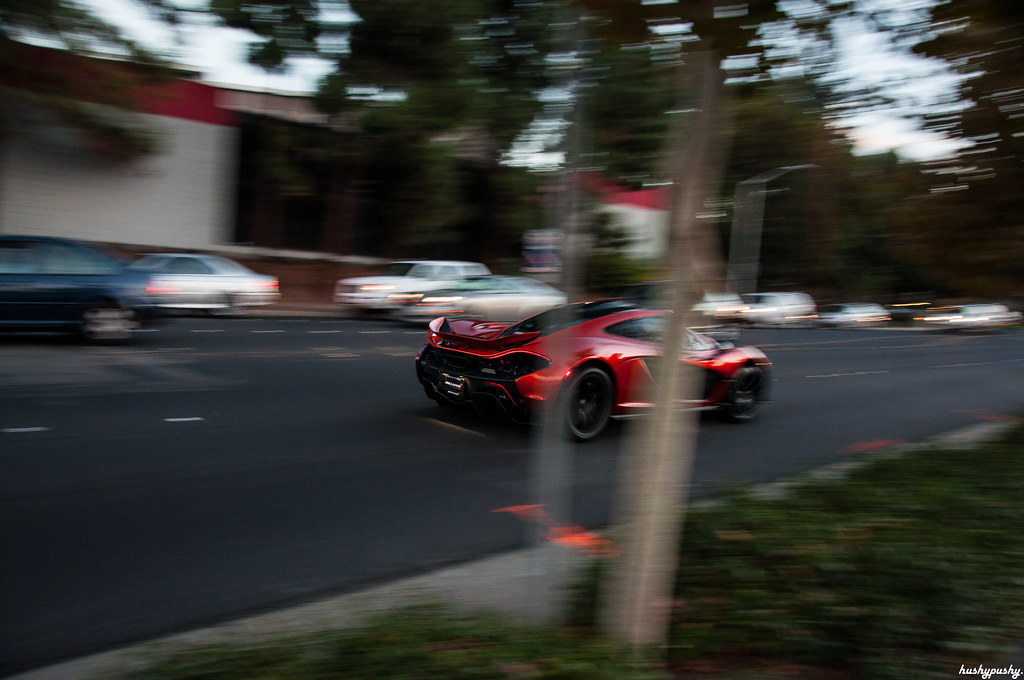
With the sun receding, Mr. Orange lowered wing, lifted chassis, and took off like an orange demon at sundown.
I could read the writing in the sky. It was time to wrap up.
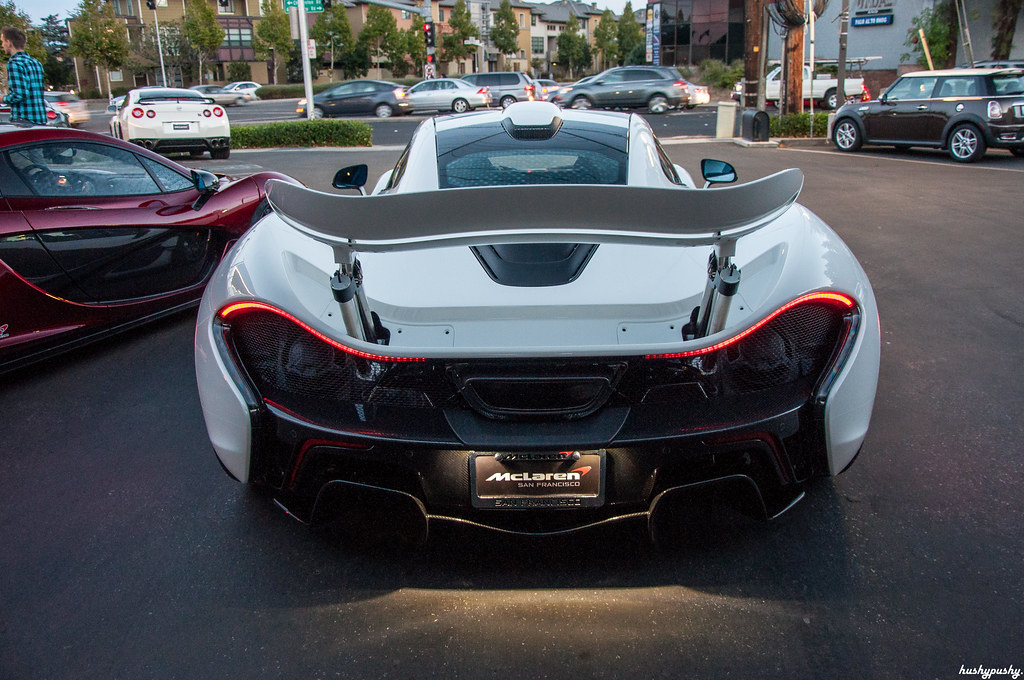
“Your P1 is ready for you, sir.”
Okay, now wake up! I’ll see you next time.
Little Winger

What are you looking at? Rather, what’s looking at you?

Well, if start to make your way around back to that endplate-less rear wing, you’ll get your answer–a few times.

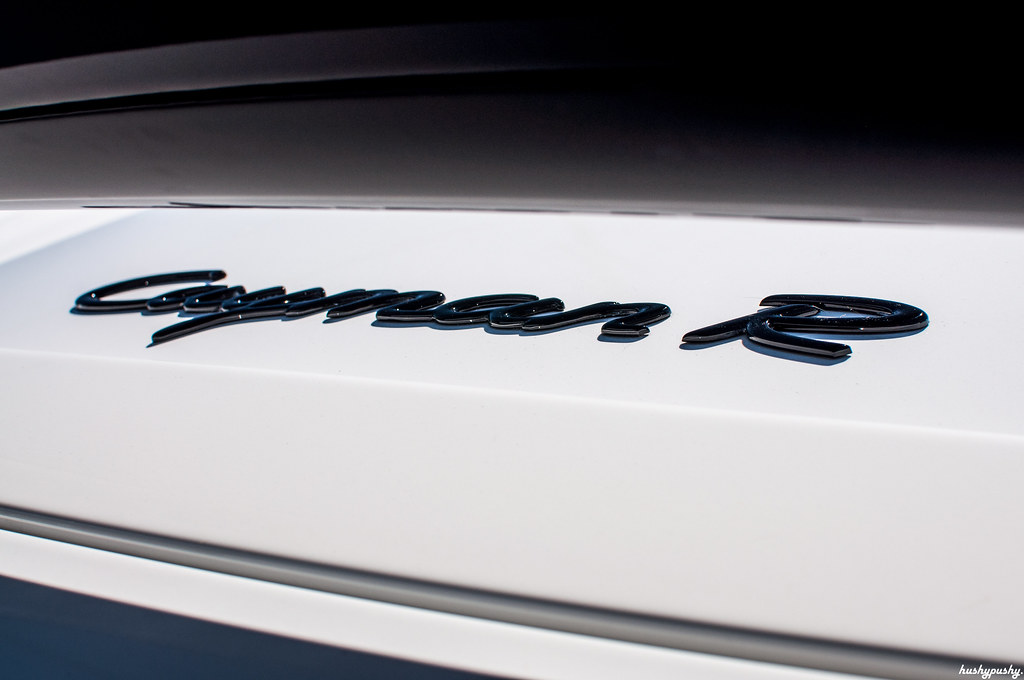
Cayman R. Did you know that they have aluminum doors?
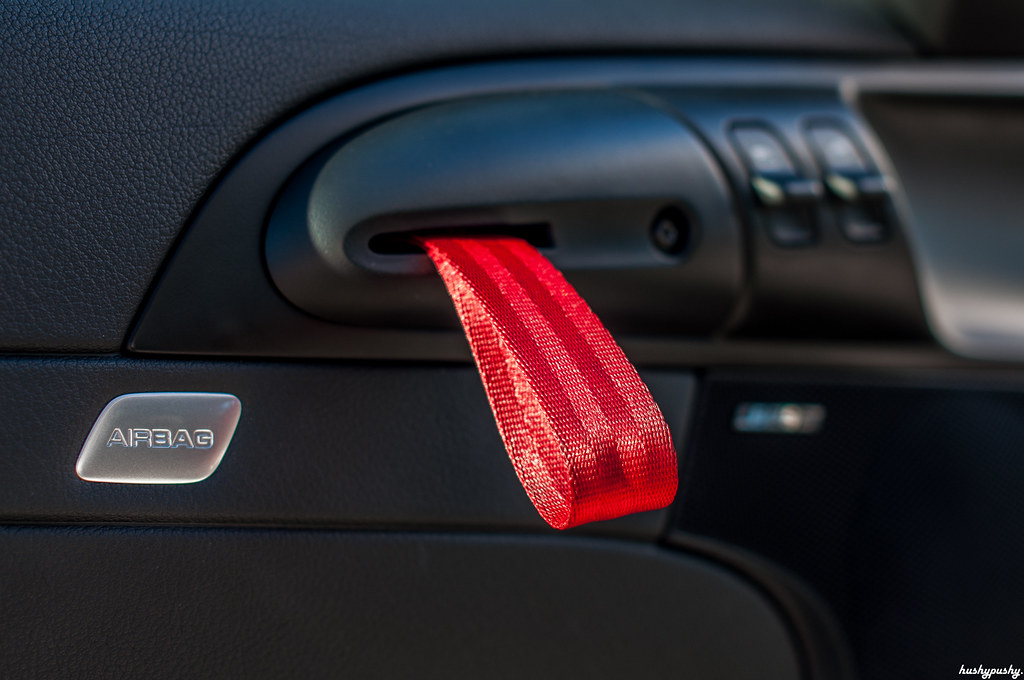
They also have straps where you’d normally find a door handle. Not sure how much weight this saves, but it definitely seems badass. Besides these additions, a few subtractions, and a slight bump in power, that’s about all the Cayman R has over the S model.
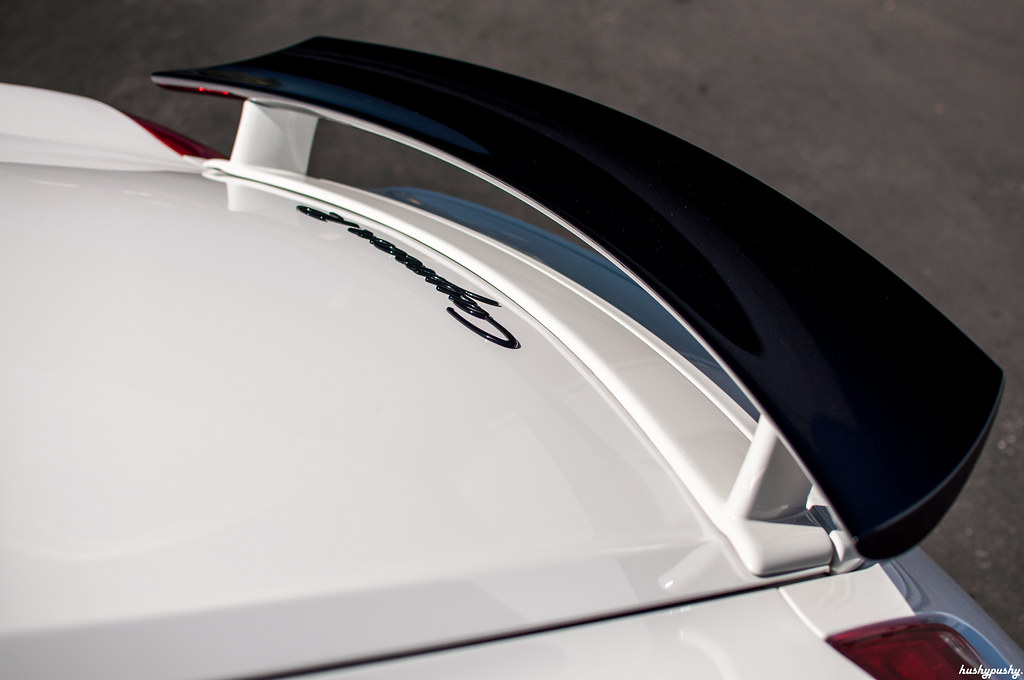
For something with the letter “R” on the back, the Cayman R is a bit mild. Maybe the current generation will get an RS version? Wishful thinking, I know…
Variety in Motion: The Cars of Pirelli World Challenge

IndyCar is pretty cool. Not only do some of the best open-wheel drivers in the world race their Dallara DW12’s on ovals at over 230 MPH (that’s 370+ Km/h, if anyone from the rest of the world is reading this), they also bump it out over rough street circuits and even do some old fashioned road course racing, like here at Sonoma.
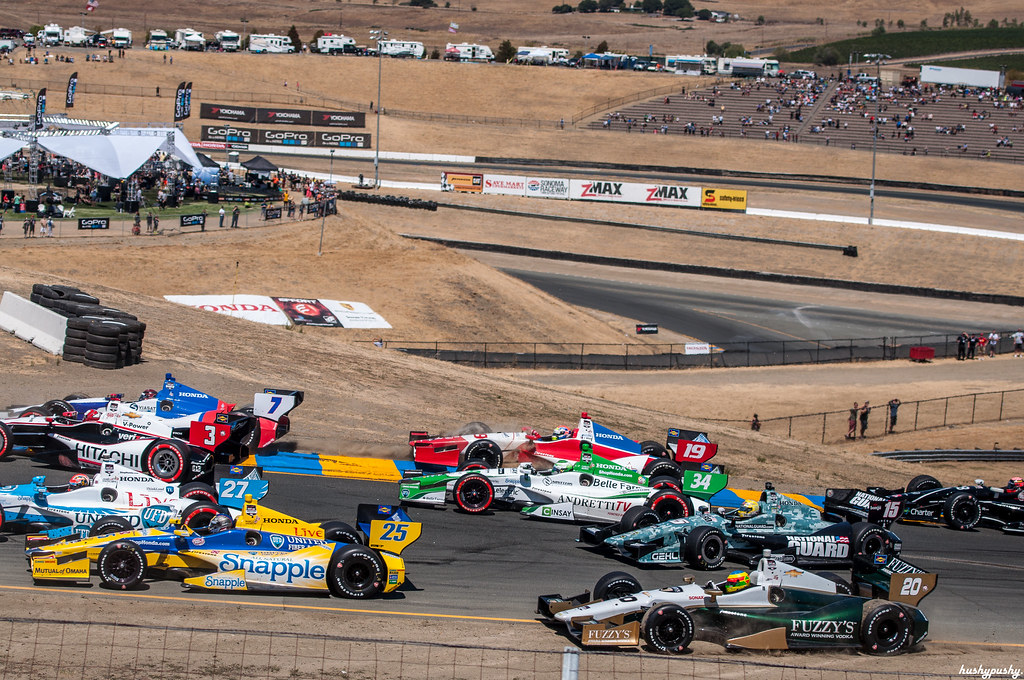
To me, there’s one big problem with IndyCar. No, it’s not the racing. The drivers are not afraid to go for it.
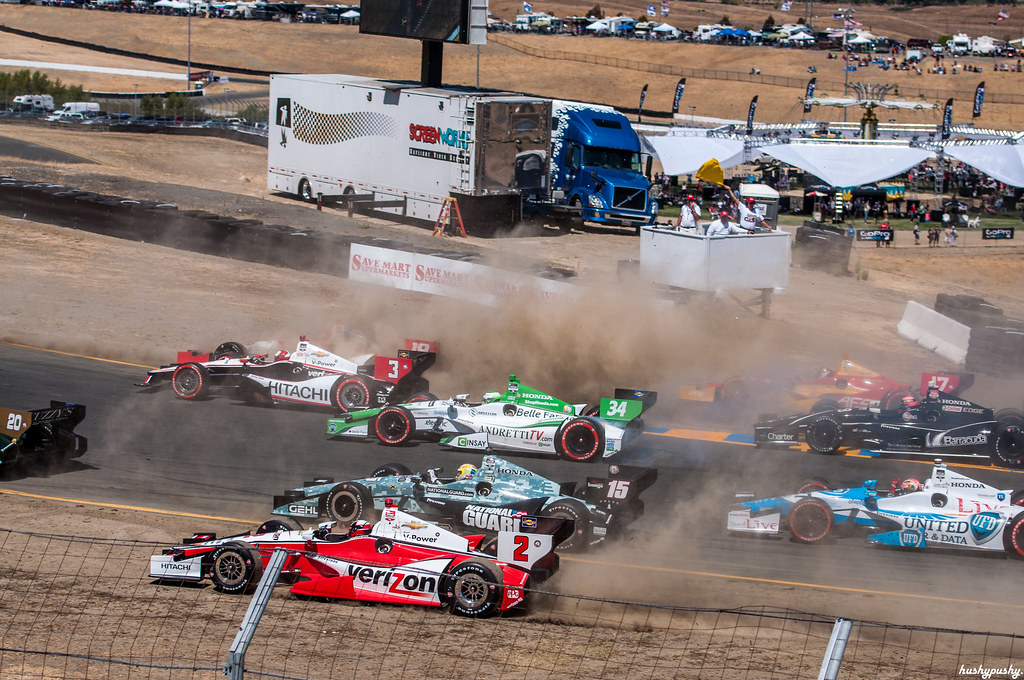
It’s the fact that all the cars are the same. Of course, that has its benefits: there are thirteen teams (Formula One has eleven) running anywhere from one to four cars for the season.
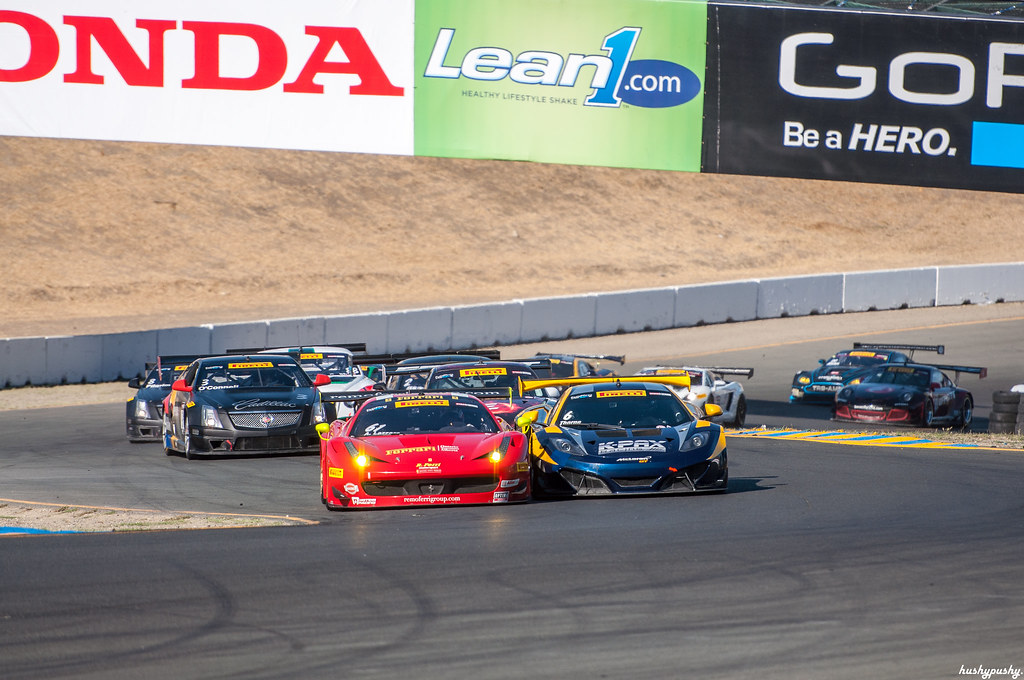
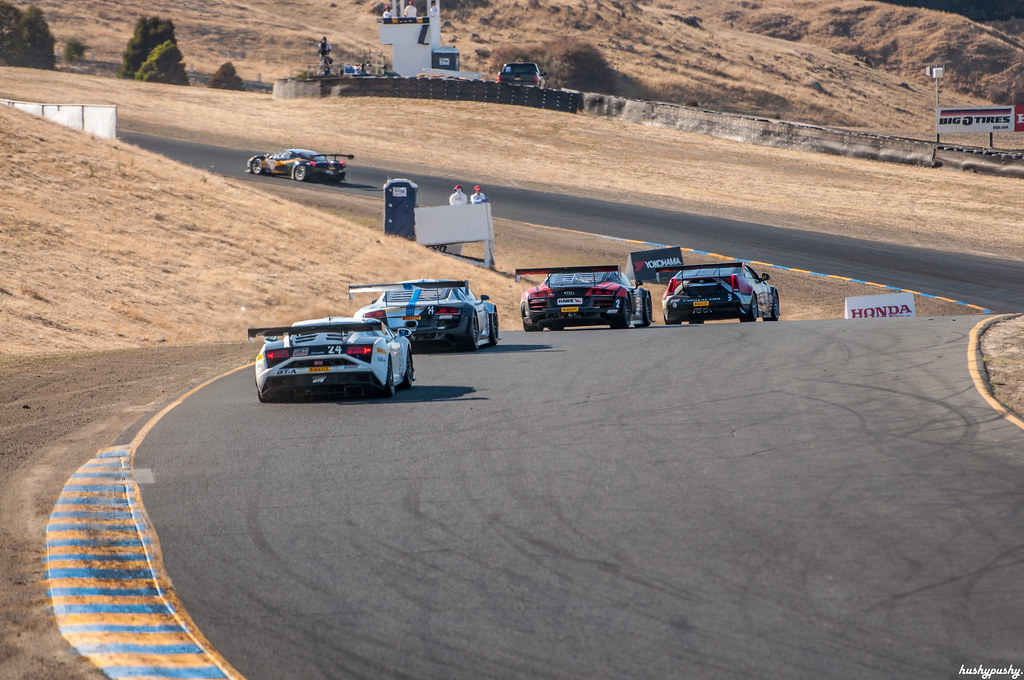
Although spec series like IndyCar produce great racing due to the relative equality of machinery, I still think it’s a lot more interesting when you have different cars battling it out on the track. Pirelli World Challenge is an excellent example of a series that manages to have a great disparity of makes and great racing action.
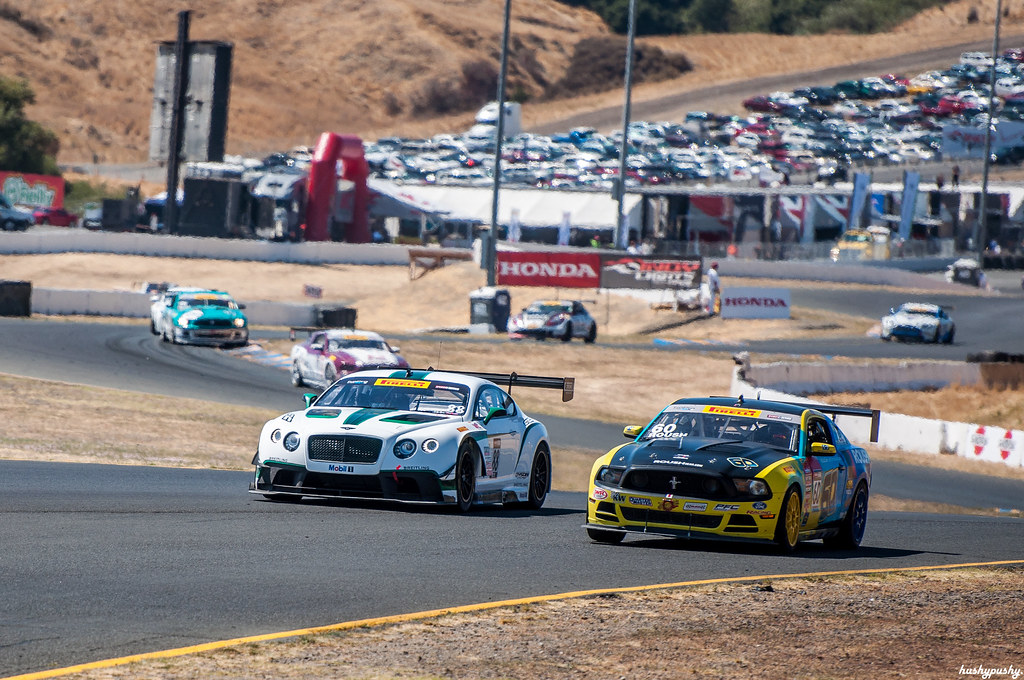
Don’t you want to see a Bentley Continental battling a Ford Mustang? By the way, that’s Jack Roush, Jr. at the helm of the Roush Mustang.
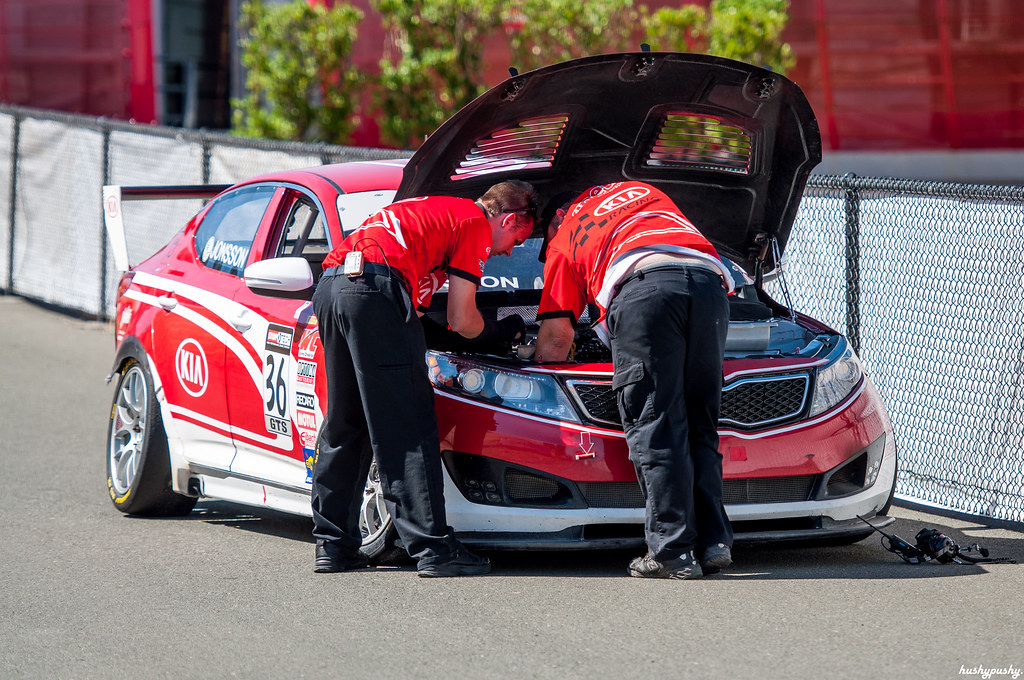
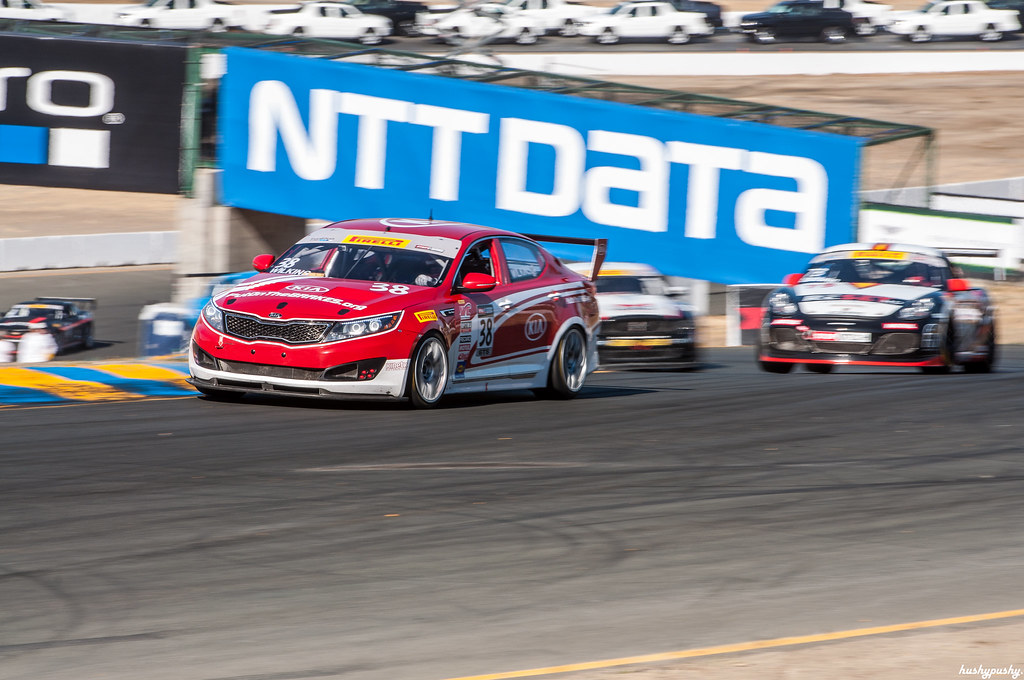
Speaking of odd choices, how about a Kia Optima? There was a pair of them in this race, running an amazing amount of rear camber.
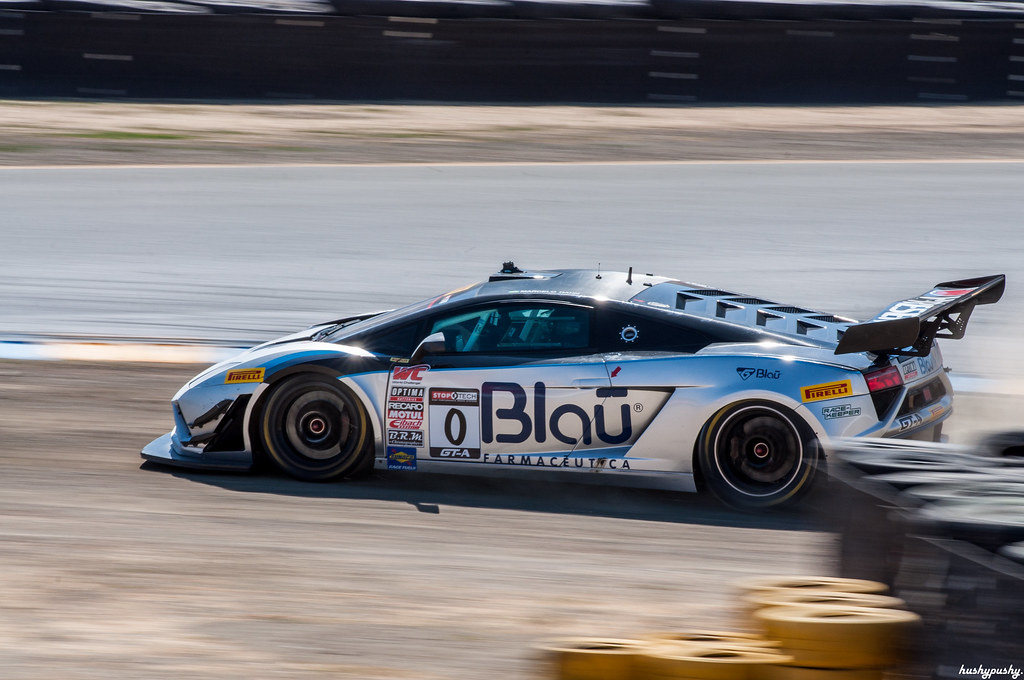
Given the choice, it would be natural to pick an Italian supercar like the venerable Lamborghini Gallardo. The Audi BS in the interior is stripped out, and you’re left with a screaming V10 and awesome rear louvers. How about that racecar suspension and aero, too?
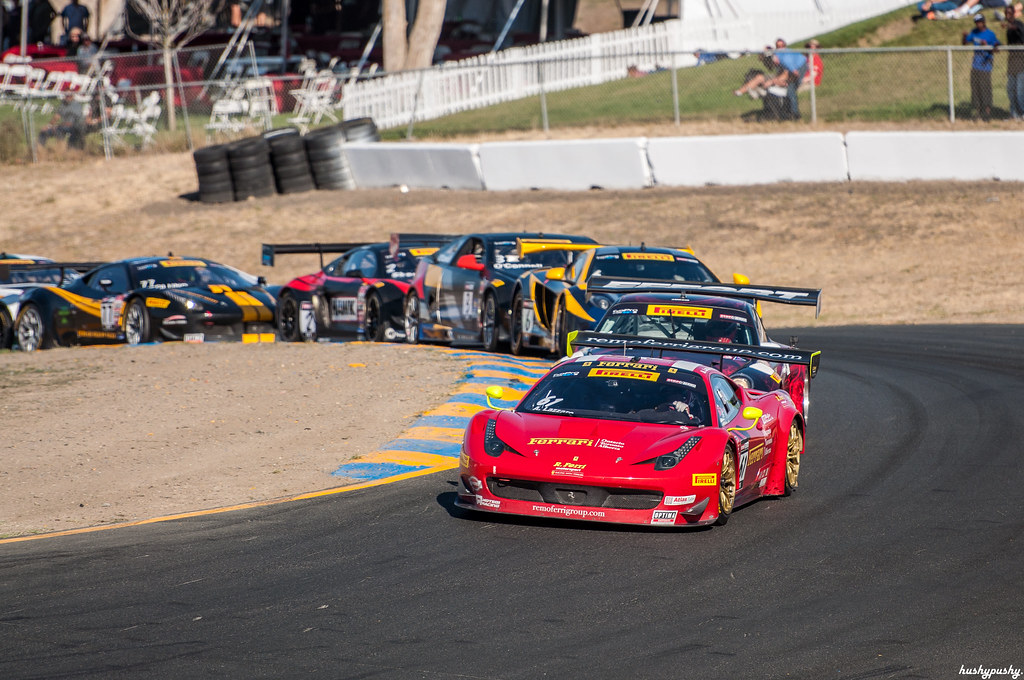
Of course, if you like Italian horses, why not go with the most famous prancing horse of them all? Anthony Lazzaro won Race 2 driving the #61 Ferrari 458 Italia you see here.

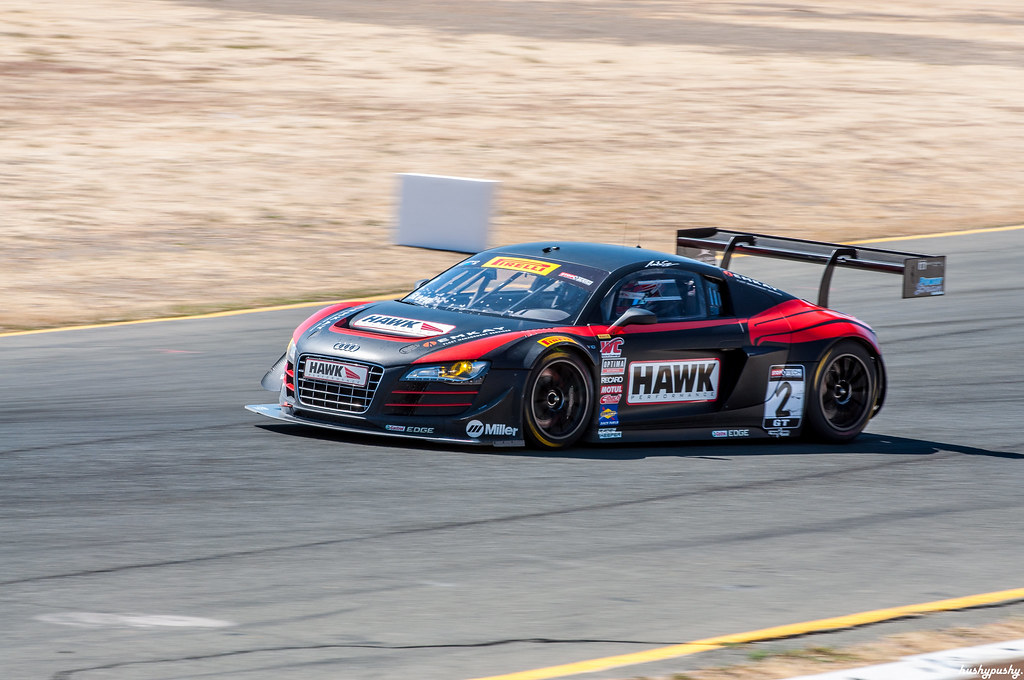
Speaking of winners, Mike Skeen in the #2 Audi R8–seen here battling with Johnny O’Connell in the #3 Cadillac CTS-V–was the winner of Race 1.
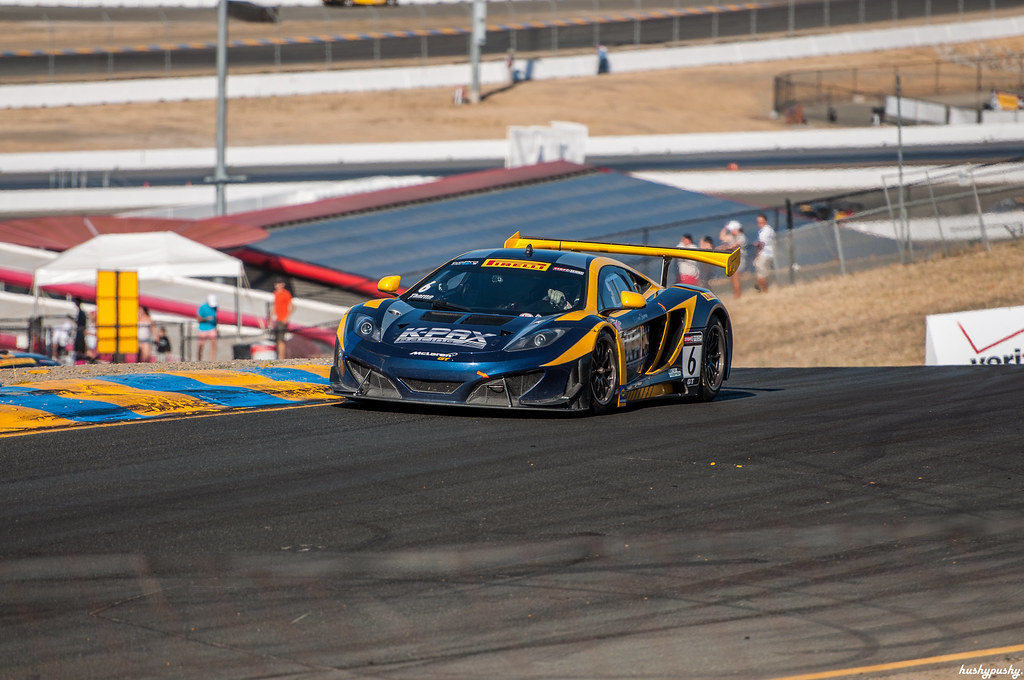
Another entry in the supercar wars is McLaren, of course.
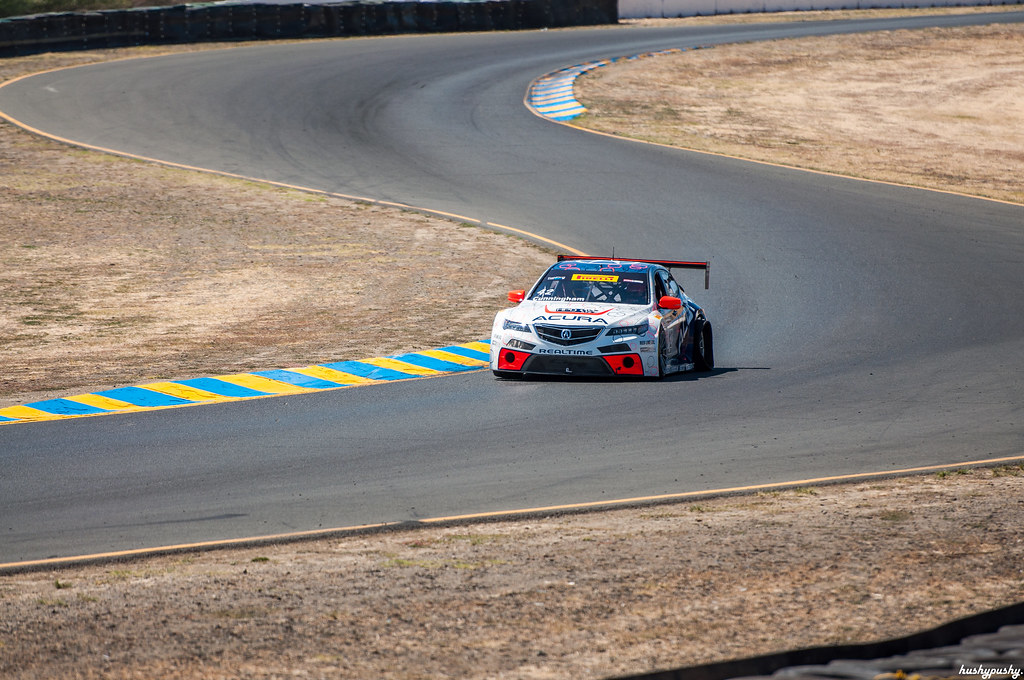
However, as much as I love those, I’m more intrigued by the weird side of the spectrum, like the TLX. Wait, what is up with that thing..?
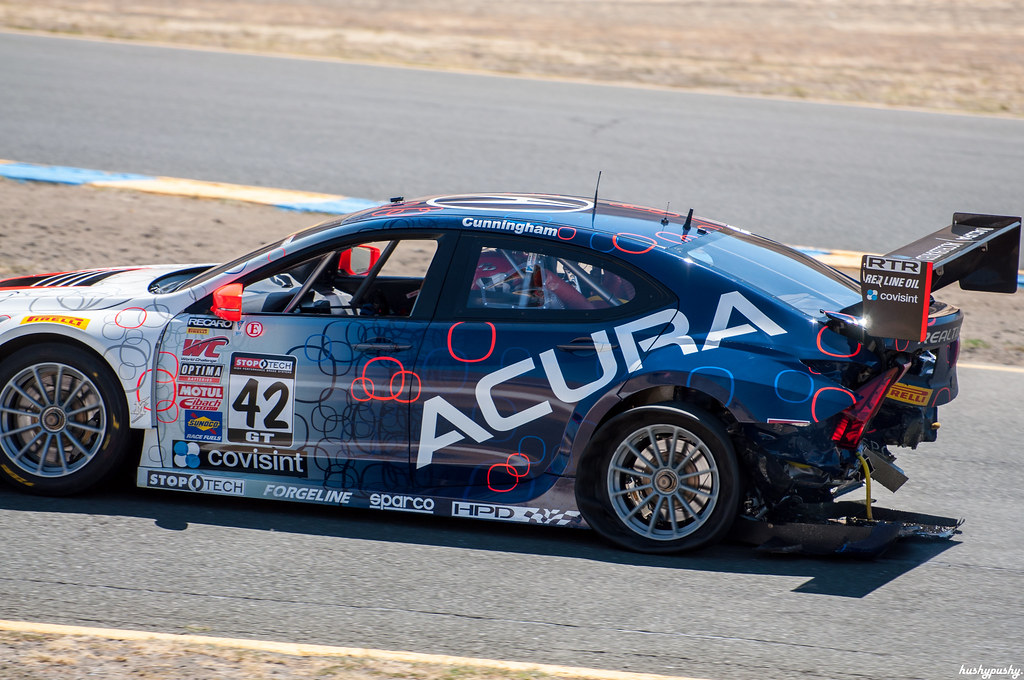
Damn. Apparently the driver (Peter Cunningham) stalled the car when the green flag (light?) dropped, and got rear-ended. Bummer.
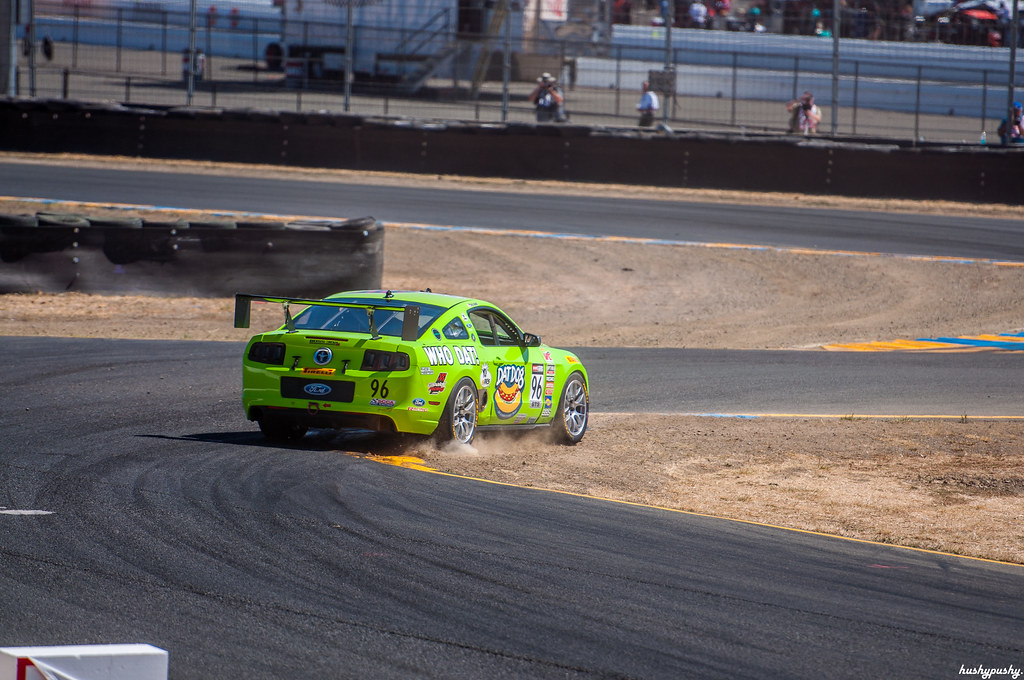
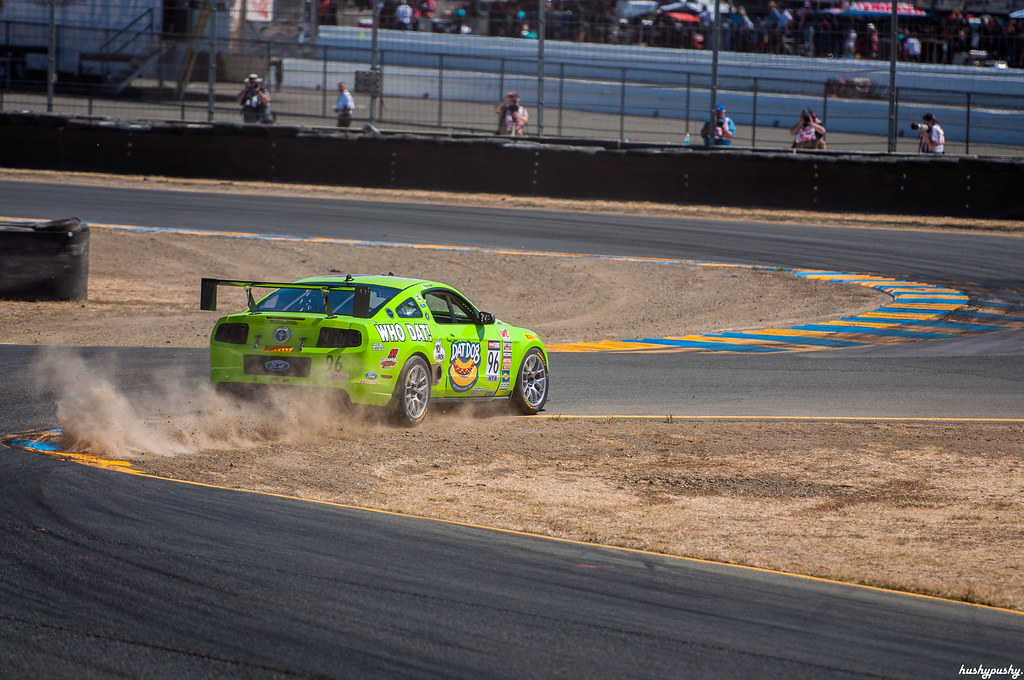
How about the “Dat Dog” Mustang? Its pilot Brad Adams clearly decided that the brown stuff was part of the track too.
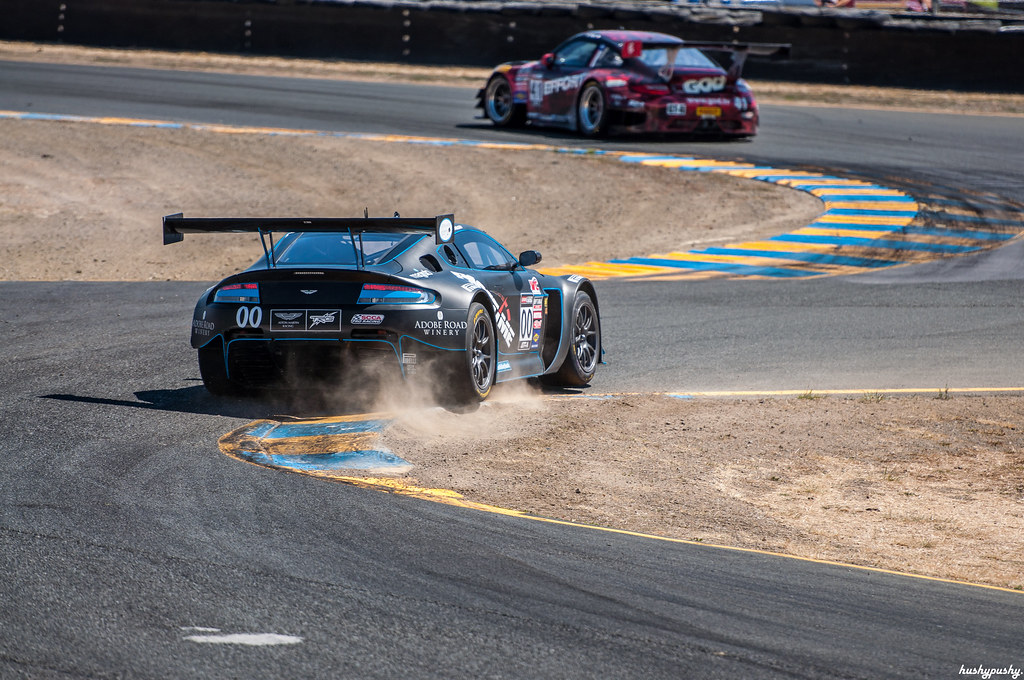
Other drivers took a slightly more cautious approach to the chicane, though. Thank goodness they widened that section (note the fresh tarmac at the second apex).
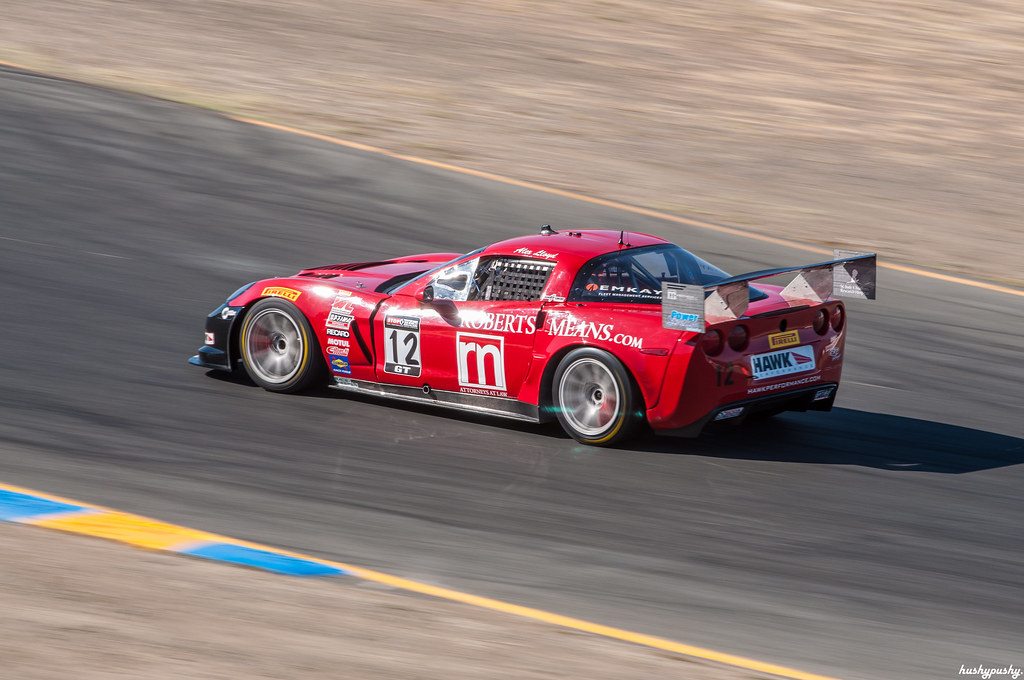
I really liked the C6 Corvette. How long until there’s a C7 in this class?
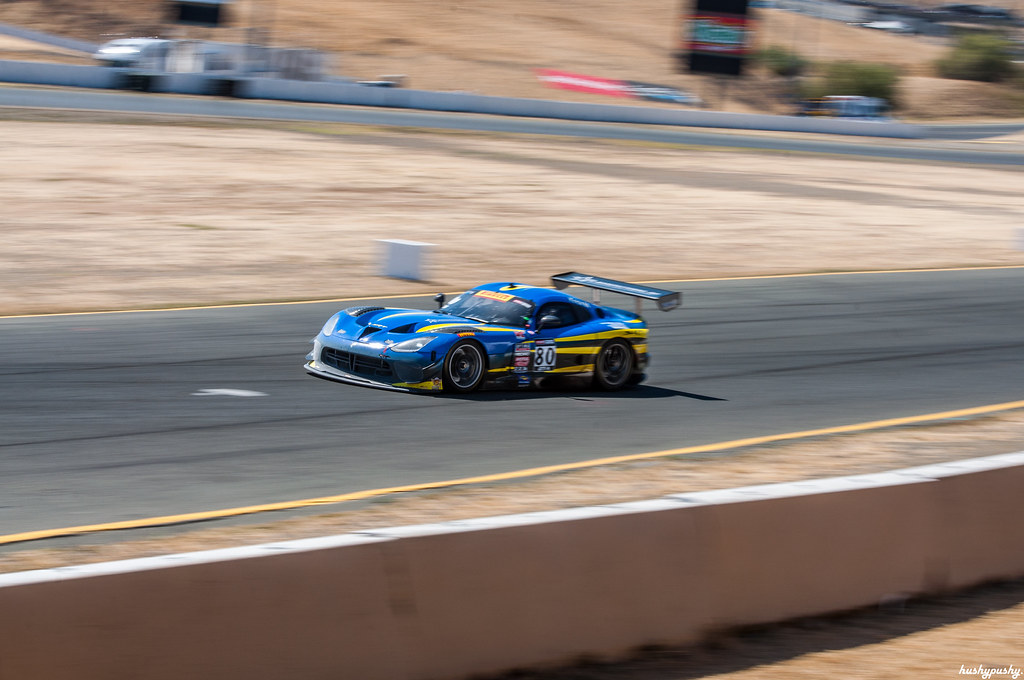

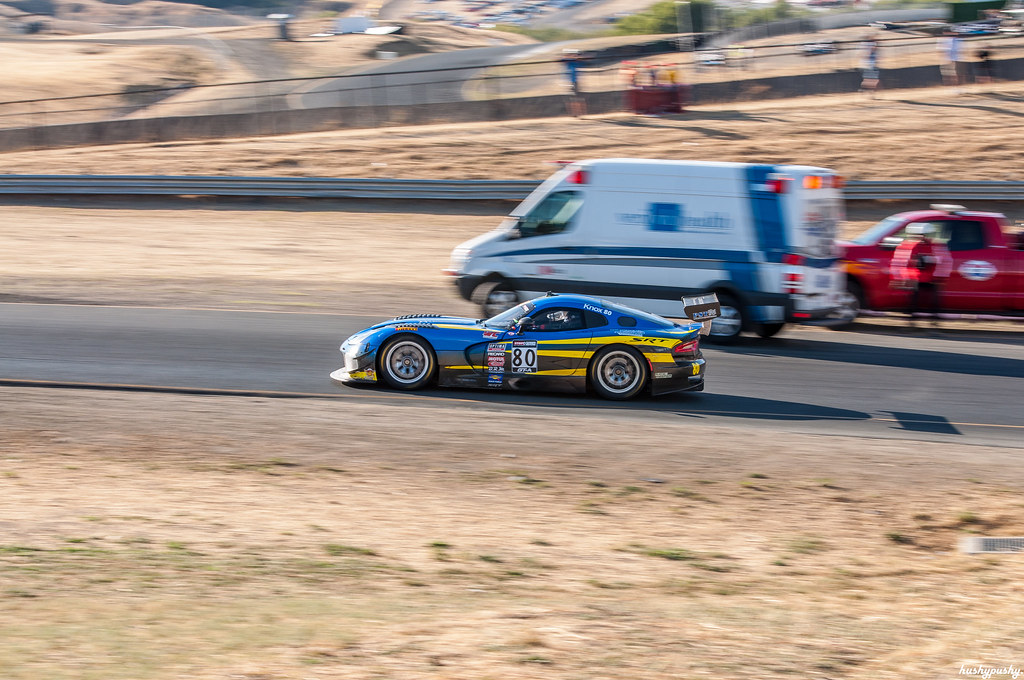
So cool seeing the big Viper out there.
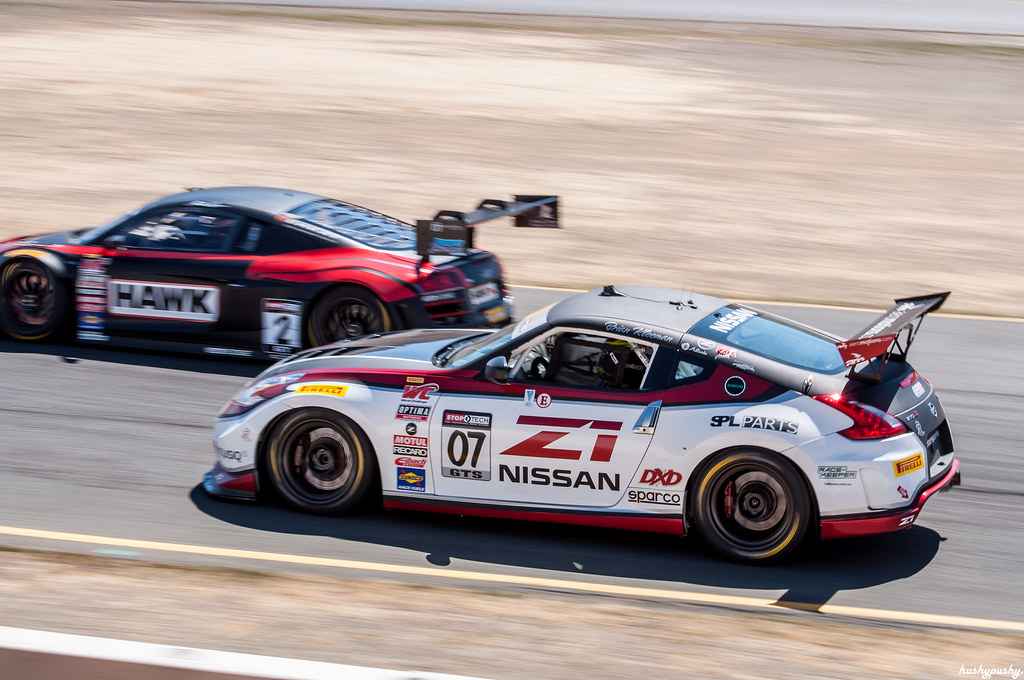
Although the sharp end of the grid is great, there are plenty of entrants down the field. I don’t care that Brian Kleeman finished 36th and 32nd in the two races, respectively; his 370Z still looked great doing so.
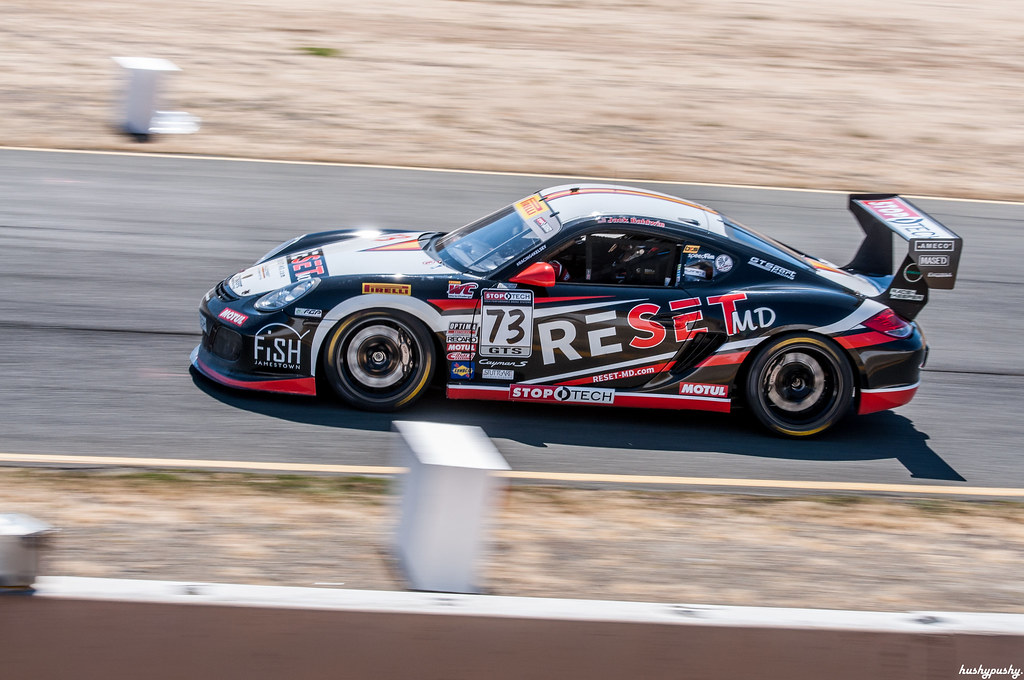
Another cool treat is seeing Porsche’s black sheep, the Cayman, getting some motorsports love.
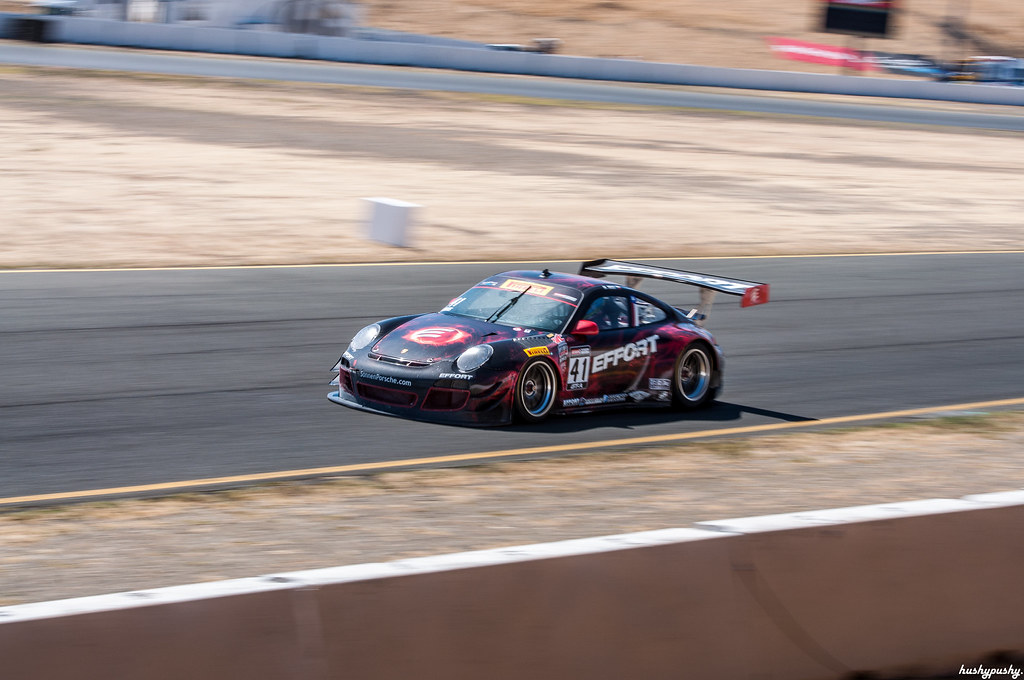
Unfortunately, it doesn’t directly compete with the 911. Like many, I’ve always wondered what the ultimate iteration of a Cayman could be–the 911 GT3 RS treatment on a Cayman, in other words. Conspiracy theorists has been suggesting for years that Porsche holds back on the MR platform so as not to overstep the 911. Well, now we can finally look at the 918–which carries a naturally-aspirated V8 mounted amidships–and probably admit that they’re right.
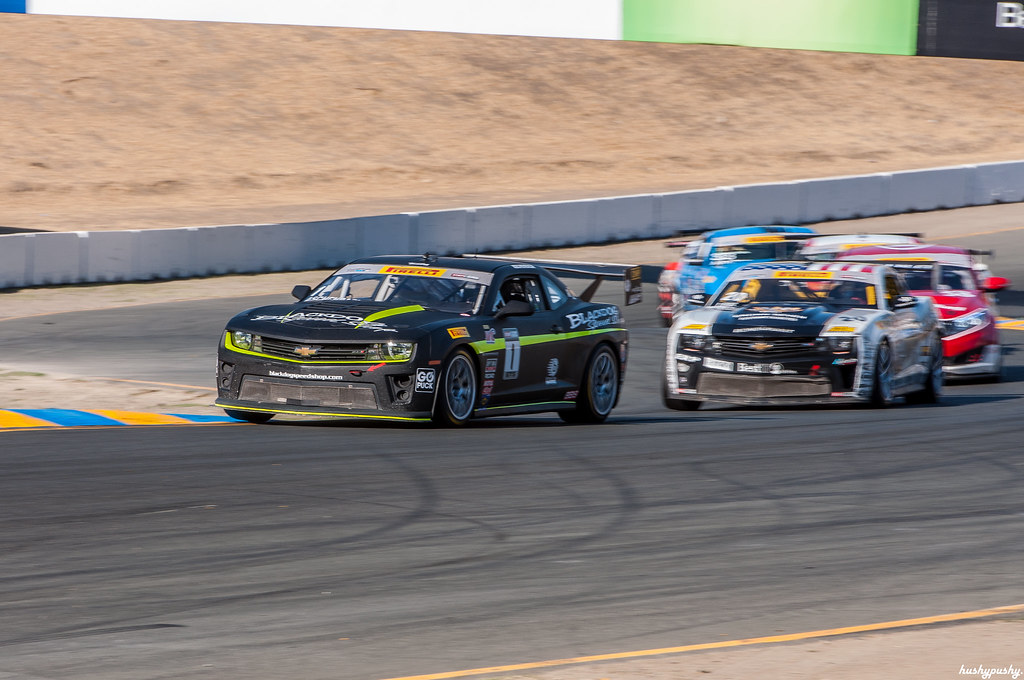
Seeing ZL1’s battling on track is pretty cool too–these are rare as hen’s teeth in the wild, at least in my area.
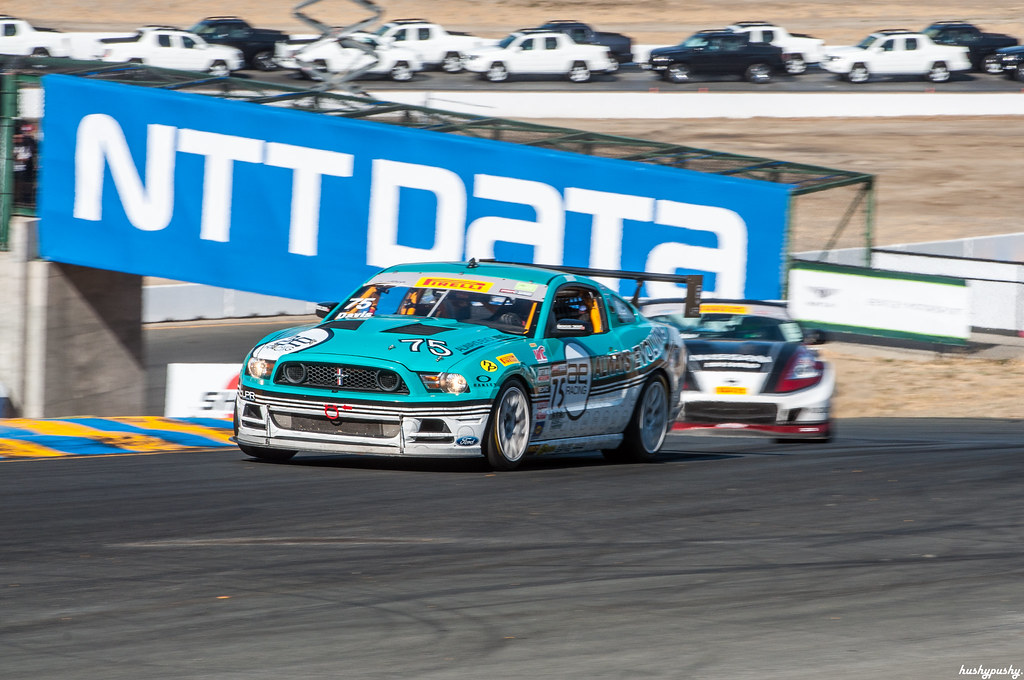
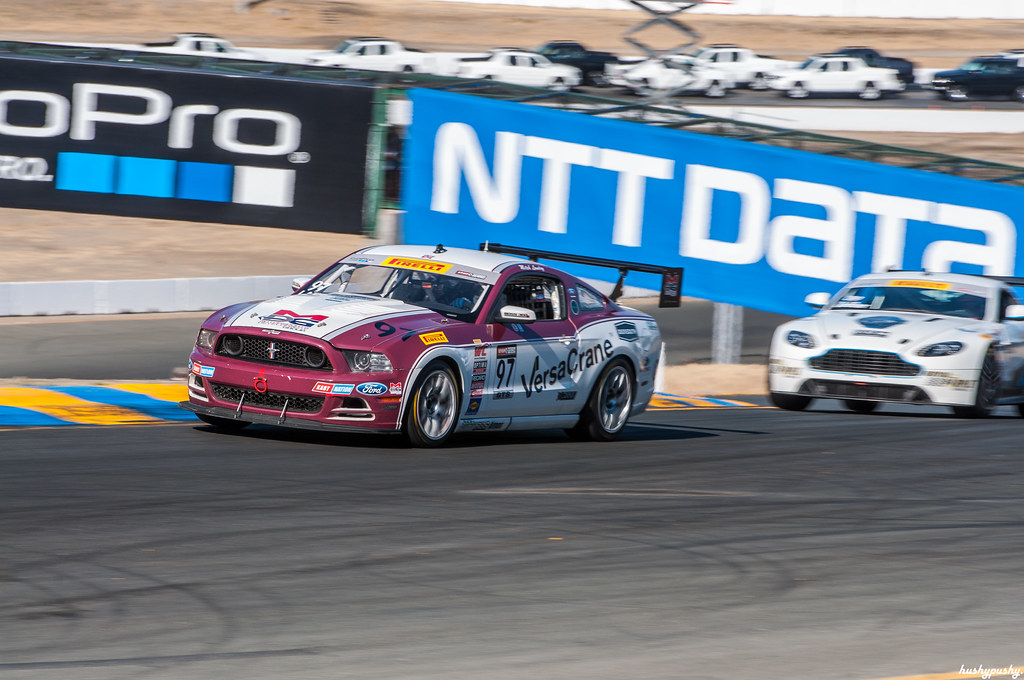
If you’re a Mustang fan, you’d certainly have plenty to lust over in this series.
Anyway, that’s it for all the different cars, but there are still a few more pics I want to share. Dean Martin in the #50 Mustang had a very, very rough weekend.
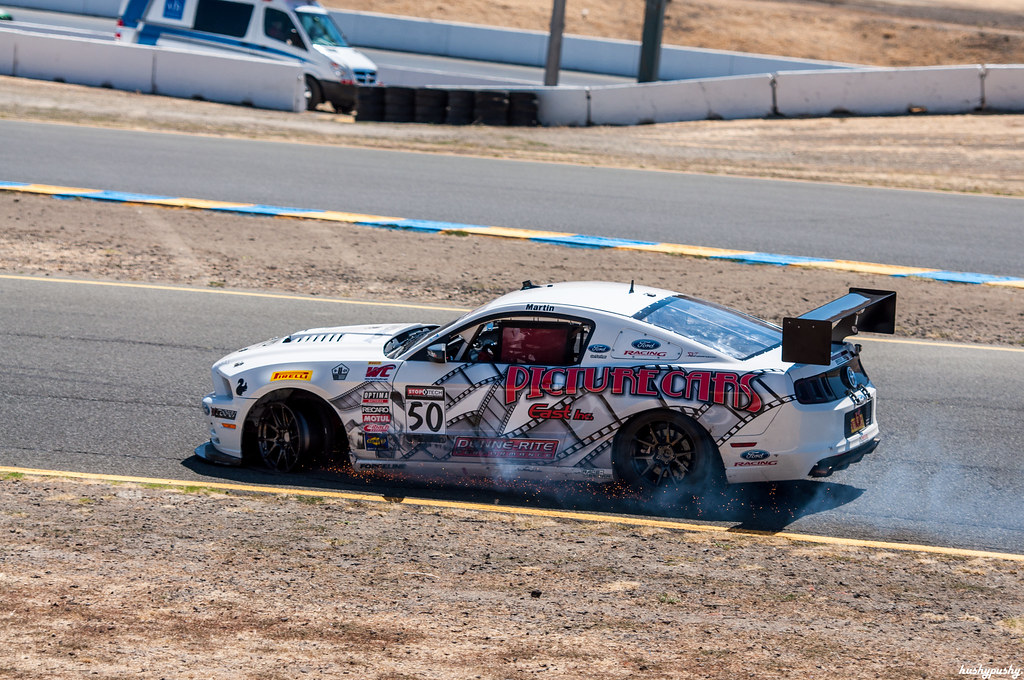
In the first race, tire failure caused some sparky issues with the front end.

In the second race, tire failure caused a collision with a wall, which made quite a scene. Luckily, although he didn’t walk away, he was examined and immediately released from the infield care center.
I thought back to the times when a simple waved yellow flag would have sufficed for such an incident. As it happened, the scene was just too much of a mess, and the race ended under yellow; quite a sad anti-climax to such an exciting day of racing.

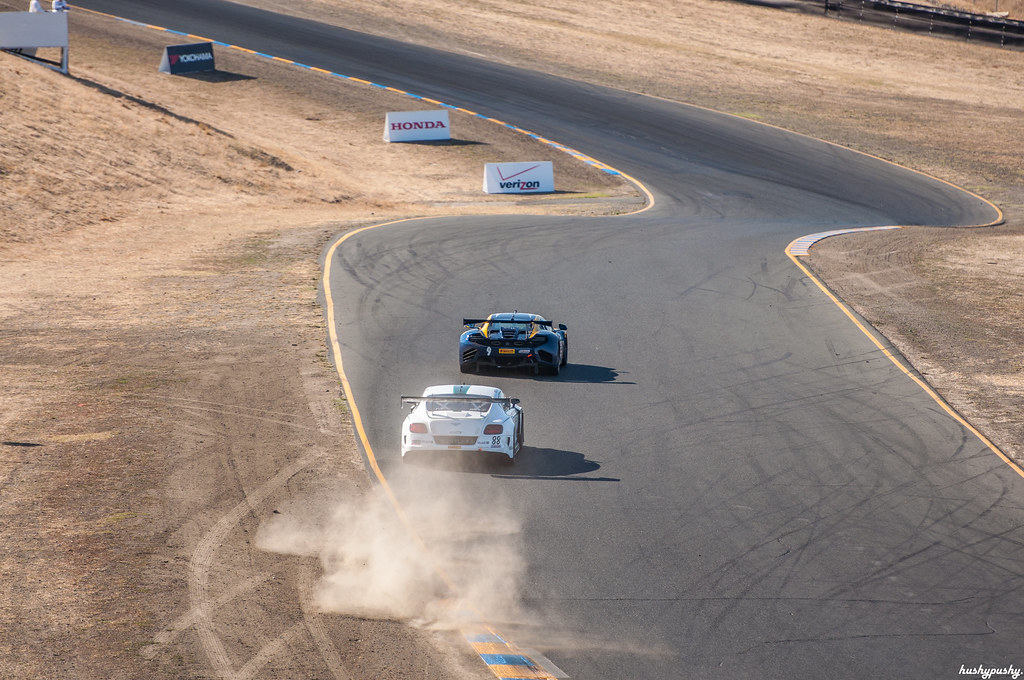
That Bentley, though!
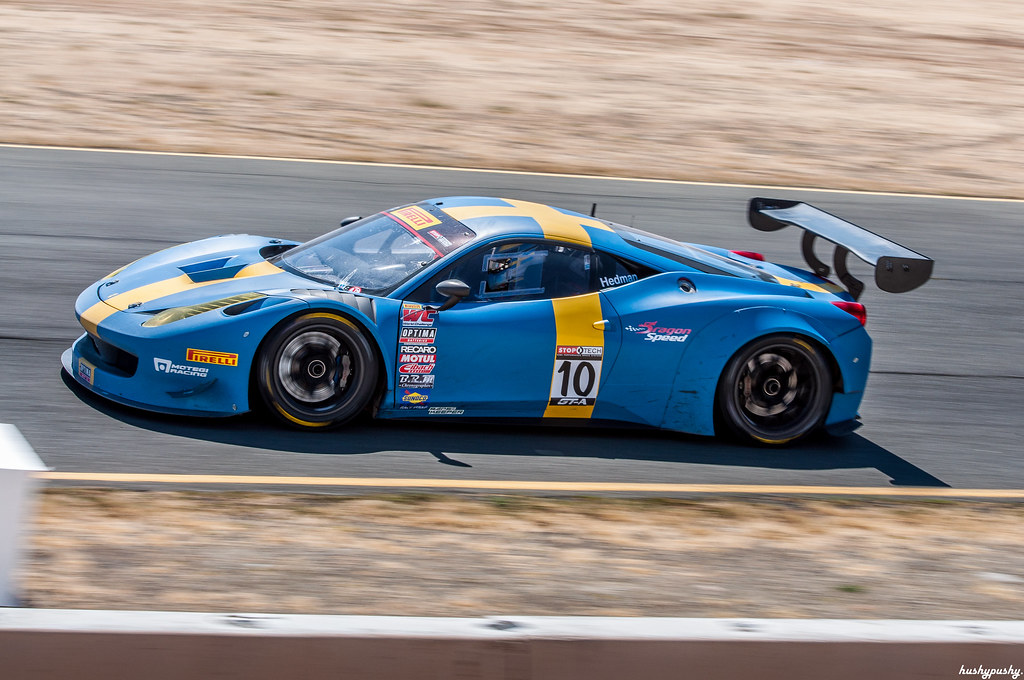
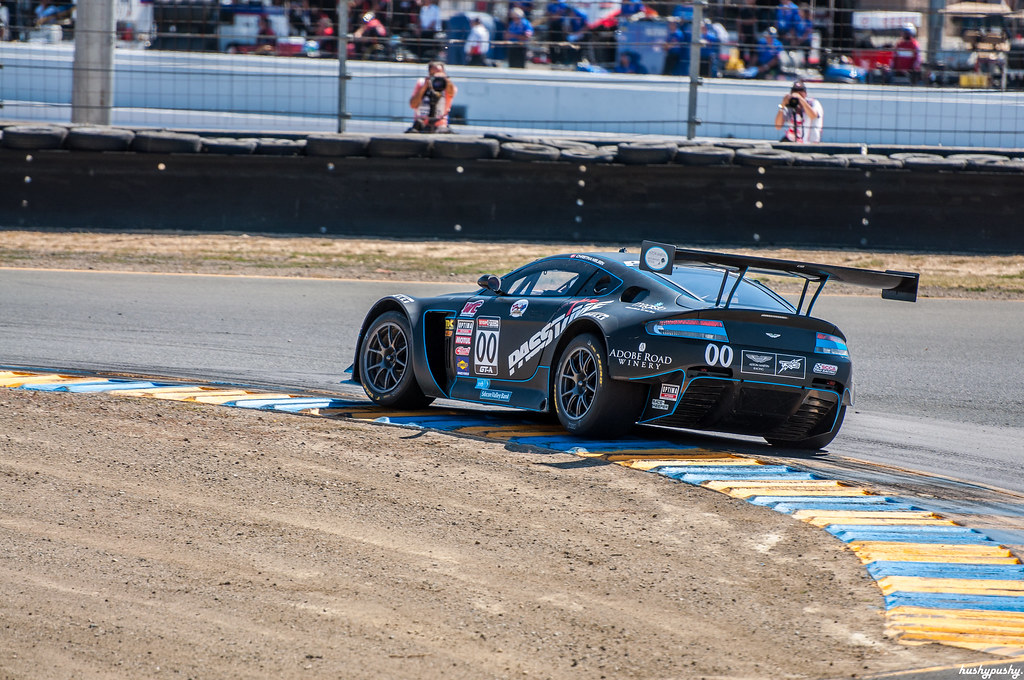
Alright. That’s the end of my coverage for this event. As always, if you want to see more, just click the pictures to go to Flickr and explore. Cheers.
It Coulda Been a Car Show
When it comes to light-capturing equipment, I’m pretty much all or nothing. In other words, if I’m not carrying my DSLR around, then the only camera I’m carrying is the one attached to my phone. I’ve experimented with point-and-shoot equipment over the years and have always been disappointed; the image quality of truly pocket-sized cameras doesn’t represent enough of an improvement over an iPhone to justify their existence anymore. And if I’m going to make the effort to lug around a slightly larger camera, why not go all the way and carry my DSLR?

That brings me to last weekend. My friend Andrew, proprietor of Holly Speedy Smog Test Only, held a party at his smog shop to celebrate his engagement. I knew a lot of people would be coming, and judging by the previous gatherings at the shop, I expected something interesting. So I decided to bring my DSLR and see how it went.
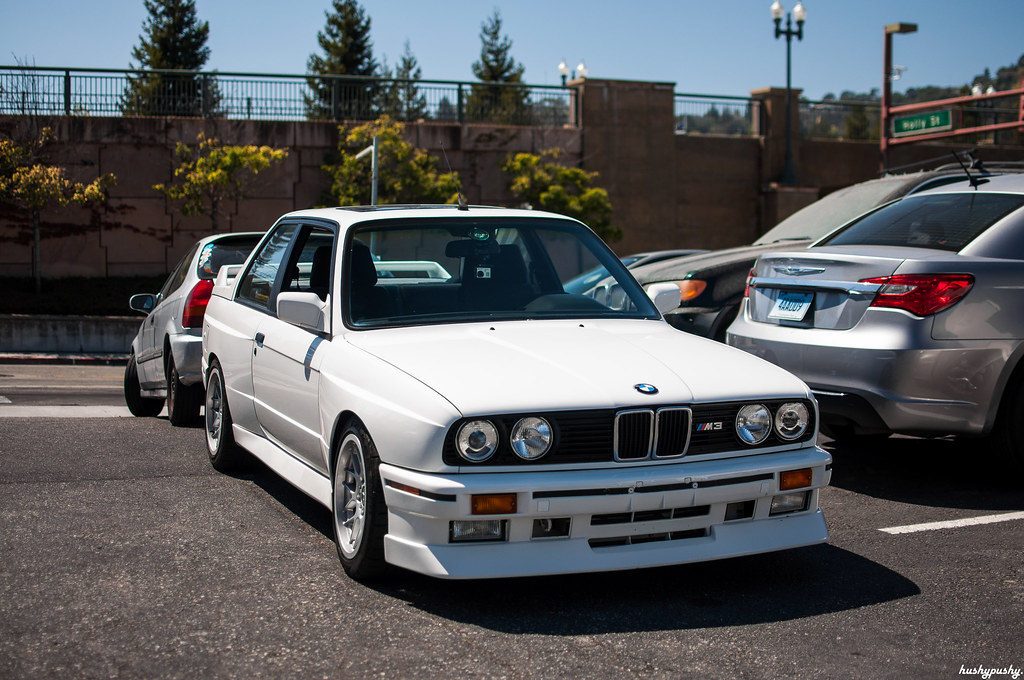
Unfortunately, that was pretty much all there was: Art’s M3, which you’ve seen plenty of if you follow this site. The newest addition is the OEM chrome kidney grille, but that’s about it lately.
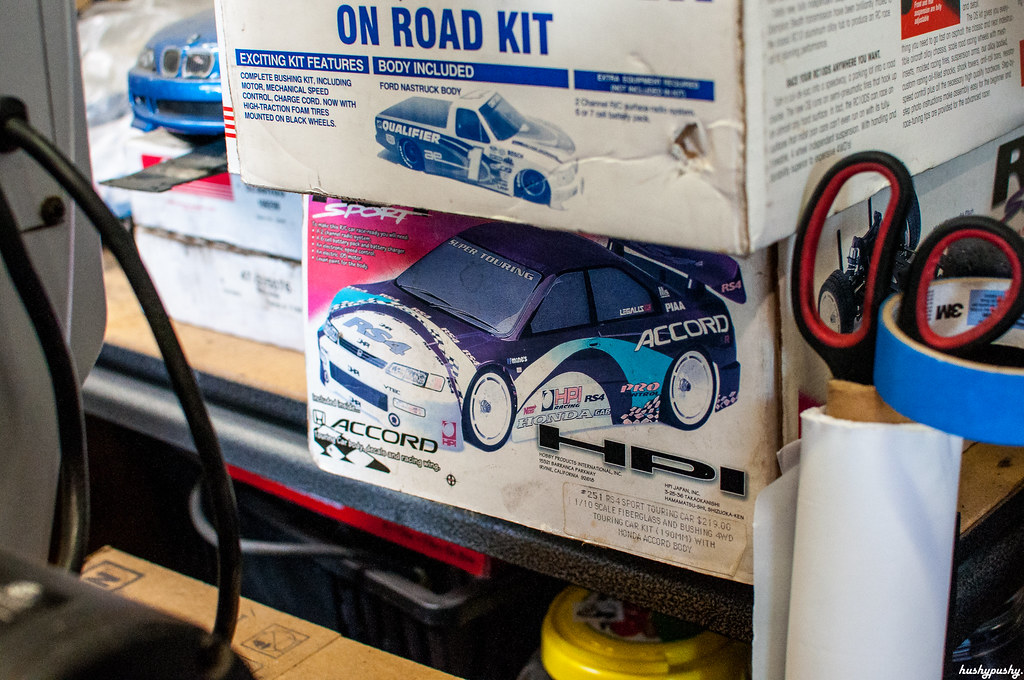
I went inside and poked around; I noticed this sweet 1/10 scale HPI Honda Accord R/C car. In my opinion, these are the perfect types of cars on which to base R/C cars, because in real life they were already equipped with cartoonishly huge wheels, so it looks totally correct and even realistic on a scale model.
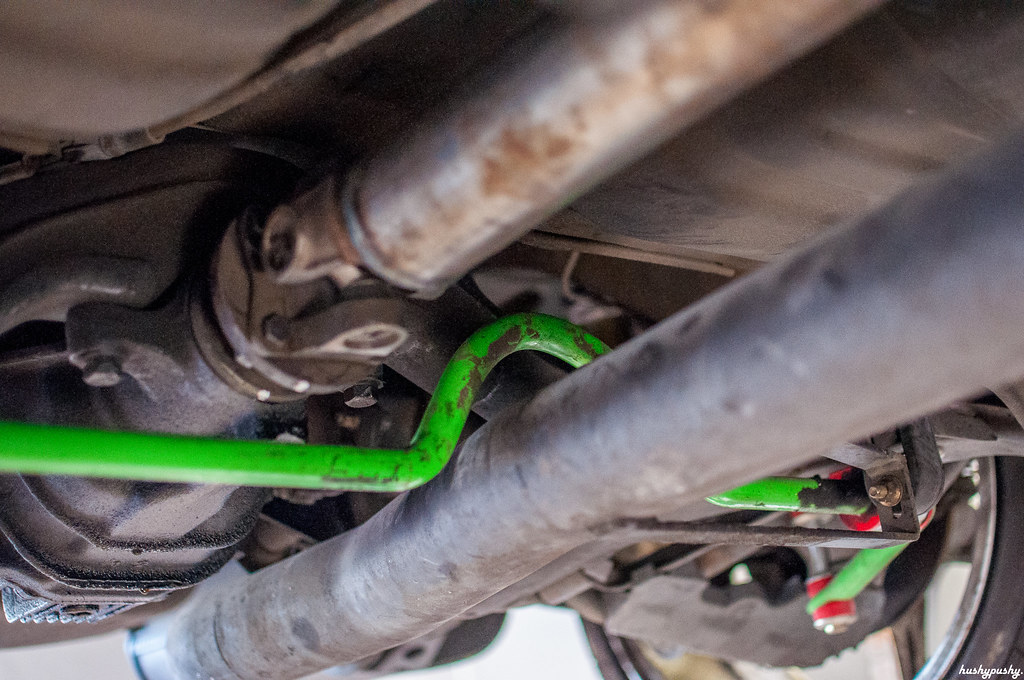
Up on the lift was the dirty S13. Maybe I’ll share some pics of the full car at another time; it’s in the midst of a mechanical refresh and hasn’t seen the road in some time. It’s a true “drift sleeper”; if it rolled down the street you’d probably just assume it was another crappy 240SX, but what you can’t normally see–the built suspension and SR20DET swap–tells otherwise. Anyway, the reason I posted this particular photo is because of the very interesting bend in the sway bar. Packaging issues…
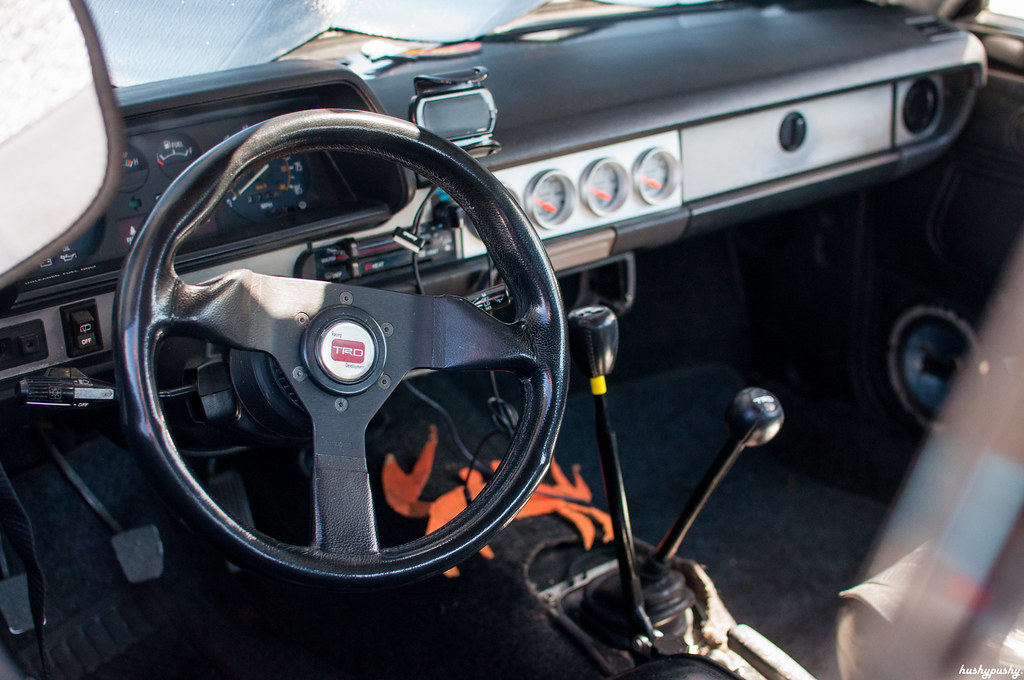
Another car that’s normally in the shop is Andrew’s Starlet, which he’s had as long as I’ve known him. Check out the truck-status HI/LO lever connected to the hydraulic handbrake, plus the JDM right-hand-drive shifter that leans the shift pattern heavily to the right. I gave the gearbox a quick row and you know what? The car is so tiny that the offset shifter doesn’t really affect anything! And hey, it keeps your hand away from that massive handbrake.
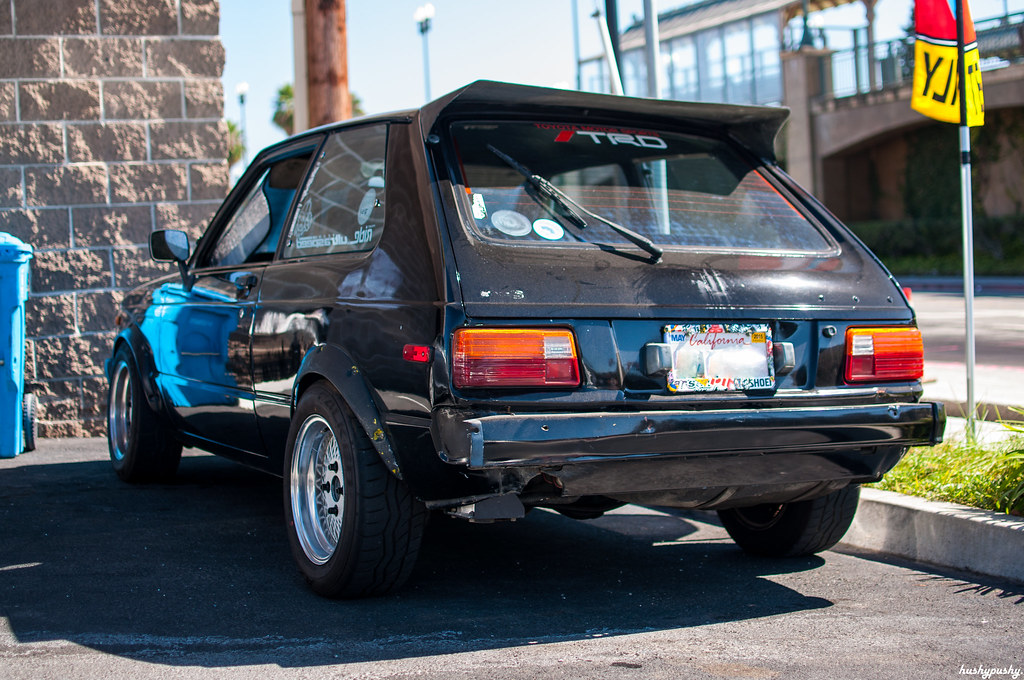
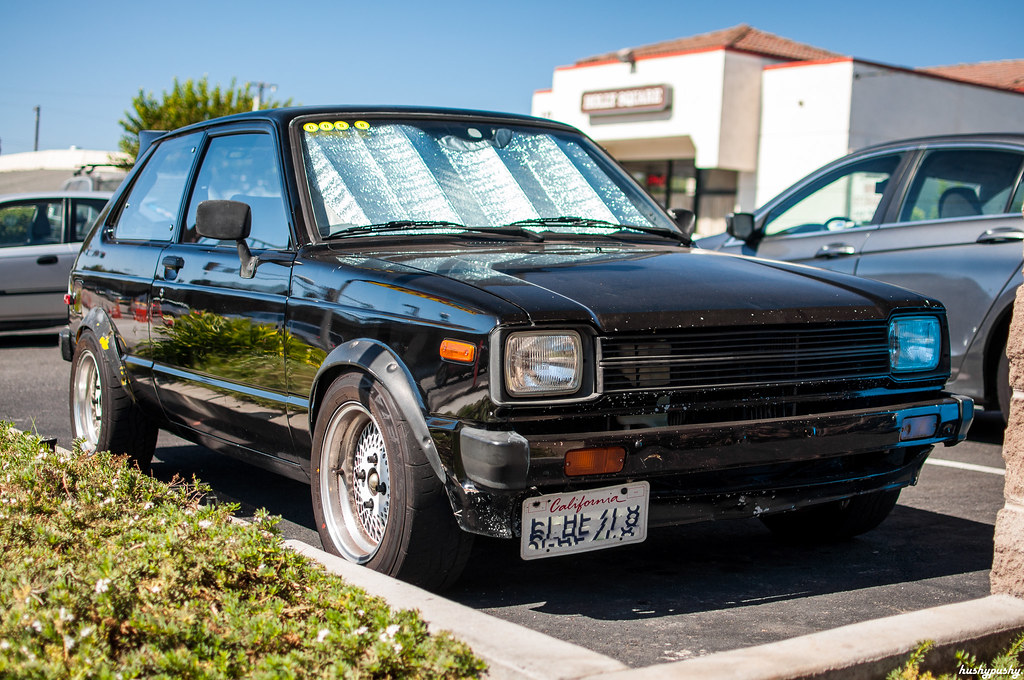
It’s not really the prettiest thing, but then again, the patina speaks to its experience. It has the goods where it counts, and Andrew enjoys the car, which is what really matters at the end of the day.
Okay, that’s it for now. I do have more content from Sonoma in the works…hope it won’t be too stale by the time I post it…


 Star Road