
Every PS1 Game – Syphon Filter 3
Even though Syphon Filter 2 was awful, I knew I was going to play Syphon Filter 3. First of all, I was just determined to finally do so, but it was also a case of having to sleep in the bed that I made, as the saying goes: I had already purchased SF3 before I even started SF2. I am fascinated that 23 years after its original release, you can still buy a brand a new copy of Syphon Filter 3. So I did.
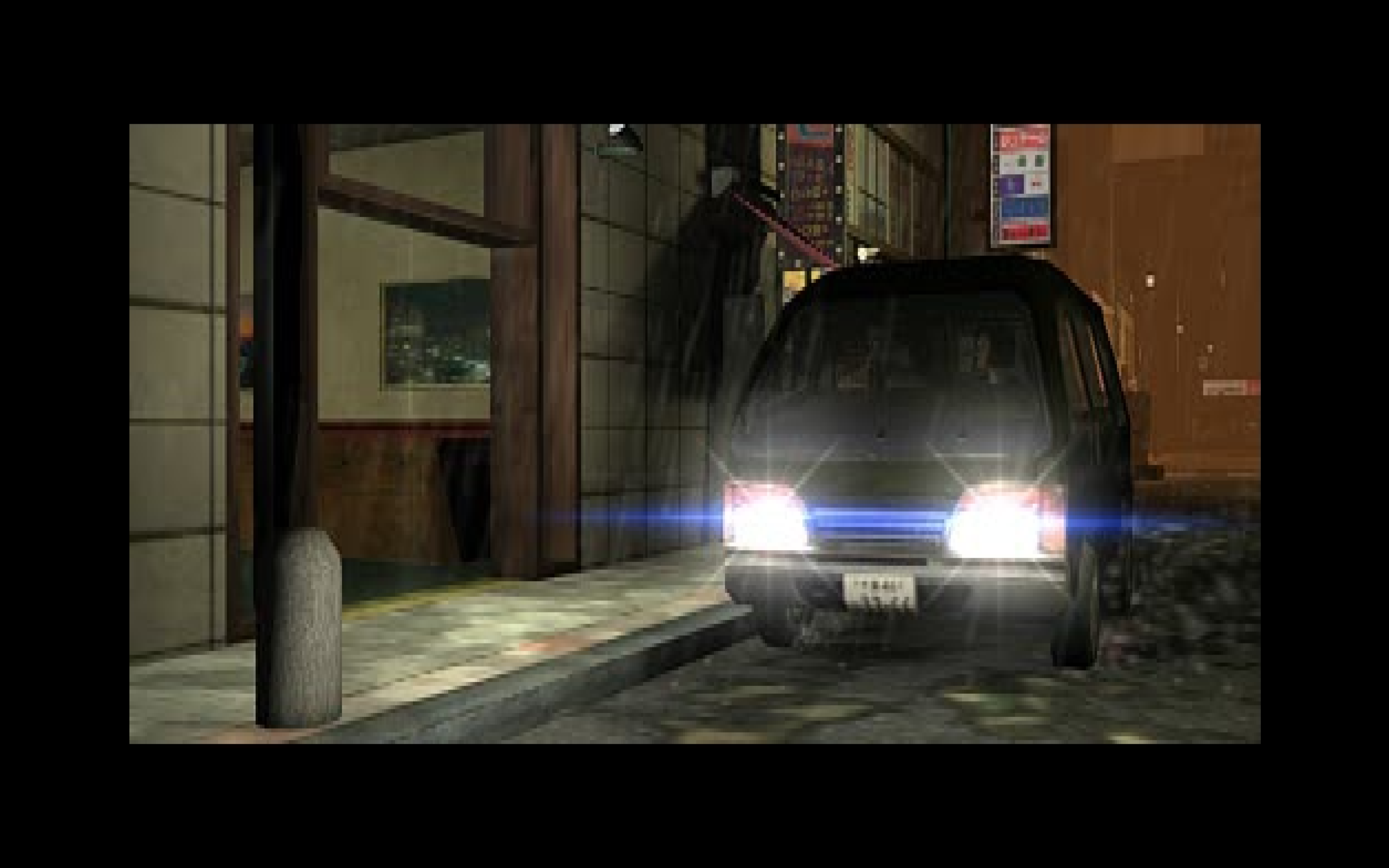
After a brief intro FMV reminding us where we are in the story, we can select New Game. Completely eschewing the drawn-out videos of the previous installment, after a very short intro clip we are already into the game! While the first and second games are graphically very similar, the quality improvement in this game is apparent immediately. The original release was November 2001 (pushed back from a September release and with a changed cover after 9/11, but that is story for a different time), a year after the US release of the PS2. Not only were the FMV’s created in a completely different software, they are presented in high resolution: 512×240, compared to the usual 320×240.

The gameplay, like the previous two games, runs at 384×240. But the modeling of the characters and environments is much more detailed and rich.
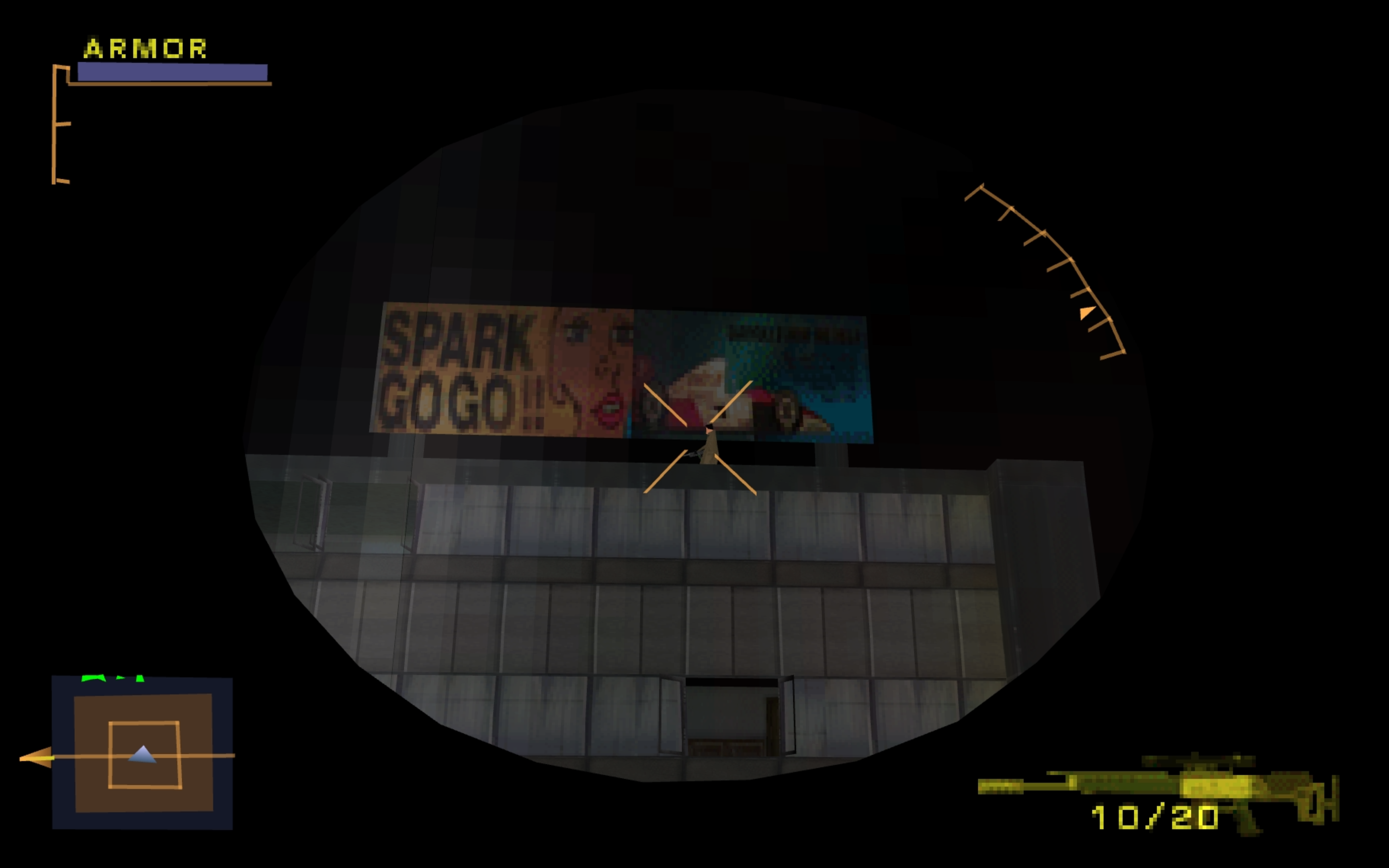
One of Syphon Filter‘s strong suits, at least in the first three games, is their interesting opening levels. Well, I would prefer to think that the developers understood that creating a strong introduction to a game is very important; a cynic might claim that they ran out of steam after putting all the effort into the first couple hours. Also, wait a second…is that a McLaren MP4/6 on the billboard??
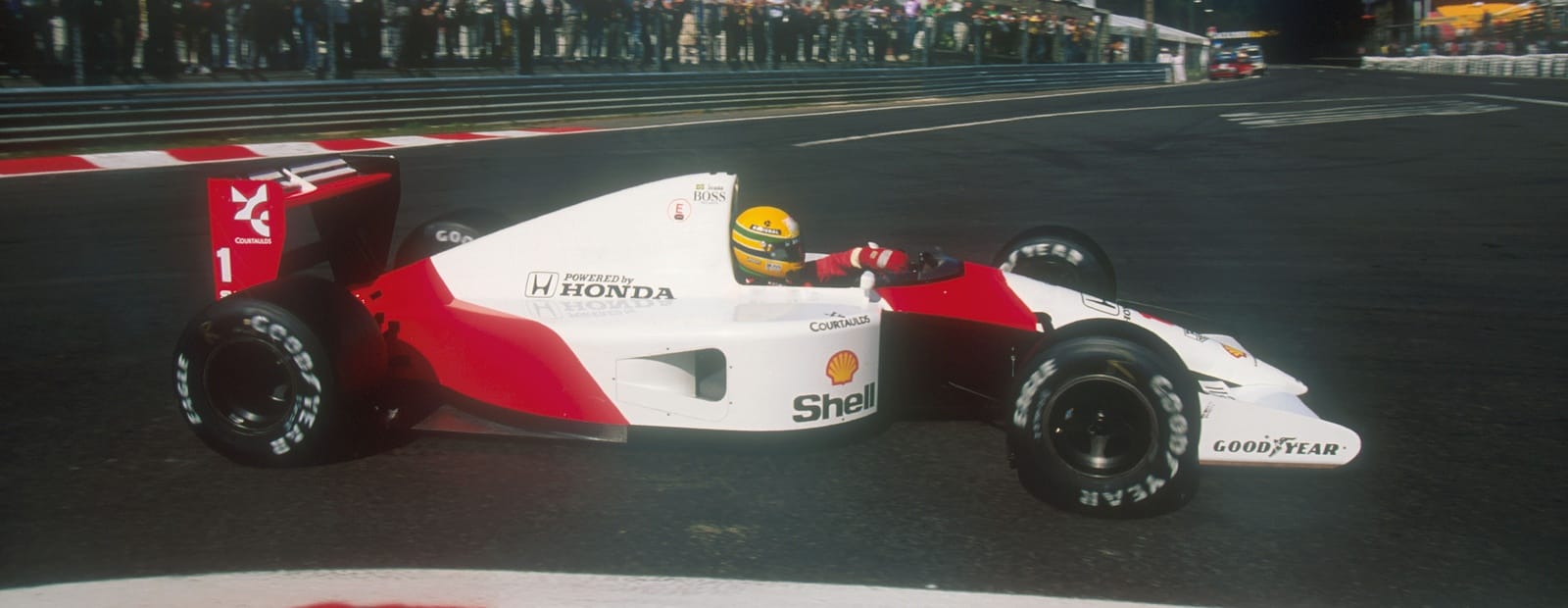
Rad! This was McLaren’s entry for the 1991 Formula One season, the year that Honda debuted their new V12 after two seasons with a V10. Ayrton Senna took the Drivers World Championship as his teammate Gerhard Berger helped McLaren take the Constructors World Championship.
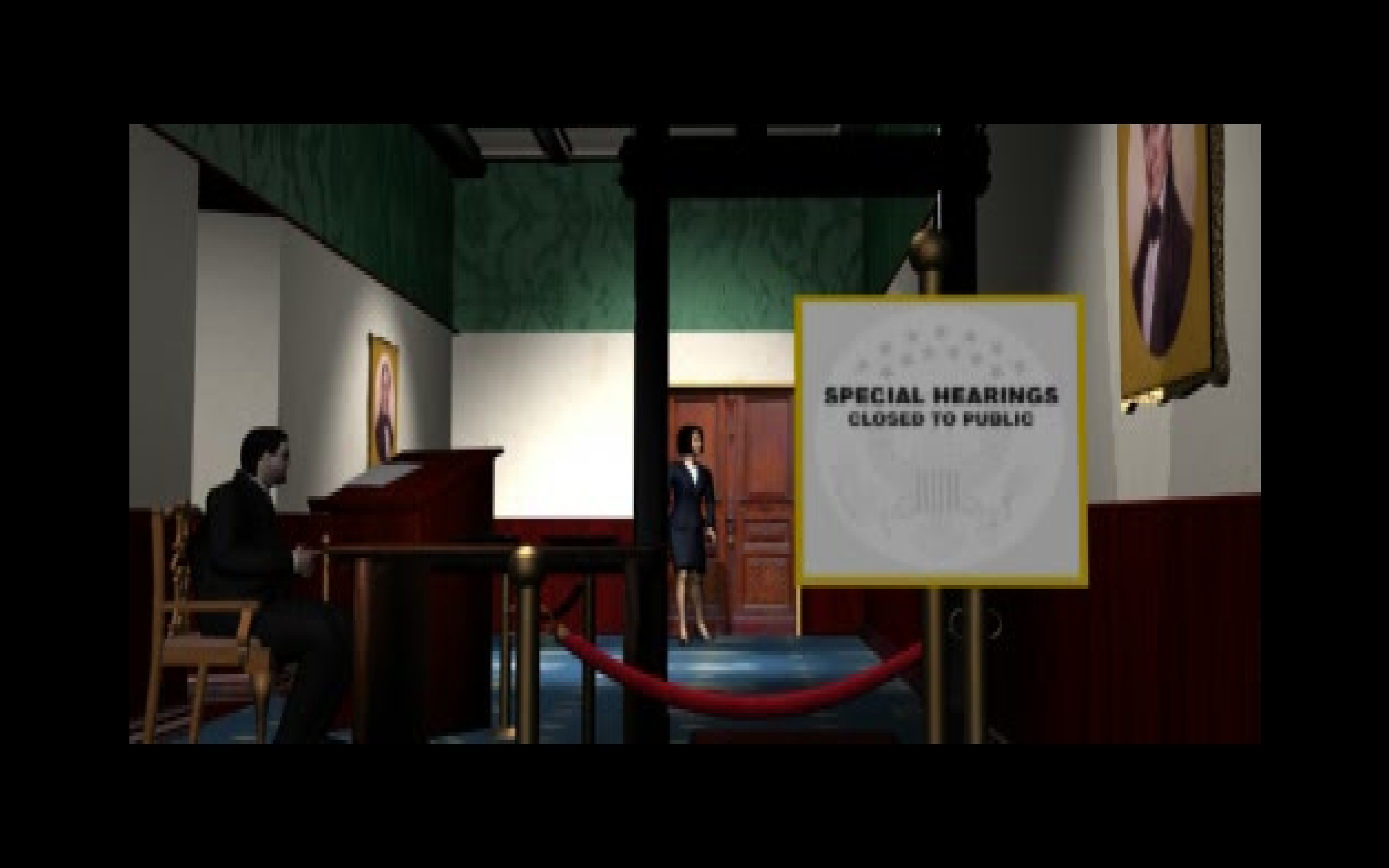
The framework for this game is that it takes place as a series of vignettes based on Gabe and company being interrogated in closed Senate special hearings.
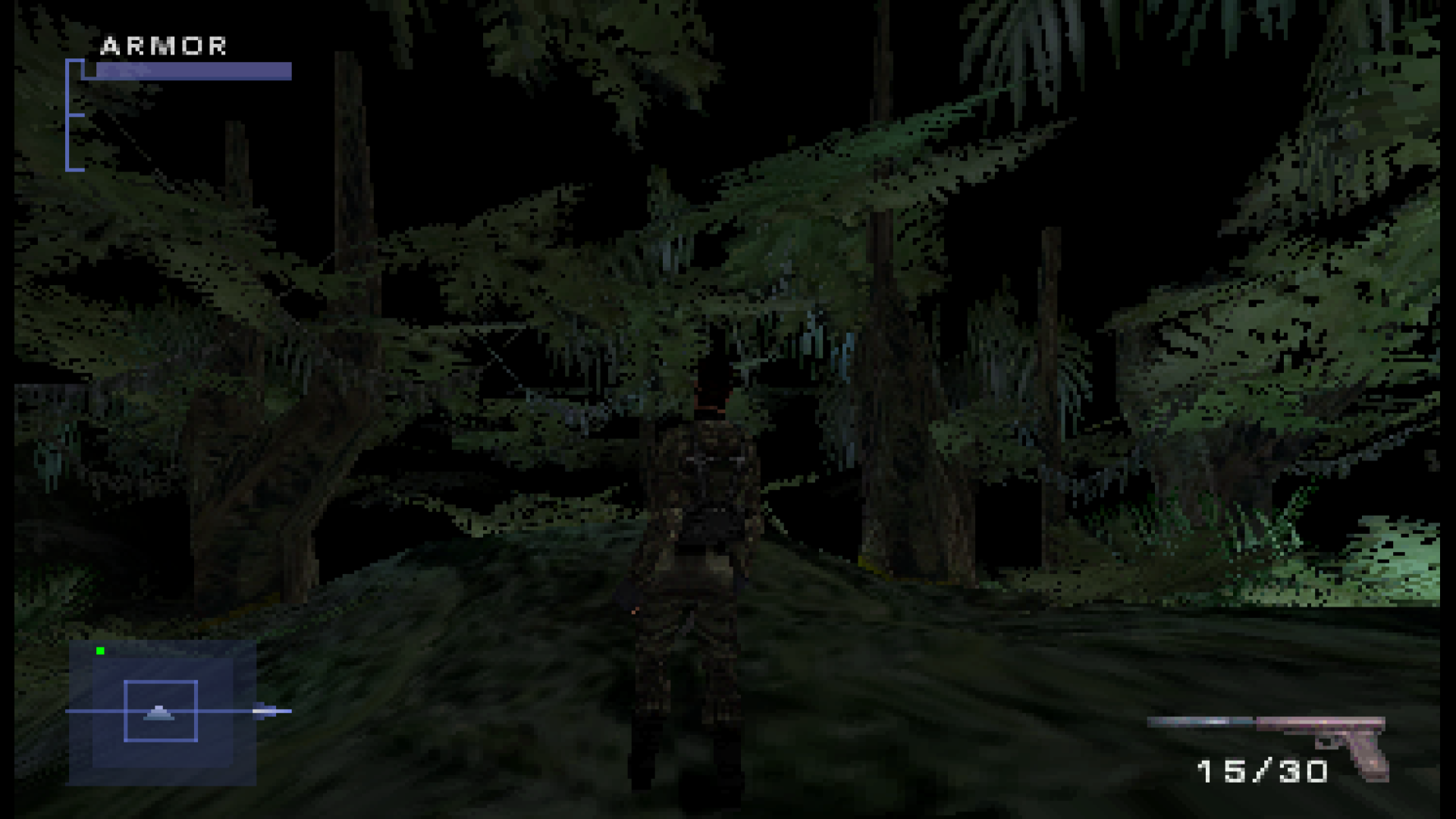
The first flashback takes us to the jungles of Costa Rica, which are the events right before the story of Syphon Filter 1. You may have noticed the black bars on either side of the screenshots, despite them being widescreen. That’s due to a new setting in Duckstation which forces all crop types to be aspect corrected, unless you specifically choose for it not to be. The effect is that if you choose 16×9 aspect ratio, it leaves black bars on the side of the frame, even with the widescreen hack turned on, which I don’t quite understand. In what is admittedly a strange decision for myself to make, I just decided to play this entire game without looking into it, because it doesn’t affect anything during gameplay. However, we now have to look at an entire post’s worth of screenshots with pillarboxing. Oops. Ultimately, I did find a solution after finishing this game: the previous never-touch option, “Stretch to Fill”, is now the proper one to choose in combination with the “widescreen rendering” option as the emulator no longer stretches the aspect ratio unless you explicitly tell it to. I used that setting to take the “arigato” screenshot up there while writing this article, which is why that shot doesn’t have pillarboxing.


During this playthrough, I kept switching back and forth between software rendering (1x resolution, dithering) and hardware rendering (5x resolution, true color rendering). The graphics look really coherent without any enhancements; it also looks great on original hardware through a Retrotink5x. But, cranking the internal resolution does reveal additional detail in the models and textures, giving that “enhanced” sort of look I’ve always loved on PS1 emulation since the days of Bleem. I still can’t decide which I like more, which is why I was still flipping back and forth until the end of the game. (Side note: I would like to point out that you can use hardware rendering with 1x resolution, dithering, and PGXP off to give that original look; however, the easiest way to switch between these disparate graphics settings is just to hit the hotkey that flips the rendering type between hardware and software)
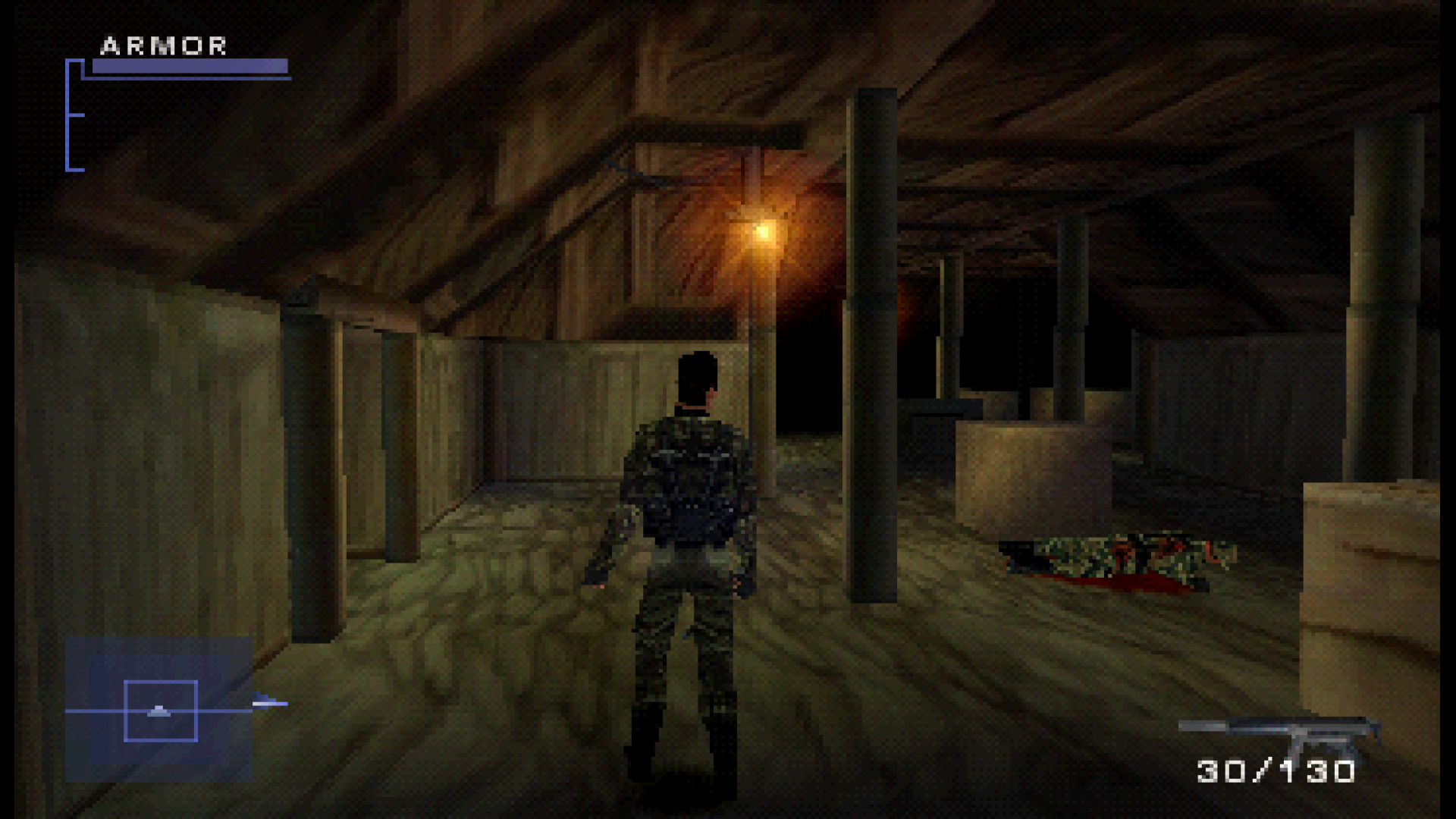
For the Playstation, this game has really refined graphics, but in 2002 when people were playing this game, it seemed quite dated compared to the then-current PS2/Gamecube/XBox generation of games. Decades (!) later, time is compressed, and all of the stuff from that era looks old. Now, this game has a certain olde worlde sort of charm.
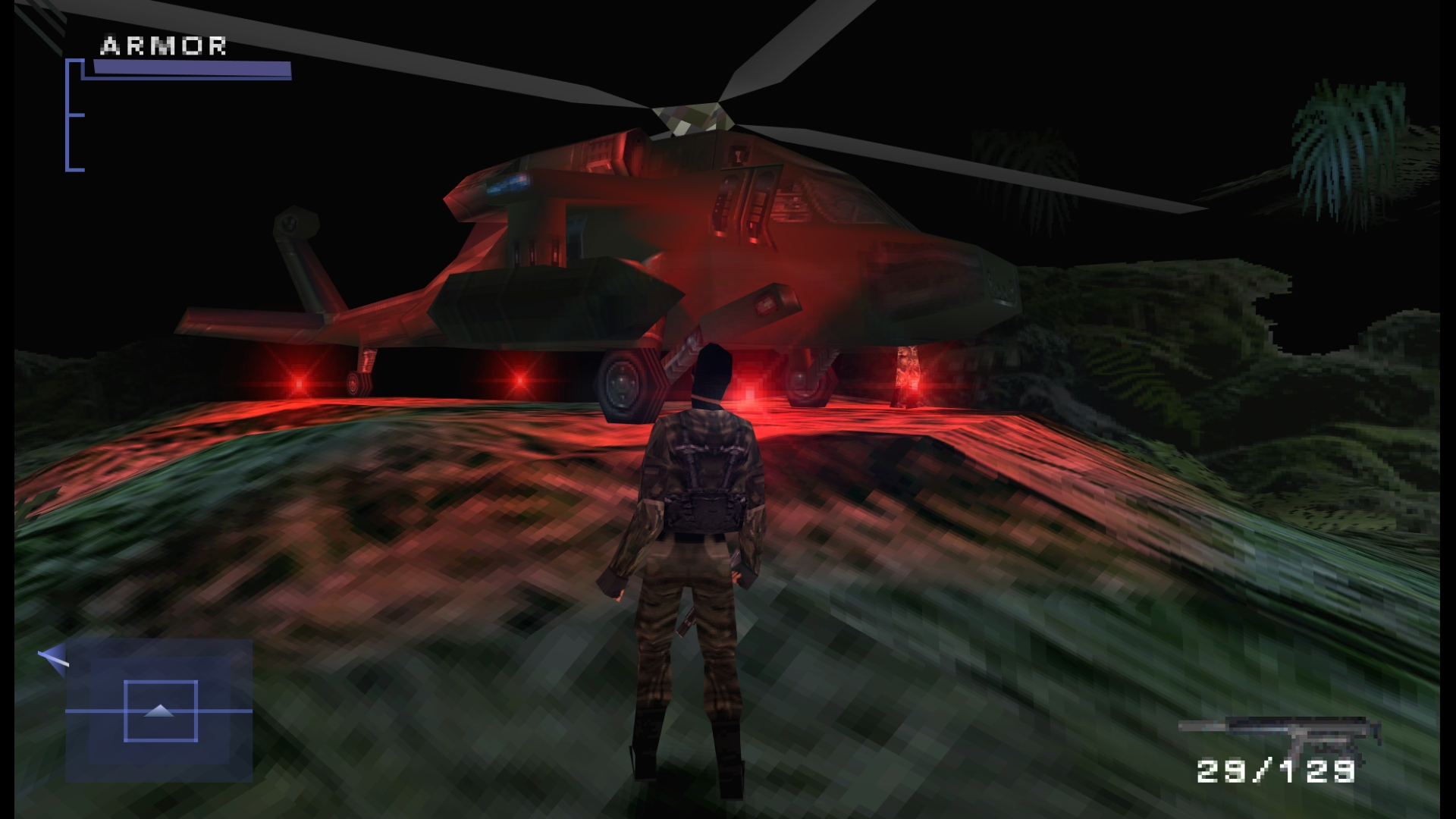
They got a little less rigid with this game. The objective here is to “disable the helicopter”, which you do by finding an action point at the nose of the aircraft, for some reason. I didn’t catch that on my first playthrough, so I just threw a grenade at it–which satisfyingly fulfilled the objective.
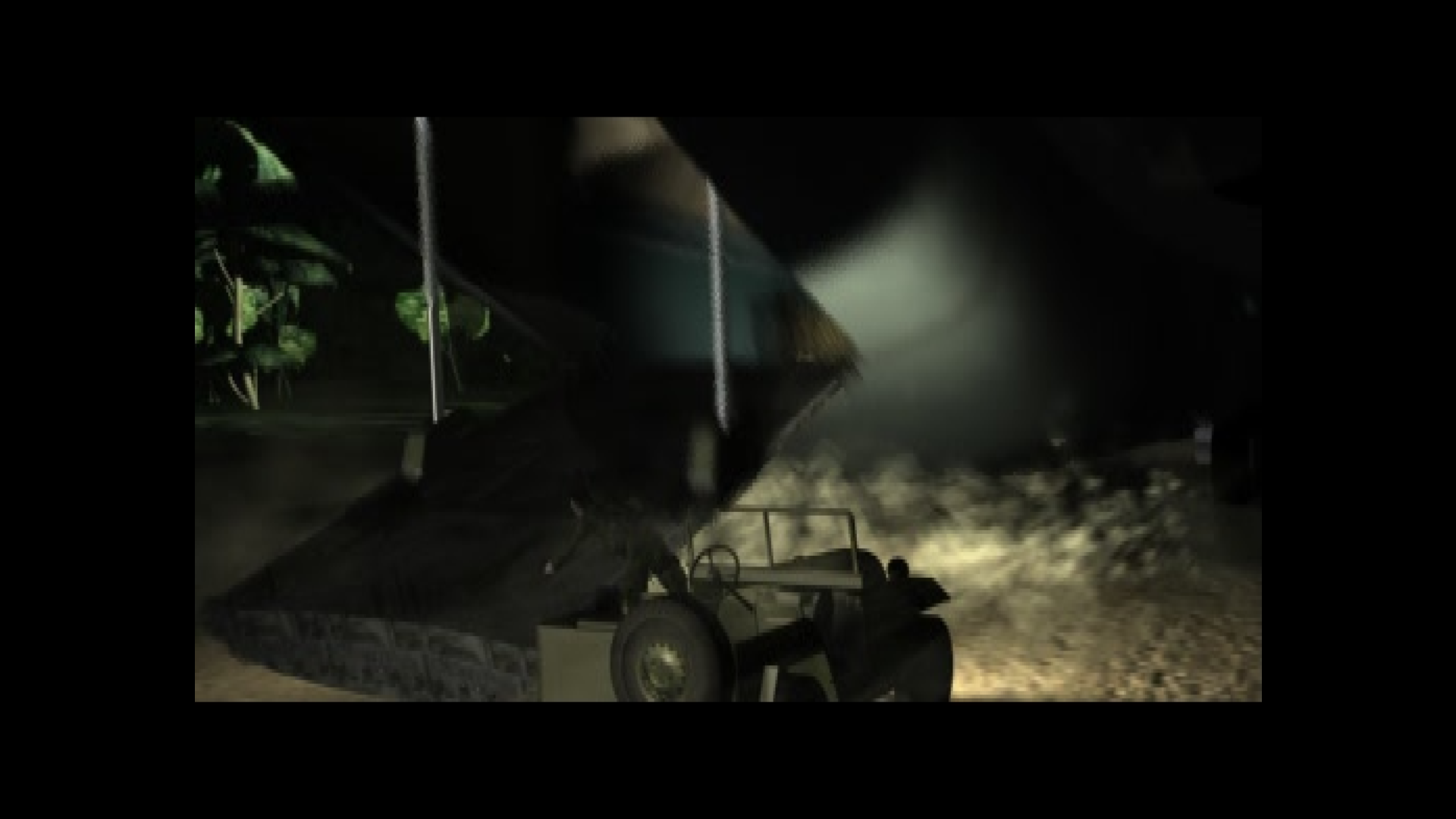
The enhanced detail, and subsequent higher presentation resolution, actually lets you see what is happening in the cutscenes. Here we can (just barely) see Gabe jumping from a moving Jeep into a C5 Galaxy cargo plane that’s taking off. Awesome.
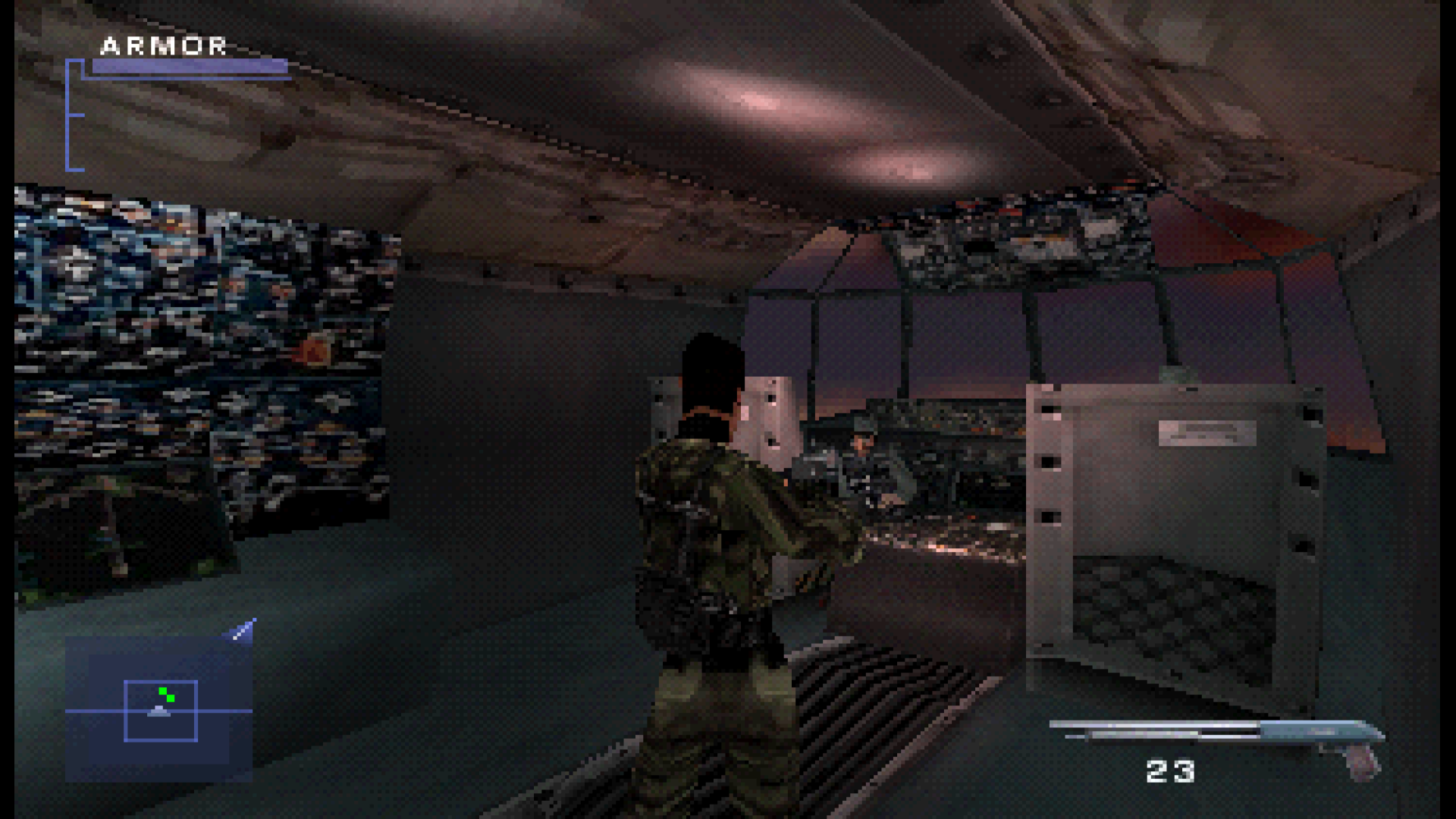

I don’t think I’ve ever done so many comparison shots for any other game. I constantly switched back and forth. Just looking at the screenshots, it might seem obvious that the high resolution is the winner. However, when you’re actually playing the game, the low resolution is almost like an impressionist painting, and it creates a nice effect in action.
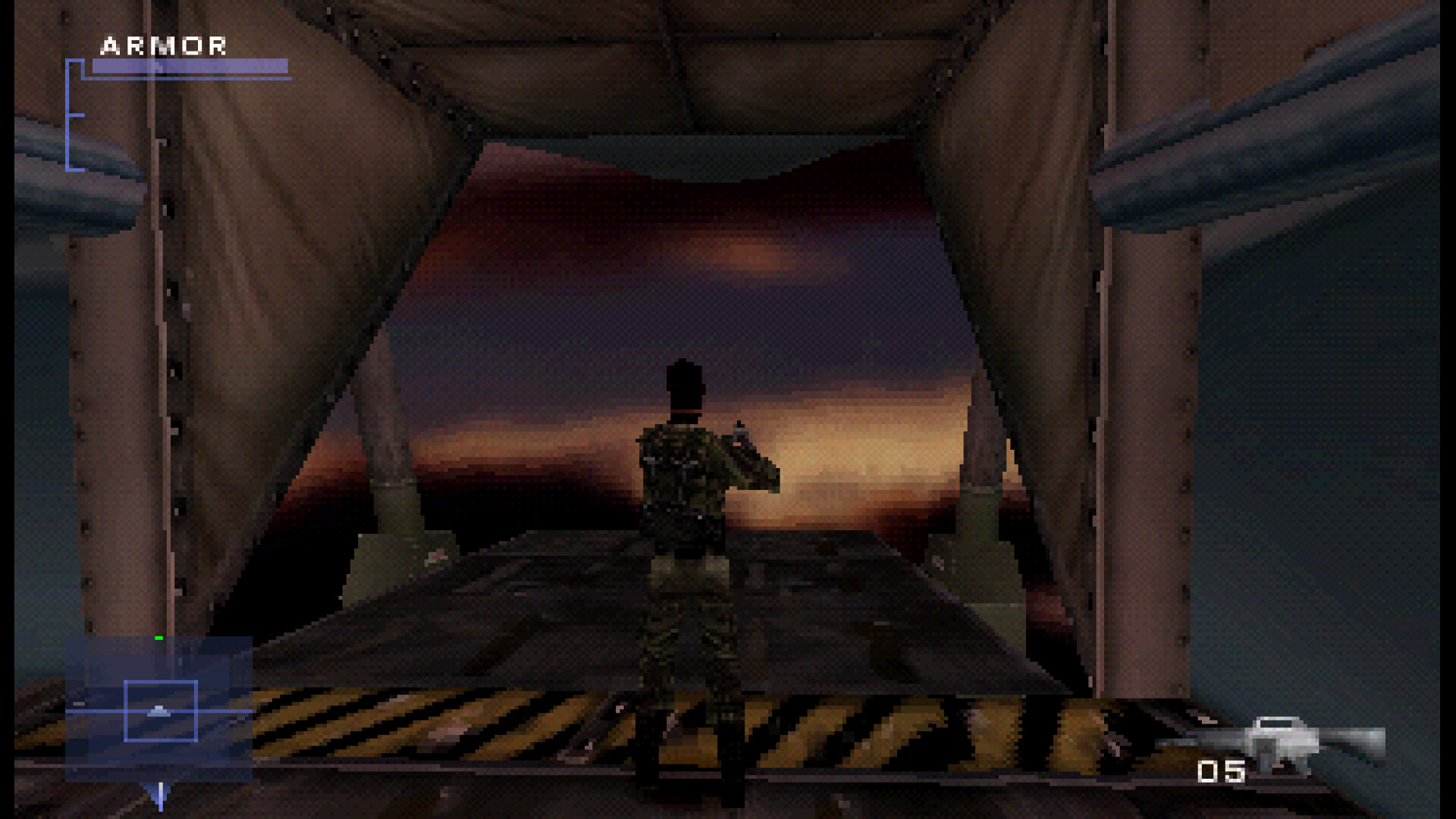
The game is literally about flashbacks so I’ll cut them some slack, but this boss fight is almost identical to the final boss fight from Syphon Filter 2. You can’t damage your enemy, instead you have to shotgun them to a specified point (into helicopter rotor blades in SF2, out the back door of the C5 in SF3).
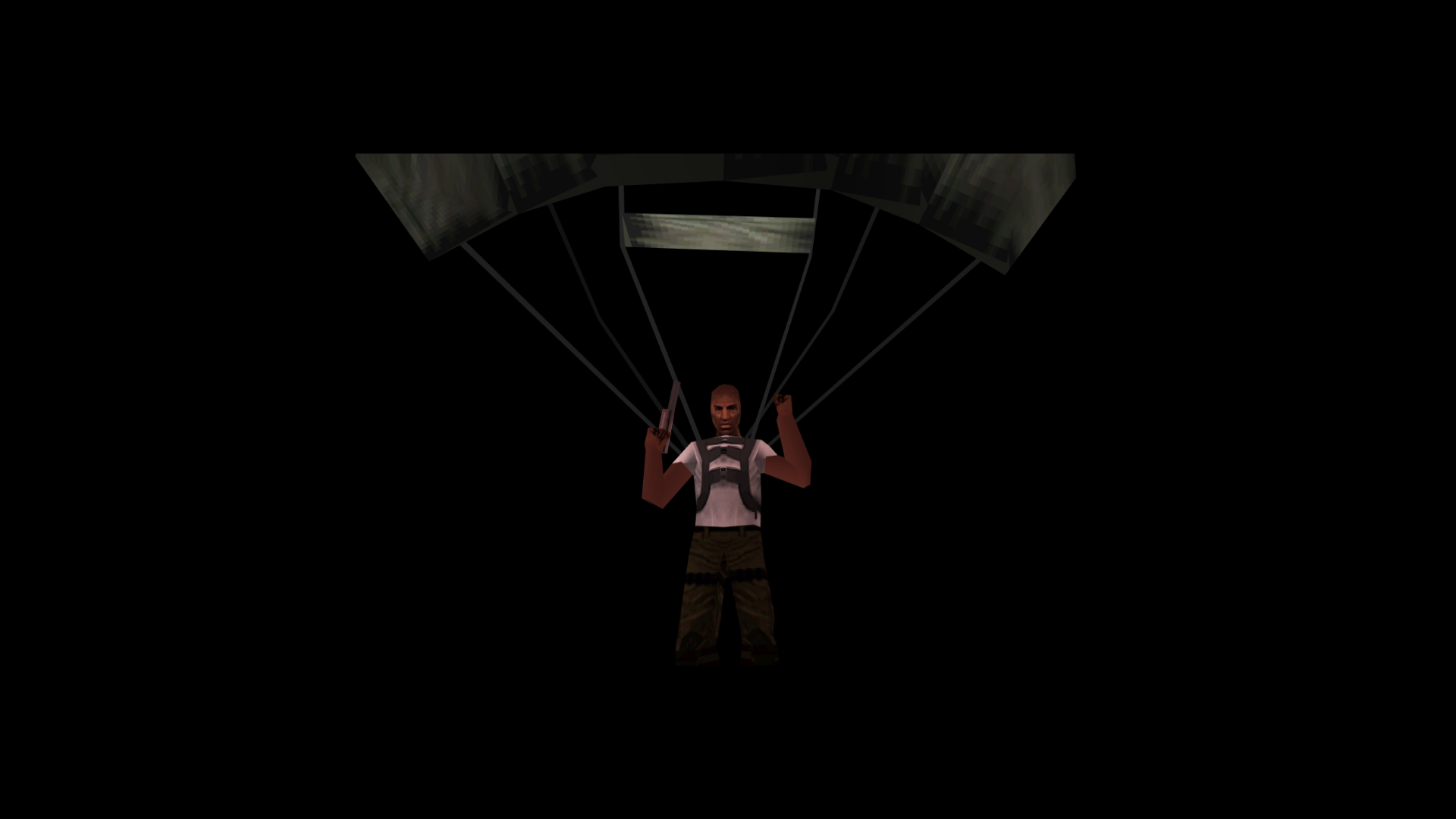
In addition to Gabe and Lian, you also get to play as Lawrence Mujari in this game.
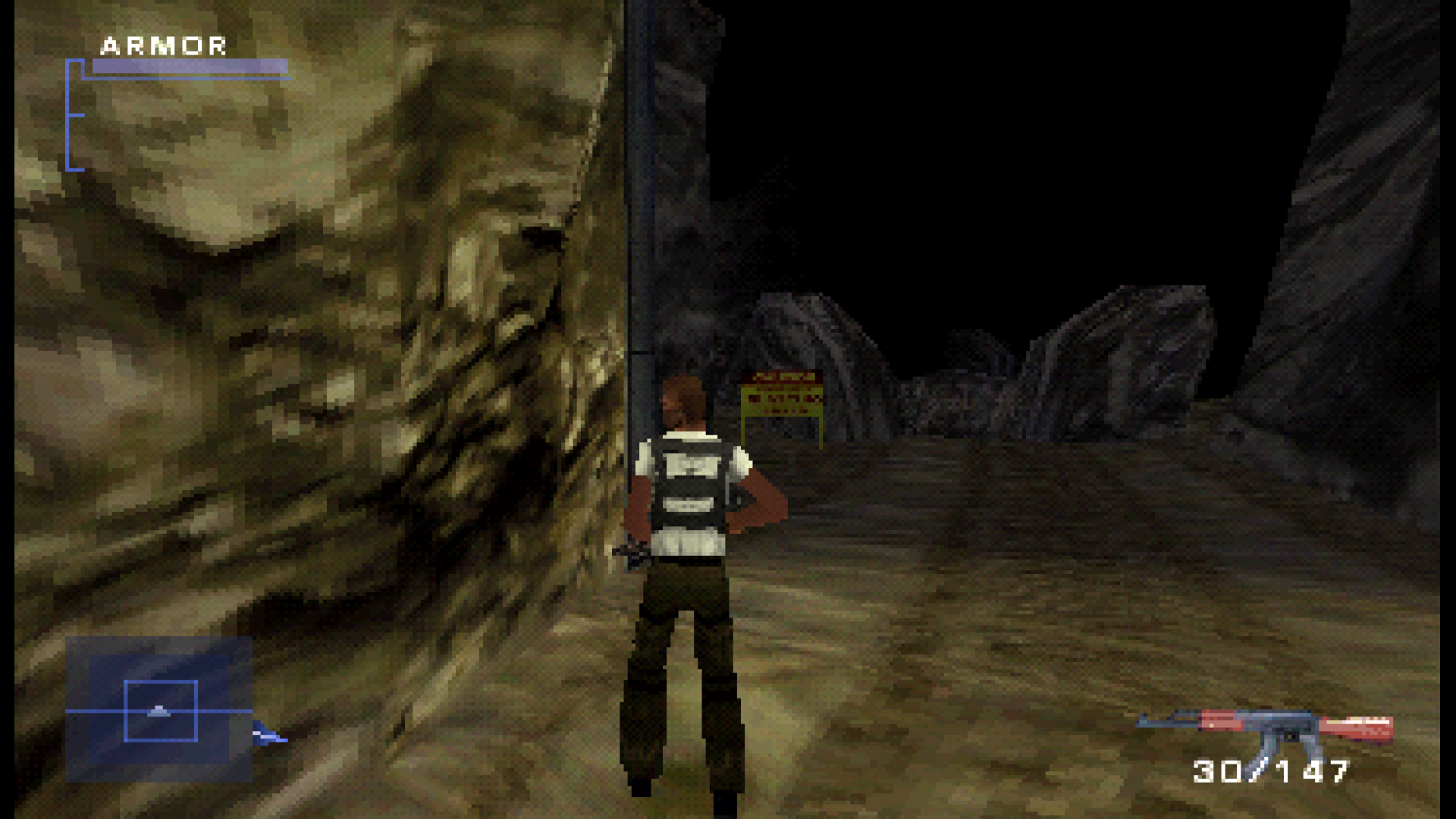
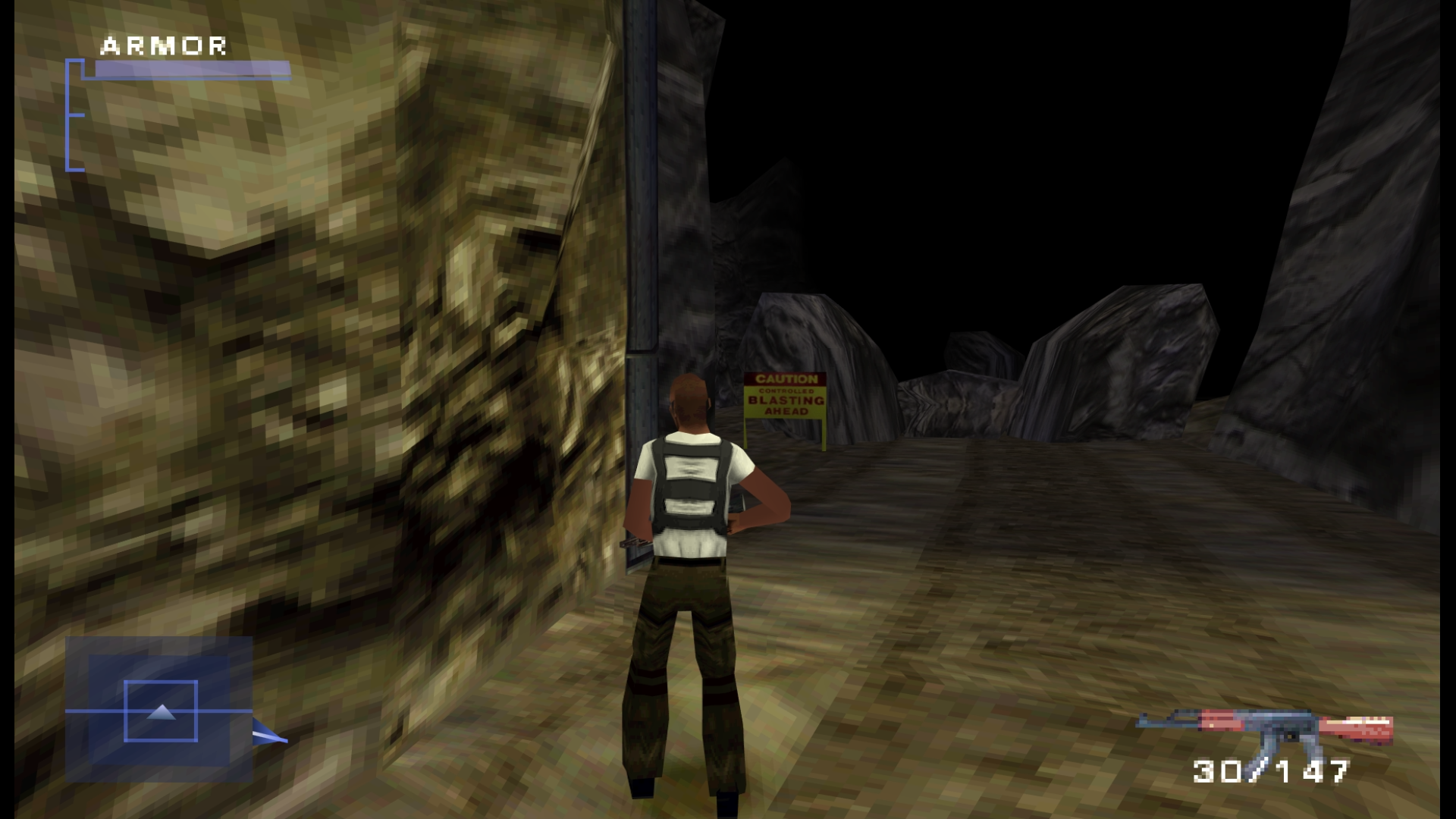
Times like these, increasing the resolution feels like putting on glasses. It’s amazing how much detail we missed back in the day.
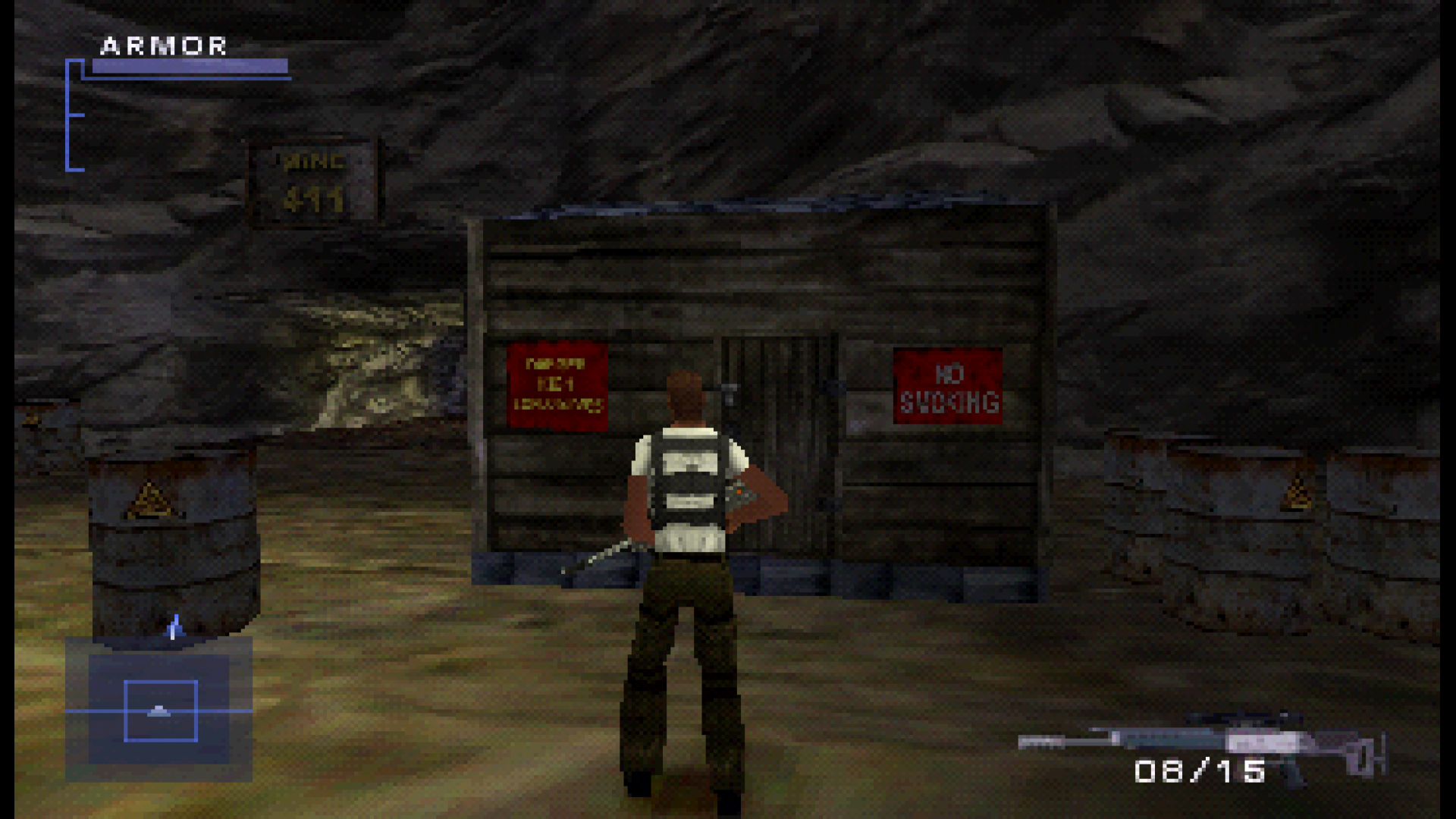
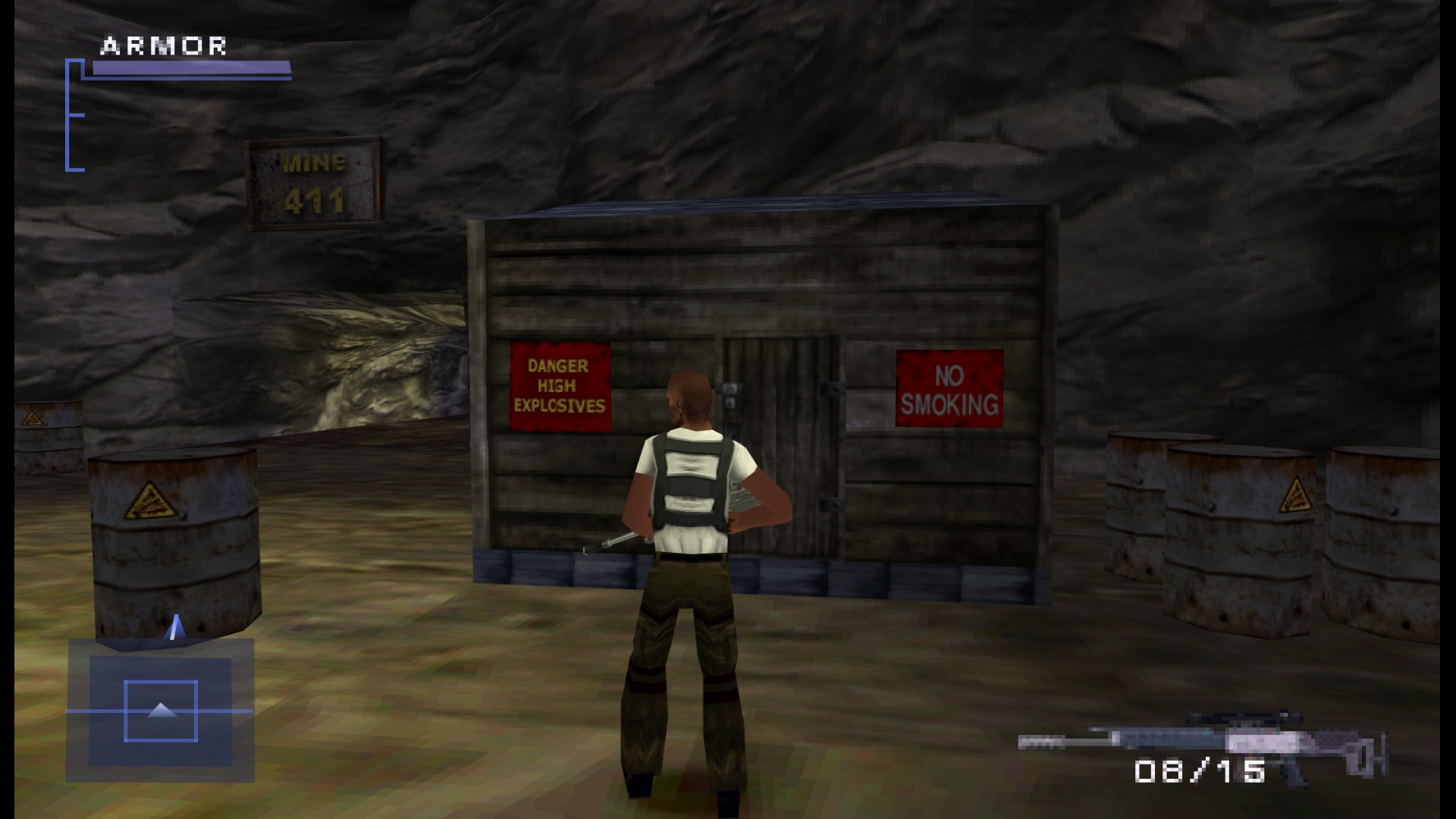
It’s a valid point that due to the resolution and viewing distance of televisions back then, it wouldn’t have made a difference anyway when your character is that far from an indistinct blob of text. But what about a location like this, where you’re right on top of a sign and you still can’t read it? Surely you could have seen this on a CRT of the time. I wonder what this game would have been like if it had been released on, well, any other platform from Dreamcast to PC, where it could have enjoyed a higher resolution on release.
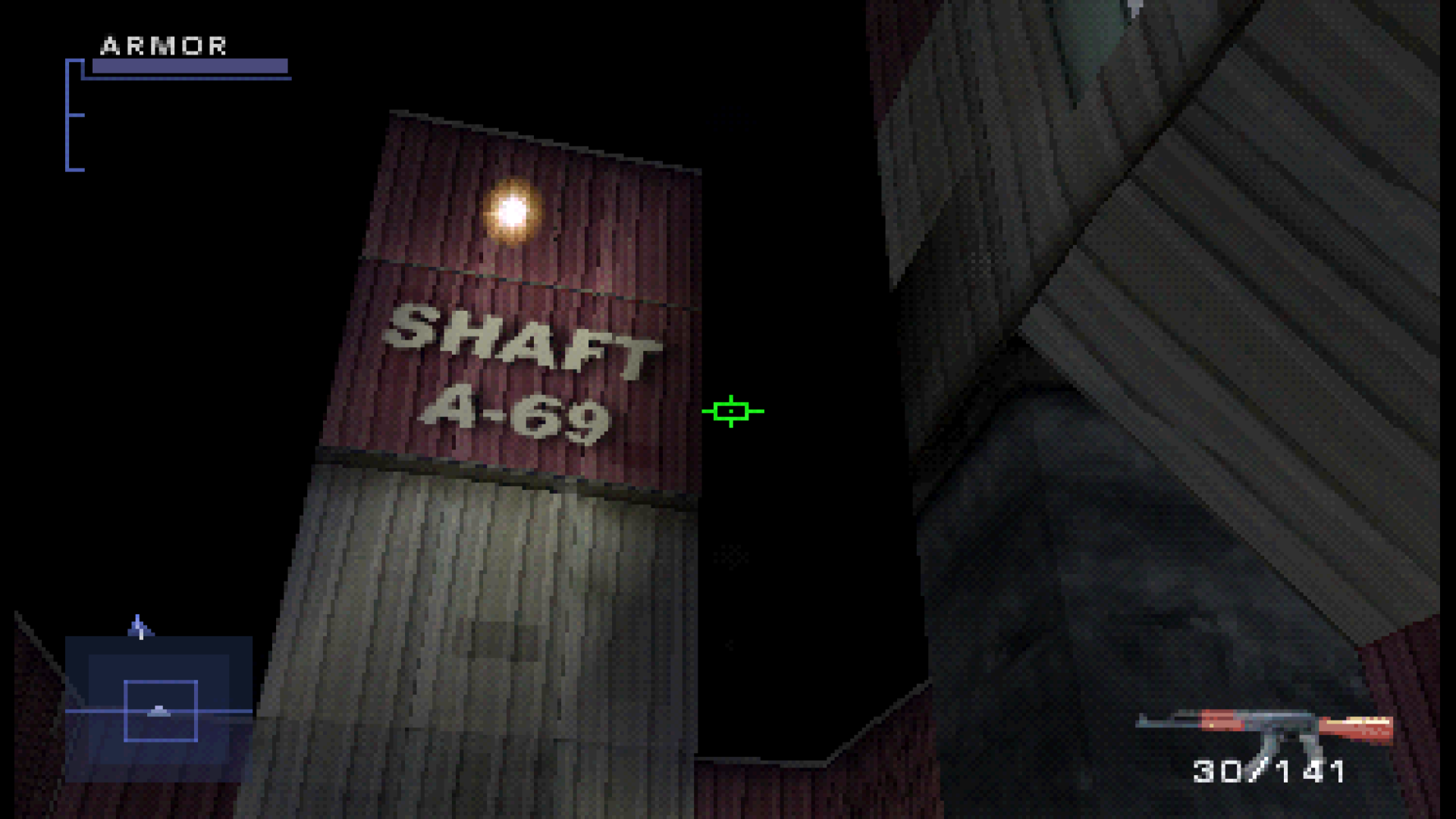
Completely random serial number, I’m sure.
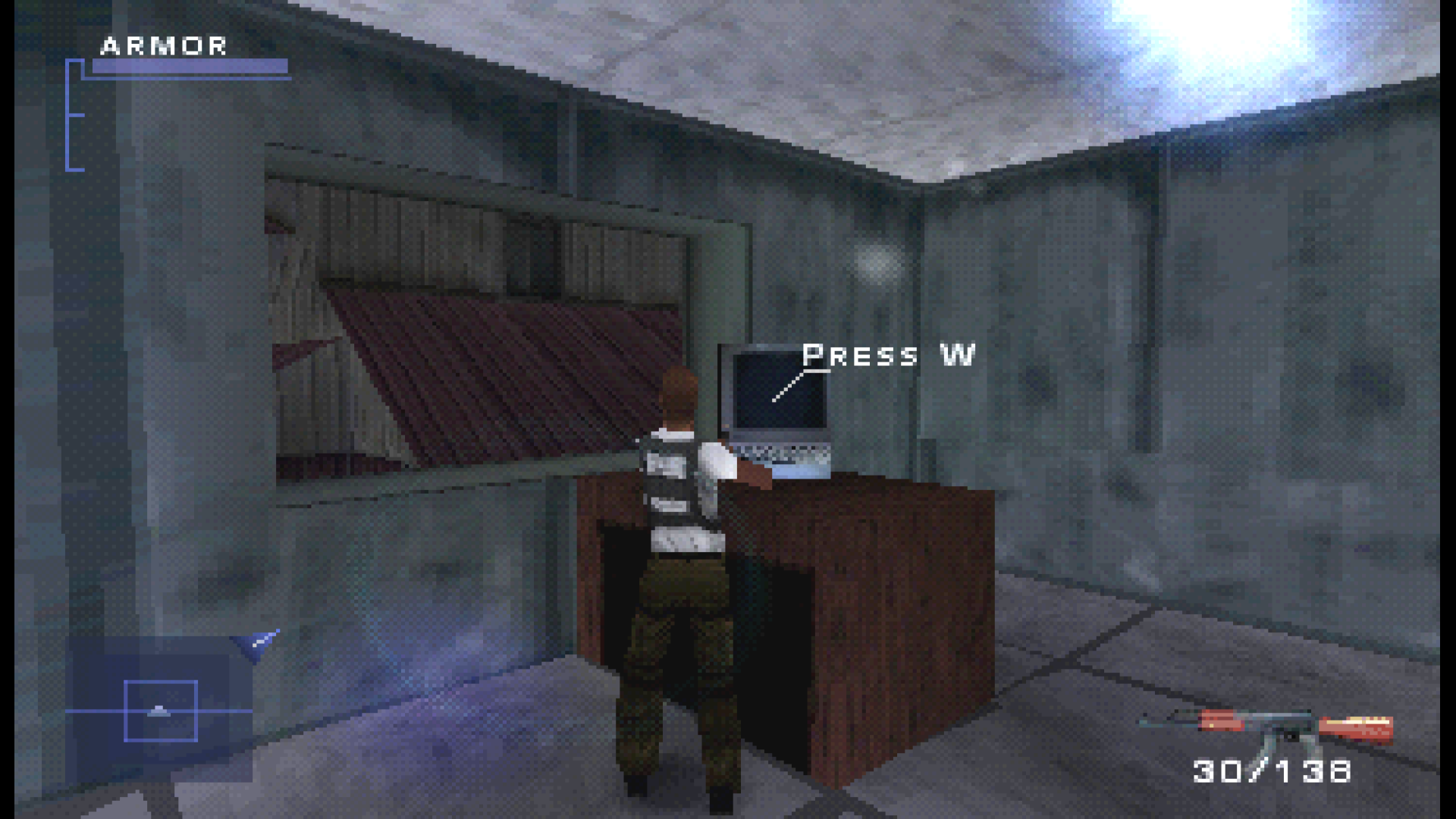
Hacking is easy, just press W. Also nice example here of how they turned down the lens flare intensity to normal levels in this game.
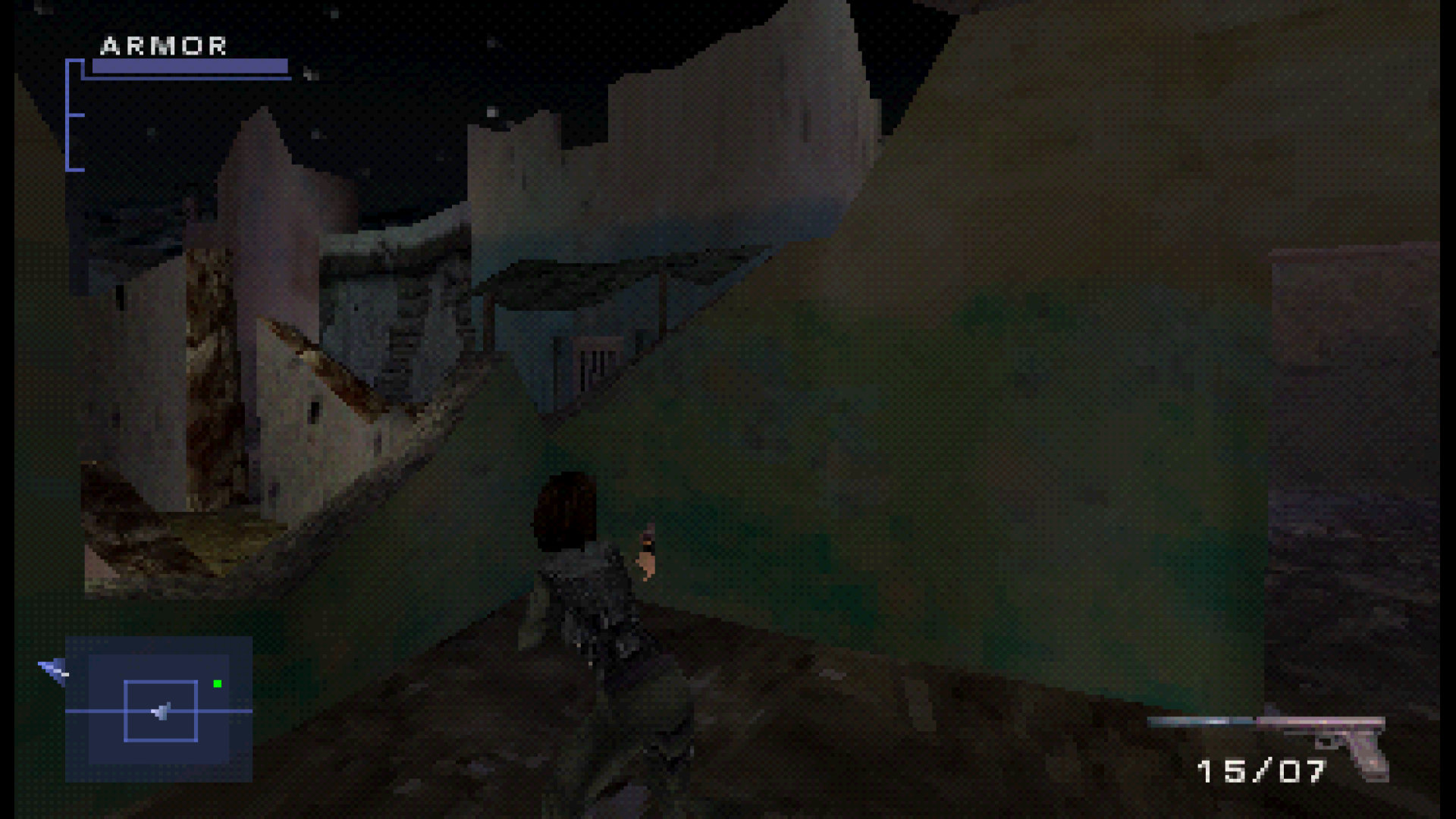
Kabul at night. Some real MGS4 vibes here, years before that game’s release, crawling through bombed out buildings.
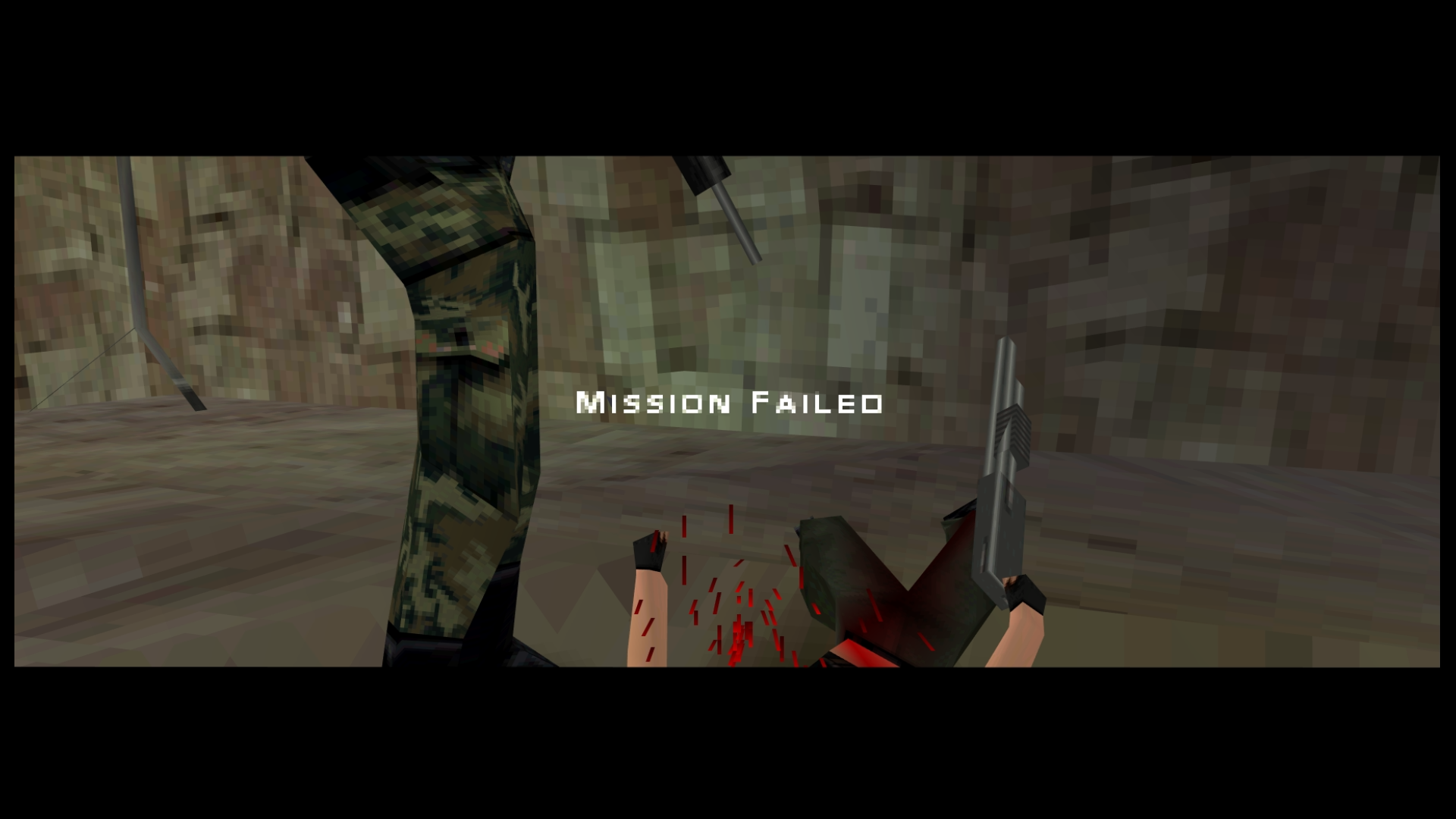
MISSION FAILED is a message you will see often in this game, although it’s nowhere near as cheap feeling as Syphon Filter 2.
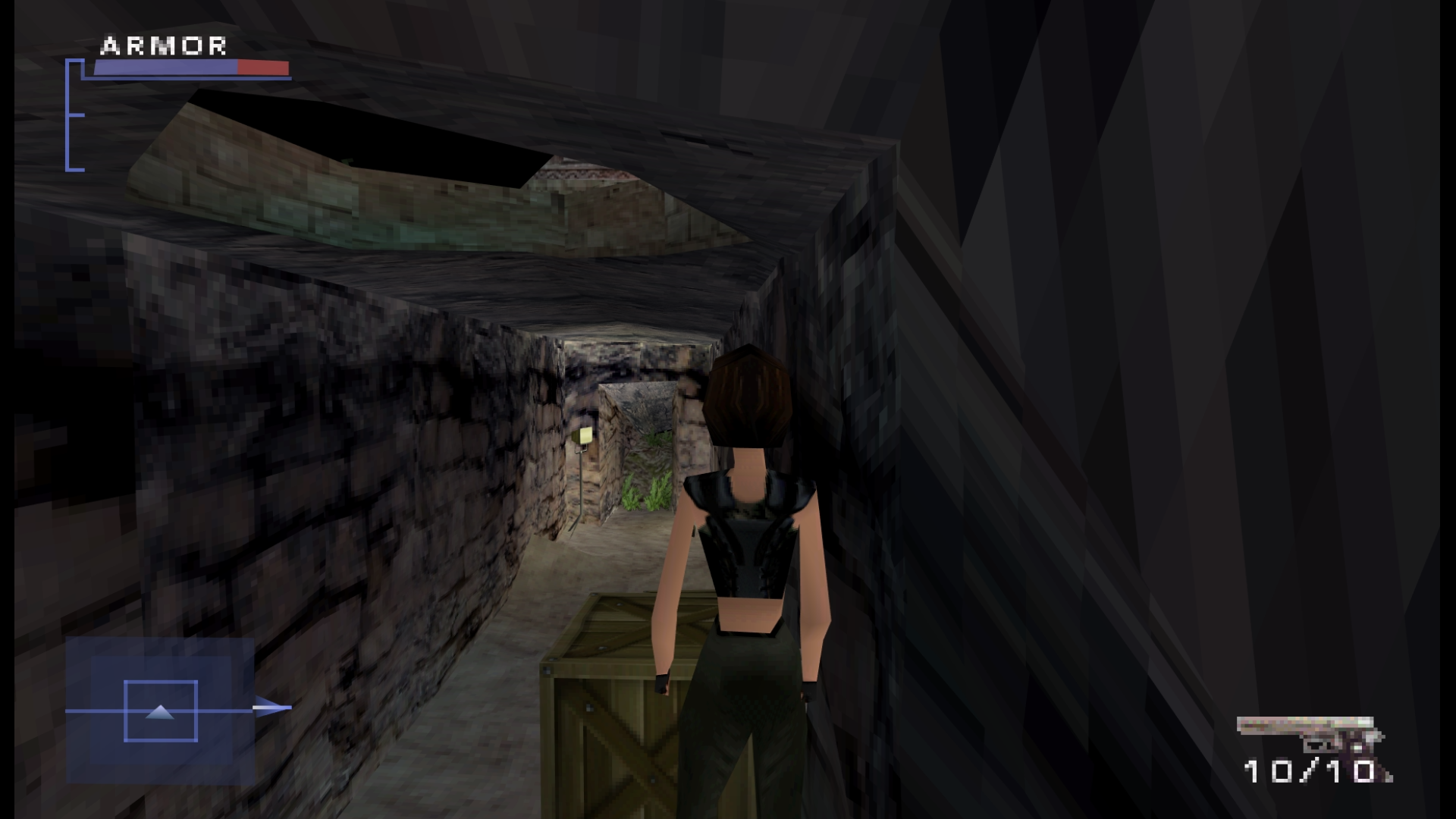
To my dismay, they emphasized platforming a lot less in this game; there is far less hanging, climbing, and jumping than in the previous installments. But, this is a classic example of Syphon Filter‘s platforming style: some seemingly random crates and a suspiciously placed hole in the roof.

A quick jump, hang, and climb later…we’re up! There’s nothing particularly groundbreaking about that, but I just enjoy examining the whole 3D space, which is not actually that common when you play games and think about it. There’s a saying in the gaming industry, “Gamers are like dogs: they can’t look up.”
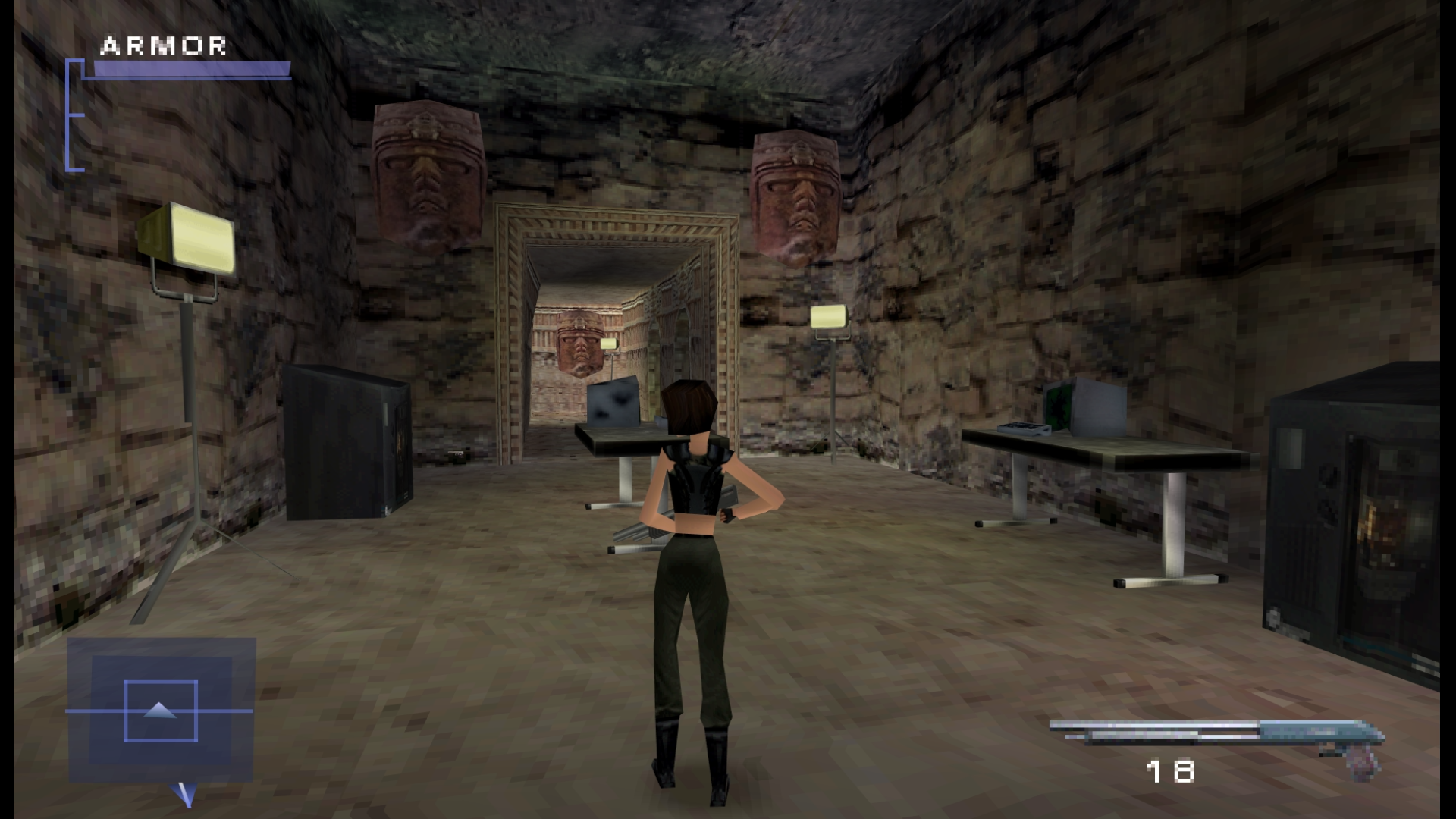
Wow, feels like I’m back in 2001 in the customer service room at the Mayan-themed Fry’s Electronics store that used to be on Brokaw Road in San Jose, California.
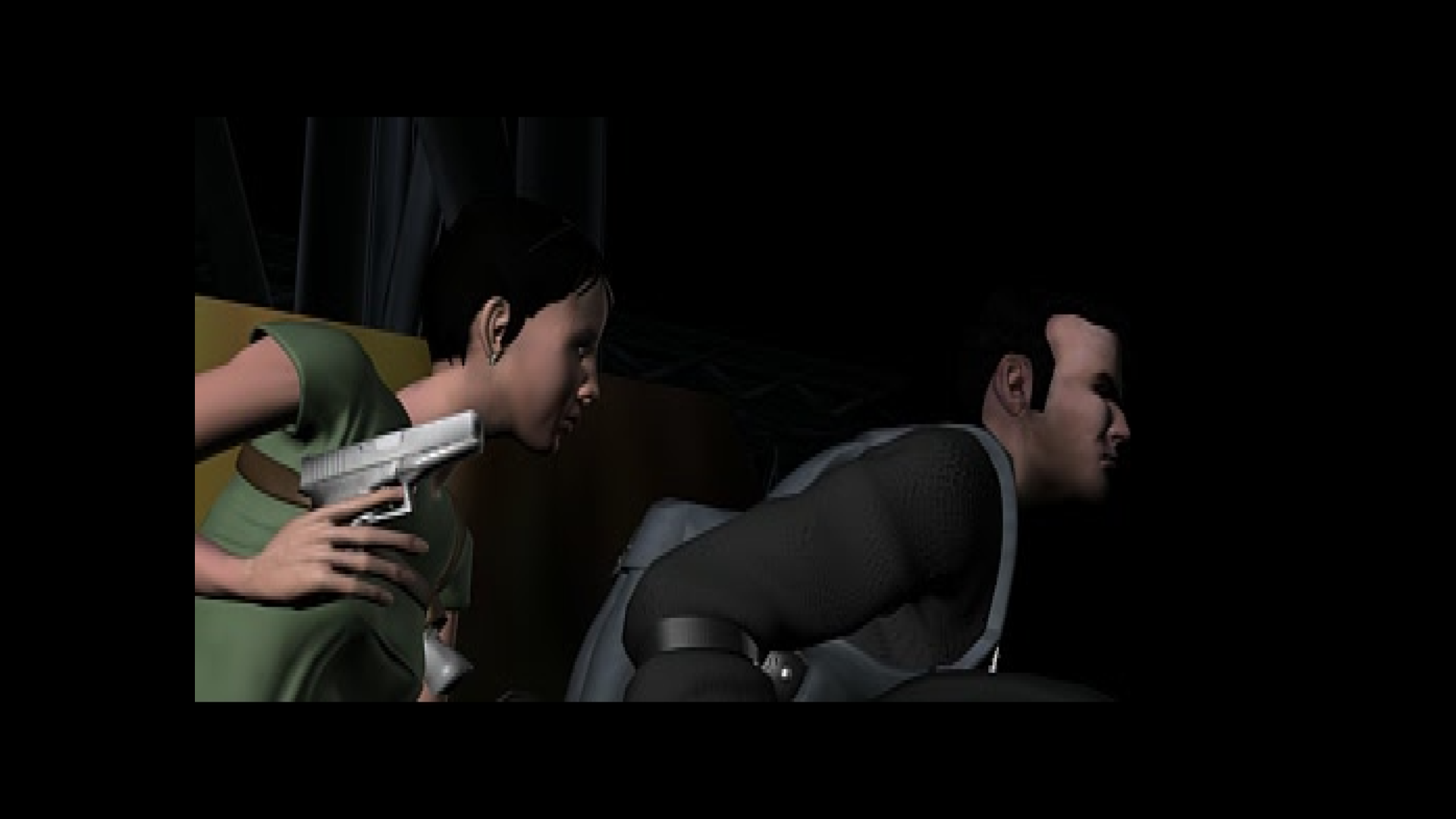
While the first two games’ FMV’s looked like they were rendered in the game engine, these used something completely different for this one. Okay, they do look janky by today’s standards, but these aren’t bad for 2001 and are a huge step forward from the previous games. And perhaps most importantly, they’re used sparingly: this game is a similar length to SF2, but that game needed two CD’s to hold all the movies.
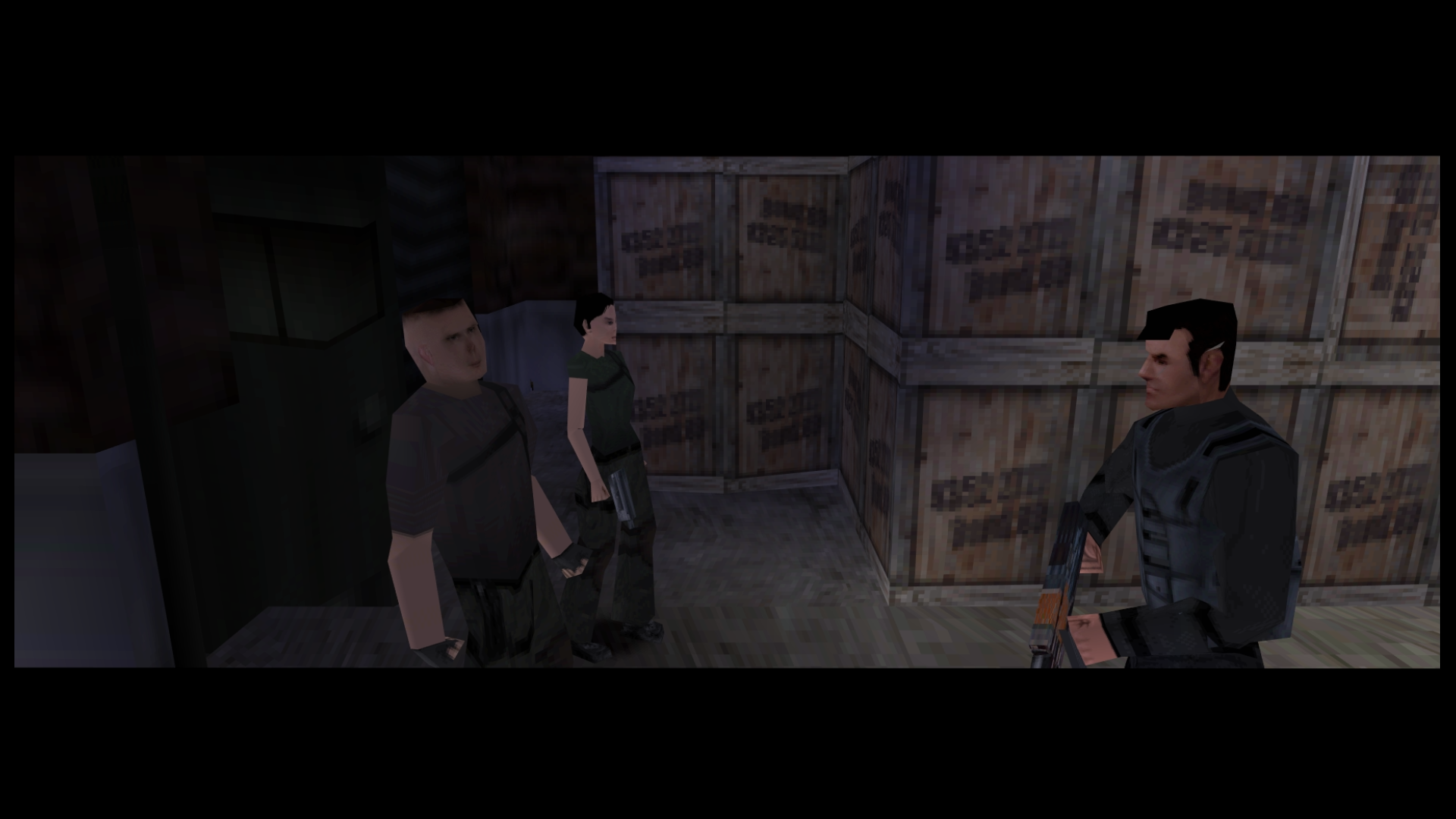
The in-game faces are significantly better, and it seems like they at least tried to make the hands not look like blocky stubs anymore.

This game is so much more interesting and enjoyable than SF2, but it still has some of the same issues with the missions being too tightly scripted. Sometimes you’ll just fail objectives–and thus the whole mission–by taking too much time looking around, as I did here.
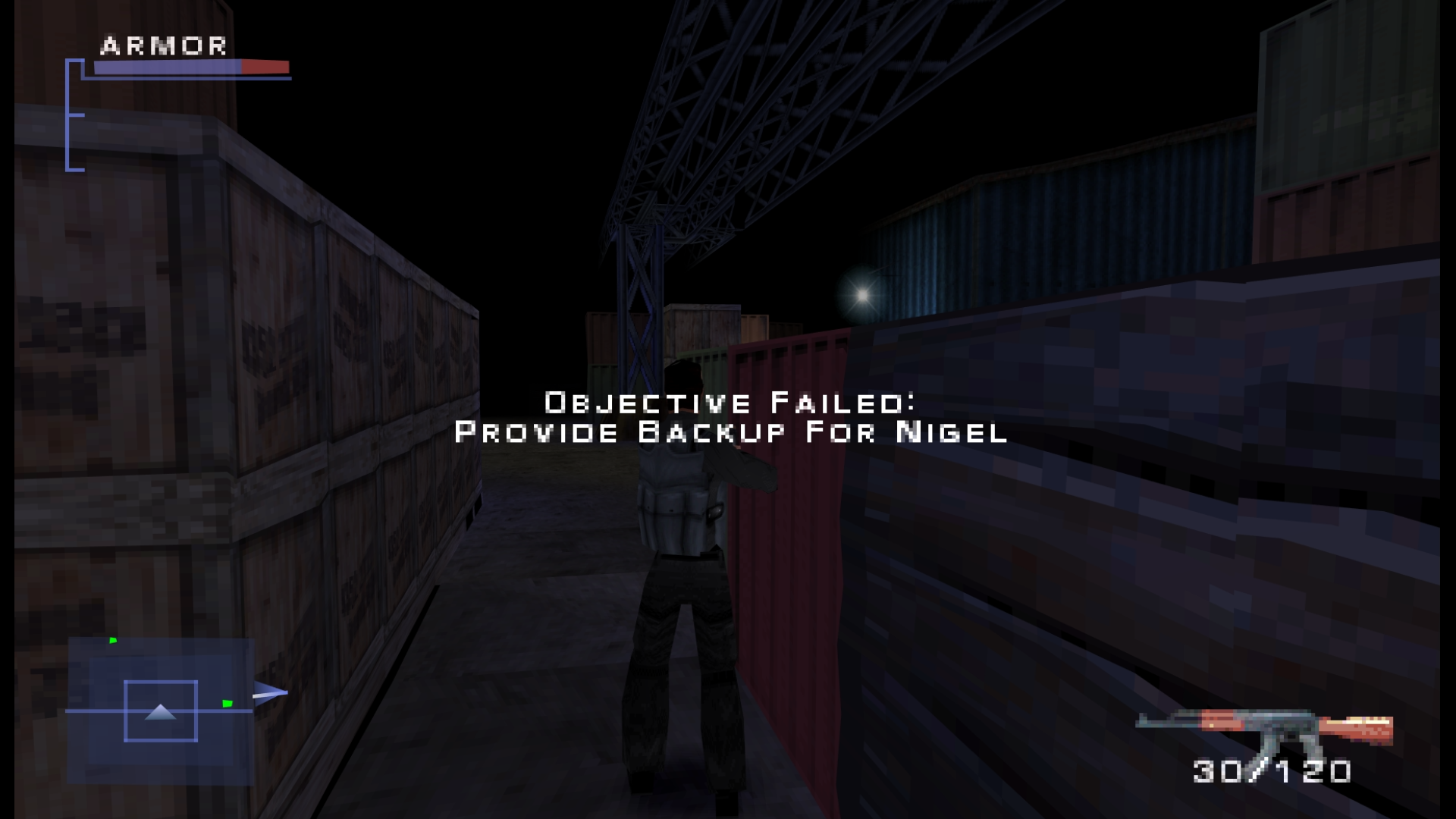
In this case, dumb ol’ Nigel just plows forward, and if you don’t follow him he’ll just run ahead and get killed.
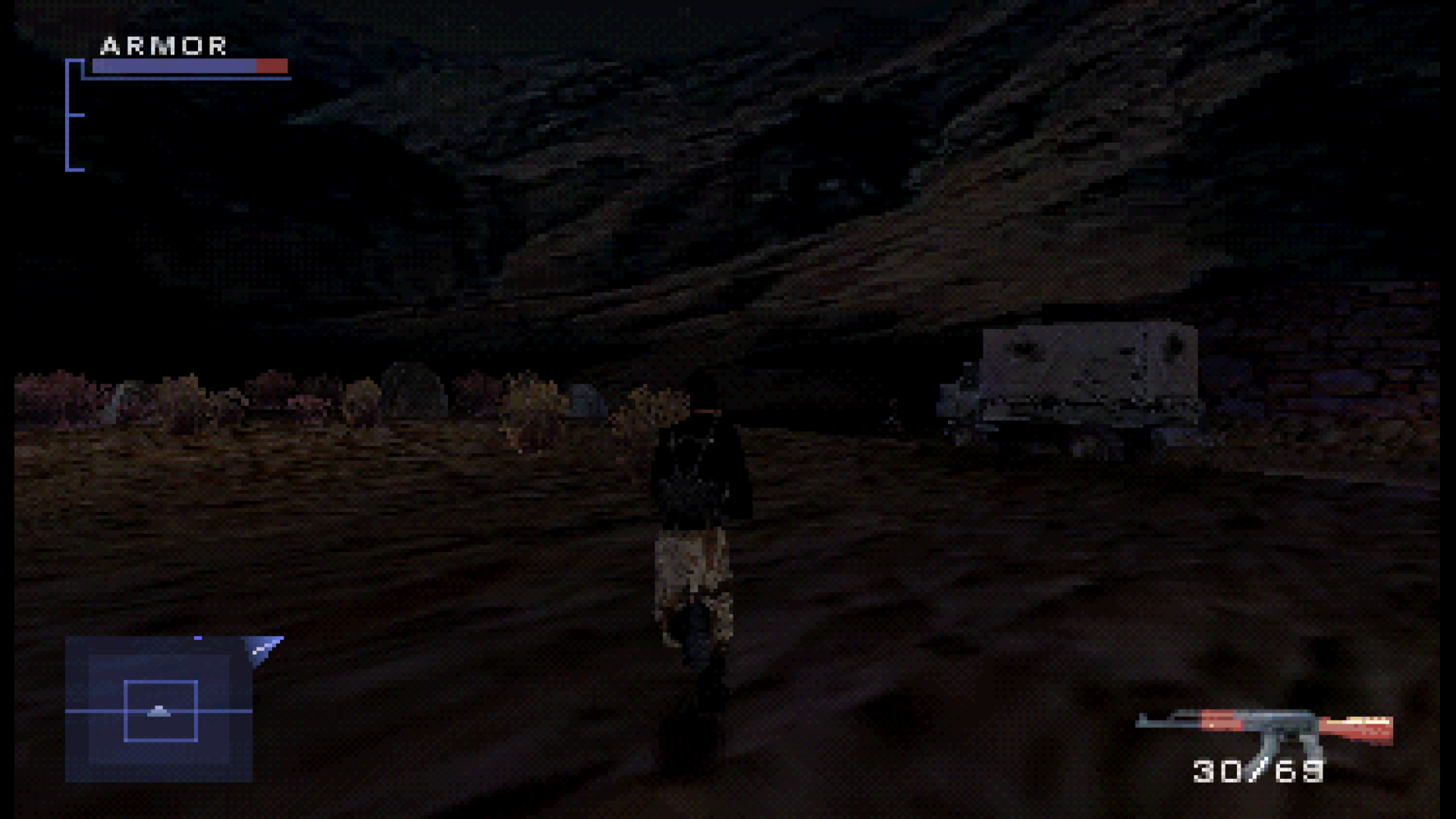
I think they nailed the atmosphere of this mission; it really feels like you’re exploring at night.
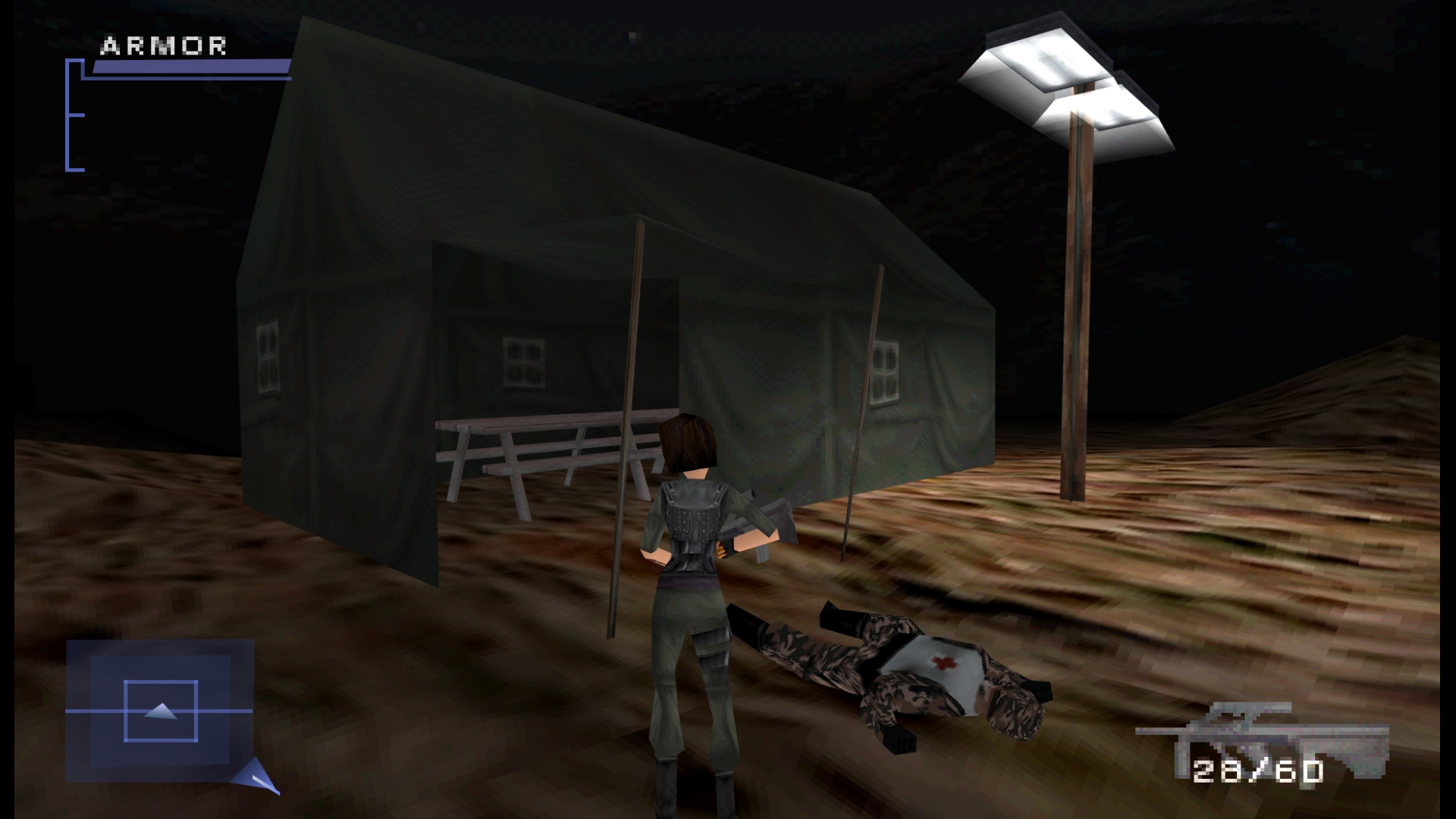
I suppose in a way it’s kind of cheating from a level design perspective, because you have a built-in excuse as to why there is no draw distance. Still, the effect is pulled off very well here.

This series has always featured these little notes above characters and objectives, so there’s nothing out of the ordinary here. It’s just funny to see that juxtaposition of “mass grave” and “take photo here” that feels like some sort of weird tourist attraction.
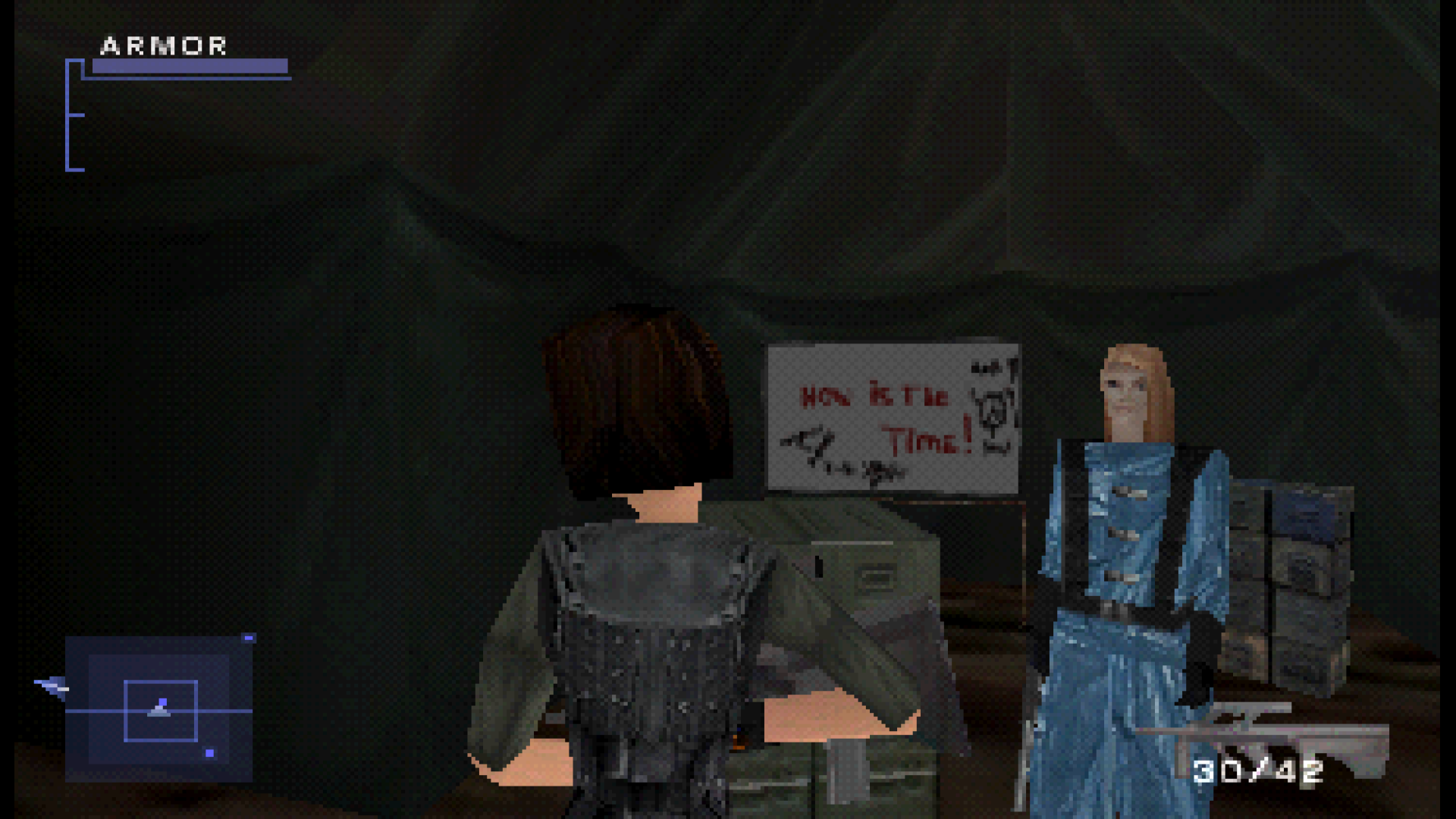
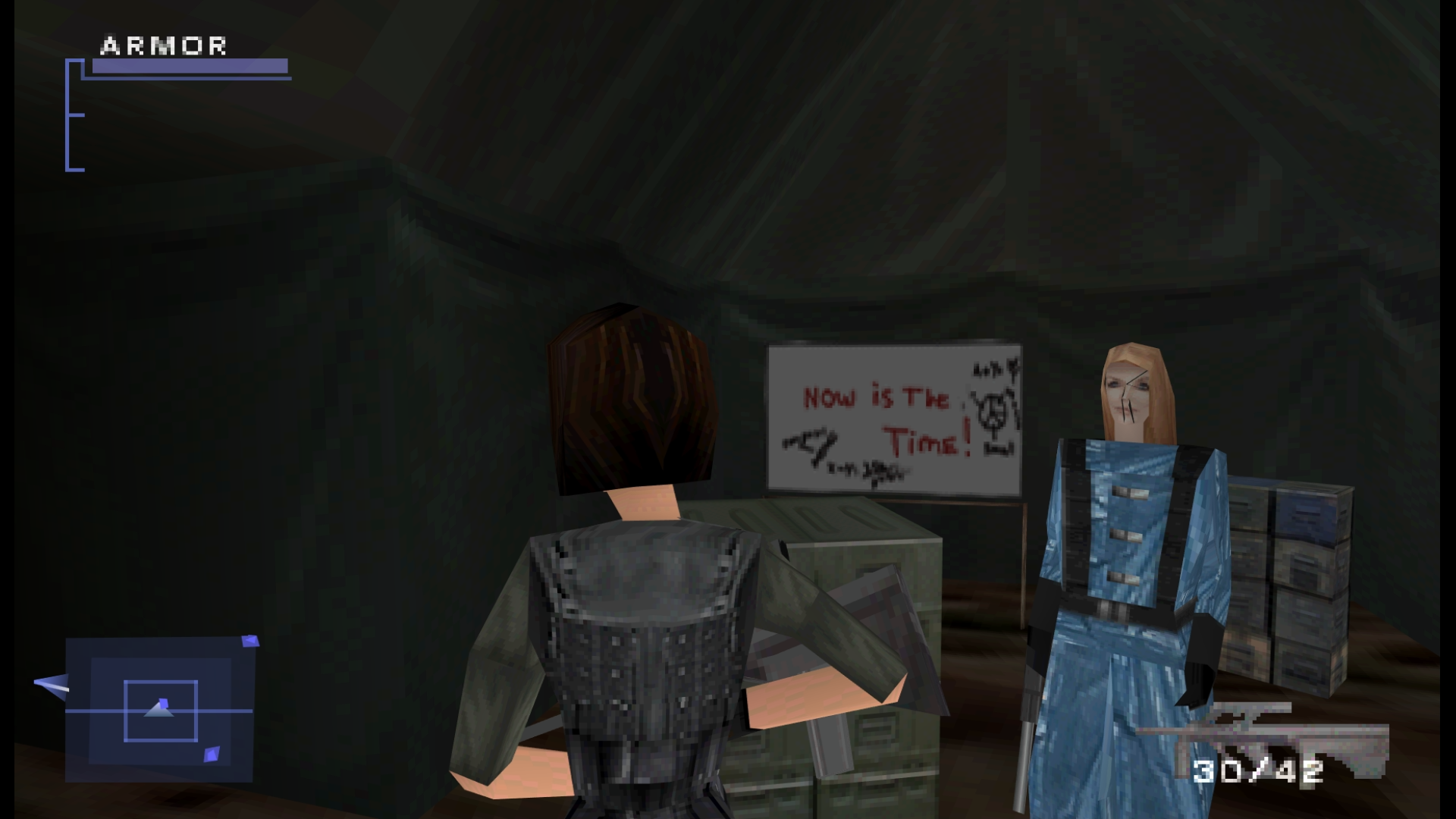
Another reason I played a lot in the native resolution was due to the way the game engine stitches characters together. Faces are composed of several polygons that jiggle around and sometimes leave gaps, which looks really creepy.

This reminds me of that great Mythbusters episode where they put a truck on square wheels to see how it would drive.

Another playable character! You get to be Teresa Lipan, an agent for, uh…
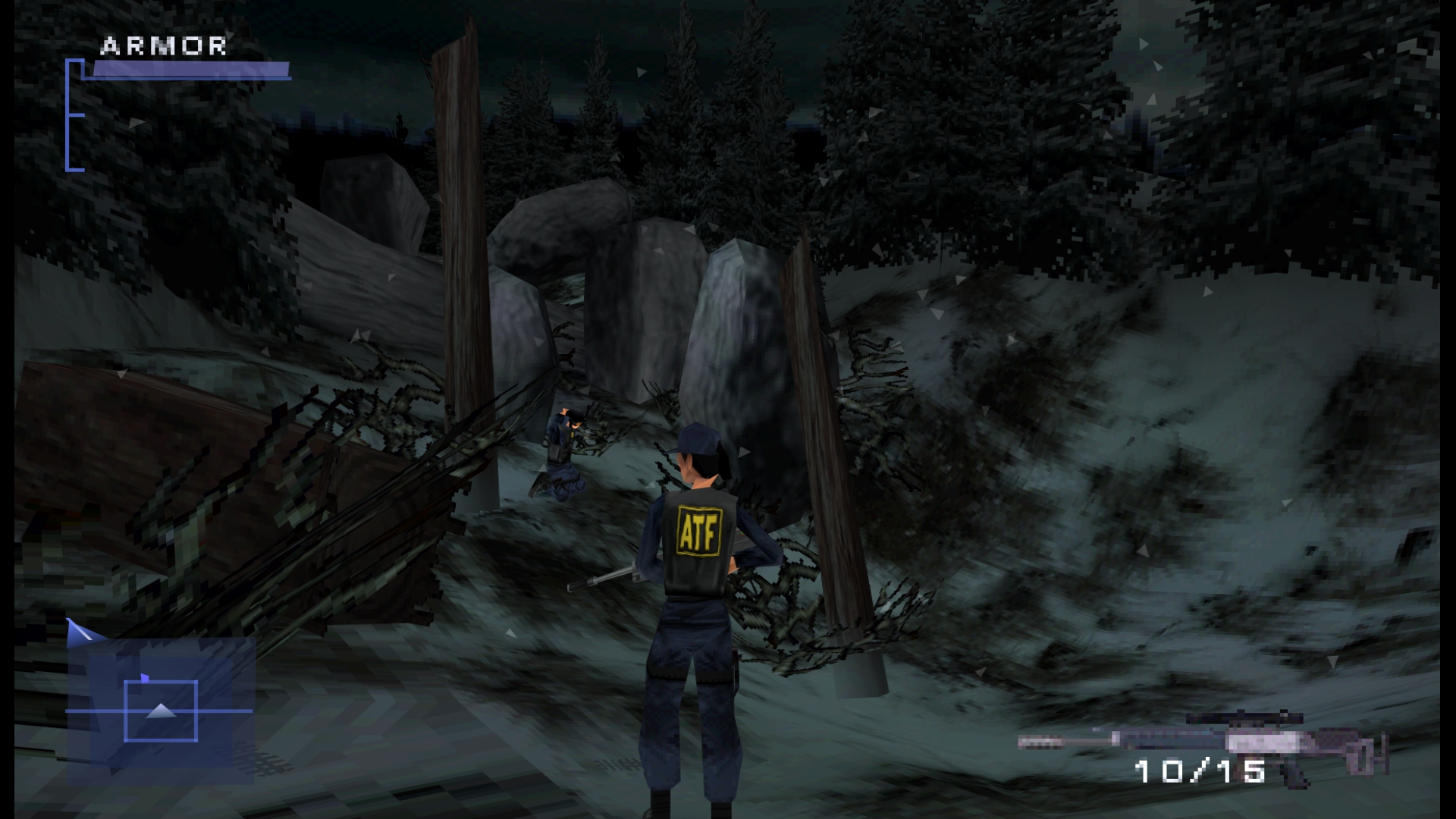
Ah, ATF. Got it.
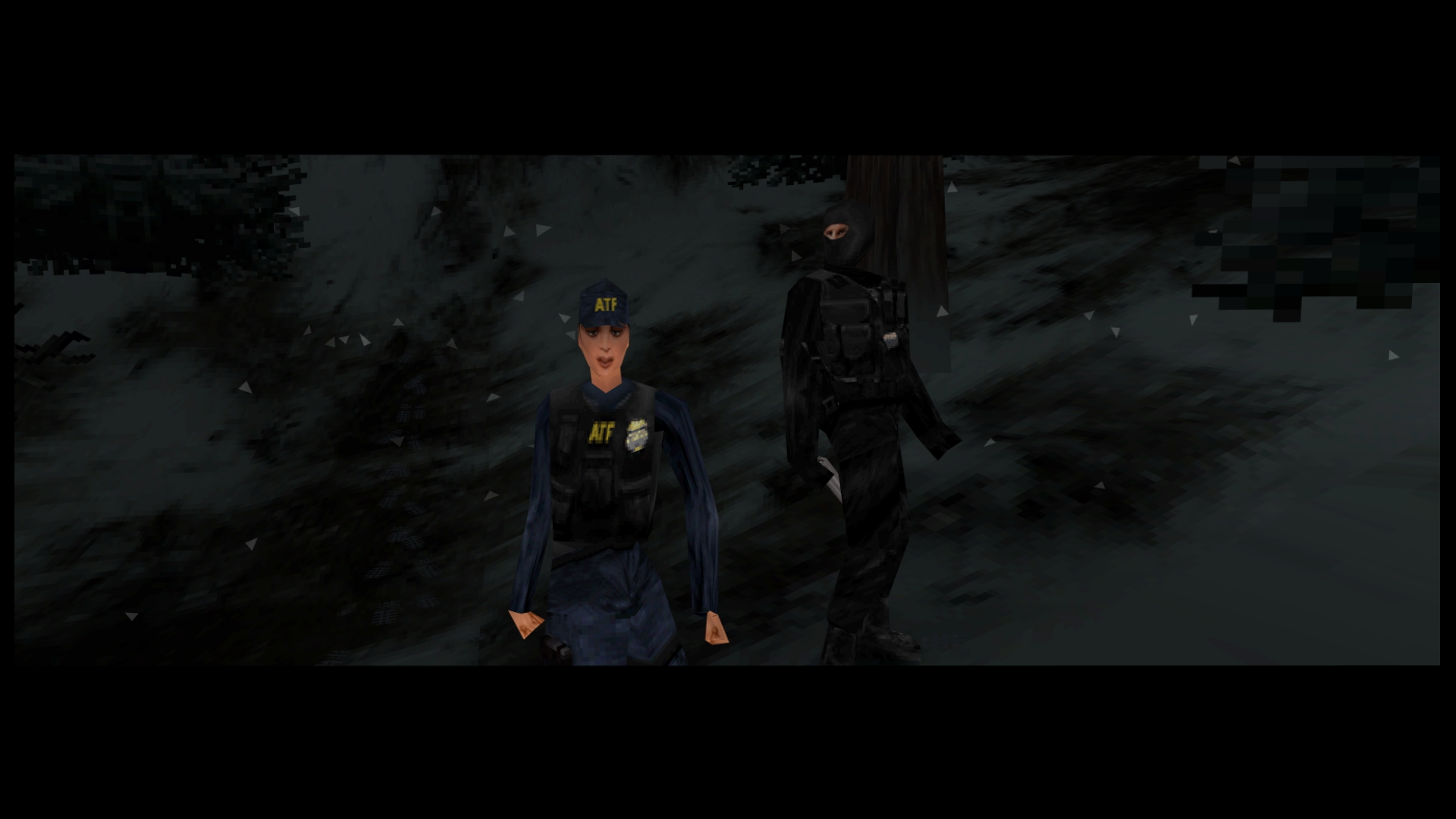
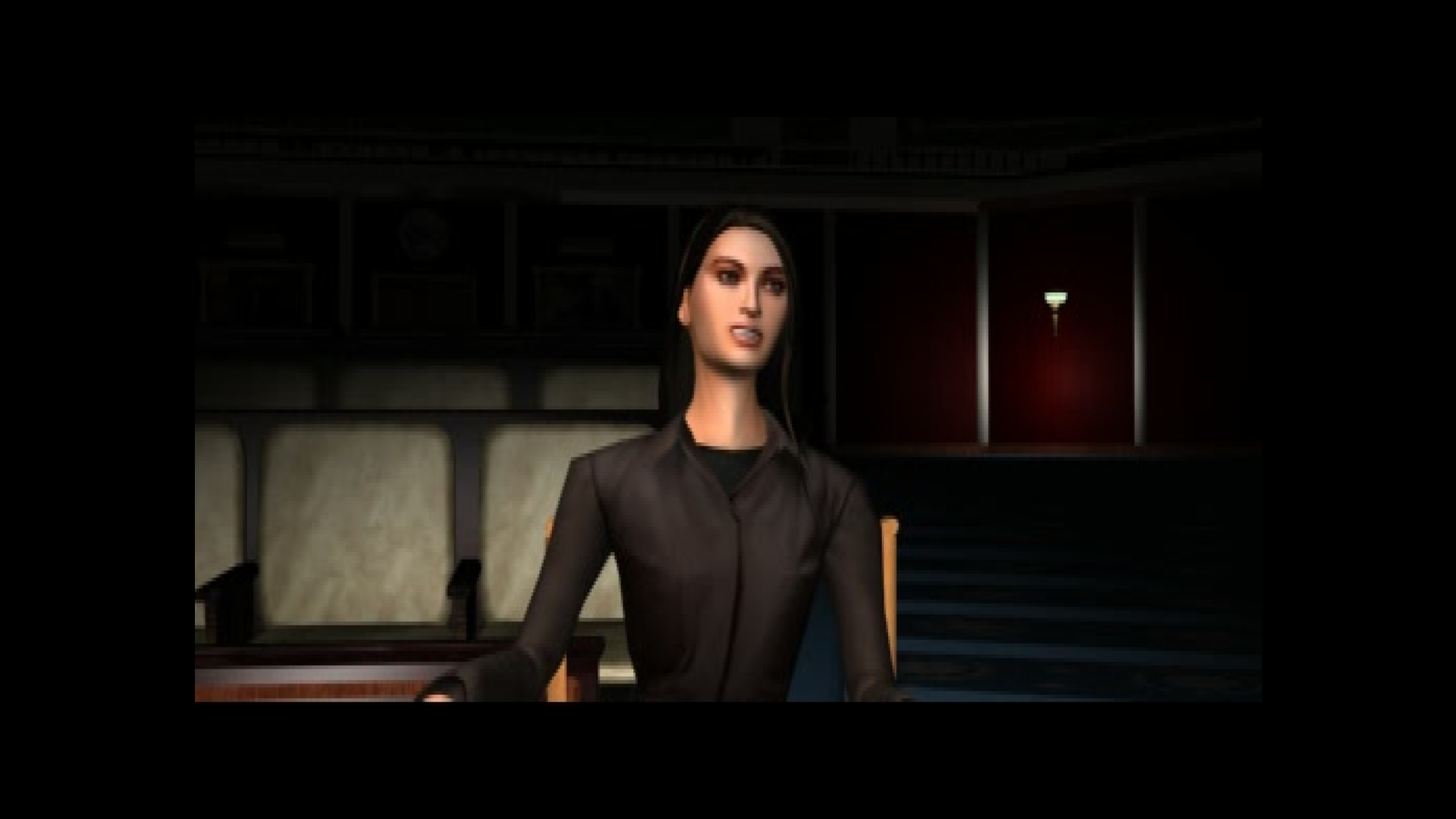
Despite now using different rendering software and models, they did a good job with the consistency of the character models across in-game and FMV, which was far from a given in this era. Also note that the high-resolution faces in-game aren’t always messed up.
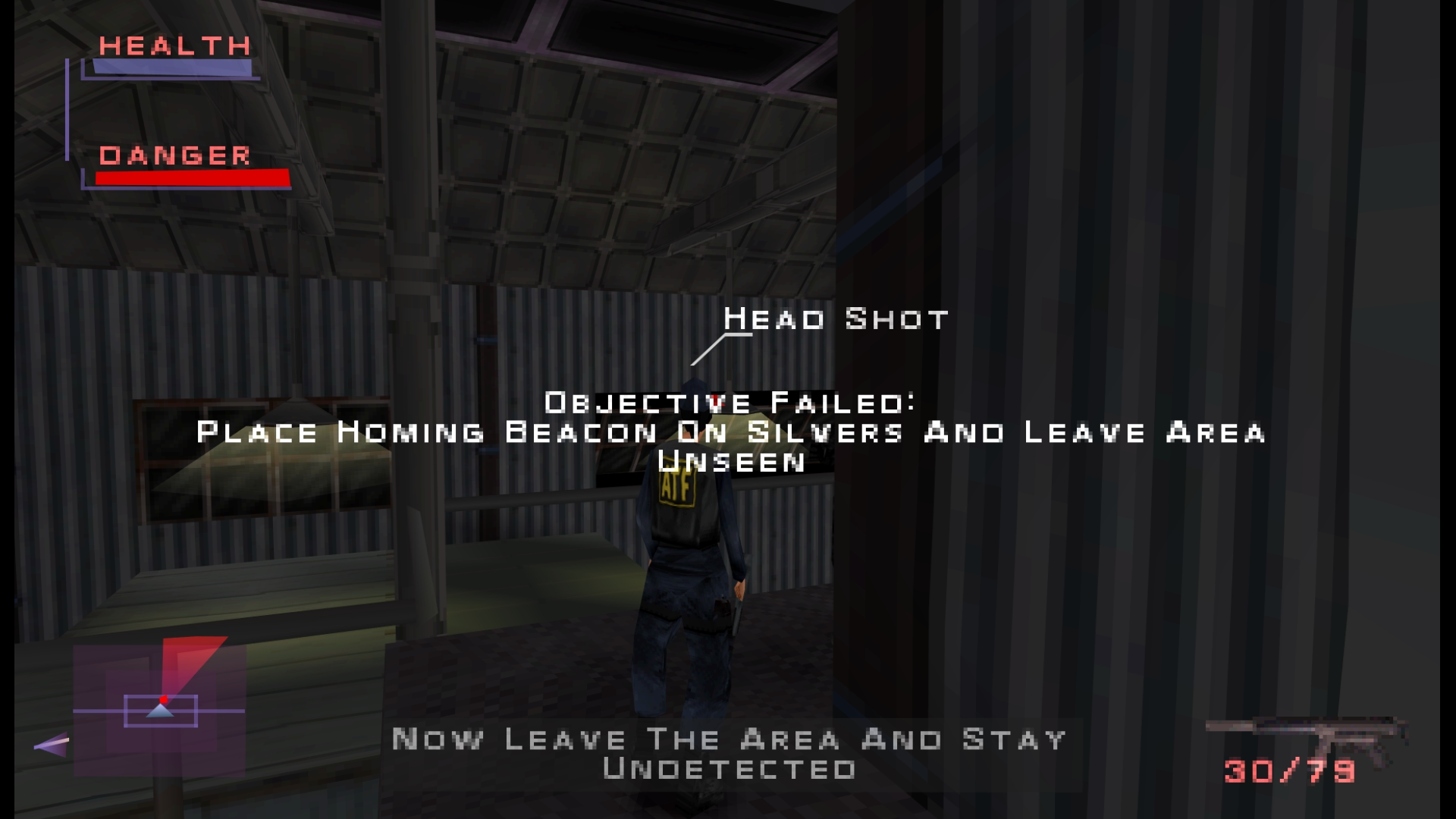
Here’s a good example of a janky scripted sequence. You have to sneak up on Colonel Silvers, put this homing beacon on him, then sneak away. Once you put on the homing beacon, you get the message “Now leave the area and stay undetected”–but you can see that this text hadn’t even faded off the screen before I immediately failed the mission when Silvers saw me! The second time I tried it, I walked up to him, placed the beacon, then walked away. Strange.
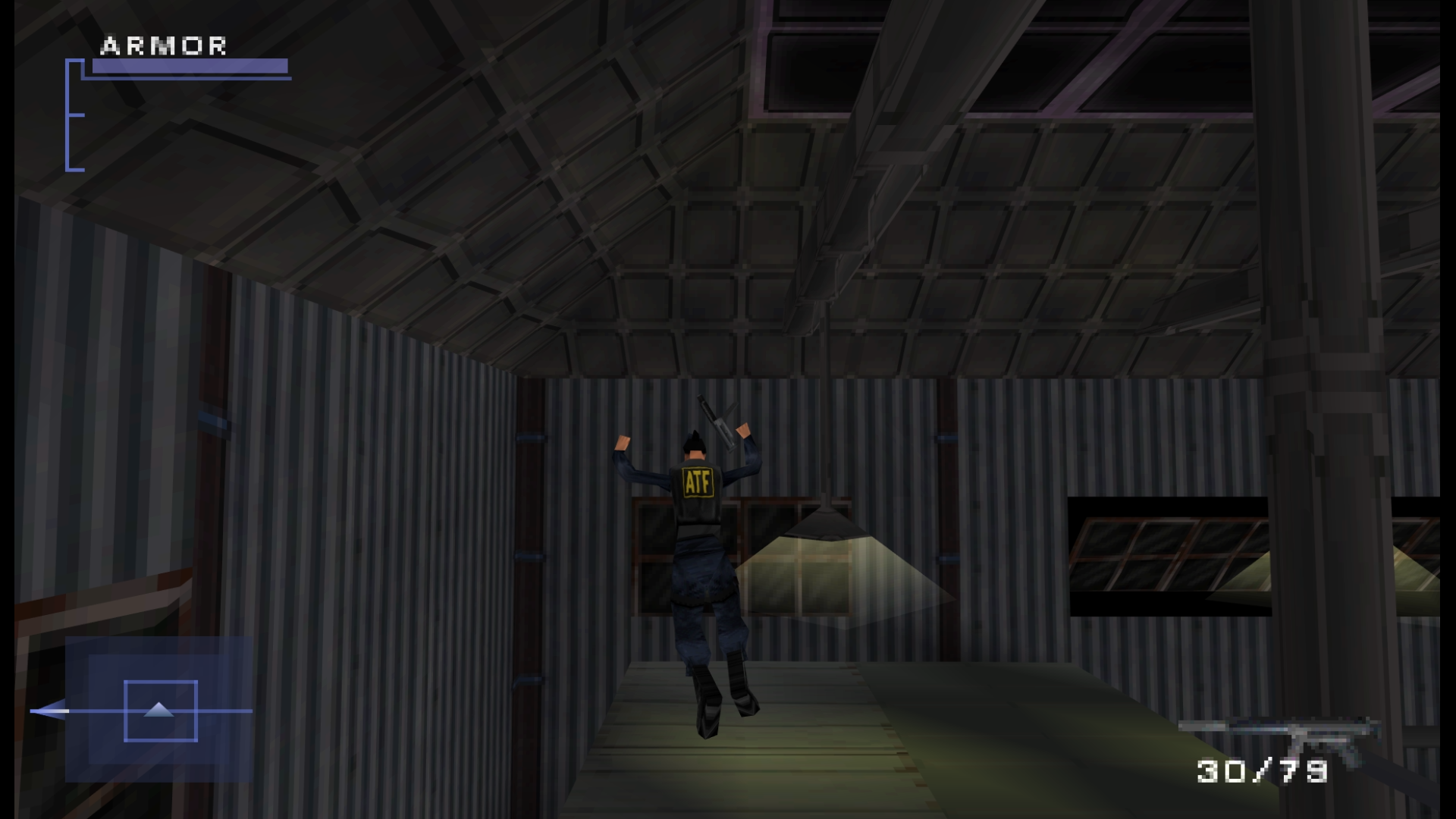
Oh yeah, they didn’t change the hands flailing flying jump; you just have to do it far less often.
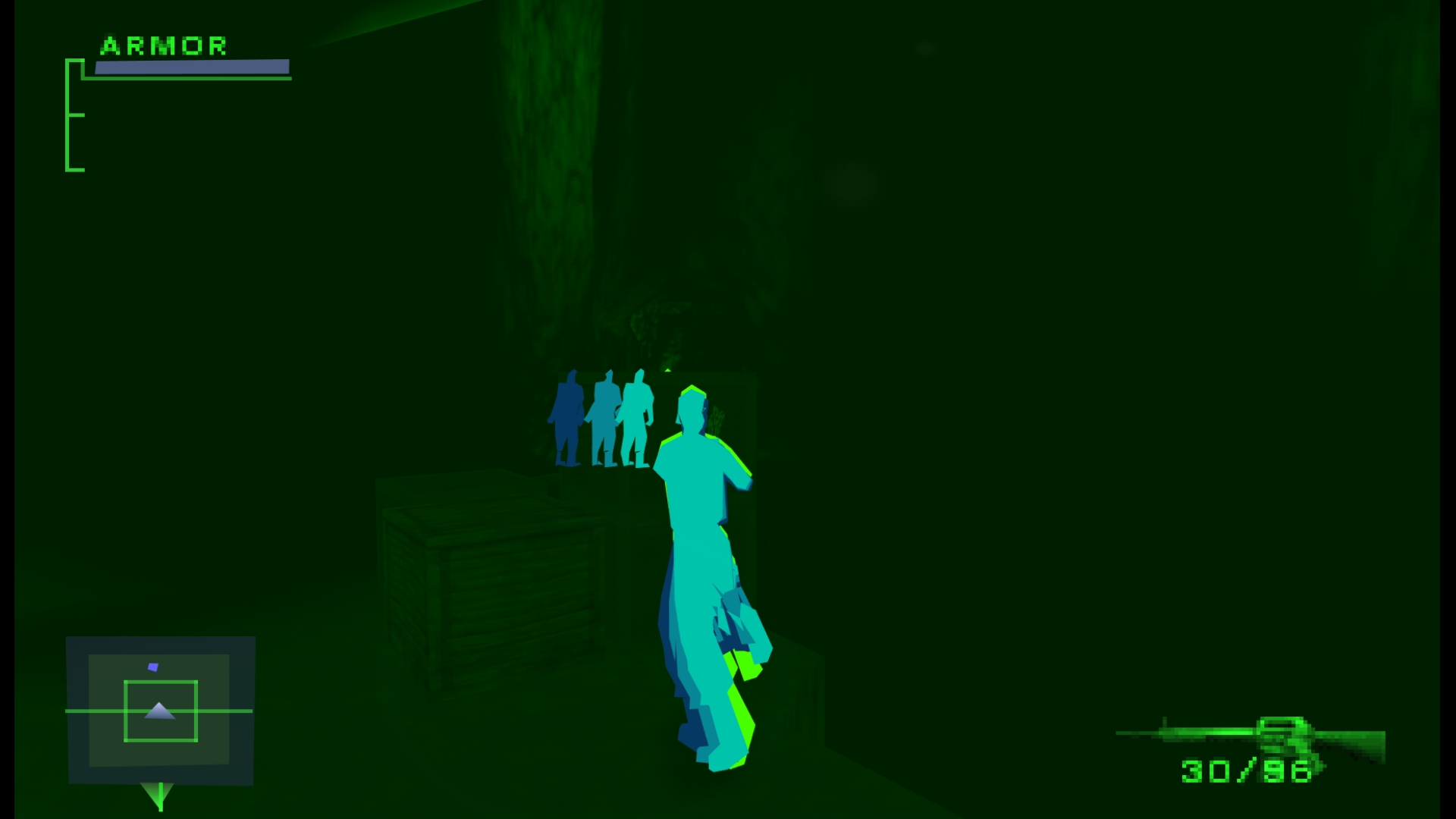

That’s not necessarily a comparison; I just wanted to show a couple different images of the super cool IR goggle effect.
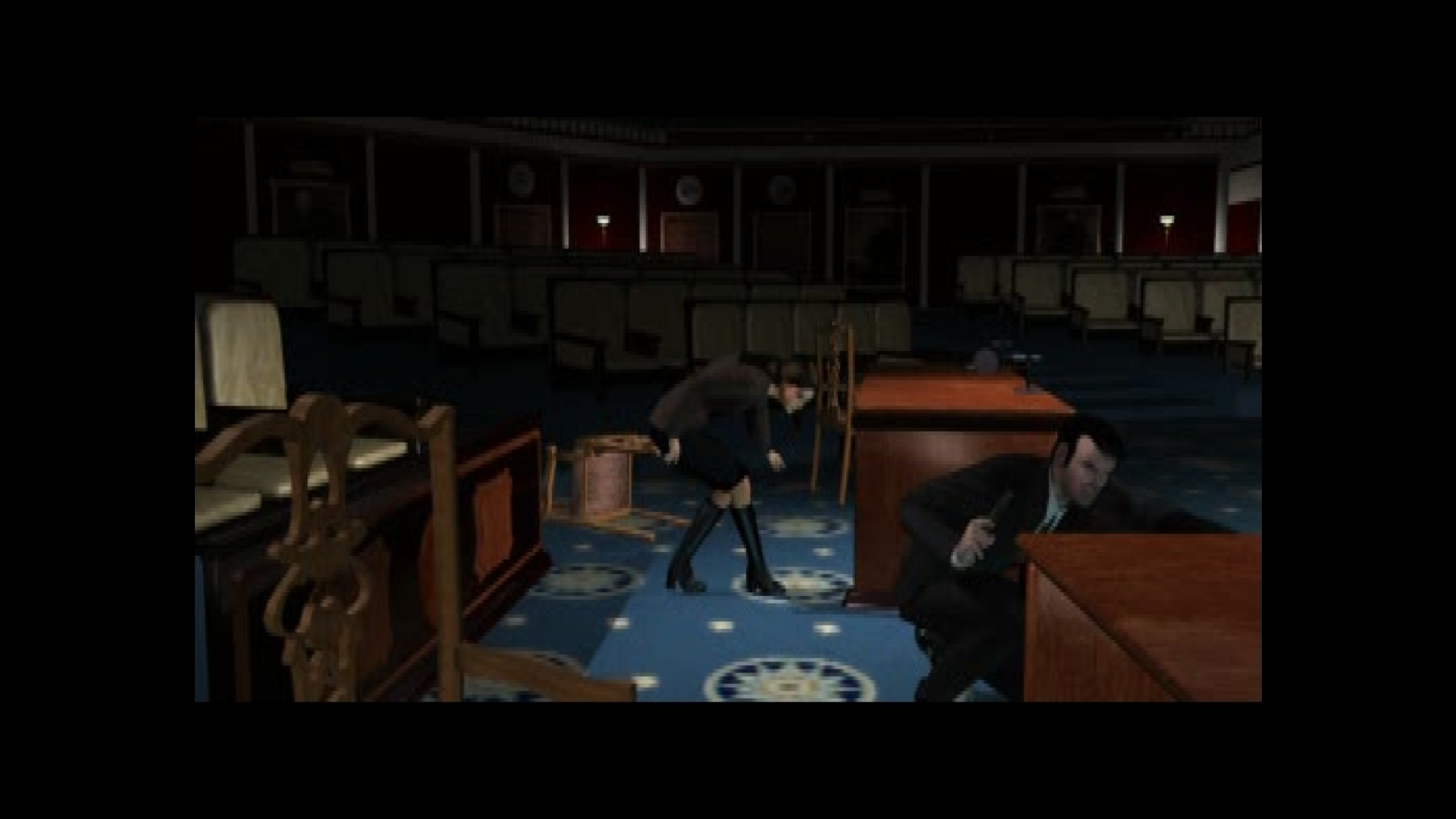
And a plot twist! I’m hesitant to spoil it as it’s one of the only interesting story points in my opinion, even though this game is 23 years old, so if you’ve gotten this far without playing the game and you don’t want to hear the spoiler, skip down to the next photo. If you’re still with me, the plot twist is: Vince Hadden, the Secretary of State who is investigating us, is actually one of the real criminals, and this whole thing is a conspiracy to use us as scapegoats. Whoa!
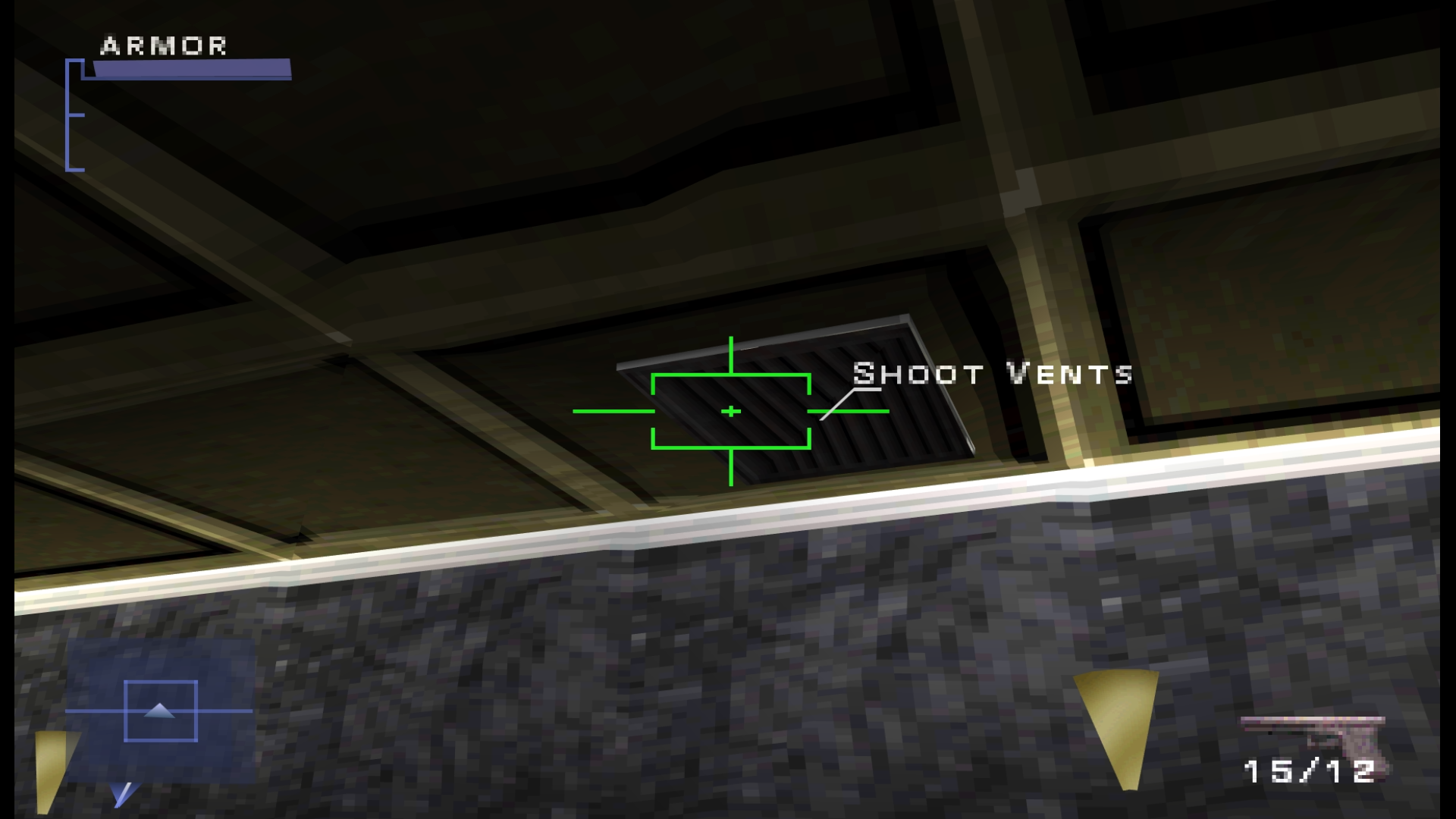
It’s like yellow paint being used to mark pathways in modern games: you can argue that if you need to put labels on exactly what you need to do next, your game design is flawed. But, it’s used so often in this game that it feels like a deliberate choice, rather than a response to play-test feedback, for example.
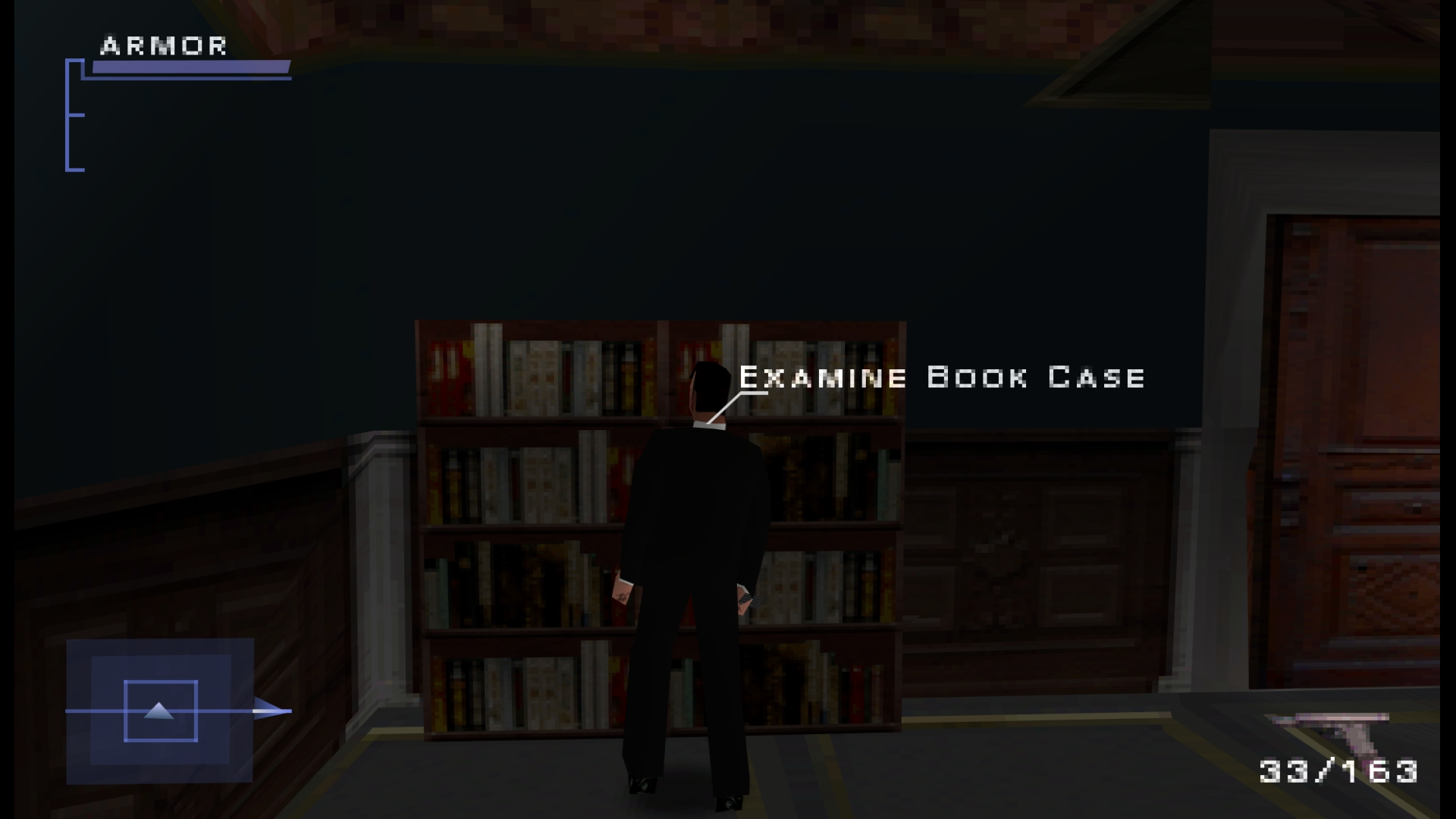
On the other hand, you could argue that it was a quality-of-life feature for 2001; as games moved into 3D, it wasn’t always obvious where to go. This does feel like a precursor to the “scan” feature you see in so many modern games that temporarily puts these sort of tags on everything in your vicinity.

The last level is bizarre. You go through a train, car by car, and it constantly shows USE AU300 HERE the entire time. You’re constantly instructed to use a gun you don’t have, in an area you can’t even see yet.
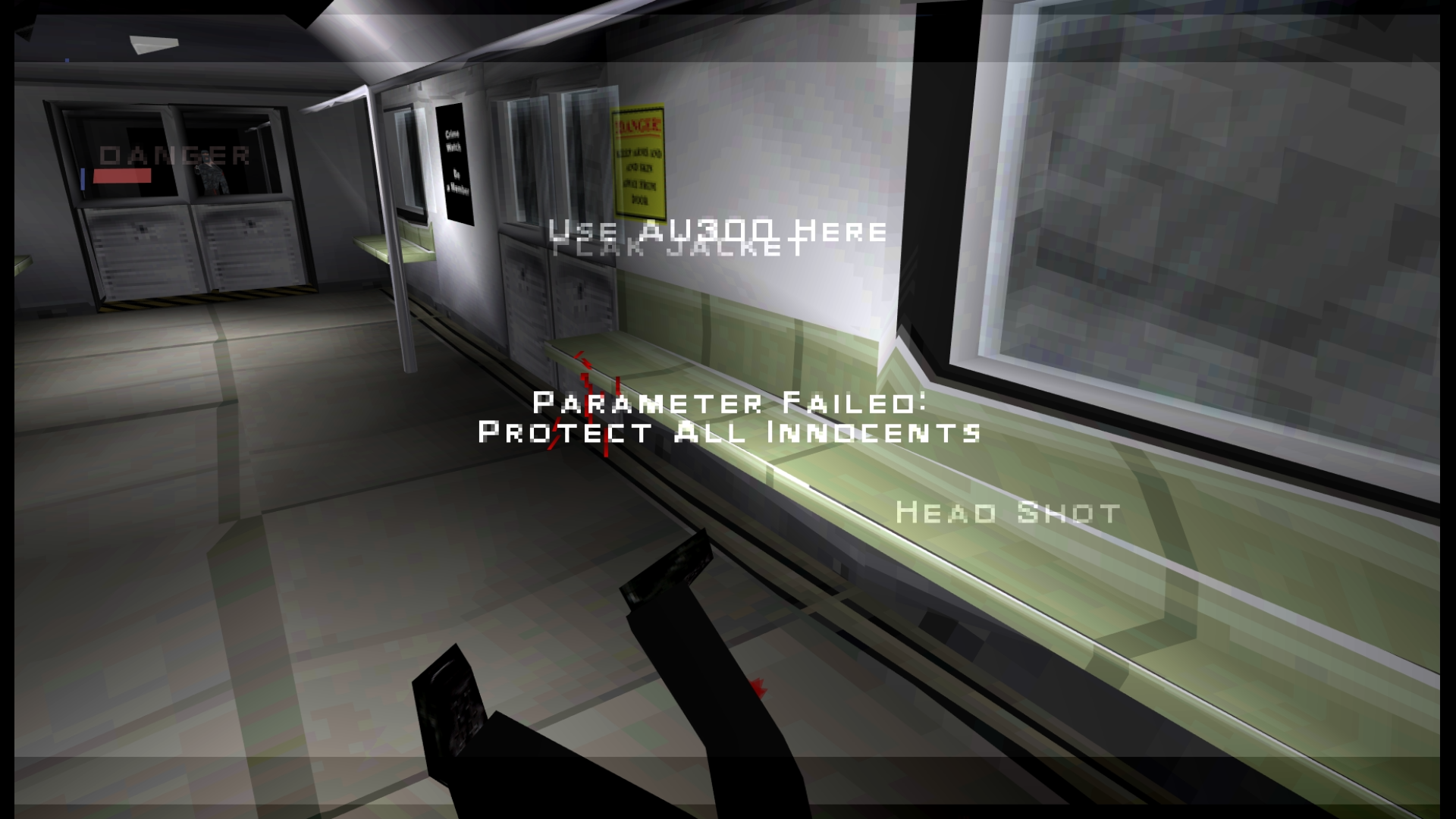
I failed this mission a lot. In contrast to Metal Gear Solid enemies, which have the eyesight of Mr. Magoo, the Syphon Filter enemies are way sharper. They can see you as soon as you can see them, and even sooner in some cases. With that said though, I am proud to state that I finished this entire game using no cheats. I consider this notable because I considered it necessary to use cheats to beat the super-cheap Syphon Filter 2. Although I failed and died many times in SF3, I was always able to figure out what I needed to go and get through it fairly.

It really keeps this far away mission objective on the screen for the entire mission?? Yep.

Oh man…finally.
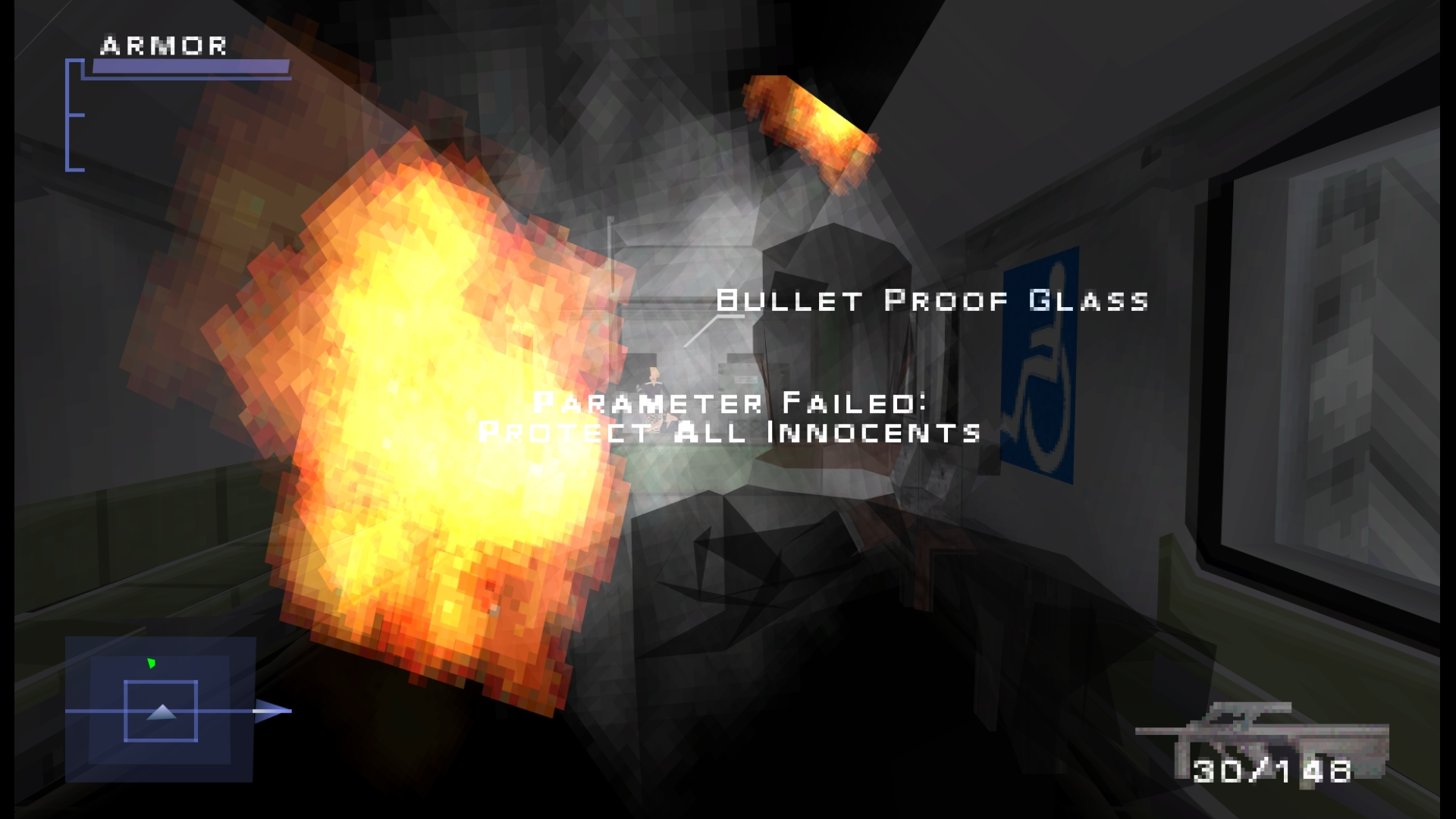
Alright, that didn’t work.
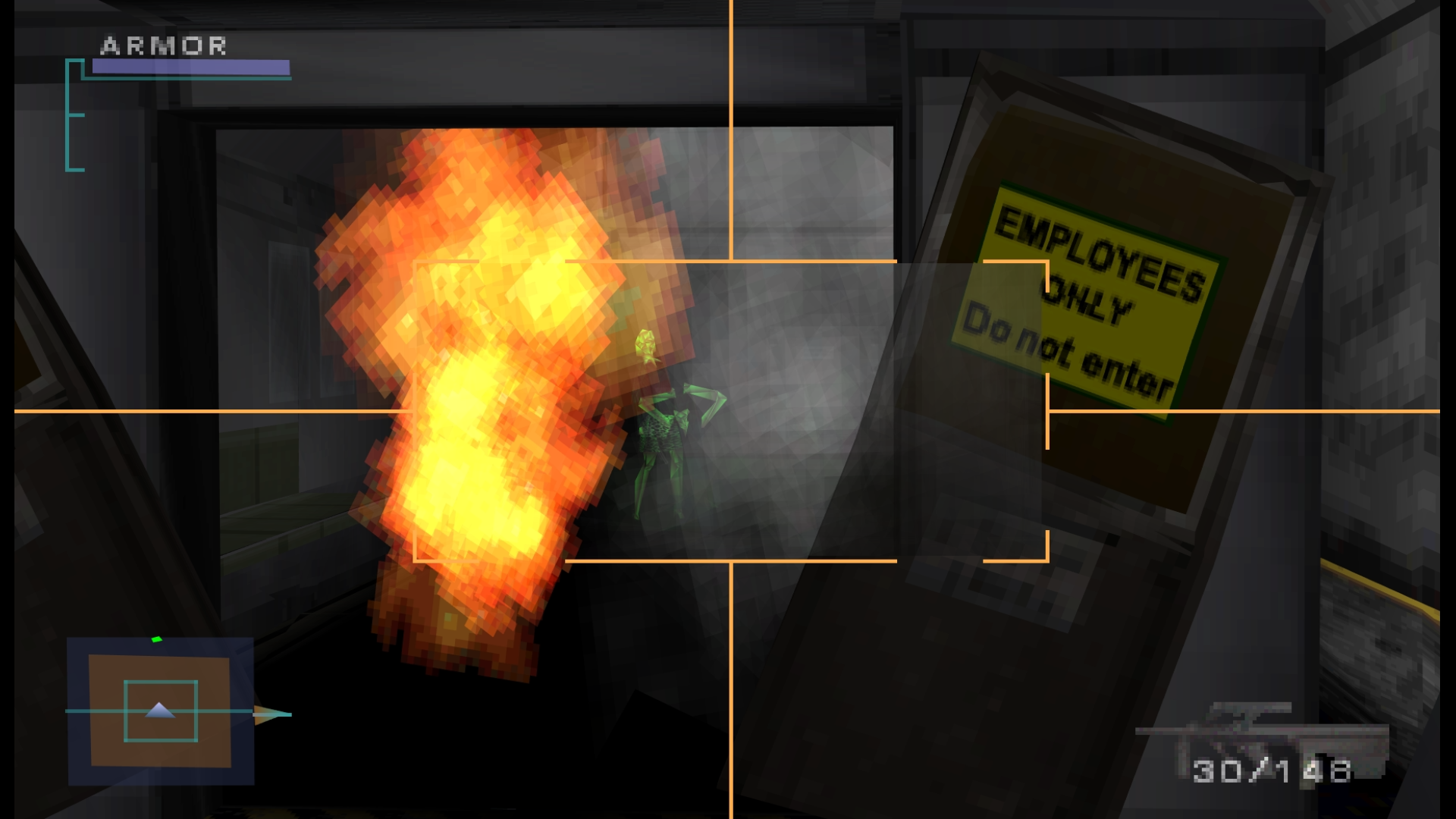
I may not have used cheats, but I have to admit that at this and a couple other points, I had to consult a guide. After I finished this playthrough on the emulator I tried the game in my PS1 and realized I missed something the first time you get the AU300 in an early level: you’re supposed to kill some snipers using the X-ray vision and shoot-through-walls abilities of the AU300. I still killed them, just not using those features of the gun.
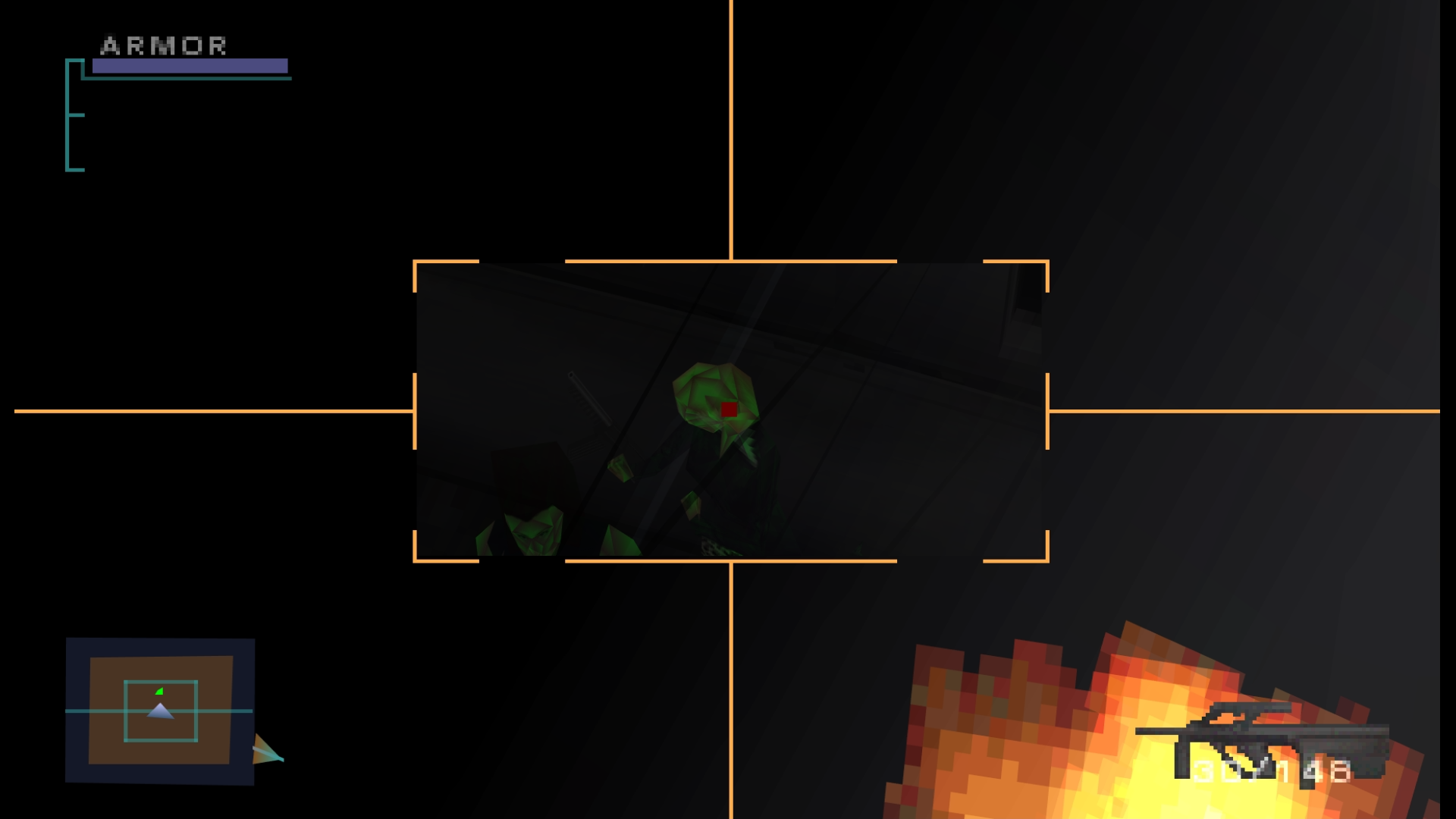
The first two games have ridiculous scripted battles that want you to do one particular thing to end the battle; you can headshot or grenade the final bosses, but they’re invincible except against the one method they want you to use. This game is similar, but they put guardrails so you can’t make nonsensical things happen. But as mentioned, on my first playthrough I missed that the AU300 could shoot through walls, so I had to look up the solution to this final boss: simply jump on top of the train car and shoot Mara through the roof. Easiest final boss ever?
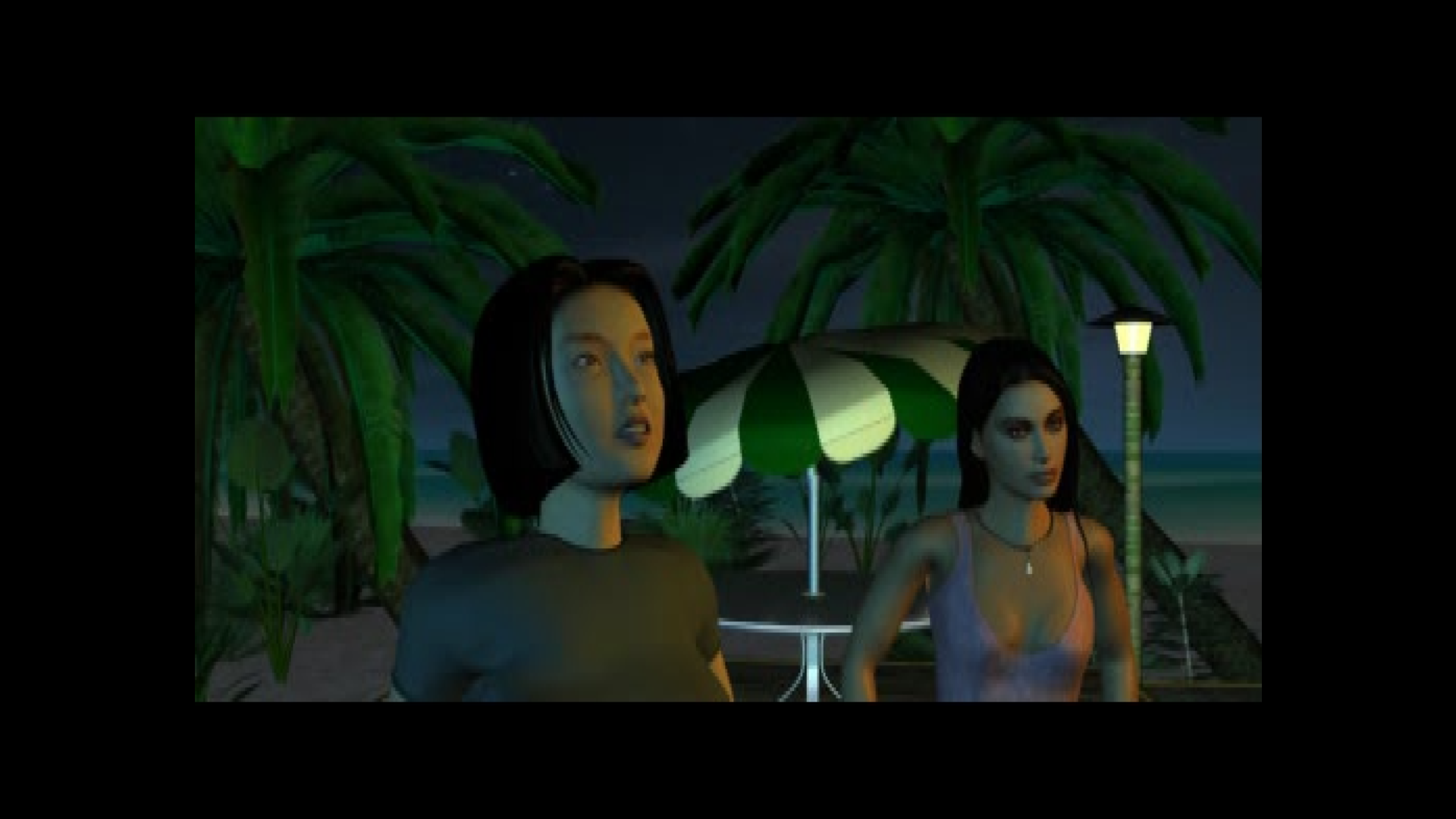

At the end, all of the playable characters are just chilling on a lovely beach (again, at night. So many things happen at night in this game).
But wait! At the end of the credits something starts happening!
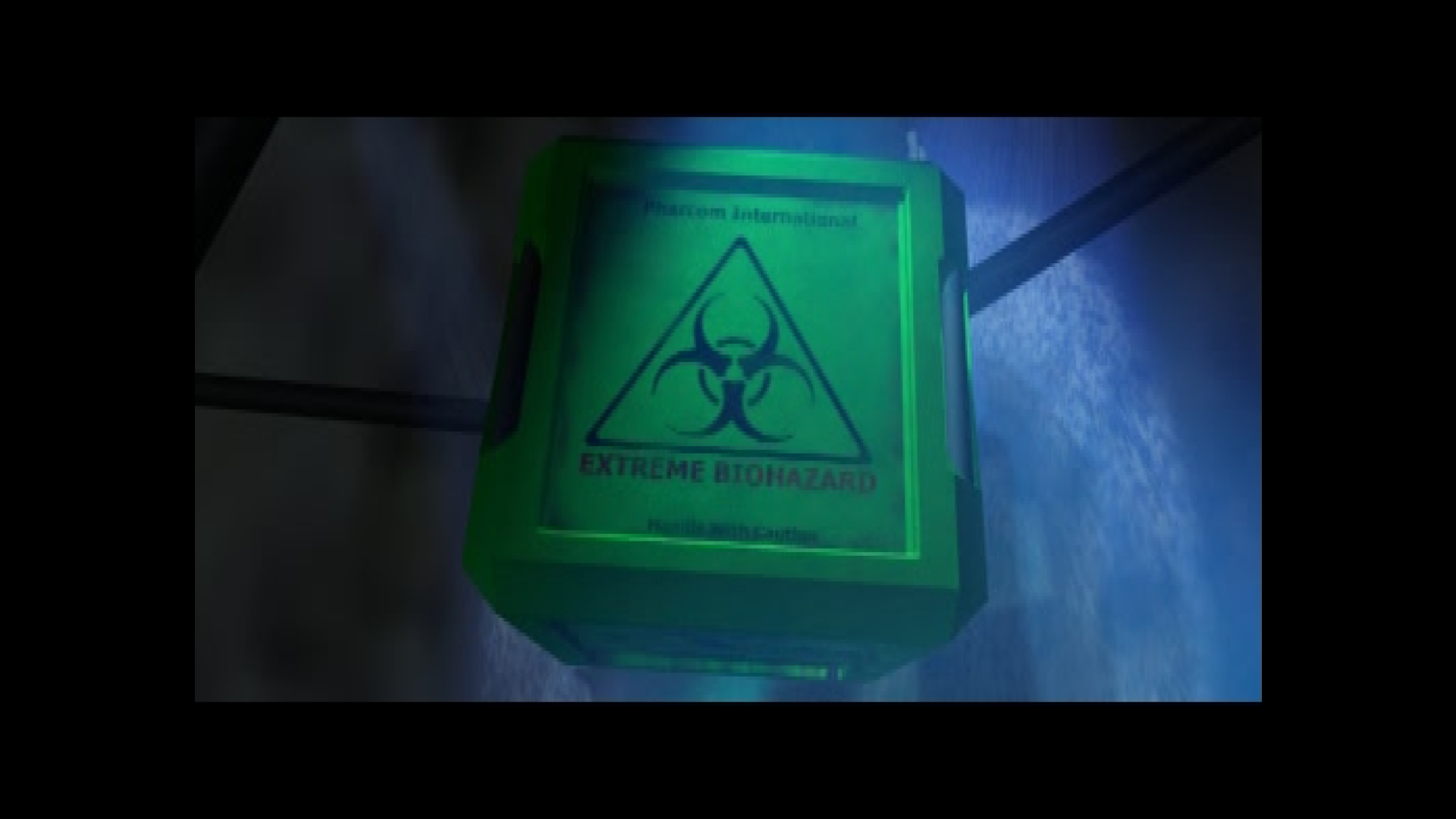
Would you expect anything less from Syphon Filter? The end of the game is a teaser for another sequel, of course. The next installment, Syphon Filter: The Omega Strain, was on PS2, and I don’t even remember its release at all. It must have sold extremely well though, because it’s worth almost nothing on the used market.
Overall, I was actually surprised at how good Syphon Filter 3 was. I didn’t have high hopes after glancing at period reviews and seeing that SF3 was generally rated lower than SF2, which was a frustrating awkward slog. But it appears that they didn’t just bang out another sequel; they took note of the issues of the previous games and fixed them, making a very enjoyable experience. For me, I would place SF3 as the best one of the series so far. Bring on Omega Strain!


 Star Road